Pruning
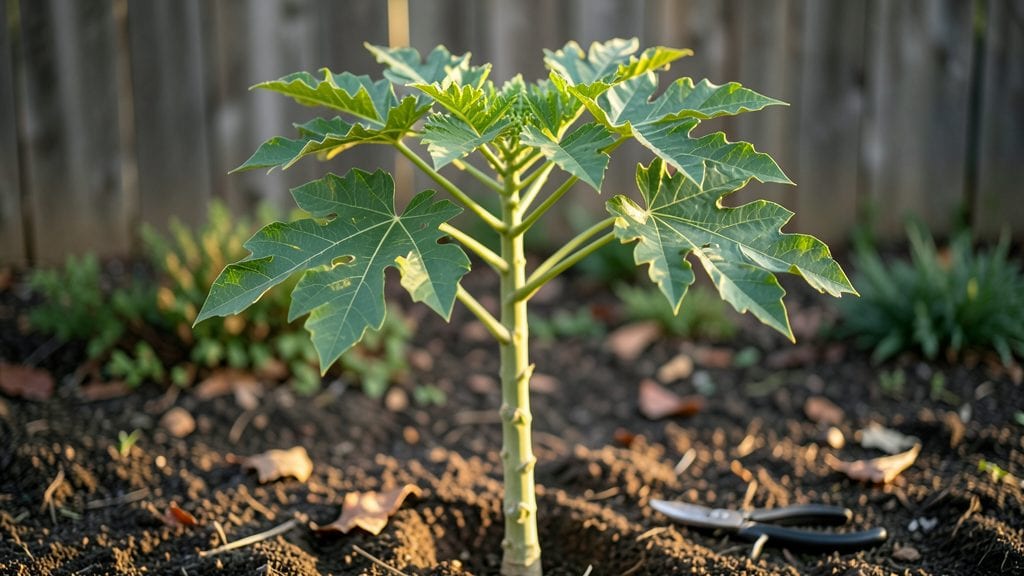
Growing a papaya tree sapling from seed is about the fastest way to tropical fruit in your yard—some varieties bear fruit in as little as 9 months if you get everything right. 🌱 I started with a single seedling in my Florida backyard, and within a year, I had a small tree heavy with fruit.
The key isn’t just patience—it’s matching the plant’s needs to your climate and soil.
You’ll need well-draining soil (think sandy loam mixed with compost), a spot with full sun (6+ hours daily), and consistent moisture without soggy roots. Papayas thrive in warm zones (USDA 10-11) but can be grown in containers and moved indoors during cooler months.
Most beginners overwater or underestimate heat needs—both kill saplings fast.
By month 3, you’ll see bold new leaves and a sturdy trunk, and by 6 months, your plant will be tall enough to stake for support. The first flowers appear around 8-10 months, and with proper care, you’ll harvest fruit by the following summer.
The sweet, orange flesh is worth every bit of effort.
Even in cooler climates, container growing works—just keep the pot near a sunny window or under grow lights. The real reward? Watching your sapling transform from a fragile seedling into a fruit-bearing giant in record time. Ready to grow yours?
📚 In This Guide
- What you need
- Instructions
- Tips and common mistakes
- Wrapping up and next steps
What you need
- ● Papaya seeds – 3–5 fresh, viable seeds (or a papaya tree sapling from a nursery, 6–12 inches tall).
- ● Well-draining potting mix – 2–3 gallons of a blend with perlite/vermiculite (e.g., 60% coconut coir, 30% peat moss, 10% perlite).
- ● Containers – Seed-starting trays (with drainage holes) for germination.
- ● 5–7 gallon pots (for saplings) or a raised bed (if planting outdoors).
- ● Watering can or spray bottle – With a fine mist nozzle for seedlings.
- ● Fertilizer – Balanced liquid fertilizer (10-10-10 or 20-20-20) for seedlings.
- ● Slow-release organic fertilizer (e.g., composted manure) for established saplings.
- ● Pruning shears – Sharp, sterilized shears (for trimming leggy growth or shaping).
- ● Support stakes or trellis – 4–6 ft tall (for young saplings to prevent toppling).
- ● Gloves – To protect hands from sap (can be irritating!).
- ● pH test kit – Ideal soil pH: 6.0–7.0 (papayas love slightly acidic to neutral soil).
- ● Mulch – Straw or wood chips (to retain moisture and suppress weeds).
- ○ Grow lights (optional) – If starting seeds indoors without sunlight (12–16 hours/day).
- ● Humidity dome or plastic wrap – To keep seeds moist during germination.
- ● Insecticide (organic, e.g., neem oil) – For pest control (aphids, spider mites).
Step-by-step instructions for growing a papaya tree sapling
Here's how to nurture your fast-growing papaya sapling into a thriving fruit-bearing tree.
🪴 Step 1: Select the Right Container and Soil Mix
Papaya saplings need room to grow, so start with a 5-gallon container or larger. The roots grow aggressively, so ensure it has drainage holes—papayas hate soggy roots. I use a mix of 60% well-draining potting soil, 20% perlite, and 20% coconut coir to mimic tropical forest conditions. This blend prevents compaction while retaining enough moisture for rapid growth.
Fill the container halfway, then tap it gently to settle the soil. Avoid packing it down too firmly—papaya roots need loose soil to spread quickly. The goal is a fluffy, airy medium that lets oxygen reach the roots while holding moisture without waterlogging.
☀️ Step 2: Position for Maximum Light and Warmth
Papaya trees thrive in full sun (6+ hours daily), but saplings need gradual exposure. Start with 3-4 hours of morning sun and slowly increase to full sun over 1-2 weeks. A south-facing window or greenhouse works best, but supplement with a grow light if natural light is insufficient.
Keep temperatures between 70-85°F—papayas are tropical and won’t tolerate cold drafts. If your home dips below 60°F at night, move the sapling to a warmer spot or use a small space heater nearby. Watch for yellowing leaves—this is your first sign of stress from cold or insufficient light.
💧 Step 3: Water Deeply and Maintain Consistent Moisture
Water your sapling deeply when the top 2 inches of soil feel dry. Papayas need consistent moisture but hate sitting in water. I water in the morning so the foliage dries quickly, reducing fungal risks. Use room-temperature water—cold water shocks the roots and slows growth.
After watering, let excess drain completely. Empty the saucer underneath the pot within 30 minutes to prevent root rot. Overwatering is the fastest way to kill a young papaya—it’s better to underwater slightly than drown the roots.
✂️ Step 4: Prune for Strong Growth and Fruit Production
Once your sapling reaches 12-18 inches tall, pinch off the top set of leaves to encourage bushier growth. This redirects energy from vertical stretching to lateral branching, which supports more fruit later. Use clean, sharp scissors to avoid tearing the stems.
Remove any yellow or damaged leaves immediately—they drain energy and attract pests. When the plant flowers, thin out crowded blooms to 3-5 per cluster. Too many flowers can overwhelm the young tree, leading to small, underdeveloped fruit. Watch for the first male and female flowers to appear—this is your cue to start monitoring for pollination.
🌿 Step 5: Fertilize for Rapid, Healthy Growth
Start fertilizing when the sapling shows 4-6 true leaves. Use a balanced, water-soluble fertilizer (10-10-10 or 20-20-20) diluted to half strength. Feed every 4-6 weeks during the growing season (spring through fall). Papayas are heavy feeders, but too much fertilizer burns roots—always water thoroughly before and after applying.
Switch to a high-potassium fertilizer (5-10-10) once flowering begins to support fruit development. You’ll notice stronger stems, darker green leaves, and more vigorous growth within a month. Avoid fertilizing in winter unless your sapling is in a heated environment—dormancy slows nutrient uptake.
Tips & tricks for perfect papaya tree sapling growth
Fast growth starts with the right foundation—here's how to give your papaya sapling the best possible start without common pitfalls.
The Container Factor: If you can't find a 5-gallon container right away, a 3-gallon pot will work temporarily—but you'll need to transplant within 2-3 months as roots outgrow the space. Look for containers made from breathable materials like terracotta, which helps regulate moisture better than plastic. The key is drainage: ensure there are at least 4 holes in the bottom, and consider adding a layer of pebbles at the bottom for extra drainage if your container lacks proper holes.
Light Transition Strategy: The gradual exposure from 3-4 hours to full sun over 1-2 weeks is crucial—this prevents sunburn on delicate leaves. I've seen saplings wilt dramatically when moved too quickly to full sun. Start with morning sun only, as the cooler temperatures are gentler. If you notice leaves curling or turning yellow after increasing light exposure, you've moved too fast—backtrack to the previous light level for a few days.
Soil Science Matters: The 60/20/20 soil mix creates ideal conditions, but here's the secret: sterilize your potting soil first by baking it in the oven at 200°F for 30 minutes. This eliminates fungal spores that could harm your sapling. Also, avoid garden soil—it's too dense and can compact around aggressive papaya roots. If you can't find coconut coir, substitute with 20% peat moss, but monitor moisture levels more closely as peat holds water differently.
Pruning Precision: When pinching off the top set of leaves at 12-18 inches, make your cut just above a leaf node where new growth will emerge. I use sterilized scissors and wipe them with rubbing alcohol between cuts to prevent spreading disease. For the first pruning, focus on removing the very topmost leaves—this encourages bushier growth from lower nodes. Remember that papayas are monoecious (have separate male and female flowers), so preserving some vertical growth helps support future fruit.
Pro Tips for Papaya Tree Sapling
- Fast growth starts with the right foundation—here's how to give your papaya sapling the best possible start without common pitfalls.
- The Container Factor: If you can't find a 5-gallon container right away, a 3-gallon pot will work temporarily—but you'll need to transplant within 2-3 months as roots outgrow the space.
- Light Transition Strategy: The gradual exposure from 3-4 hours to full sun over 1-2 weeks is crucial—this prevents sunburn on delicate leaves.
Frequently asked questions
Got questions about growing your papaya tree sapling? You’re not alone! Here are answers to the most common queries to help you nurture a thriving fruit tree with ease.
How long does it take for a papaya sapling to bear fruit?
A papaya sapling typically takes 12–24 months to bear fruit, depending on the variety and growing conditions. Dwarf varieties may fruit faster (as early as 8–10 months), while larger types can take up to 2 years. Patience is key—ensure your sapling gets full sun (6+ hours/day), well-draining soil, and regular watering to speed up fruiting.
Can papaya saplings survive cold weather?
Papaya trees are tropical plants and are not frost-tolerant. Temperatures below 40°F (4°C) can damage or kill young saplings. If you live in a cooler climate, grow papayas in containers and bring them indoors during winter or plant them in a greenhouse. Alternatively, opt for cold-hardy varieties like Carica pubescens (mountain papaya).
What’s the best way to transplant a papaya sapling?
Transplant your sapling during the monsoon season or early morning to minimize stress. Dig a hole twice as wide as the root ball and mix in compost for nutrients. Gently remove the sapling, loosen its roots, and place it in the hole at the same depth as before. Water thoroughly and avoid fertilizing for 2–3 weeks to help it establish roots.
Why are my papaya sapling leaves turning yellow?
Yellowing leaves (chlorosis) usually signal overwatering, nutrient deficiency, or pests. Check the soil—it should be moist but not soggy. Lack of magnesium or iron (common in alkaline soils) can cause this; apply a chelated iron supplement or Epsom salt (magnesium sulfate) if needed. Inspect the undersides of leaves for aphids or mites and treat with neem oil if pests are present.
Can I grow a papaya tree from seed, or should I buy a sapling?
While you can grow papayas from seed, store-bought saplings are more reliable for consistent fruit production. Seeds may produce unpredictable varieties (e.g., mixed colors or sizes) and take longer to mature. If you’re patient and want a challenge, try it! Otherwise, opt for a grafted or nursery-grown sapling for faster, more predictable results.
Wrapping up and next steps
Growing a papaya tree sapling from seedlings is a rewarding journey that brings vibrant fruit and lush greenery to your garden! 🌱 With the right soil, sunlight, and care, you’ll soon enjoy a thriving tree that yields delicious papayas.
Whether you’re a beginner or a seasoned gardener, every step—from planting to pruning—contributes to a bountiful harvest.
Now that you’re equipped with the knowledge, it’s time to take action. Grab your seedlings, prepare your space, and watch your papaya tree flourish! Share your progress with fellow gardeners or tag us in your photos—we’d love to see your green thumb in action. Happy planting! 🌟