Planting
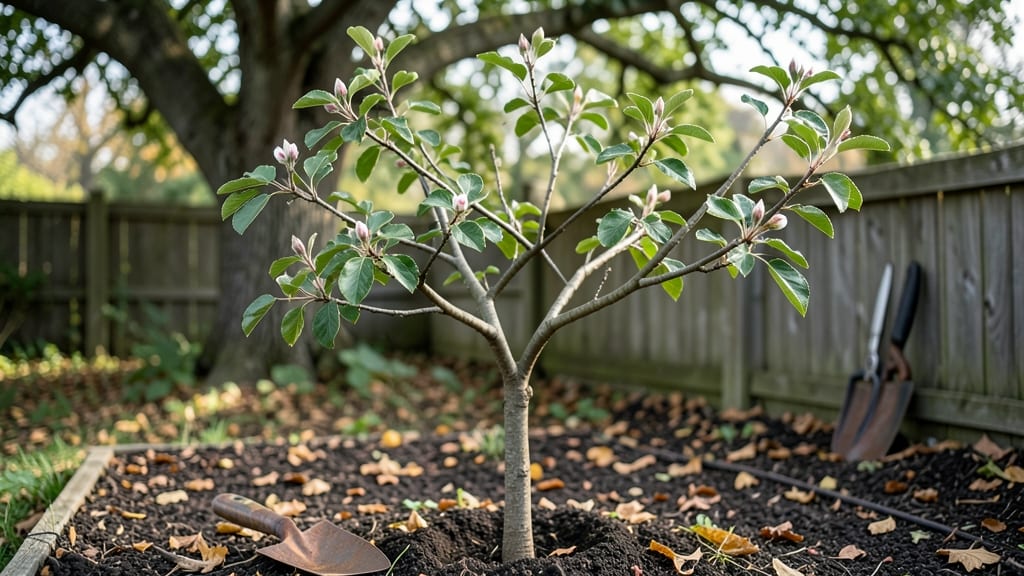
Planting a young apple tree in the Pacific Northwest means you're setting the stage for decades of harvests—if you do a few key things right from the start.
I planted my first tree three years ago, and while it took some trial and error, I now have a sturdy 6-foot sapling that's already budding with promise.
The secret isn't just the tree itself, but the soil, sunlight, and early care that turn a fragile nursery plant into a thriving orchard starter.
Here's the thing—you don't need fancy equipment or years of experience. A 5-gallon container of well-draining soil, a sunny spot with at least 6 hours of light daily, and a consistent watering routine are all you truly need.
The biggest mistake beginners make is overwatering or planting too deep, which can strangle the roots before they even get established. I learned that the hard way when my first tree wilted after just two weeks.
By following a few simple pruning steps and avoiding common early-stage pitfalls, you'll see your young tree develop strong branches and vibrant new growth within its first growing season.
The reward? A tree that's already building a root system capable of supporting fruit in just a few years. Let's get that sapling in the ground the right way.
This method works for container-grown trees, bare-root plants, and even those tricky dwarf varieties that promise smaller spaces. Whether you're planting in your backyard or a large pot, the same principles apply. Here's how to make it happen without the guesswork.
📚 In This Guide
- What you need
- Instructions
- Tips and common mistakes
- Wrapping up and next steps
What you need
- ● Young apple tree plant: Choose a dwarf or semi-dwarf variety (e.g., ‘Gala,’ ‘Honeycrisp,’ or ‘Fuji’) suited for PNW climates. Look for 1-2 year old bare-root or container-grown saplings (check local nurseries for cold-hardy options).
- ● Planting hole: Dig a hole twice as wide and slightly shallower than the root ball (or container). Aim for 3-4 feet deep for dwarf varieties.
- ● High-quality soil: Mix native soil with compost or aged manure (ratio: 2 parts soil to 1 part organic matter). PNW’s acidic soil may need a touch of lime (pH 6.0-6.5 is ideal).
- ● Organic mulch: 4-6 inches of wood chips, straw, or pine needles to retain moisture and regulate temperature.
- ● Staking system: 2-3 stakes (4-6 ft tall) + soft tree ties to support young trees in windy PNW areas.
- ● Watering can or hose: With a gentle spray nozzle for post-planting hydration.
- ● Fertilizer: Balanced organic fertilizer (e.g., 10-10-10 or compost tea) to kickstart growth.
- ● Shovel or spade: For digging with ease.
- ● Garden gloves: To protect your hands from thorns and rough soil.
- ● Pruning shears: Bypass pruners (sharp and clean) for shaping the tree.
- ● Rake: To smooth mulch and soil around the base.
- ● Measuring tape: For precise planting depth and spacing.
- ○ pH testing kit: Optional but helpful to check soil acidity.
- ● Tree guard or protective cage: To deter deer or rabbits (common in PNW!).
- ● Slow-release watering system: Like a drip irrigation kit for consistent moisture.
- ● Epsom salt: A tablespoon mixed into planting soil for magnesium boost.
- ● Pest control: Neem oil or horticultural oil for early pest prevention.
- ● Weatherproof plant tag: To track variety, planting date, and care notes.
Step-by-Step instructions for planting a young apple tree in the Pacific Northwest
Here's how to give your young apple tree the perfect start in our damp, cool climate.
Choose the Right Location and Prepare the Soil
Select a spot with full sun exposure (6-8 hours daily), even if it means clearing some shade from nearby trees. Apple trees need plenty of sunlight to develop strong fruit. The Pacific Northwest’s mild winters and frequent rain mean your tree will appreciate well-draining soil—avoid low-lying areas where water pools.
Test your soil’s drainage by digging a hole about 12 inches deep and filling it with water. If it drains within an hour, your soil is fine. If not, amend it with 3-4 inches of compost or a mix of sand and organic matter to improve drainage. Apple trees thrive in slightly acidic to neutral soil (pH 6.0-7.0), so consider a soil test kit if your yard has heavy clay or very sandy soil.
Dig the Planting Hole and Remove the Tree from Its Container
Dig a hole that’s twice as wide as the tree’s root ball but no deeper. This encourages roots to spread outward rather than settling into a tight, compacted space. If your tree is root-bound (roots circling the container), gently tease them apart with your fingers before planting. For bare-root trees, soak the roots in water for 1-2 hours before planting to rehydrate them.
Place the tree in the hole so the top of the root ball sits 1-2 inches above ground level. This prevents water from pooling around the trunk, which can cause rot. Backfill the hole with the native soil, pressing gently to remove air pockets but avoiding compaction. Water thoroughly after planting to settle the soil around the roots.
Mulch and Water for Establishment
Spread a 3-inch layer of organic mulch (like wood chips or straw) around the base of the tree, keeping it 3-4 inches away from the trunk to prevent rot. Mulch helps retain moisture and regulate soil temperature, which is especially important in the Pacific Northwest’s variable weather. Avoid inorganic mulches like rocks, as they don’t improve soil health.
Water deeply once a week during the first growing season, providing 1-2 gallons of water per inch of trunk diameter. For example, a tree with a 2-inch diameter trunk needs 2-4 gallons per week. Check moisture by digging 2 inches into the soil—it should feel damp but not soggy. Overwatering is a common mistake, especially in our rainy climate.
Prune and Protect for Long-Term Health
Prune your young apple tree in late winter or early spring before new growth begins. Remove any dead, damaged, or crossing branches using clean, sharp pruners. Aim to create an open center that allows sunlight and air to reach the inner branches. For a young tree, limit pruning to 20-25% of the foliage—this encourages strong growth without stressing the plant.
In the Pacific Northwest, young apple trees benefit from protection against late frosts and strong winds. Wrap the trunk with tree guard or burlap to prevent rodent damage and sun scald. If your tree is in a windy area, consider staking it temporarily until the roots establish, but avoid tying it too tightly—roots need room to spread.
Monitor and Maintain Through the First Year
Keep an eye out for pests like aphids or mites, which are common on young apple trees. A strong spray of water can dislodge many pests, or use an organic insecticidal soap if needed. Fertilize lightly in early spring with a balanced, slow-release fertilizer (like 10-10-10) to support growth. Avoid heavy fertilization, as it can encourage weak, disease-prone growth.
By the end of the first year, your tree should show signs of strong root and shoot growth. If leaves appear yellow or stunted, it may indicate nutrient deficiencies or poor drainage. Adjust care accordingly—apple trees are resilient, but they do best with consistent attention in their early years. With the right start, your young tree will thrive in the Pacific Northwest’s unique climate.
Tips & tricks for planting a young apple tree in the Pacific Northwest
A few simple strategies will help your young apple tree thrive in our unique climate and set it up for years of fruitful growth.
Sunlight and Soil Preparation: In Step 1, don't just clear shade—actually measure your tree's sunlight exposure using a simple app or timer for those critical 6-8 hours. I've seen trees struggle when they get only 4-5 hours, even if it feels sunny. Also, when testing drainage, pour water in the hole and time how long it takes to drain completely—this gives you a baseline for your soil's natural drainage rate, which is especially important in our rainy climate.
Root Care During Planting: For Step 2, if your tree is root-bound, don't just cut the circling roots—gently work them apart with your fingers while soaking in water. This prevents damage to the delicate root tips. And when placing the tree, use a level to ensure the root ball sits perfectly straight—uneven planting can cause future growth problems. The 1-2 hour soak for bare-root trees is crucial, especially in our dry summer months.
Mulching Technique: In Step 3, when applying that 3-inch mulch layer, create a slight depression around the trunk to help direct water toward the roots. I've found this simple trick prevents water from running off during our heavy rains. Also, refresh the mulch annually—it breaks down quickly in our damp climate and loses its moisture-retaining benefits.
Pruning and Protection: For Step 4, when pruning those first branches, make cuts just above outward-facing buds to encourage new growth. I've learned the hard way that cutting too close to the trunk can leave unsightly stubs. And for wind protection, consider using flexible tree ties instead of rigid stakes—they allow some movement while still providing support, which helps the tree develop stronger structural roots.
Pro Tips for Apple Tree Young Plant
- A few simple strategies will help your young apple tree thrive in our unique climate and set it up for years of fruitful growth.
- Sunlight and Soil Preparation: In Step 1, don't just clear shade—actually measure your tree's sunlight exposure using a simple app or timer for those critical 6-8 hours.
- Root Care During Planting: For Step 2, if your tree is root-bound, don't just cut the circling roots—gently work them apart with your fingers while soaking in water.
Frequently asked questions
Got questions about nurturing your young apple tree in the Pacific Northwest? You’re not alone! Here are some of the most common concerns—and their straightforward solutions—to help you grow a thriving fruit-bearing tree.
How soon can I expect fruit from a young apple tree?
A young apple tree typically takes 3–5 years to bear fruit, depending on the variety and growing conditions. Dwarf varieties may fruit sooner (2–3 years), while standard-sized trees take longer. Patience is key—focus on strong root and branch development first!
Are young apple trees cold-hardy enough for the Pacific Northwest?
Yes! Most apple varieties thrive in the PNW’s USDA Zones 7–9, but young trees need extra care in their first winter. Mulch heavily (3–4 inches) around the base and wrap the trunk with tree guard to protect against frost cracks and rodent damage.
Can I plant an apple tree in a container if I have limited space?
Dwarf or semi-dwarf varieties (like ‘Columnar’ or ‘Spindle’) are perfect for containers. Use a 5-gallon pot minimum, ensure it has drainage holes, and repot every 2–3 years. Just remember: container-grown trees need more frequent watering and may produce smaller yields.
What pests should I watch for in young apple trees?
Keep an eye out for aphids, codling moths, and apple maggots—common PNW pests. Start with neem oil or insecticidal soap for early infestations. For severe issues, consult a local nursery for organic or chemical solutions. Regularly inspect leaves and fruit for signs of damage.
How do I prune a young apple tree correctly?
Prune in late winter or early spring (before buds swell) to shape the tree and encourage strong growth. Remove dead, crossing, or crowded branches using clean, sharp pruners. Aim for an open center canopy to improve airflow and sunlight penetration—critical for disease prevention!
Wrapping up and next steps
Growing a young apple tree in the Pacific Northwest is a rewarding journey filled with fresh air, sunshine, and the promise of future harvests! 🌱🍏 With the right location, soil prep, and care, your sapling has every chance to thrive into a sturdy, fruit-bearing tree.
Remember, patience and consistency are key—your efforts today will pay off in years of crisp, homegrown apples.
Now that you’re armed with knowledge, take the next step! Mark your calendar for planting season, gather your tools, and get ready to nurture your tree with confidence. Happy planting—your orchard adventure starts now! 🌿✨