
Pruning
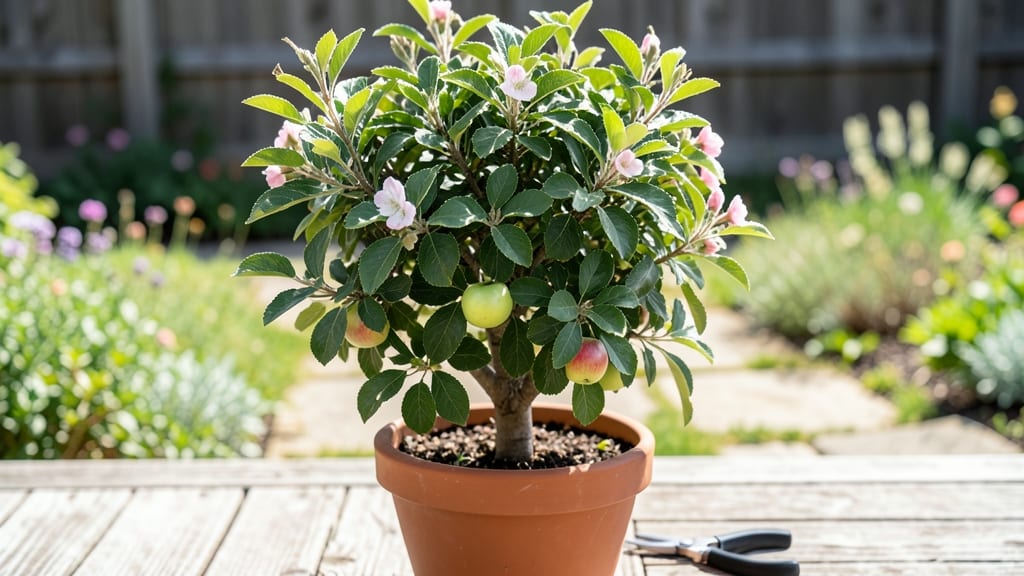
Growing an apple tree in a pot turns backyard dreams into reality—even on a balcony or patio. 🌱 I’ve watched my dwarf apple tree produce 15-pound harvests in a 15-gallon container, proving that orchard magic doesn’t need acres.
The key? Choosing the right variety, pot, and care routine to keep roots happy and branches fruiting.
You’ll need a dwarf or semi-dwarf variety like ‘Liberty’ or ‘Honeycrisp,’ a fabric pot for better drainage, and a well-draining soil mix that mimics orchard conditions. Sunlight is non-negotiable—6+ hours daily—and regular pruning keeps the tree compact while encouraging fruit production.
Overwintering in colder zones just means moving the pot to a sheltered spot or wrapping it in burlap.
By summer, you’ll be picking crisp, sweet apples straight from your container. The tree stays manageable, the harvest rivals in-ground orchards, and you avoid pests that plague traditional plantings. Plus, the scent of blossoms in spring and the joy of hand-picking fruit make it worth every effort.
Whether you’re in Zone 5 or 9, this method adapts—just adjust watering and winter protection. Let’s get that pot planted and turn your small space into an apple paradise!
📚 In This Guide
- What you need
- Instructions
- Tips and common mistakes
- Wrapping up and next steps
What you need
- ● Apple tree variety: Dwarf or columnar variety (e.g., ‘Columnar Apple,’ ‘Dwarf Fuji,’ or ‘Gala’). Choose a self-pollinating or pollination-friendly pair.
- ○ Container: A 5-gallon or larger pot (minimum 18" deep) with drainage holes. Optional: Self-watering pot for convenience.
- ● Potting mix: High-quality well-draining mix (e.g., 60% potting soil + 30% perlite + 10% compost). Avoid garden soil—it compacts!
- ○ Fertilizer: Slow-release balanced fertilizer (10-10-10 or organic options like fish emulsion). Optional: Citrus-specific fertilizer for extra care.
- ● Mulch: Organic mulch (e.g., straw or wood chips) to retain moisture and regulate temperature.
- ● Pruning tools: Bypass pruners (sharp and clean)
- ○ Optional: Loppers for thicker branches
- ● Gloves: Heavy-duty gardening gloves to protect hands.
- ● Watering can or hose: With a gentle spray nozzle for even watering.
- ● Support (if needed): Small stakes or a tree collar for young trees in windy areas.
- ● Location: A spot with 6+ hours of sunlight daily and protection from harsh winds.
- ● 🌡️ Temperature: Most dwarf apple trees thrive in USDA Zones 5-8.
- ● ✨ Pollination: If growing one tree, plant a second nearby (or hand-pollinate with a paintbrush!).
- ● 🔥 Winter prep: Move pots to a sheltered area or wrap in burlap for cold climates.
Step-by-step instructions for growing an apple tree in a pot
Here’s how to create your own dwarf apple tree—perfect for patios, balconies, or small yards.
🌱 Step 1: Select the Right Dwarf Variety and Container
Choose a dwarf apple tree (like 'Columnar' or 'Semi-Dwarf') that stays under 6 feet tall—ideal for containers. I recommend a 20-30 gallon pot with drainage holes, since roots need room to expand but won’t outgrow a small space. Terra cotta works best because it breathes and prevents root rot.
Fill the bottom 3-4 inches with gravel or broken pottery for drainage—this prevents soggy roots, which apple trees hate. The pot must be at least 18 inches deep to support the root ball without crowding. If using a decorative pot without drainage, place the tree in a nursery pot first, then nest it inside.
🪴 Step 2: Plant the Tree and Amend the Soil
Remove the tree from its nursery pot and loosen the roots gently—this encourages them to spread into the new soil. Place it in the center of the container so the graft union (the bump near the base) sits 2-3 inches above the soil line. This prevents water from pooling around the graft and rotting it.
Fill the pot with a mix of equal parts potting soil, compost, and perlite—this gives roots both nutrients and aeration. Press lightly around the base to remove air pockets, then water deeply until it drains from the bottom. Mulch the surface with 1-2 inches of wood chips, keeping it 3 inches away from the trunk to avoid moisture buildup.
☀️ Step 3: Position for Sunlight and Water Consistently
Apple trees need full sun (6-8 hours daily)—place your pot in the sunnest spot on your patio or balcony. If you’re in a hot climate, provide afternoon shade to prevent leaf scorch. I like to rotate the pot a quarter turn weekly so the tree grows evenly toward the light.
Water deeply every 2-3 days in summer, checking that the top 2 inches of soil feel dry before watering again. Overwatering is the #1 killer of potted apple trees—always let excess water drain completely. In winter, reduce watering to once a week unless it’s unusually warm.
✂️ Step 4: Prune for Shape and Fruit Production
Prune in late winter or early spring before new growth starts. Remove dead, crossing, or inward-growing branches first, then thin out 20% of the canopy to improve airflow. This prevents fungal diseases and encourages larger fruit. Use clean, sharp pruners and make cuts just above a bud or branch collar.
Shape the tree into an open-center form—this lets sunlight reach the center for better fruit set. Avoid heavy pruning in the first year; focus on establishing a strong structure. After flowering, remove spent blossoms to redirect energy into fruit growth rather than seed production.
🍎 Step 5: Fertilize and Protect for Long-Term Health
Feed your tree once in early spring with a balanced, slow-release fertilizer (10-10-10 ratio). Follow the package instructions, but half the recommended dose—apple trees in pots are sensitive to over-fertilization. In summer, switch to a low-nitrogen, high-potassium fertilizer to boost fruit development.
Watch for aphids, spider mites, or codling moths—common pests in potted fruit trees. Spray with neem oil at the first sign of trouble, and wrap the trunk with tree guard in late fall to protect against rodents and winter sunscald. With consistent care, your potted apple tree can produce fruit in 3-5 years—and you’ll never need a yard again.
Tips & tricks for perfect potted apple trees
These game-changing insights will help your container-grown apple tree thrive—and actually produce fruit—without taking over your space.
Container Size Matters: That 20-30 gallon pot recommendation isn't arbitrary—apple tree roots expand aggressively. If you choose a smaller pot, you'll stunt growth and reduce fruit production. I've seen 15-gallon pots work for the first year, but by year two, roots will circle and strangle themselves. Upgrade to at least 25 gallons if you're pushing the height limit of 6 feet.
Soil Science Secret: The equal parts potting soil, compost, and perlite mix isn't just random—it's about the trifecta of drainage, nutrients, and aeration. I've had trees fail when people skipped the perlite, thinking more compost equals better growth. Too much organic matter without the perlite creates a soggy mess that invites root rot. For best results, mix in 1 cup of bone meal at planting time to give your tree a phosphorus boost for root development.
Sunlight Strategy: That 6-8 hours of daily sun is non-negotiable, but here's the pro move: track the sun's movement across your space. Morning sun on the east side of your balcony? Rotate the pot to face west by afternoon. I've had trees grow lopsided when left in one position—they literally lean toward the light. A quarter turn weekly keeps growth even and prevents weak, spindly branches that break under fruit weight.
Winter Protection: The instructions mention wrapping the trunk, but don't stop there. Move your pot to a sheltered location—against a south-facing wall or under an overhang—where it gets some winter sun but protection from harsh winds. I've lost trees to winter sunscald when they got too much direct sunlight after being dormant all winter. A thick layer of straw mulch (3-4 inches) around the base also insulates roots from temperature swings.
Pro Tips for Apple Tree In Pot
- These game-changing insights will help your container-grown apple tree thrive—and actually produce fruit—without taking over your space.
- Container Size Matters: That 20-30 gallon pot recommendation isn't arbitrary—apple tree roots expand aggressively.
- Soil Science Secret: The equal parts potting soil, compost, and perlite mix isn't just random—it's about the trifecta of drainage, nutrients, and aeration.
Frequently asked questions
Got questions about growing an apple tree in a pot? You’re not alone! Here are answers to the most common concerns—from pruning to space-saving hacks.
Can dwarf apple trees bear fruit in pots?
Dwarf varieties like ‘Columnar’ or ‘Semi-Dwarf’ are perfect for pots—they stay small (6–12 ft tall) but still produce delicious, full-sized apples. Just ensure the pot is at least 18–24 inches deep and wide to support root growth. Pollination may require a second tree or hand-pollination with a brush.
How often should I repot my apple tree?
Repot every 2–3 years or when roots circle the pot (a sign it’s root-bound). Spring is ideal—choose a pot 2–4 inches larger in diameter and use fresh, well-draining potting mix. Pro tip: Add a layer of compost to boost nutrients without overcrowding!
Will my potted apple tree survive winter?
Yes, but it needs protection! Move the pot to a garage or sheltered spot (temperatures above 20°F) and wrap the trunk with burlap. Mulch the soil with straw to insulate roots. Cold-hardy varieties (like ‘Liberty’ or ‘Honeycrisp’) handle frost better than tropical types.
How do I prune a potted apple tree for maximum fruit?
Prune in late winter/early spring to shape the tree and encourage fruit-bearing branches. Remove dead, crossing, or overcrowded branches first, then thin out 20–30% of the canopy to improve airflow. Focus on: Open-center shape for dwarf trees and never cut more than ¼ of the foliage at once.
Why aren’t my potted apples ripening?
Common culprits: insufficient sunlight (6+ hours daily), poor pollination, or nutrient deficiencies. Check for yellowing leaves (nitrogen deficiency) or small, misshapen fruit (calcium lack). Try a balanced fruit-tree fertilizer in spring and summer, and hand-pollinate blossoms if needed.
What’s the best pot material for apple trees?
Opt for terracotta, fabric grow bags, or plastic pots with drainage holes. Terracotta breathes well but dries faster, while fabric pots reduce root circling. Avoid metal or untreated wood—they can corrode or rot. Size matters: A 5-gallon pot works for young trees; upgrade as the tree grows!
Wrapping up and next steps
Growing an apple tree in a pot isn’t just possible—it’s a rewarding way to bring orchard magic to small spaces! With the right variety, container, and pruning care, you’ll enjoy fresh, homegrown apples year after year.
Whether you’re a beginner or a green thumb, this compact solution proves that big harvests don’t need big yards.
Ready to take the next step? Start by choosing your tree and prepping your pot—then watch your little orchard thrive! 🌱🍏