
Pruning
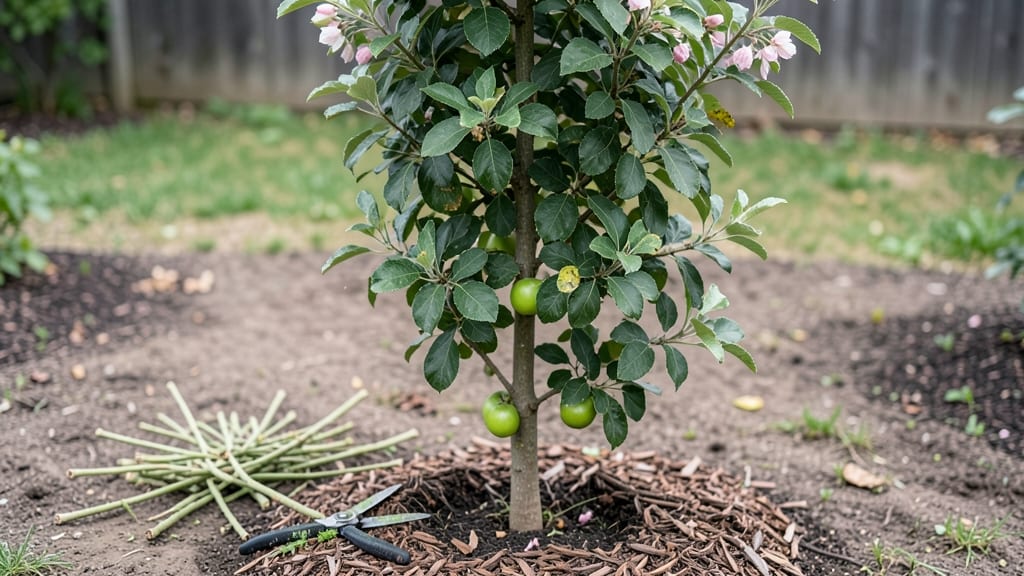
Pruning columnar apple trees isn’t just about keeping them tidy—it’s the secret to year-round fruit production without sacrificing the tree’s health or your sanity. 🌱 I’ve pruned mine every winter for five years, and the difference in harvests is night-and-day: fewer crowded branches, bigger apples, and a shape that fits my small backyard perfectly.
The key? Working with the tree’s natural growth habit, not against it.
You’ll need just three tools: sharp bypass pruners, a small handsaw for thicker branches, and rubbing alcohol to sterilize cuts. Timing matters too—dormant season (late winter) is ideal, but light pruning after harvest keeps the tree manageable.
The goal is to remove no more than 25% of the canopy per year, focusing on inward-growing branches and dead wood first. Every cut should leave a smooth surface, not a jagged stub.
What you’ll end up with is a tree that looks like a well-behaved sentinel instead of a tangled mess. Apples hang freely, sunlight reaches every branch, and the tree’s energy goes into fruit—not just leaves.
The first harvest after pruning is always the best, with apples that stay on the tree longer and ripen more evenly. Plus, you’ll spend less time wrestling with branches come summer.
This method works for any columnar variety, whether you’ve got a single tree or a row along your fence. The only real mistake is pruning too much too soon—so start small, observe how the tree responds, and adjust next year.
Your future self (and your apple pie) will thank you.
📚 In This Guide
- What you need
- Instructions
- Tips and common mistakes
- Wrapping up and next steps
What you need
- ● Pruning shears (bypass or anvil type) – Choose sharp, clean shears (4-6" blades) for precise cuts. Disinfect with rubbing alcohol between trees to prevent disease.
- ● Loppers – 8-10" blades for thicker branches (up to 2" in diameter). Leverage-style loppers reduce hand strain.
- ● Pruning saw – For branches thicker than 2". Opt for a curved-tooth saw to avoid tearing bark.
- ● Gloves – Garden-grade gloves (cut-resistant) to protect hands from thorns and sap.
- ● Ladder or step stool – Sturdy, non-slip (3-5 ft tall) for reaching upper branches safely.
- ○ Disposable pruning sealant – Optional but helpful for sealing large cuts (1" or wider) to prevent disease entry.
- ● Bucket or trash bag – For collecting pruned branches and debris.
- ● Weather check – Prune on a dry, overcast day (avoid pruning when wet or frozen).
- ● Safety glasses – Protects eyes from debris.
- ● Long sleeves/pants – Covers arms/legs from thorns and sap.
- ● Tree identification – Confirm your tree is columnar (narrow, upright growth habit) to avoid over-pruning.
- ● Sharpener/file – Keep tools in top condition for clean cuts.
Instructions for pruning columnar apple trees
Here's how I keep my columnar apple trees producing heavy fruit year after year without overburdening the branches.
✂️ Step 1: Time Your Pruning for Maximum Growth
Prune columnar apple trees during their dormant season—late winter or early spring before buds swell. This timing ensures the tree focuses energy on new growth rather than healing wounds. I always schedule my pruning for 2-4 weeks before last frost in my zone.
If you must prune during the growing season, do it immediately after harvest to allow the tree to recover before winter. Never prune in fall—this invites disease and weakens the tree before it enters dormancy. Watch for bud swell as your signal that spring pruning is imminent.
✂️ Step 2: Remove Dead, Diseased, or Crossing Branches First
Start by cutting out any dead wood—branches that are brown, brittle, or show no signs of life when scratched. Next, remove branches with disease symptoms like cankers, fungal spots, or oozing sap. These branches won't recover and can spread problems to healthy wood.
Look for branches that cross or rub against each other. These create wounds that invite pests and disease. Use sharp pruning shears to make clean cuts at a 45-degree angle, just outside the branch collar where it meets the trunk. Never leave stubs—they rot and weaken the tree.
✂️ Step 3: Thin Out Overcrowded Branches for Airflow
Columnar apple trees grow vertically, but they still need airflow to prevent fungal diseases. Remove 10-20% of the smallest, interior branches to open up the center of the tree. Focus on branches growing inward or downward—they block light and air.
Make your cuts just above an outward-facing bud or branch. This encourages new growth to continue the tree's upright form. If you're unsure which branches to remove, step back and look for areas where branches cluster too tightly. You'll see where light struggles to reach.
✂️ Step 4: Shape for Balance and Fruit Production
Columnar trees need minimal shaping, but I still encourage a slightly tapered form by removing branches that grow too horizontally. Aim to keep the tree's width at about 1/3 of its height. This prevents the top from becoming too heavy and snapping in storms.
Look for branches that grow at wide angles from the trunk—these are more likely to break under fruit weight. Instead, favor branches that grow at 45-60 degrees from the trunk. These angles distribute weight better and support more fruit. Step back often to check the tree's balance.
✂️ Step 5: Clean Up and Protect the Tree
After pruning, sterilize your tools with rubbing alcohol to prevent spreading disease between cuts. Remove all fallen branches and debris from the area—they harbor pests and fungi. I also apply a thin layer of dormant oil to the pruning wounds to protect against overwintering pests.
Water deeply after pruning to help the tree recover. The roots will need to support new growth, so keep the soil moist but not soggy for the first 2-3 weeks. You'll see new buds forming within a few weeks—that's your sign the tree is healing well.
Tips & tricks for pruning columnar apple trees
These simple strategies will help you maintain a healthy, productive columnar apple tree with minimal effort.
Timing is Everything: The 2-4 weeks before last frost window is critical because it gives your tree time to heal before spring growth begins. If you're unsure about your last frost date, check your local agricultural extension service—they provide precise frost forecasts for your region. I've learned the hard way that pruning too early can expose fresh cuts to late frosts, while pruning too late delays the tree's energy boost for spring.
The 45-Degree Rule: When making cuts in Step 2, always aim for that 45-degree angle just outside the branch collar. This angle prevents water from pooling in the wound, which could lead to rot. I use a small piece of tape on my pruners marked at 45 degrees as a quick reference. For larger branches, consider using a pruning saw—it gives you more control for precise cuts that heal better.
Visual Cues for Step 3: When thinning branches for airflow, step back and look for areas where sunlight creates distinct shadows. These shadowed spots indicate where branches are blocking light. In Step 3, you're targeting those 10-20% of branches that create these shadows. I find it helpful to take a photo before and after pruning to see the immediate difference in light penetration.
Post-Pruning Care: After you've completed all steps, the 2-3 weeks of consistent watering is just as important as the pruning itself. Think of it like giving your tree a drink of water after a workout—it helps the tree recover and prepare for new growth. I set up a simple drip irrigation system near the base to ensure consistent moisture without overwatering.
Pro Tips for Pruning Columnar Apple Trees
- These simple strategies will help you maintain a healthy, productive columnar apple tree with minimal effort.
- Timing is Everything: The 2-4 weeks before last frost window is critical because it gives your tree time to heal before spring growth begins.
- The 45-Degree Rule: When making cuts in Step 2, always aim for that 45-degree angle just outside the branch collar.
Frequently asked questions
about pruning columnar apple trees can help clarify the process—whether you're a beginner or looking to refine your technique. Here are answers to common queries to keep your trees thriving!When is the best time to prune columnar apple trees?
Prune columnar apple trees in late winter or early spring (just before buds swell) for best results. This timing minimizes disease risk and encourages vigorous growth. Avoid heavy pruning in fall, as wounds may not heal before winter. Light shaping in summer (after harvest) is fine, but avoid major cuts.
How much can I prune columnar apple trees without harming them?
Columnar trees are resilient, but never remove more than 20-25% of the canopy in one season. Focus on dead, crossing, or overcrowded branches. Over-pruning weakens the tree and reduces fruit production. If you accidentally prune too much, prioritize removing only water sprouts or diseased wood in the following year.
Do columnar apple trees need pruning if they’re already narrow?
Yes! Even narrow columnar trees benefit from light pruning to improve airflow, remove deadwood, and encourage fruit-bearing spurs. Skip heavy structural cuts, but trim suckers, upward-growing branches, and any wood blocking sunlight. Think of it as maintenance—not reshaping.
Can I prune columnar apple trees in summer instead of winter?
Summer pruning is possible but limited—focus on removing only suckers, water sprouts, or diseased branches after harvest. Avoid heavy cuts, as summer pruning can stress the tree and invite pests. If you must prune in summer, do so on a dry, overcast day to reduce sap loss.
What should I do if my columnar apple tree isn’t fruiting after pruning?
Check for these issues:
- Pollination: Columnar trees often need a second variety nearby for cross-pollination.
- Age: Young trees (under 3 years) may need patience—focus on establishing roots first.
- Over-pruning: If you cut too aggressively, reduce pruning next year and fertilize lightly.
- Disease/Stress: Yellow leaves or weak growth? Test soil pH or check for pests.
Wrapping up and next steps
Pruning your columnar apple trees doesn’t have to be intimidating—it’s all about timing, technique, and a little patience! 🌱 By following the right steps, you’ll ensure a bountiful harvest while keeping your tree healthy and stress-free.
Whether you’re a seasoned gardener or just starting, these tips will help you master the art of pruning for year-round fruit production.
Now that you’re armed with knowledge, grab those shears and get pruning! 🌟 Start small, observe your tree’s progress, and adjust as needed. Happy gardening—and enjoy those delicious, homegrown apples! 🍏