
Pruning
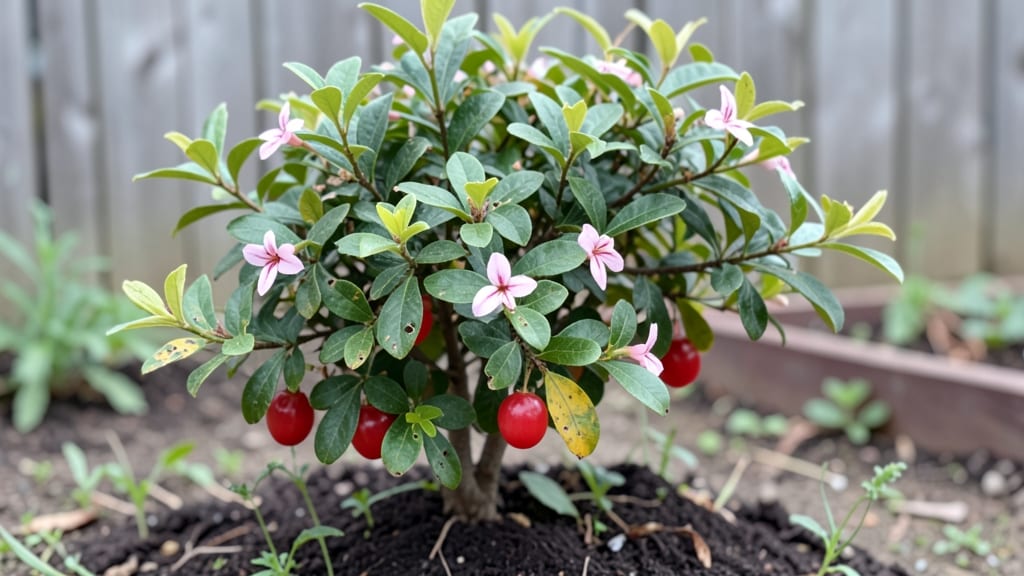
The care of an acerola cherry tree in the Pacific Northwest’s mild winters is easy—but frost still sneaks in here’s how to protect them while maximizing those vitamin C-packed fruits. 🌿 I’ve grown these tropical gems for five years, and the key isn’t just shielding them from cold snaps but creating the right conditions for lush growth and heavy harvests.
You’ll need well-draining soil (think sandy loam mixed with compost), a sunny spot getting at least 6-8 hours of light daily, and a way to shield roots from frost—whether that’s a thick mulch layer or a temporary greenhouse cover.
Pruning in late winter keeps the tree open to sunlight and air, while regular feeding with citrus-specific fertilizer ensures sweet, abundant cherries.
By summer, you’ll be harvesting clusters of bright red fruits—each one packed with 10x more vitamin C than oranges—while the glossy green leaves stay vibrant even through occasional chilly nights.
The tree’s compact size makes it perfect for containers too, so you can move it indoors when frost warnings hit.
This isn’t just about survival; it’s about turning your yard into a tropical oasis with year-round benefits. Let’s get those roots established and those branches loaded with fruit before the first frost arrives.
📚 In This Guide
- What you need
- Instructions
- Tips and common mistakes
- Wrapping up and next steps
What you need
- ● Frost-hardy acerola cherry tree: 1–3 Malpighia emarginata seedlings or nursery-grown plants (choose grafted varieties for better cold tolerance).
- ○ Optional: Container-grown trees (5–7 gallons) for mobility or urban gardening.
- ● Soil & Amendments: Well-draining potting mix (50% coconut coir, 30% perlite, 20% compost) for containers.
- ● Garden soil amended with compost (3–5 gallons per planting hole) and sand (for drainage).
- ● pH test kit (aim for 5.5–6.5; acerola cherries dislike alkaline soil!).
- ● Planting Supplies: 1 shovel (for digging holes).
- ● 1 trowel (for delicate root handling).
- ● 2–3 burlap sacks or old towels (to protect roots during transplanting).
- ● Mulch (3–4 inches of pine bark or straw to insulate roots).
- ● Watering & Frost Protection: 1 hose with spray nozzle or drip irrigation kit (for consistent moisture).
- ● Frost cloth (1–2 sheets, 30x50 inches) or row covers for young trees.
- ○ Optional: Heating mat (for container-grown trees in winter).
- ● Fertilizers & Pruning: Balanced fertilizer (10-10-10 or fish emulsion for organic growers).
- ● 1 pair of pruning shears (sterilized with rubbing alcohol).
- ● 1 hand pruner (for thicker branches).
- ○ Wound sealant (optional, for large pruning cuts).
- ● ✨ Cold frames or greenhouses (even small ones) extend the growing season and protect young trees from 20°F+ dips.
- ● 🌡️ Thermometer (soil and air) helps monitor frost risks—acerola cherries hate temps below 28°F.
- ● 🎯 Elevated containers (on cinder blocks or pallets) prevent root rot in heavy PNW winters.
Step-by-step guide to growing acerola cherry trees in the Pacific Northwest
Here’s how to nurture these tropical gems through our cooler climate—no greenhouses required.
🌱 Step 1: Select the Hardiest Variety and Planting Site
Start with a frost-resistant acerola variety like ‘Florida 44’ or ‘Florida 9,’ which tolerate brief dips to 28°F better than others. These thrive in USDA Zones 10-11, but with smart care, they’ll survive our PNW winters (Zones 7-9) when planted in sheltered microclimates—think south-facing slopes or near heat-retaining walls.
Choose a spot with full sun (6+ hours daily) and well-draining soil. Acerolas hate soggy roots, so amend heavy clay with 2-3 inches of compost and a 10% perlite/sand mix to improve aeration. I always test soil pH first—acerolas prefer 5.5-6.5. If yours runs acidic, add pulverized limestone at planting time.
🪴 Step 2: Plant with Winter Protection in Mind
Dig a hole twice as wide as the root ball but only as deep—planting too deep suffocates roots. Loosen the root ball slightly if it’s pot-bound, then place the tree so the graft union sits 1-2 inches above soil level. This prevents rot during wet winters.
Mulch heavily with 3-4 inches of wood chips, keeping mulch 6 inches away from the trunk to avoid moisture buildup. For extra frost protection, install a 10-gallon black plastic pot (cut in half) over the tree in late fall—it traps daytime heat and releases it slowly at night. Remove it in early spring before buds swell.
☀️ Step 3: Water Strategically Through Seasonal Shifts
Water deeply once weekly during the first growing season, aiming for 1-1.5 gallons per tree. Let the top 2 inches of soil dry between waterings—acerolas wilt fast if thirsty but rot just as quickly if overwatered. I use a soaker hose to deliver moisture slowly at the base, avoiding leaf wetness that invites fungal diseases.
In winter, reduce watering to every 2-3 weeks unless we get heavy rain. Overwatering in cold soil stresses roots and makes them vulnerable to frost damage. Watch for yellowing leaves—a sign of either drought or overwatering. Adjust based on soil moisture, not a calendar.
✂️ Step 4: Prune for Cold Hardiness and Fruit Production
Prune lightly in late winter (February) to shape the tree and remove dead wood. Focus on opening the canopy to improve airflow—acerolas are prone to mildew in dense foliage. Cut back overly vigorous shoots by ⅓ to redirect energy into root development, which helps them weather winter.
After fruiting season (late summer), do a light cleanup prune to remove spent fruit clusters and any branches growing toward the center. Avoid heavy pruning in fall—it stimulates new growth that won’t harden off before frost. Always sterilize pruners with rubbing alcohol between cuts to prevent bacterial spread.
⏰ Step 5: Winterize Gradually for Spring Success
Start acclimating the tree to cooler temps in October by reducing water and fertilizer. Stop all fertilizer applications by mid-October—new growth won’t harden off before winter. Wrap the trunk with tree wrap or burlap in late fall to protect it from sun scald (which cracks bark in winter).
Monitor for frost cracks in early spring—if you see splits, seal them with pruning sealant. Resume watering in early March once soil temps rise above 50°F, and apply a balanced 10-10-10 fertilizer at ¼ strength to stimulate gentle growth. This gradual wake-up prevents shock and sets the stage for a productive season.
Tips & tricks for perfect acerola cherry tree care
Growing acerola cherries in the Pacific Northwest takes some extra know-how, but these pro tips will help you keep your tropical tree thriving through our chilly winters.
Microclimate Selection: I can't stress enough how crucial this is—acerolas need that extra warmth. Look for spots where cold air settles less, like against a south-facing wall or near a heat-retaining structure. Even a slight difference in exposure can mean the difference between survival and thriving. I've seen trees planted just 10 feet apart with completely different winter outcomes!
Soil Preparation Secret: The 2-3 inches of compost and 10% perlite/sand mix isn't just about drainage—it's about creating the perfect air-to-soil ratio. I always add a handful of worm castings too (optional but game-changing) for that extra boost of beneficial microbes. This combo prevents both waterlogging and drought stress, which are acerola's biggest enemies.
Winter Protection Layering: That 10-gallon black pot trick is brilliant, but here's what nobody tells you—add a layer of bubble wrap around the pot before placing it over the tree. It creates an extra insulating air pocket that can make a 5-10°F difference in overnight temperatures. Just make sure to remove it completely by late February when buds start swelling.
Pruning Timing Nuance: The February prune is crucial, but what I've learned is that timing within that month matters too. Aim for the last week of February when daytime temps consistently reach 50°F. This gives your tree just enough energy to heal wounds before the next potential frost. I always sterilize my pruners with rubbing alcohol between each cut—this prevents bacterial spread that can weaken your tree.
Pro Tips for Acerola Cherry Tree Care
- Growing acerola cherries in the Pacific Northwest takes some extra know-how, but these pro tips will help you keep your tropical tree thriving through our chilly winters.
- Microclimate Selection: I can't stress enough how crucial this is—acerolas need that extra warmth.
- Soil Preparation Secret: The 2-3 inches of compost and 10% perlite/sand mix isn't just about drainage—it's about creating the perfect air-to-soil ratio.
Frequently asked questions
Got questions about growing your acerola cherry tree in the Pacific Northwest? You’re not alone! Here are some of the most common queries—plus straightforward answers to keep your tree thriving, even with our chilly winters.
How cold can acerola cherry trees tolerate?
Acerola cherries (Malpighia emarginata) are tropical natives, so they’re not frost-hardy—they’ll suffer damage below 30°F (-1°C). In the PNW, grow them in containers and bring them indoors (or to a garage) when temps drop. If planted in-ground, use heavy mulch and a frost cloth for extra protection.
How long does it take for an acerola cherry tree to bear fruit?
Patience is key! Most acerola trees take 2–3 years to bear fruit from seed, but grafted trees can produce in 1–2 years. Ensure they get full sun (6+ hours/day), well-draining soil, and regular watering to speed up fruiting. Bonus: Female flowers need cross-pollination—plant two trees for the best harvest!
Can I grow acerola cherries in pots instead of the ground?
Container growing
is ideal for the PNW’s climate—it lets you move trees indoors or to a sheltered spot during winter. Use a 5-gallon+ pot with drainage holes, a lightweight potting mix, and fertilize monthly in spring/summer. Just ensure the pot stays stable (they can get top-heavy!).
What pests or diseases should I watch for on acerola trees?
Common issues include:
- Spider mites (dry conditions) – Spray with water or neem oil.
- Whiteflies – Use yellow sticky traps or insecticidal soap.
- Root rot (overwatering) – Ensure pots drain well and avoid soggy soil.
- Fungal spots – Prune affected leaves and improve airflow.
What’s the best way to overwinter an acerola cherry tree in the PNW?
Here’s a quick checklist:
- Move indoors (garage, greenhouse, or sunny window) when temps hit 40°F (4°C).
- Reduce watering—let the top inch of soil dry out between waterings.
- Provide 4–6 hours of light daily (grow lights help if natural light is low).
- Prune lightly to remove dead branches before storing.
Wrapping up and next steps
Caring for your acerola cherry tree in the Pacific Northwest is entirely achievable with the right knowledge and preparation—especially when it comes to pruning for frost resilience!
By selecting the right variety, providing proper shelter, and mastering pruning techniques, you’ll set your tree up for vibrant growth and bountiful harvests. 🌱✨
Now that you’re equipped with the essentials, roll up your sleeves and get pruning! Start small, observe your tree’s progress, and adjust your approach as needed. Happy growing—and may your acerola cherries thrive! 🍒💚