
Pruning
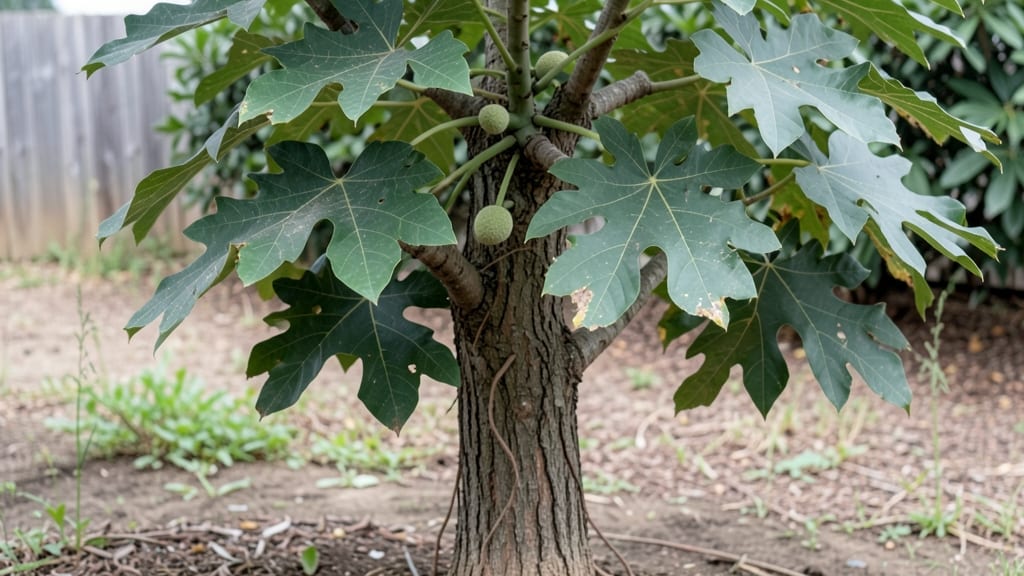
My breadfruit tree care routine starts with pruning—because a well-maintained tree rewards you with year-round harvests instead of just one seasonal glut. 🌱 I learned the hard way that skipping this step means fewer, smaller fruits and a tangled mess of branches that blocks sunlight from reaching the lower canopy.
The secret isn’t complicated: prune during the dry season (or late winter in frost-free zones) to avoid stressing the tree, and always use sterilized tools to prevent disease.
You’ll shape the tree into a manageable form while encouraging new growth where the fruit forms—those plump, starchy fruits you’ll harvest every 3-4 months.
By the time you’re done, your tree will look like a well-oiled machine: open enough for air circulation, sturdy enough to support heavy fruit, and ready to produce 50+ pounds of harvest per season. The best part? Those first few fruits after pruning taste sweeter than anything you’ve ever tried.
Works for container-grown trees too—just scale back the pruning intensity. Here’s how to do it right without killing your tree (or your enthusiasm).
📚 In This Guide
- What you need
- Instructions
- Tips and common mistakes
- Wrapping up and next steps
What you need
- ● Breadfruit sapling or grafted tree: Choose a healthy, disease-free specimen (1-3 years old for best results).
- ● Well-draining soil: Mix 2 parts topsoil, 1 part compost, and 1 part perlite/sand for optimal growth. pH: 6.0–7.5.
- ● Fertilizer: Balanced fertilizer (e.g., 10-10-10): 1 lb per tree, applied 3 times/year (spring, summer, fall).
- ● Organic options: Banana peel compost or worm castings (rich in potassium and micronutrients).
- ● Pruning tools: Pruning shears: Bypass type (for small branches, ¼"–½" cuts).
- ● Loppers: 10–12" bypass loppers (for branches ½"–2" thick).
- ● Pruning saw: Curved-tooth saw (for branches >2" thick).
- ● Disinfectant: 70% isopropyl alcohol or 10% bleach solution (to sterilize tools between cuts).
- ● Mulch: Wood chips or straw (2–3 inches deep, keep 6" away from trunk).
- ● Support stakes: 2–3 bamboo or wooden stakes (for young trees, 6–8 ft tall).
- ● Drip irrigation or hose: Soaker hose or micro-sprinkler (for consistent moisture).
- ● Tree tie straps: For securing young trees to stakes (avoid wire—it can damage bark!).
- ● Pesticides (organic): Neem oil or insecticidal soap (for pests like mealybugs or scale).
- ● Shade cloth: 30–50% coverage (for young trees in hot climates).
- ● Grafting tools: If propagating via grafting (knife, grafting tape, and grafting compound).
- ● Soil tester kit: To monitor pH and nutrient levels (especially in tropical soils).
Step-by-Step guide to pruning your breadfruit tree
Here’s how I keep my breadfruit tree thriving with simple, effective pruning for bigger harvests.
🌿 Step 1: Assess the Tree’s Structure and Health
Start by examining the tree’s branches for signs of disease, dead wood, or overcrowding. Breadfruit trees grow fast, so you’ll often find tangled growth competing for light and nutrients. Look for branches that cross or rub against each other—these are prime candidates for removal to prevent damage and improve airflow.
Use your hands to gently test branch strength. Healthy branches should feel firm and snap only when bent at sharp angles. If a branch feels soft or breaks easily, it’s likely dead or dying and should be pruned. I always carry a small notebook to sketch the tree’s shape before cutting—this helps me visualize the final structure.
✂️ Step 2: Remove Dead, Diseased, or Weak Branches
Begin with the easiest cuts: any branches that are brown, brittle, or show signs of fungal growth (like black spots or mold). Use clean, sharp pruning shears to make cuts just outside the branch collar—the swollen area where the branch meets the trunk. This ensures the tree seals the wound properly and reduces the risk of infection.
For larger branches, I use a pruning saw to avoid tearing the bark. Always cut at a slight angle to prevent water from pooling on the wound. If a branch is too thick to cut cleanly, make a second cut slightly farther out to avoid leaving a stub. I’ve learned the hard way that leaving stubs can trap moisture and invite rot.
☀️ Step 3: Thin Out Crowded or Crossing Branches
Breadfruit trees produce fruit on new growth, so you’ll want to prioritize branches that receive plenty of sunlight. Remove any branches that are growing inward or crossing others—this opens up the canopy and lets light reach the center of the tree. I aim to leave a clear path for sunlight to penetrate at least halfway to the trunk.
When thinning, don’t remove more than 25% of the tree’s foliage at once. Breadfruit trees are heavy producers, and sudden defoliation can stress the plant. Focus on branches that are thinner than a pencil first, then move to larger ones if needed. You’ll see new shoots emerge within 4-6 weeks as the tree responds to the pruning.
🌱 Step 4: Shape the Tree for Better Airflow and Fruit Production
Now’s the time to give your breadfruit tree its signature shape. I like to encourage a modified open-center form, where the main trunk rises 6-8 feet before branching out. This shape makes harvesting easier and reduces the risk of fruit rot by improving airflow. Use your pruners to trim back overly long branches to a strong lateral shoot or bud.
For trees with multiple trunks, thin out the weaker ones to leave just 2-3 strong stems. This directs the tree’s energy into fewer, healthier branches. Avoid heavy pruning in the last 3 months of the year—this is when the tree focuses on fruit production, and cutting back too much can reduce yields.
💧 Step 5: Clean Up and Monitor for New Growth
After pruning, rake up all the debris and dispose of it away from the tree to prevent pests or diseases from taking hold. I also apply a light layer of compost around the base to replenish nutrients lost during pruning. Water the tree deeply but avoid soaking the fresh cuts, as this can slow healing.
Keep an eye on the tree over the next 2-3 weeks for any signs of stress, like yellowing leaves or wilting. If you see new shoots forming at the base, that’s a good sign—the tree is responding well. I’ve found that breadfruit trees often reward pruning with bigger, healthier fruit in the following season, so patience pays off.
Tips & tricks for perfect breadfruit tree pruning
A few key strategies that'll transform your breadfruit tree into a productive powerhouse.
Timing Secret: The best time to prune breadfruit trees is during the dry season or early rainy season when the tree isn't actively fruiting. In tropical climates, aim for March-April or September-October—this gives the tree plenty of time to recover before the next harvest season. I've noticed that pruning during the fruiting season can actually reduce your yield, so timing matters more than you might think.
Equipment Tip: Always sterilize your pruning tools with rubbing alcohol or a bleach solution before and after use. Breadfruit trees are susceptible to fungal infections, and contaminated tools can spread disease between cuts. I keep a small bottle of 70% isopropyl alcohol in my toolkit—it's quick, effective, and prevents cross-contamination between trees. For larger branches, use a pruning saw with a fine-toothed blade to avoid tearing the bark.
Visual Cues: When assessing branch health in Step 1, look for these telltale signs: healthy bark should be smooth and greenish-gray, while dead branches often have cracked, flaky bark. Another trick is to scrape a small area with your fingernail—green underneath means it's alive, brown means it's dead. This simple test saves time and prevents unnecessary cuts. In Step 3, aim to create a "light tunnel" through the center of the canopy by removing crossing branches.
Recovery Strategy: After heavy pruning, consider applying a wound dressing made from beeswax and pine tar to larger cuts. This helps protect the tree from pests and diseases while the wound heals. I've found that trees pruned in the 4-6 week window before the rainy season show the best recovery rates. Monitor for new growth at the base—this is a positive sign that the tree is redirecting its energy to healthier branches.
Pro Tips for Breadfruit Tree Care
- A few key strategies that'll transform your breadfruit tree into a productive powerhouse.
- Timing Secret: The best time to prune breadfruit trees is during the dry season or early rainy season when the tree isn't actively fruiting.
- Equipment Tip: Always sterilize your pruning tools with rubbing alcohol or a bleach solution before and after use.
Frequently asked questions
Got questions about keeping your breadfruit tree thriving? Here are answers to the most common ones—so you can prune like a pro and enjoy those delicious harvests all year!
How often should I prune my breadfruit tree?
Prune your breadfruit tree once or twice a year, ideally during the dry season (late winter or early spring) or after a major harvest. Light maintenance (removing dead branches) can happen year-round, but avoid heavy pruning during fruiting seasons to protect your yield.
Can I prune breadfruit trees too much?
Yes! Over-pruning can stress the tree, reduce fruit production, and even harm its structure. Stick to removing only 20-30% of the canopy per year—focus on dead, diseased, or overcrowded branches. Always leave the central leader (main trunk) intact to maintain growth.
Will pruning affect my breadfruit harvest?
Pruning can boost harvests by improving airflow and sunlight penetration, but timing matters! Heavy pruning before flowering can delay fruit production. Prune after harvests to encourage new growth for the next cycle. Young trees (under 5 years) need minimal pruning—just remove dead wood.
What’s the best way to propagate breadfruit trees from cuttings?
Use semi-hardwood cuttings (6–12 inches long) from healthy, disease-free branches. Dip the cut end in rooting hormone, plant in moist potting mix, and keep in partial shade with high humidity. Roots typically form in 4–8 weeks. Transplant outdoors once established!
Why are my breadfruit leaves turning yellow or dropping?
Yellow leaves often signal overwatering, nutrient deficiency, or pests. Check for:
- Root rot: Ensure well-draining soil and avoid soggy conditions.
- Nutrient lack: Fertilize with balanced tropical fertilizer (high in potassium for fruit production).
- Pests: Inspect for mealybugs or scale insects—treat with neem oil if needed.
Wrapping up and next steps
Caring for a breadfruit tree is a rewarding journey that yields delicious, nutrient-rich harvests year-round! 🌱 With the right pruning techniques—like thinning branches, removing dead growth, and shaping for airflow—you’ll ensure a thriving tree that produces abundant fruit. Remember, consistency is key: regular maintenance keeps your tree healthy, productive, and safe for future harvests.
Now that you’re equipped with the know-how, roll up your sleeves and get pruning! Start small, observe your tree’s response, and adjust as needed. Before you know it, you’ll be enjoying homegrown breadfruit—nature’s perfect tropical treat. Happy gardening! 🌴✨