
Pruning
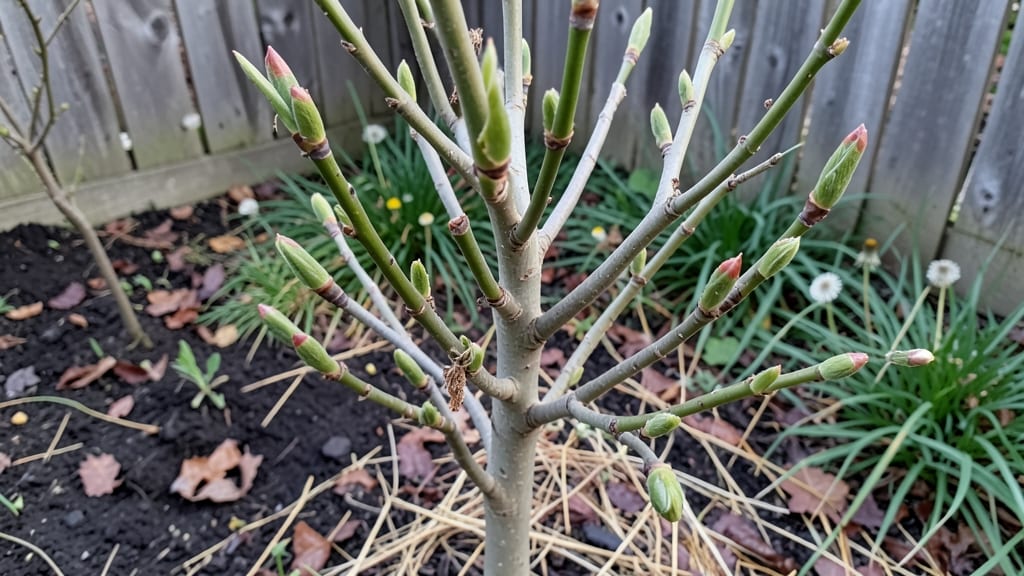
Maple tree spring buds are the first sign that winter’s grip is loosening—and handling them right means healthy growth all year. 🌿 I’ve watched my sugar maple’s buds swell from tight red clusters to fuzzy green explosions, and the difference between a thriving tree and a stressed one comes down to timing and care.
The moment those buds appear (usually in late winter or early spring, depending on your zone), they’re already competing for energy against last year’s growth.
Here’s the thing—maple trees are tough, but their buds are delicate. Prune too early, and you’ll encourage pests; too late, and you risk bleeding sap. The sweet spot is after the buds swell but before they burst, typically in late March or April in most climates.
Look for buds that are plump and ready to open, but still tightly closed—this is your window to shape the tree without stressing it.
When you do it right, you’ll see vibrant green leaves by summer, fewer pests, and a stronger structure. The tree will allocate energy to new growth instead of repairing old wounds, and you’ll avoid the messy sap leaks that turn your lawn into a sticky mess.
Even better? Healthy buds mean fewer diseases and stronger roots for next winter.
Cold-hardy varieties like sugar maples can handle late frosts, but if you’re in a warmer zone, watch for early bud break—it’s a sign to hold off on heavy pruning until after the last frost.
A quick check of last year’s growth patterns tells you where to focus, and a sharp pair of pruners keeps the work clean. This is where the magic happens.
📚 In This Guide
- What you need
- Instructions
- Tips and common mistakes
- Wrapping up and next steps
What you need
- ● Pruning shears: Bypass pruners (for small branches, ¼”–¾” thick)
- ● Loppers: For medium branches (¾”–2” thick)
- ● Pruning saw: For thick branches (2”+ thick)
- ● Disinfectant: 70% isopropyl alcohol or bleach solution (1 part bleach : 9 parts water) (to sterilize tools)
- ● Heavy-duty gloves: Cut-resistant or gardening gloves (for safety)
- ○ Extension pole: (Optional but helpful for high branches)
- ● 5-gallon bucket: For collecting debris
- ● Pruning sealant: (For large cuts to prevent disease)
- ● Tree wound dressing: (Controversial—skip if unsure!)
- ● Ladder: (Sturdy, with stabilizers for safety)
- ● Marking twine: (To flag branches for removal)
- ● Notebook & pen: (To track pruning notes)
Instructions for pruning maple tree spring buds
Here's how I ensure my maples grow strong and vibrant every season—timing and technique matter most.
⏰ Step 1: Time Your Pruning for Maximum Growth
Prune your maple tree during late winter or early spring, just as the buds begin to swell but before they break open. This is typically 4-6 weeks before your last frost date. Pruning at this stage encourages new growth while the tree still has stored energy from the previous season. You'll know it's the right time when you see those fat, plump buds along the branches—don't wait until leaves appear.
I avoid pruning in fall because it leaves wounds exposed to winter cold and pests. Waiting until late winter ensures the tree isn't stressed by winter dormancy. If you miss this window, you can still prune in early summer, but growth won't be as vigorous. The key is to work when the tree is ready to push new buds.
✂️ Step 2: Use the Right Tools and Technique
Grab your sharp pruning shears and a clean saw for larger branches. Dull tools crush branches, which slows healing and invites disease. Make cuts just outside the branch collar—the swollen area where the branch meets the trunk. This ensures the tree can seal the wound properly. For branches thicker than ½ inch, use a three-cut method to prevent bark from tearing.
Remove only 20-25% of the tree's branches at most. Over-pruning stresses the tree and can reduce flowering or fruit production. Focus on removing dead, diseased, or crossing branches first. You'll see healthy buds clustered along the remaining branches—that's your sign you're pruning correctly. Never remove more than a third of the foliage in one season.
🌿 Step 3: Encourage Healthy Bud Development
After pruning, step back and examine the tree's structure. You want an open canopy that allows sunlight to reach the inner buds. Thin out crowded branches to improve air circulation, which reduces humidity and fungal risks. If you notice any buds that look shriveled or blackened, remove those branches entirely—they won't produce healthy growth.
Water the tree deeply after pruning to help it recover. The roots need moisture to support new growth, especially if spring is dry. Mulch around the base with 2-3 inches of organic mulch to retain moisture and regulate soil temperature. Avoid piling mulch against the trunk—keep it 3-4 inches away to prevent rot.
☀️ Step 4: Monitor Growth and Adjust as Needed
Check your tree every 2-3 weeks after pruning to see how the buds are developing. Healthy buds will swell and turn green as leaves emerge. If you notice any buds drying out or falling off, it could mean the tree is stressed—either from too much pruning or environmental factors like drought. Adjust your watering or provide shade if needed.
If you see new shoots growing in the wrong direction (like upward instead of outward), you can gently guide them with a stake or prune them back in early summer. The goal is to maintain a balanced shape that lets sunlight reach all the buds. A well-pruned maple will have vibrant green leaves and strong branches by midsummer.
Tips & tricks for pruning maple tree spring buds
Timing and technique are everything when it comes to pruning maple trees—here's what I've learned after years of trial and error.
Timing Secret: The 4-6 week window before your last frost date is your sweet spot for pruning. I check my tree's buds every week starting in late February—when they're fat and plump like tiny green marbles, that's your cue. Waiting until leaves appear means you've missed the optimal growth window. Real talk: I once pruned too late in spring and noticed significantly less vigorous growth that season.
Tool Technique: Sharp tools are non-negotiable. I invest in high-quality pruning shears that cut cleanly through branches up to ½ inch thick. For anything larger, my clean saw makes quick work without tearing the bark. Here's what nobody tells you—dull tools crush the branch fibers, which slows healing and creates larger wounds that attract pests. I always clean my tools with rubbing alcohol between cuts to prevent disease spread.
Pruning Strategy: When removing branches in Step 2, aim to maintain that open canopy structure. I like to visualize sunlight streaming through the branches—this ensures inner buds get proper light for healthy growth. Focus on removing branches that are crossing, dead, or diseased first. You'll know you're doing it right when you see clusters of healthy buds along the remaining branches. Between us, I've learned that removing more than 25% of branches stresses the tree unnecessarily.
Recovery Care: After pruning, water deeply to help the tree recover. I use a soaker hose for 30 minutes to ensure moisture reaches the roots. The 2-3 inches of organic mulch I add helps regulate soil temperature and retain moisture, but I always keep it 3-4 inches away from the trunk to prevent rot. This simple step makes a huge difference in how quickly the tree recovers and begins new growth.
Pro Tips for Maple Tree Spring Buds
- Timing and technique are everything when it comes to pruning maple trees—here's what I've learned after years of trial and error.
- Timing Secret: The 4-6 week window before your last frost date is your sweet spot for pruning.
- Tool Technique: Sharp tools are non-negotiable.
Frequently asked questions
Got questions about maple tree spring buds and pruning?
You’re not alone! Here are some of the most common concerns—and straightforward answers—to help you care for your tree with confidence.
When is the best time to prune maple tree buds in spring?
The ideal window is late winter to early spring (before buds swell but after severe cold snaps). For maples, prune when the tree is still dormant but the weather is mild—typically February to March in most regions. Avoid pruning during active sap flow (late winter) to prevent heavy bleeding.
Why do my maple tree buds look shriveled or deformed?
Shriveled or deformed buds could signal disease, pests, or winter damage. Check for signs like holes (borers), mold (anthracnose), or dried sap. If buds are brown and mushy, it’s likely bud blight. Prune affected branches 12 inches below the damage and sterilize tools with rubbing alcohol to prevent spread.
Can I prune maple trees in spring if I missed the dormant season?
Yes! Summer pruning (June–August) is fine for maples, but avoid heavy cuts during peak sap flow. Focus on removing dead, diseased, or crossing branches—just be mindful of sap bleeding. If you’re unsure, a light pruning in late spring (after leaves emerge) is safer than no pruning at all.
Should I remove all small buds from my maple tree?
No—never remove all buds! Maple trees rely on buds for next year’s growth. Instead, prune to open the canopy by cutting back only:
- Dead or dying branches
- Water sprouts (vertical, fast-growing shoots)
- Crossing or rubbing branches
- Branches growing toward the center
How do I stop sap from bleeding after pruning?
Sap bleeding is normal but messy! To minimize it:
- Prune on cool, dry days (not warm or rainy).
- Use clean, sharp tools to avoid tearing bark.
- Apply pruning sealant (like Tanglefoot) to cuts larger than ½ inch.
- Water the tree deeply after pruning to reduce stress.
Wrapping up and next steps
Watching your maple tree spring buds burst into life is one of spring’s greatest joys—and with the right pruning know-how, you’re well on your way to fostering a thriving tree year-round! 🌱 Remember to prune during dormancy, use sharp tools, and prioritize healthy growth over perfection.
A little effort now means lush foliage, vibrant colors, and fewer pests or diseases later.
Ready to put your skills to the test? Grab your tools and schedule a session on a calm day this spring! Whether you’re a first-timer or a seasoned gardener, every cut counts toward a stronger, more beautiful maple tree. Happy pruning! ✂️🌳