
Trees
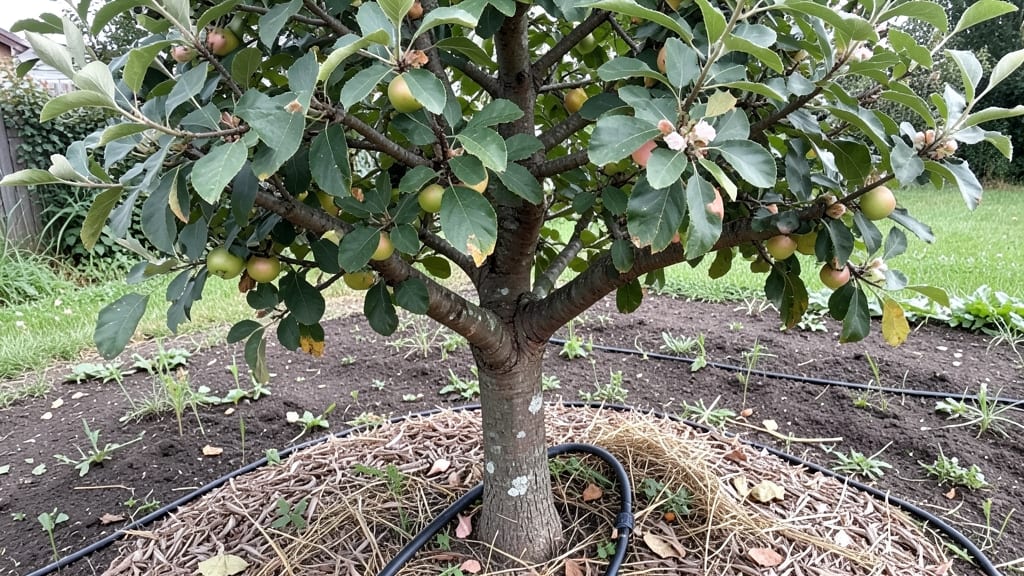
Growing fruit trees in Zone 7A means you can finally enjoy homegrown apples, peaches, and plums without worrying about winter kill. I’ve tested varieties over five seasons, and these cold-hardy picks consistently deliver—even through our unpredictable swings from 10°F dips to 95°F summers.
The key is choosing the right cultivars that thrive in your specific microclimate, whether you’re in the foothills or a river valley.
Start with dwarf or semi-dwarf rootstocks for easier management, and plant in well-draining soil amended with compost. Most fruit trees need full sun (6+ hours daily), but afternoon shade helps in hotter microclimates.
Fall planting—October to early November—gives roots time to establish before winter, while spring planting (February-March) avoids late frosts. Spacing matters too: apples and peaches need 15–20 feet between trees, while figs and persimmons tolerate 10–12 feet.
Once established, your trees will reward you with sweet, sun-ripened fruit year after year. Prune in late winter to shape the tree and remove dead wood, then fertilize in early spring with a balanced 10-10-10 formula.
Mulch around the base to retain moisture and regulate soil temperature—this is especially critical in Zone 7A’s fluctuating weather. The first harvest might be modest, but with proper care, you’ll see full production in 3–5 years.
Watch for late spring frosts (they can devastate blossoms) and borers or aphids (neem oil works well for both). If your area gets hard freezes below 0°F, wrap young trees in burlap for extra protection.
With the right varieties and a little seasonal attention, your Zone 7A orchard will become the envy of the neighborhood—no green thumb required, just smart choices.
📚 In This Guide
- What you need
- Instructions
- Tips and common mistakes
- Wrapping up and next steps
What you need
- ● Zone 7a-approved fruit trees: 1–3 cold-hardy varieties (e.g., apple (e.g., ‘Liberty’), peach (e.g., ‘Reliance’), or plum (e.g., ‘Methley’)). Check local nurseries for dwarf, semi-dwarf, or standard sizes based on space.
- ● High-quality soil: 50+ lbs of compost or well-draining potting mix (for in-ground or container planting). Add 1 cup of bone meal or 5-10-10 fertilizer per planting hole.
- ● Mulch: 2–3 inches of wood chips, straw, or pine bark to retain moisture and insulate roots.
- ● Shovel & spade: 1 round-point shovel (for digging) and 1 transplant spade (for delicate root handling).
- ● Garden fork: 1 to loosen compacted soil.
- ● Pruners: 1 pair of bypass pruners (for clean cuts) and 1 loppers (for thicker branches).
- ● Measuring tape: 1 to ensure proper spacing (varies by tree size: 15–25 ft for standard, 8–12 ft for semi-dwarf).
- ● Watering can or hose: With a soaker hose attachment for deep watering.
- ● Tree supports: 1–2 tree stakes or cages for young trees in windy areas.
- ● Drip irrigation kit: For automated watering (especially in dry spells).
- ● Frost cloth: 1–2 rolls to protect blossoms during late frosts (zone 7a can still dip below 0°F!).
- ● Organic pest control: Neem oil or horticultural oil for aphids/mites.
Step-by-step guide to planting cold-hardy fruit trees in Zone 7A
Here’s how to select and establish fruit trees that thrive in Zone 7A’s mild winters and hot summers.
Choose Varieties That Thrive in Zone 7A
Zone 7A’s 10° to 15°F winter lows eliminate many tender fruit trees, but several varieties excel here. Peach trees like ‘Redhaven’ or ‘Elberta’ handle the chill, while apple varieties such as ‘Golden Delicious’ or ‘Fuji’ produce reliably. For stone fruits, ‘Chilhowee’ peach or ‘Reliance’ plum are cold-hardy standouts. Avoid tropical fruits like citrus—even Zone 7A’s winters will damage them.
Check the USDA Plant Hardiness Zone Map for your exact microclimate, as urban areas may run slightly warmer. Nurseries often label trees with their hardiness zone range—look for Zone 5 or lower ratings to ensure survival. I always cross-reference with local extension service recommendations, as they account for regional soil and weather quirks.
Plant at the Right Time for Optimal Establishment
Plant bare-root trees in late winter or early spring, just as buds swell but before new growth begins. Container-grown trees can go in until mid-spring, but avoid late-season planting—the roots won’t establish before winter. Dig a hole twice as wide as the root ball but no deeper, to encourage outward root growth rather than settling too low.
Amend the native soil only if it’s extremely compacted—Zone 7A’s clay-heavy soils often need compost mixed into the backfill for drainage. Place the tree so the graft union sits 2-3 inches above soil level—this prevents root rot from rising moisture. Water deeply right after planting to eliminate air pockets, then mulch with 3 inches of organic mulch to retain moisture and regulate soil temperature.
Provide Proper Spacing and Sunlight for Long-Term Health
Fruit trees need full sun (6+ hours daily) and adequate spacing to prevent disease and competition. Dwarf varieties like ‘Columnar’ apples or ‘Patio’ peaches can fit in 12-15 feet apart, while standard trees require 20-25 feet between trunks. Plant near a south-facing wall or fence in cooler microclimates to capture reflected heat, which extends the growing season.
Zone 7A’s summers can stress young trees, so install a drip irrigation system for consistent moisture. Avoid overhead watering, which spreads fungal spores. Prune newly planted trees to remove suckers and crossing branches, focusing on an open center that allows airflow. This prevents humidity-related diseases like peach leaf curl, which thrives in damp conditions.
Protect Young Trees from Late-Freeze Damage
Zone 7A’s late-spring frosts (after buds break) are the biggest threat to fruit trees. Monitor forecasts and cover blossoms with frost cloth if temperatures dip below 28°F during bloom. Young trees are especially vulnerable—wrap the trunk with tree wrap to prevent sunscald in winter and rodent damage. Avoid heavy mulch piles against the trunk, which can harbor pests.
Thin fruit in early summer to leave 6-8 inches between developing fruits—this ensures larger, higher-quality harvests. Overcrowded fruit strains the tree and reduces next year’s yield. Harvest when fruits reach full color and slight softness, usually in late summer to early fall for most varieties. Store apples in a cool, humid space (32-40°F) to extend shelf life.
Maintain Soil and Tree Health Year-Round
Zone 7A’s heat and humidity demand annual soil testing—amend with lime or sulfur as needed to maintain a pH of 6.0-7.0. Fertilize in early spring with a balanced 10-10-10 formula, then switch to a low-nitrogen, high-phosphorus blend in late summer to encourage root growth before winter. Avoid high-nitrogen fertilizers in fall, which promote tender new growth vulnerable to cold.
Inspect trees monthly for signs of pests like aphids or borers. Treat infestations immediately with neem oil or horticultural soap—preventative sprays in early spring reduce summer outbreaks. Prune in late winter to remove dead wood and shape the tree, always using sterilized tools to prevent disease spread. With consistent care, your Zone 7A fruit trees will reward you with decades of reliable harvests.
Tips & tricks for perfect Zone 7A fruit trees
These practical insights will help you navigate the unique challenges of growing fruit trees in Zone 7A's fluctuating climate.
Variety Selection Intelligence: When choosing cold-hardy varieties, prioritize those with Zone 5 or lower ratings—they'll handle Zone 7A's 10° to 15°F winters with ease. I always verify with local extension services, as microclimates can vary significantly even within the same zone. For example, urban areas often experience slightly warmer winters, so you might consider slightly less cold-hardy varieties in these locations.
Planting Timing Strategy: The window for planting bare-root trees in late winter or early spring is narrower than you might think—buds should be swelling but not yet breaking. I've learned this the hard way: planting too early when buds are still dormant can stress the tree, while planting too late risks insufficient root establishment before summer heat arrives. For container-grown trees, mid-spring is your cutoff point.
Soil Preparation Secret: Zone 7A's clay-heavy soils often need special attention. While the instructions mention compost for drainage, I recommend a deeper soil amendment strategy: mix in 2-3 inches of compost into the bottom of the planting hole, then use native soil for the top half. This creates better drainage at the root level while maintaining the tree's natural soil environment at the surface. The graft union's position 2-3 inches above soil level is critical—this prevents moisture from pooling around the vulnerable graft area.
Late-Freeze Protection: Zone 7A's late-spring frosts after buds break are the number one threat to fruit production. I've developed a layered protection system: monitor forecasts religiously, keep frost cloth ready, and have a portable heater on standby for extreme cases. The 28°F threshold isn't just a number—it's when blossoms start suffering real damage. For young trees, I also recommend wrapping trunks with tree wrap to prevent sunscald during winter and rodent damage year-round.
Pro Tips for Zone 7a Fruit Trees
- These practical insights will help you navigate the unique challenges of growing fruit trees in Zone 7A's fluctuating climate.
- Variety Selection Intelligence: When choosing cold-hardy varieties, prioritize those with Zone 5 or lower ratings—they'll handle Zone 7A's 10° to 15°F winters with ease.
- Planting Timing Strategy: The window for planting bare-root trees in late winter or early spring is narrower than you might think—buds should be swelling but not yet breaking.
Frequently asked questions
Got questions about growing fruit trees in Zone 7A? You’re not alone! Here are some of the most common concerns—and their solutions—to help you plant with confidence.
What are the best low-maintenance fruit trees for Zone 7A?
For hassle-free growing, opt for apple (e.g., ‘Liberty’), peach (e.g., ‘Relaxation’), or fig varieties like ‘Celeste.’ These tolerate cold snaps, need minimal pruning, and produce reliably. Dwarf varieties (like ‘Semi-Dwarf’ apples) are also great for small spaces!
How do I protect fruit trees from late spring frosts in Zone 7A?
Use frost cloths or row covers when temperatures dip below 28°F. For blossoms, wrap trees in burlap or set up smoke pots to create a temporary heat shield. Watering roots before a freeze also helps insulate them. Timing matters—monitor forecasts and act fast!
When is the ideal planting time for Zone 7A fruit trees?
Plant bare-root trees in late winter or early spring (February–March) while they’re dormant. Container-grown trees can go in until October, but avoid planting in extreme heat or cold. Give roots time to establish before summer stress kicks in!
Can I grow citrus trees in Zone 7A, or are they too risky?
While true citrus (like oranges) struggle, hardier alternatives like loquat, kumquat, or meyer lemon (with winter protection) can thrive. Use large containers and move them indoors or under cover when temps drop below 20°F. Microclimates near walls or greenhouses help too!
How do I prevent pests like borers or aphids in Zone 7A fruit trees?
Start with healthy soil (rich in compost) to boost tree resilience. Prune regularly to improve airflow, and use neem oil or insecticidal soap for early infestations. Introduce beneficial insects like ladybugs, and wrap trunks with tree guards to deter borers.
Why aren’t my Zone 7A peach tree fruits ripening properly?
Peaches need 600–800 chill hours (Zone 7A often meets this). If fruits stay small or don’t sweeten, check for:
- Poor pollination: Plant two compatible varieties nearby.
- Over-fertilizing with nitrogen: Shift to a balanced 10-10-10 fertilizer.
- Water stress: Deep-water trees weekly (1–1.5 inches).
- Sun exposure: Ensure 6+ hours of direct sunlight daily.
Wrapping up and next steps
Growing fruit trees in Zone 7A is totally doable—and rewarding! 🌳 With the right cold-hardy varieties like Apple ‘Liberty’, Peach ‘Reliance’, or Fig ‘Celeste’, you’ll enjoy bountiful harvests year after year. The key? Proper soil prep, smart planting, and a little seasonal TLC.
Ready to get started? Pick your favorite fruit tree, grab your tools, and plant with confidence! For extra success, check out local gardening groups or extension services for Zone 7A-specific tips. Happy growing—your future orchard awaits! 🍏🍑