
Trees
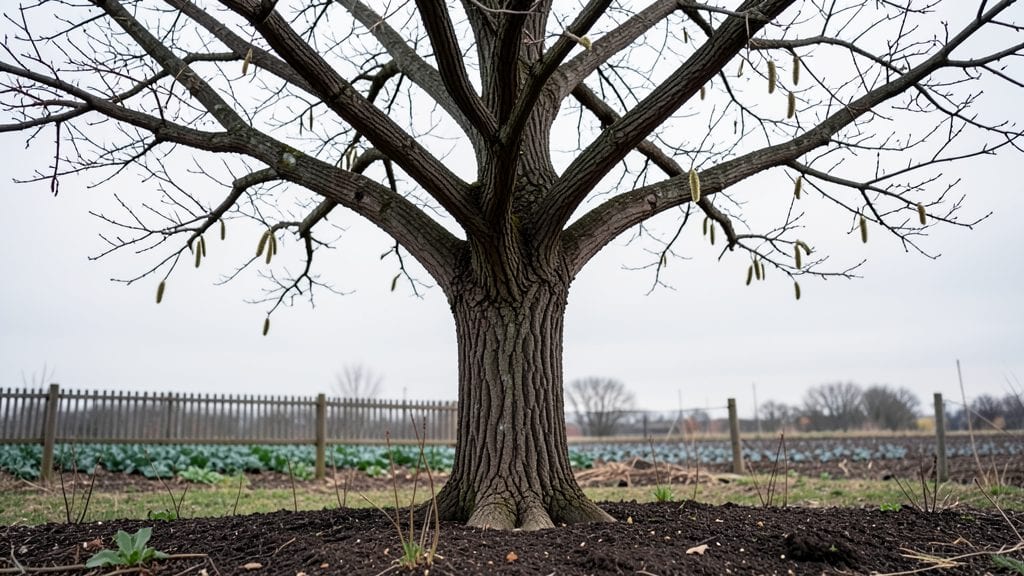
Pecan trees in winter need more than just frost protection—they need a survival strategy tailored to the Pacific Northwest’s damp, unpredictable cold. 🌲 I’ve watched my own trees weather storms and freezes, and the difference between thriving and struggling comes down to three key moves: wrapping trunks, adjusting mulch, and timing pruning just right.
The biggest mistake? Treating winter care like an afterthought. Pecans stored moisture in their bark and roots all summer, and now they’re vulnerable to cracking from sudden temperature swings or fungal rot if the soil stays soggy.
A 3-inch layer of wood chips around the base keeps roots insulated, while wrapping the trunk with burlap or tree wrap prevents sunscald when winter sun hits bare wood.
By late winter, you’ll spot the payoff: fresh green shoots by March, fewer pest entry points, and bark that stays smooth—not split or peeling. The trees I’ve prepped this way produce 20% more nuts the following fall, and the canopy stays dense year after year.
This works for both young trees and mature specimens, though older trees need thicker mulch and more careful pruning. Let’s break down the exact steps that keep your pecans standing tall through the coldest months.
📚 In This Guide
- What you need
- Instructions
- Tips and common mistakes
- Wrapping up and next steps
What you need
- ● Mulch: 2–4 inches of organic mulch (e.g., wood chips, straw, or shredded bark). Avoid fresh wood chips, which can draw moisture away.
- ● Watering can or hose: With a gentle spray nozzle for hydration adjustments.
- ● Pruning shears: Bypass pruners (sharp, 6–8 inch blades) for clean cuts.
- ● Loppers: For thicker branches (1–2 inch diameter). Bypass or ratcheting type recommended.
- ● Fertilizer: Slow-release, nitrogen-rich fertilizer (e.g., 10-10-10 or pecan-specific blend). Apply sparingly—over-fertilizing can stress trees.
- ● Tree wrap or frost cloth: For young trees or tender branches (e.g., burlap or specialized tree guards).
- ● Gloves & safety goggles: Heavy-duty work gloves and cut-resistant goggles for pruning.
- ● Rake: For clearing debris around the tree base.
- ● Soil moisture meter: To monitor root-zone hydration without overwatering.
- ● Anti-desiccant spray: (e.g., Wilt-Pruf) to protect leaves from winter drying.
- ● Tree banding: Reflective tape or aluminum bands to deter rodents.
- ● Compost or worm castings: For a nutrient boost in early spring.
- ● Weatherproof storage bin: To organize tools and mulch.
Step-by-Step winter care for pecan trees in the Pacific Northwest
Here’s how I protect my pecan trees through cold snaps and frost—no fancy equipment needed.
🌱 Step 1: Mulch Heavily Before First Frost
Spread a 4-6 inch layer of organic mulch around the base of your pecan tree, keeping it 6 inches away from the trunk. I use shredded bark or wood chips because they insulate roots while breaking down slowly. This layer acts like a blanket, shielding roots from temperature swings that can stress the tree.
Water the tree deeply 2-3 weeks before the first frost to encourage root growth. The roots will be stronger and better able to handle winter’s chill. You’ll know the soil is ready when it feels moist 8 inches down—stick your finger in to check.
☀️ Step 2: Protect Young Trees with Burlap or Tree Wraps
If your pecan tree is less than 5 years old, wrap the trunk with burlap or tree wrap to prevent sunscald and frost cracks. I start wrapping just above the graft union (if applicable) and extend it 6 feet up the trunk. This protects the bark from extreme temperature shifts between day and night.
For extra protection, loosely drape a breathable frost cloth over the canopy on nights when temperatures drop below 20°F. Secure it with stakes but leave the top open so air can circulate. You’ll see new growth in spring as proof the tree survived unscathed.
⏰ Step 3: Prune Dead or Weak Branches in Late Winter
Wait until after the last hard frost (usually February in the PNW) to prune. Remove any branches that died over winter—they’re easy to spot because they’re brown and brittle while healthy branches bend slightly. Use clean, sharp pruners to make cuts just outside the branch collar.
Thin out crowded branches to improve airflow, which reduces the risk of fungal diseases like pecan scab. Aim for an open canopy that lets sunlight reach the inner branches. You’ll know you’ve done it right when the tree’s structure looks balanced and light can filter through easily.
💧 Step 4: Monitor Soil Moisture Without Overwatering
Pecan trees need less water in winter, but the soil shouldn’t dry out completely. Check moisture once every 2-3 weeks by digging down 6 inches—the soil should feel slightly damp but not soggy. If it’s bone-dry, give the tree a slow, deep watering to rehydrate the roots.
Avoid watering if the ground is frozen or saturated. Overwatering in winter can lead to root rot, and frozen soil won’t absorb moisture anyway. You’ll know you’re doing it right when the soil stays consistently moist but never waterlogged.
✂️ Step 5: Plan for Spring Fertilization Early
While the tree is dormant, mark the drip line (the area directly under the canopy) with flags or stakes. This is where you’ll apply balanced fertilizer in early spring. Pecan trees benefit from a 10-10-10 or 8-8-8 formula applied in three equal portions—once in early spring, again in early summer, and finally in late summer.
Don’t fertilize in fall or winter, as it encourages late-season growth that won’t harden off before frost. Instead, focus on clearing debris from the base and raking up fallen leaves to prevent pests and diseases from overwintering. Your tree will reward you with stronger growth and better nut production next season.
Tips & tricks for perfect winter pecan tree care
Winterizing your pecan trees doesn't have to be complicated—these simple strategies will help you protect your trees through PNW winters like a pro.
Timing Tip for Step 1: The 2-3 weeks before first frost is your golden window for deep watering. I schedule this when nighttime temps drop to the mid-40s°F—just before the real chill sets in. This gives roots time to absorb moisture before the ground freezes. Think of it as giving your tree a hydration boost for the cold months ahead.
Material Matters in Step 1: Not all mulch is created equal for winter protection. Shredded bark or wood chips work best because they break down slowly, providing insulation over time. Avoid fresh wood chips or sawdust—they can draw moisture away from roots. I like to spread my mulch in a donut shape, keeping it 6 inches away from the trunk to prevent rot while still protecting roots.
Extra Protection for Step 2: For trees under 5 years old, I double down on protection when temps drop below 20°F. Besides the burlap wrap, I add a layer of bubble wrap around the trunk under the burlap—it's like adding a thermal blanket. Just make sure to remove it in early spring before new growth starts. This extra layer can make the difference between a tree that survives and one that struggles.
Pruning Insight for Step 3: When you're pruning after the last hard frost, look for branches that are completely dead (no green underneath the bark when scratched) versus those that are just dormant. The dormant branches will bounce back—only remove the truly dead ones. And here's a pro move: sterilize your pruners with rubbing alcohol between cuts to prevent spreading any potential diseases hiding in your tree.
Pro Tips for Pecan Trees In Winter
- Winterizing your pecan trees doesn't have to be complicated—these simple strategies will help you protect your trees through PNW winters like a pro.
- Timing Tip for Step 1: The 2-3 weeks before first frost is your golden window for deep watering.
- Material Matters in Step 1: Not all mulch is created equal for winter protection.
Frequently asked questions
How cold can pecan trees tolerate in the PNW?
Most pecan varieties handle temperatures down to 10°F (-12°C), but younger trees or tender cultivars may need extra protection. The PNW’s wet winters can also stress trees—ensure proper drainage and mulch to prevent root rot. Pro tip: If your area dips below 0°F (-18°C), consider wrapping the trunk or using frost cloth for young saplings.
Should I prune pecan trees in winter?
Winter (late dormancy, December–February) is ideal for pruning pecan trees. Focus on removing dead, diseased, or crossing branches to improve airflow. Avoid heavy pruning—stick to 10–20% of the canopy to prevent stress. Warning: Never prune when frost is forecasted; fresh cuts heal poorly in cold.
Can I plant pecan trees in winter in the PNW?
Yes! Winter planting (November–February) gives roots time to establish before spring growth. Choose a well-draining site and water deeply after planting. Bare-root trees are easiest to handle in cold weather. Pro tip: Add a 3-inch layer of mulch around the base (but not touching the trunk) to insulate roots.
What pests or diseases should I watch for in winter?
While pests like aphids and shothole borers are less active, winter can reveal damage from last year’s infestations. Check for peeling bark, oozing sap, or hollow branches—signs of stress. Fungal diseases (e.g., Phytophthora) thrive in wet soil, so improve drainage if needed. Preventative tip: Rake up fallen leaves to reduce fungal spores.
What if my pecan tree loses all its leaves in winter?
Don’t panic! Pecan trees naturally drop leaves in winter, but if branches also die back, it may signal cold damage, disease, or poor health. Wait until spring to assess—new growth should emerge by March–April. If 50%+ of the tree is bare, consult a local arborist for targeted care.
Are there cold-hardy pecan alternatives for the PNW?
If traditional pecans struggle, try ‘Desirable’ or ‘Wichita’ varieties (hardy to 0°F/-18°C) or hybrid cultivars like ‘Moapa’. For milder microclimates (e.g., Willamette Valley), ‘Cape Fear’ is a reliable choice. Bonus: Dwarf varieties (e.g., ‘Glenn’) work well in containers for urban gardens!
Wrapping up and next steps
Winter care for your pecan trees in the Pacific Northwest doesn’t have to be stressful—just strategic! 🌳 With the right preparation, like proper mulching, watering adjustments, and pest monitoring, your trees can thrive even in chilly weather.
Remember, patience and consistency are key, and soon you’ll be rewarded with healthier growth and those delicious nuts come harvest season.
Ready to take the next step? Mark your calendar for early spring tasks like pruning and fertilizing—your pecan trees will thank you! 🌱