
Pruning
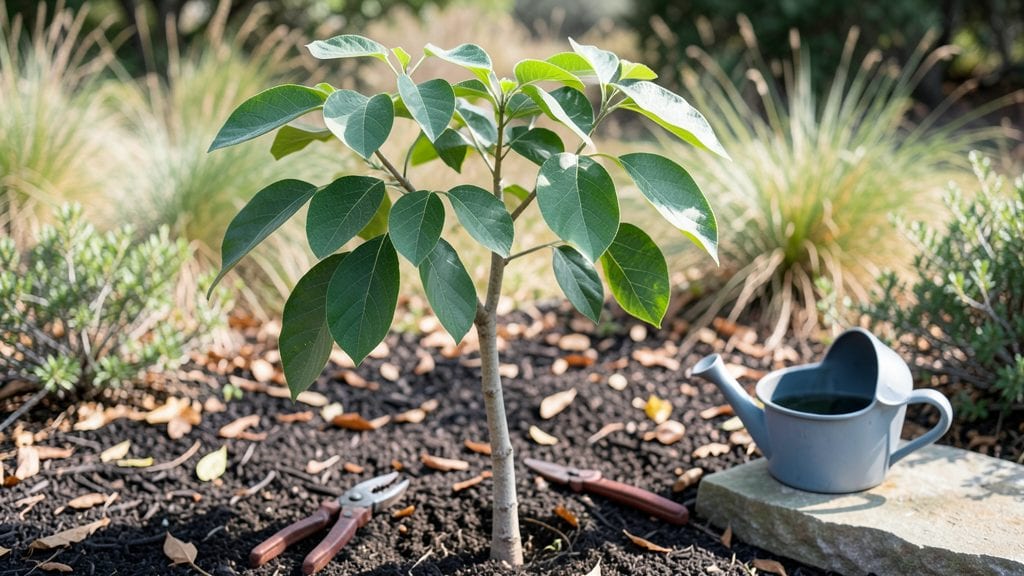
Your young pawpaw tree thrives in the Pacific Northwest—but only if you prune it right. 🌱 I’ve watched these delicate trees survive our damp winters and burst into leaf with spring’s first warmth, and the secret lies in strategic cuts that protect tender wood.
The wrong approach leaves them vulnerable to frost damage or weak growth, while the right technique turns them into sturdy producers of those custard-like fruits.
Most gardeners overlook pawpaws because they think they’re high-maintenance, but they’re actually forgiving once you understand their growth habits. Young trees need open centers to let light and air circulate, and their branches should be thinned to prevent winter dieback.
Start with clean tools, sharp pruners, and a clear goal: shape the tree while preserving its natural form. Even a small tree benefits from this approach.
By late winter, you’ll see the difference—stronger branches that resist frost cracks and a framework ready to support next season’s fruit. The key is timing: prune just before buds swell, and you’ll encourage vibrant new growth without stressing the tree.
With these cuts, your pawpaw will reward you with glossy leaves and, eventually, those prized fruits.
This method works for both container-grown trees and those planted in the ground, making it adaptable to small yards or larger gardens. The Pacific Northwest’s climate demands extra care, but the payoff is worth it—a tree that not only survives but thrives in our chilly, rainy winters.
📚 In This Guide
- What you need
- Instructions
- Tips and common mistakes
- Wrapping up and next steps
What you need
- ● Pruning shears: Sharp, bypass-style shears (for cuts up to ½ inch thick). Example: Felco F-2 or Corona Tools Classic.
- ● Loppers: Bypass loppers for branches ½–1½ inches thick (e.g., Fiskars PowerGear or Corona Pro).
- ● Hand saw: Pruning saw with a curved blade for thicker branches (1½+ inches). Tip: Look for one with a non-slip grip for safety!
- ● Disinfectant: 70% isopropyl alcohol or a 10% bleach solution (1 part bleach to 9 parts water) to sterilize tools between cuts.
- ● Gloves: Heavy-duty gardening gloves (e.g., Mechanix Wear or Fox River) to protect against thorns and sap.
- ● Rubbing alcohol or hand sanitizer: For cleaning hands after handling sap (pawpaw sap can irritate skin!).
- ● Pruning sealant: Tree wound paint (e.g., Tanglefoot Tree Wound Pruning Seal) to coat larger cuts (though many experts debate its necessity—skip if you prefer minimal intervention!).
- ● Tarp or drop cloth: To collect debris and protect nearby plants or lawn areas.
- ● Notebook & pen: For jotting down notes on branch angles, growth patterns, or frost-damaged areas.
- ● Extension pole: If your tree is tall, a 10–12 ft. pole saw (e.g., Fiskars X27) can help reach higher branches safely.
- ● Best time to prune: Late winter or early spring (just before buds swell), or immediately after frost damage (if pruning for recovery). Avoid pruning in fall—this can stimulate new growth vulnerable to frost.
- ● Weather check: Prune on a dry, calm day (no rain forecast for 24 hours) to prevent fungal infections.
- ● Tree age/size: For young pawpaw trees (1–3 years old), focus on shaping and removing dead/diseased wood. Mature trees may need heavier pruning.
- ● Safety first: Wear closed-toe shoes and avoid pruning near power lines or in wet conditions.
Instructions for pruning a young pawpaw tree in the Pacific Northwest
Here’s how I shape young pawpaw trees to survive our chilly winters and thrive in our damp climate.
✂️ Step 1: Identify and Remove Dead or Damaged Branches
Start by examining your tree for any branches that are brown, brittle, or showing signs of disease—common after our wet winters. Use sharp pruning shears to cut these back to healthy green tissue, making the cut just above a bud or lateral branch. This prevents disease from spreading and encourages new growth.
If a branch is completely dead, remove it entirely at the base. Pawpaws are forgiving, but leaving dead wood invites pests and weakens the tree. I always prune on a dry day—wet branches can tear, leaving ragged cuts that heal poorly.
🌱 Step 2: Thin the Canopy for Better Airflow
Young pawpaws grow fast, and their dense foliage traps moisture, which leads to fungal issues in our humid climate. Aim to remove one-third of the weakest or crossing branches, focusing on those growing inward or rubbing against others. Use clean shears to make cuts at a 45-degree angle just outside the branch collar.
This step is about balance—you want sunlight to reach the center of the tree. I like to step back every few cuts to visualize the shape. If the tree looks lopsided, remove branches from the thicker side to encourage even growth.
☀️ Step 3: Prune for Frost Resistance
In the PNW, frost can damage tender new growth, so I prune to encourage a sturdy structure. Cut back any water sprouts—those fast-growing, vertical shoots that pop up everywhere. They’re weak and prone to frost damage. Also, shorten overly long branches by one-third to make them shorter and stockier.
This is where timing matters: late winter or early spring, just before buds swell but before new growth starts. Avoid pruning in fall—you’ll stimulate fresh growth that won’t harden off before winter.
🪴 Step 4: Shape for Long-Term Health
Now’s the time to guide the tree’s shape. Pawpaws naturally grow as small trees or large shrubs, so I prune to maintain an open center. Remove any branches growing straight upward—these are prone to frost damage and don’t bear fruit well. Instead, encourage horizontal branches by cutting back the tips slightly.
I also make sure the lowest branches are at least 3 feet off the ground to prevent rot from splashing rain. A well-shaped young tree will handle our winters better and produce fruit sooner.
⏰ Step 5: Clean Up and Protect
After pruning, collect all clippings and dispose of them away from the tree to prevent disease. Sterilize your shears with rubbing alcohol between cuts to avoid spreading pathogens. In the PNW, where winters are damp, I also wrap the trunk of young trees with tree guard to protect against frost cracks.
Water deeply after pruning to help the tree recover. Pawpaws are drought-tolerant once established, but young trees need consistent moisture—especially after a big pruning session. Mulch around the base with 3-4 inches of wood chips to retain moisture and regulate soil temperature.
Tips & tricks for pruning young pawpaw trees
These practical tips will help you prune with confidence and set your young pawpaw up for years of healthy growth in our damp PNW climate.
Timing Secret: Late winter or early spring is the perfect window for pruning—just before buds swell but before new growth starts. This timing helps prevent frost damage to tender new shoots. I always check for bud swell by gently pressing the bark; if it gives slightly, it's time to prune. Avoid fall pruning at all costs—it stimulates fresh growth that won't harden off before winter.
Branch Angle Matters: When making cuts in Step 2, aim for a 45-degree angle just outside the branch collar. This angle helps water run off the cut, preventing rot. I like to visualize an arrow pointing down from the cut—this ensures proper healing. For thicker branches, make a small notch above the cut line to guide the tree's natural healing response.
Frost Protection Strategy: In our wet winters, young pawpaws need extra protection. After pruning, I wrap the trunks of young trees with tree guard to prevent frost cracks. For extra insurance, I also apply a thick layer of mulch (3-4 inches) around the base, keeping it several inches away from the trunk. This mulch blanket helps regulate soil temperature and retain moisture during our damp winters.
Visual Pruning Check: Step back every few cuts to visualize the tree's shape. You want an open center that allows sunlight to reach all branches. I imagine a vase shape—wider at the top and narrower at the base. This open structure prevents fungal issues by improving airflow and helps fruit develop better in future seasons.
Pro Tips for Young Pawpaw Tree
- These practical tips will help you prune with confidence and set your young pawpaw up for years of healthy growth in our damp PNW climate.
- Timing Secret: Late winter or early spring is the perfect window for pruning—just before buds swell but before new growth starts.
- Branch Angle Matters: When making cuts in Step 2, aim for a 45-degree angle just outside the branch collar.
Frequently asked questions
Got questions about nurturing your young pawpaw tree in the Pacific Northwest? You’re not alone! Here are answers to the most common concerns—from frost prep to pruning pitfalls—so you can keep your tree thriving.
How do I protect a young pawpaw tree from early frost in the PNW?
Pawpaw trees are somewhat frost-tolerant but struggle with late spring frosts. Mulch heavily (3–4 inches of wood chips) around the base and wrap the trunk in burlap for extra insulation. Avoid overhead watering before frost, as wet leaves freeze faster. If a hard freeze is forecast, drape frost cloth loosely over the tree—secure it with stakes to prevent damage.
When is the best time to prune a young pawpaw tree?
Prune late winter or early spring (before buds swell) to remove dead, crossing, or weak branches. Avoid heavy pruning in fall—it stimulates new growth that won’t harden off before winter. For frost-prone areas, lightly shape the tree in summer to improve airflow and reduce ice buildup on branches.
Can I grow a pawpaw tree in partial shade? Will it still fruit?
Yes! Pawpaws tolerate partial shade (4–6 hours of sun daily), especially in the PNW’s cooler climates. However, full sun (6+ hours) yields more fruit and stronger growth. If your tree is in shade, prioritize well-draining soil and fertilize lightly with compost or 10-10-10 in early spring to compensate for lower energy from sunlight.
Why are my young pawpaw tree’s leaves yellowing or curling?
Yellowing leaves often signal overwatering or nutrient deficiencies (like nitrogen or zinc). Check soil moisture—pawpaws prefer consistently moist but not soggy soil. Curling leaves may indicate pawpaw mosaic virus (common in the PNW) or aphids. Remove affected leaves, spray with neem oil, and test soil pH (ideal: 6.0–6.5). If viral, isolate the tree to prevent spread.
Are there frost-resistant pawpaw tree alternatives for the PNW?
If pawpaws seem too finicky, consider these PNW-friendly alternatives with similar tropical vibes:
- Hardy Kiwi (Actinidia arguta): Thrives in zones 4–8, cold-hardy to -25°F, and produces edible berries.
- Jostaberry (Sorbus × thuringiaca): A hybrid of mountain ash and serviceberry, drought-tolerant and frost-resistant.
- Honeyberry (Lonicera caerulea): Blooms early, tolerates -30°F, and yields sweet berries before pawpaws ripen.
Wrapping up and next steps
Growing a young pawpaw tree in the Pacific Northwest is a rewarding journey—especially when you prioritize frost-resistant pruning and proper care. By following the right techniques, you’ll encourage strong root systems, vibrant growth, and delicious fruit in the years ahead. 🌱✨
Now that you’re armed with the knowledge, take the next step: grab your pruners and give your tree the attention it deserves. With patience and consistency, your pawpaw will thrive—and soon, you’ll be enjoying homegrown fruit straight from your own backyard!