
Pruning
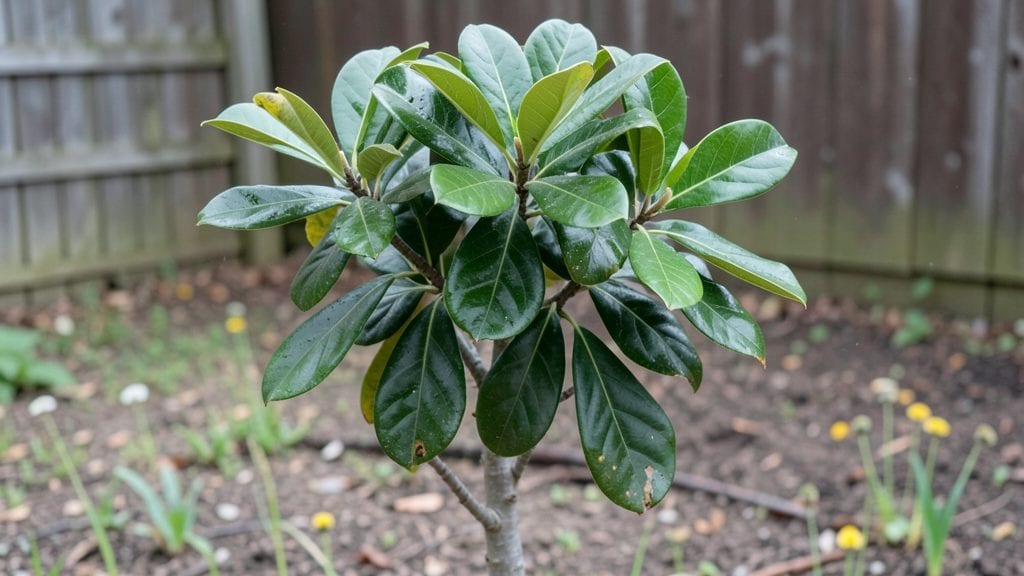
Caring for a young magnolia tree in the Pacific Northwest means protecting its delicate blooms from frost while encouraging strong growth. 🌱 I learned the hard way that aggressive pruning can stress these trees—so I developed a gentle approach that keeps them thriving through our rainy winters.
The key is timing: prune after blooming but before new growth starts, and always use sharp, sterilized tools to avoid disease.
Your young magnolia needs well-drained, slightly acidic soil rich in organic matter—think compost mixed into the planting hole. Water deeply once a week (more during heatwaves), keeping the root zone consistently moist but never soggy.
Deciduous varieties like 'Ann Cuthbert' handle frost better than evergreens, but both benefit from a thick layer of mulch to insulate roots during winter.
By year three, you'll see sturdy branches and the first flush of fragrant blooms—if you've pruned correctly. The goal is to shape the tree while preserving its natural form, removing only dead or crossing branches.
With proper care, your magnolia will outgrow common early-stage issues like powdery mildew and become the showstopper of your garden.
Pacific Northwest gardeners can push their luck with late-season pruning, but avoid cutting after August—new growth won't harden before frost. Evergreen magnolias need extra winter protection, while deciduous types appreciate a bit more sunlight exposure. The payoff? A tree that lives for decades, rewarding your patience with breathtaking spring displays.
📚 In This Guide
- What you need
- Instructions
- Tips and common mistakes
- Wrapping up and next steps
What you need
- ● Young magnolia tree: Choose a frost-resistant variety like Magnolia stellata or Magnolia × soulangeana (2–3 years old, 3–5 ft tall).
- ● Pruning shears: Sharp, bypass-pruners (2–4 inches, blank">Felco F-2 or similar).
- ○ Loppers: For thicker branches (optional but helpful for 3–4 ft cuts).
- ● Rubbing alcohol (70%): 1 small bottle (for sterilizing tools).
- ○ Pruning sealant: 1 small tube (like blank">Tanglefoot Tree Wound Pruning Seal, optional for large cuts).
- ● Gloves: Heavy-duty gardening gloves (nitrile-coated for grip).
- ● Mulch: 2–3 bags of organic mulch (pine bark or shredded leaves, 2–3 inches deep).
- ● Watering can or hose: With a gentle spray nozzle.
- ● Hand saw: For stubborn branches (if loppers aren’t enough).
- ● Tree ties or stretchy fabric: To support weak branches during winter.
- ● Frost cloth: Lightweight (for young trees in harsh winters).
- ● Soil test kit: To check pH (magnolias prefer 5.0–6.5).
Step-by-step instructions for frost-resistant pruning of young magnolia trees
Here’s how to shape your young magnolia for Pacific Northwest winters while keeping it healthy and thriving.
🌱 Step 1: Identify Pruning Windows and Tools
Prune your young magnolia only after flowering and before new growth hardens—typically late spring to early summer in the Pacific Northwest. This timing ensures you don’t cut off next year’s blooms or stress the tree as it prepares for winter dormancy. Gather sharp bypass pruners (for clean cuts) and sterilized rubbing alcohol (to prevent disease spread between cuts). I always wipe blades between branches to avoid fungal transfer.
Magnolias are sensitive to over-pruning, so limit cuts to no more than 25% of the tree’s canopy in a single session. If you’re working with a 4-foot-tall young tree, that’s roughly 12-18 inches of branch removal total. Avoid pruning in fall or winter—new cuts won’t heal properly before frost, leaving the tree vulnerable to cold damage.
✂️ Step 2: Remove Dead, Diseased, or Weak Branches First
Start by scanning the tree for dead wood (branches that snap when bent or lack bark) or diseased tissue (blackened, oozing, or fungal-spotted branches). Cut these out at the branch collar—the swollen area where the branch meets the trunk. Make your cut just outside the collar, angled slightly downward to prevent water from pooling. I use a pencil to mark the cut line before slicing to ensure precision.
Next, remove weak or crossing branches—these compete for energy and create entry points for pests. Look for branches growing straight upward (they’ll block light to lower branches) or rubbing against others (they’ll create wounds). Cut these back to a healthy lateral branch or bud, always making the cut just above an outward-facing bud to encourage outward growth.
☀️ Step 3: Thin the Canopy for Airflow and Light Penetration
Magnolias need good airflow to prevent fungal diseases like powdery mildew, which thrives in the damp Pacific Northwest climate. Step back and visualize the tree’s shape—aim for an open, vase-like form with branches spaced 8-12 inches apart. Start at the outermost branches and work inward, removing every other branch if they’re too dense. This reduces shade on lower branches, which helps them develop stronger buds for next year’s blooms.
For young trees, focus on raising the canopy by cutting back low-hanging branches that touch the ground. These branches often rot from moisture and can harbor pests. Use your pruners to shorten them by one-third, cutting back to a strong lateral branch or bud. Avoid "heading back" (cutting the tip of a branch to encourage bushiness)—magnolias respond poorly to this method and may produce fewer flowers.
🪴 Step 4: Seal Large Cuts and Monitor for Stress
If you’ve made cuts larger than ½ inch in diameter, seal them with pruning sealant to prevent moisture loss and pest entry. Apply a thin layer directly to the cut, smoothing it out to avoid drips. For smaller cuts, let them air-dry and callus naturally—sealant isn’t necessary and can trap excess moisture. Water the tree deeply after pruning to help it recover, focusing on the root zone rather than the foliage.
Watch for signs of stress in the week following pruning: yellowing leaves, wilting, or sudden leaf drop. These are normal if mild, but prolonged wilting or blackened edges signal over-pruning or disease. If you see new growth stunting, reduce watering slightly—magnolias often overreact to pruning by producing weak shoots. Fertilize only if the tree shows signs of recovery (new leaves, firm stems) with a balanced 10-10-10 fertilizer applied in early spring.
⏰ Step 5: Prepare for Winter Dormancy
By mid-October, your magnolia should be fully hardened off for winter. Stop pruning entirely—any new cuts won’t heal before frost. Instead, mulch the base with 3-4 inches of wood chips to insulate roots from temperature swings. Avoid piling mulch against the trunk, which can cause rot. I also wrap the trunk of young trees (under 4 inches in diameter) with tree guard to protect against voles and deer, which love young bark in winter.
In the Pacific Northwest, late-winter pruning (February) is acceptable for light cleanup, but avoid heavy work. Focus on removing any frost-damaged branches (they’ll be blackened or mushy) and deadheading spent blooms to encourage next year’s flowers. Resist the urge to prune for shape—wait until spring growth resumes to assess the tree’s natural form.
Tips & tricks for frost-resistant pruning of young magnolias
Here's what I've learned after years of shaping these delicate trees—mistakes that can set your magnolia back for seasons, and the little details that make all the difference.
Timing is Everything: The late spring to early summer window (after flowering, before new growth hardens) is non-negotiable for Pacific Northwest magnolias. I once pruned a young tree in early summer and noticed stunted growth the following spring—it took two years to recover. Watch for when the blooms have fully fallen and new shoots have softened but aren't yet woody. This typically falls between mid-June and early July in our region, but always check your local frost dates as a backup.
Branch Collar Precision: When removing branches in Step 2, resist the urge to cut flush with the trunk. The branch collar—the swollen area where the branch meets the trunk—is crucial for proper healing. I've seen too many pruning jobs where homeowners cut too close, creating wounds that never close properly. Make your cut just outside this collar, angled slightly downward. This creates a natural barrier that prevents water from pooling and invites new growth from the collar itself.
Canopy Visualization Technique: Before making any cuts in Step 3, step back and visualize your tree's future shape. Hold a string or use a garden hose to outline the desired vase-like form with branches spaced 8-12 inches apart. This simple trick helps me avoid the common mistake of over-thinning one side while leaving dense clusters elsewhere. Remember, you're aiming for that perfect balance where light can penetrate to the inner branches—this is especially critical in our damp climate where fungal diseases thrive.
Post-Pruning Recovery Protocol: After you've finished all your cuts, implement this three-step recovery protocol: First, water deeply at the root zone (not the foliage) to reduce stress. Second, monitor the tree closely for the week following pruning
Pro Tips for Young Magnolia Tree
- Here's what I've learned after years of shaping these delicate trees—mistakes that can set your magnolia back for seasons, and the little details that make all the difference.
- Timing is Everything: The late spring to early summer window (after flowering, before new growth hardens) is non-negotiable for Pacific Northwest magnolias.
- Branch Collar Precision: When removing branches in Step 2, resist the urge to cut flush with the trunk.
Frequently asked questions
Got questions about nurturing a young magnolia tree in the Pacific Northwest? You’re not alone! Here are answers to the most common concerns—from frost prep to pruning pitfalls—so you can keep your young magnolia tree thriving with confidence.
How cold can a young magnolia tree handle before frost damage?
A young magnolia tree (especially Magnolia grandiflora or Magnolia stellata) can tolerate light frosts down to 15–20°F, but new growth or blooms may suffer below 25°F. For the Pacific Northwest’s unpredictable winters, mulch heavily (3–4 inches) and wrap the trunk with burlap to shield it from cold winds. Pro tip: Avoid pruning in late fall—wait until late winter or early spring to minimize stress.
When is the best time to prune a young magnolia tree?
Prune your magnolia immediately after flowering (late spring to early summer) to avoid cutting off next year’s buds. Never prune in fall or winter—this can stimulate tender growth that won’t survive frost. For the PNW’s rainy season, prioritize removing dead or crossing branches first to improve airflow and reduce disease risk. Warning: Over-pruning can stress the tree, so limit cuts to <10% of the canopy.
How do I protect my young magnolia from Pacific Northwest rain and wind?
PNW’s wet, windy conditions can stress young magnolias. Stake the tree temporarily if it’s top-heavy, and use a tree guard (like a plastic wrap or hardware cloth spiral) to shield the trunk from rain splash and rodent damage. Elevate the soil slightly with mulch to prevent root rot, and choose a sheltered location (e.g., near a fence or building) to break wind. Bonus: Dwarf varieties like Magnolia ‘Black Tulip’ are wind-resistant picks!
What pests or diseases should I watch for in young magnolia trees?
Common threats include scale insects, magnolia leaf gall, and root rot (from overwatering). Check for sticky residue (scale) or distorted leaves (gall). Treat scale with horticultural oil, and ensure well-draining soil to prevent rot. Fungal issues like powdery mildew thrive in humid PNW summers—prune for airflow and avoid overhead watering. Preventative tip: Apply a copper fungicide in spring as a safeguard.
Can I grow a magnolia tree in a container, or does it need to be planted in the ground?
Young magnolias prefer ground planting for their expansive root systems, but dwarf varieties (like Magnolia ‘Little Gem’) can thrive in large containers (20+ gallons) for 2–3 years. Use a fast-draining mix (add perlite/pumice) and move pots to a sheltered spot in winter. Caution: Container-grown trees need yearly root pruning and frequent watering—don’t let them dry out!
Wrapping up and next steps
Growing a young magnolia tree in the Pacific Northwest is a rewarding journey—especially when you master frost-resistant pruning! With the right tools, timing, and techniques, you’ll nurture a thriving, resilient tree that blooms beautifully for years to come. 🌿
Now that you’re armed with knowledge, take the next step: mark your calendar for late winter or early spring to prune, and monitor your tree’s growth throughout the season. Every trim brings you closer to a stunning, healthy magnolia—so grab those shears and get pruning! 🌸