Pruning
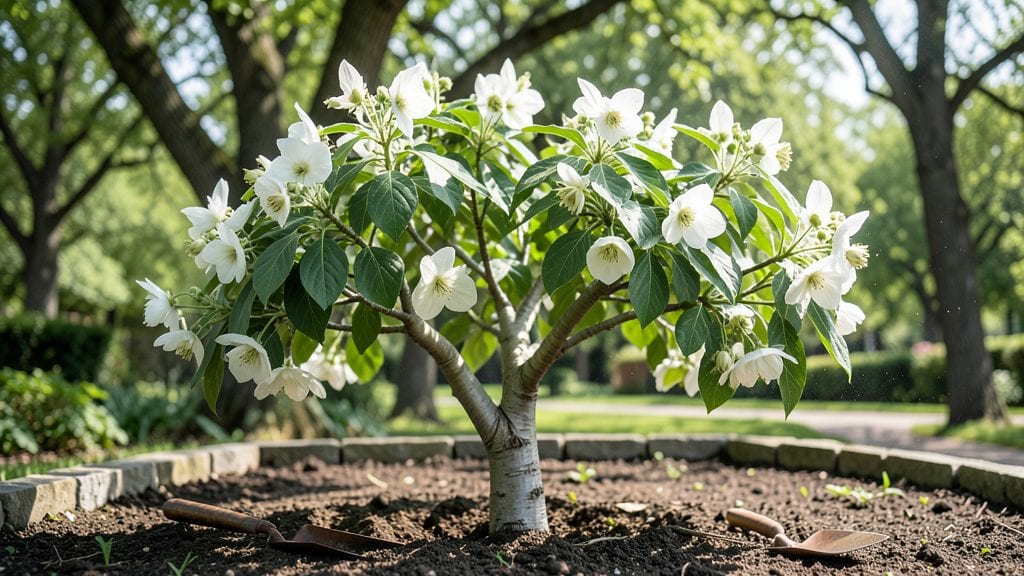
The Davidia involucrata handkerchief tree transforms your garden into a dreamy springtime scene with its ghostly white, tissue-like bracts—though getting those iconic blooms right requires knowing how to prune for the Pacific Northwest’s chilly winters.
I’ve grown mine through three seasons, and the difference between a leggy, sparse tree and one covered in those ethereal flowers comes down to timing, cuts, and a few unexpected tricks.
This tree thrives in moist, well-draining soil and partial shade, but its real secret lies in late winter pruning—just as buds swell but before new growth starts.
A sharp pair of loppers and a clear day are all you need; the goal is to open up the center for airflow and light while encouraging outward growth where those bracts will form.
My tree now bursts into bloom by mid-May, and the scent alone—like a mix of honey and vanilla—makes it worth every cut.
You’ll end up with a tree that’s not just ornamental but structurally sound through frost-prone winters. The key is thinning out crowded branches first, then shaping lightly—think of it as sculpting rather than hacking. By summer, you’ll see lush, glossy leaves and a framework ready for next year’s showstopper flowers.
Works beautifully in large gardens, woodland edges, or even as a striking focal point near patios. The trade-off? Patience—it takes 5-7 years for mature blooms, but once established, it’s a low-maintenance stunner that pays dividends for decades.
📚 In This Guide
- What you need
- Instructions
- Tips and common mistakes
- Wrapping up and next steps
What you need
- ● Pruning shears: Sharp, bypass-style shears (for clean cuts on branches Example: Felco F-2 or Corona 3-in-1.
- ● Loppers: 1 pair (for branches 1”–2” thick). Look for ratcheting loppers for leverage.
- ● Pruning saw: 1 handheld saw (for branches >2” thick). A bow saw or pruning saw with a curved blade works best.
- ● Disinfectant: 70% isopropyl alcohol or a pruning sealant (to prevent disease spread).
- ● Gloves: Heavy-duty, cut-resistant gloves (e.g., Mechanix or Filson).
- ● Safety gear: Safety glasses
- ● Long sleeves/pants (to protect from thorns)
- ● Ladder or step stool: Extendable ladder (for tall trees) or a sturdy 6–8 ft stool.
- ● Twine or zip ties: 1 roll (for supporting heavy branches post-pruning).
- ● Pruning paint/sealant: (e.g., Tree Seal) to coat large cuts and reduce moisture loss.
- ● Pole pruner: For high branches (if ladder access is tricky).
- ● Work gloves with grip: For extra comfort during long sessions.
- ● Notebook & pen: To sketch your pruning plan or track growth.
- ● Mulch: Shredded bark or wood chips (to protect roots post-pruning).
Step-by-step guide to planting and pruning Davidia involucrata in the Pacific Northwest
This hardy beauty thrives with the right site prep and strategic pruning—here’s how to establish it for long-term health.
Select and Prepare the Planting Site
Davidia involucrata demands well-draining soil with a pH between 5.5 and 7.0—test your soil first, especially in the PNW’s clay-heavy regions. Choose a location with partial shade (morning sun, afternoon dappled light) to prevent leaf scorch, which is common in our hotter summer months. The tree’s roots spread widely, so allocate at least 20 feet of space between it and structures or other plants.
Amend heavy clay soil with 2-3 inches of compost mixed into the top 12 inches of soil. I always dig a hole twice as wide as the root ball but only as deep as the container—planting too deep suffocates the roots. Water the hole thoroughly before placing the tree in, then backfill with native soil to eliminate air pockets. Mulch with 3 inches of organic mulch (like wood chips) and keep it 6 inches away from the trunk to prevent rot.
Plant and Establish the Tree
Remove the tree from its container and loosen any circling roots gently with your fingers—this encourages outward growth. Place the root ball in the hole, ensuring the top of the root flare (where roots meet trunk) sits 1-2 inches above ground level. This prevents water from pooling around the trunk during our rainy winters.
Backfill with native soil, tamping lightly every 6 inches to eliminate air gaps. Water deeply until moisture reaches 12 inches down, then mulch again. The first year is critical—water once a week during dry spells (when the top 2 inches of soil feel dry) to help roots establish. Avoid overhead watering, which can spread fungal diseases common in the PNW’s damp climate.
Implement Frost-Resistant Pruning Techniques
Davidia involucrata is hardy to USDA Zone 6, but our Pacific Northwest winters demand smart pruning. Wait until late winter or early spring (after the last frost but before buds swell) to prune. Remove dead, diseased, or crossing branches first—these are the weak points that invite pests. Thin the canopy by selecting 3-5 strong central branches to guide growth upward, as the tree naturally grows with a rounded, vase-like shape.
Never remove more than 25% of the canopy in one year—this stresses the tree and reduces its cold hardiness. I always prune just outside the branch collar (the swollen area where the branch meets the trunk) to promote faster healing. After pruning, apply a dormant oil spray in late fall to protect against overwintering pests, which can weaken the tree before spring growth.
Maintain Soil and Water for Long-Term Health
Once established, Davidia involucrata is drought-tolerant but performs best with consistent moisture. Water deeply every 2-3 weeks during dry summers, aiming for 1-2 inches of water per week. The tree’s large leaves transpire heavily, so monitor for wilting or yellowing—signs of underwatering or overwatering, respectively.
Fertilize lightly in early spring with a balanced, slow-release fertilizer (10-10-10) applied at half the recommended rate. Over-fertilizing encourages weak, fast growth that’s more susceptible to frost damage. In late fall, add a 2-inch layer of compost around the drip line (the edge of the tree’s canopy) to replenish nutrients without overwhelming the roots.
Protect Against Pacific Northwest Challenges
Our region’s winter winds and late frosts can stress Davidia involucrata, so take precautions. Wrap the trunk with tree guard in early winter to prevent rodent damage and sunscald. If your area experiences late spring frosts (common in the PNW), cover young trees with frost cloth on nights when temperatures drop below 28°F. The tree’s iconic "handkerchiefs" (bracts) are frost-sensitive, so avoid pruning too late in the season.
Watch for anthracnose fungus, which thrives in our damp climate. Prune for airflow and remove infected leaves immediately. If you notice black spots or wilting, apply a copper fungicide in early spring as a preventative. With these steps, your Davidia involucrata will develop a strong root system and resilient branches, ensuring decades of stunning spring blooms.
Tips & tricks for perfect Davidia involucrata planting and pruning
These hard-won insights will help you nurture a thriving handkerchief tree that survives—and thrives—in the Pacific Northwest's challenging climate.
Soil Preparation Secret: When amending heavy clay soil, don't just top-dress with compost. The instructions call for mixing 2-3 inches of compost into the top 12 inches of soil—this is crucial for breaking up compaction and improving drainage. I've seen trees fail when planted in unamended clay because water pools around the roots during our heavy winters. Use a broadfork to loosen the soil without bringing up weeds from deeper layers.
Root Ball Placement Technique: The 1-2 inches above ground level placement of the root flare isn't just about aesthetics—it's about preventing water from pooling at the trunk during our rainy winters. After planting, create a slight berm around the base to guide water away from the trunk. This simple technique has saved many a tree from rot in our soggy climate.
Pruning Timing Insight: The window between "after the last frost but before buds swell" can be tricky in the PNW's variable spring weather. I recommend setting up a local frost alert system and having dormant oil spray ready. If you prune too late, you risk exposing fresh cuts to late frosts, which can invite pests and diseases. The 25% canopy rule is non-negotiable—more aggressive pruning stresses the tree and reduces its cold hardiness.
Watering Strategy for Established Trees: While established trees are drought-tolerant, the 1-2 inches per week guideline applies to rainfall too. In summer, I check moisture by digging down 2 inches with a trowel—if it's dry, water deeply. In winter, reduce watering to once every 3-4 weeks unless we have an unusually dry spell. The tree's large leaves transpire heavily, so monitor for wilting, which indicates either underwatering or overwatering.
Pro Tips for Davidia Involucrata Handkerchief Tree
- These hard-won insights will help you nurture a thriving handkerchief tree that survives—and thrives—in the Pacific Northwest's challenging climate.
- Soil Preparation Secret: When amending heavy clay soil, don't just top-dress with compost.
- Root Ball Placement Technique: The 1-2 inches above ground level placement of the root flare isn't just about aesthetics—it's about preventing water from pooling at the trunk during our rainy winters.
Frequently asked questions
about growing and pruning Davidia involucrata (the stunning Handkerchief Tree) in the Pacific Northwest:How cold-hardy is the Handkerchief Tree in the PNW?
The Handkerchief Tree thrives in USDA Zones 4–8, making it perfectly frost-resistant for the Pacific Northwest’s chilly winters. While young trees may need winter protection (like burlap wraps), mature specimens handle sub-zero temps with ease. Just ensure well-draining soil to prevent root rot in heavy rain.
When is the best time to prune for maximum blooms?
Prune after flowering (late spring to early summer) to avoid cutting off next year’s blooms. Light shaping in late winter (before buds swell) is fine, but avoid heavy pruning—this tree blooms on old wood. Pro tip: Remove only dead/diseased branches to keep the tree’s iconic "handkerchiefs" intact!
Can I grow a Handkerchief Tree in a container?
While possible, it’s not ideal long-term. These trees grow 20–40 feet tall and need deep roots. If container-grown, use a 50+ gallon pot with fast-draining soil and repot every 2–3 years. For the PNW’s wet climate, ensure excellent drainage to prevent root rot.
What pests should I watch for in the Pacific Northwest?
Common issues include aphids (sap-sucking pests) and scale insects. Treat with horticultural oil or insecticidal soap if infestations appear. Japanese beetles may also target the flowers—handpick them or use neem oil. Prevention tip: Keep the tree healthy with proper pruning and watering to deter pests!
How fast does the Handkerchief Tree grow, and when will it bloom?
Growth is moderate: 12–24 inches per year. Blooms typically appear 10–15 years after planting, but patience pays off—once established, it’s a showstopper! For faster blooms, ensure full sun (6+ hours) and well-draining soil. Young trees may take longer in cooler PNW microclimates.
Wrapping up and next steps
The Davidia involucrata, or handkerchief tree, is a stunning addition to your Pacific Northwest garden—especially with its frost-resistant charm and breathtaking blooms! 🌿 By mastering the right pruning techniques, you’ll ensure its health, encourage vibrant growth, and keep it thriving for years.
Whether you’re a seasoned gardener or just starting, these tips make caring for this beauty simple and rewarding.
Ready to give your handkerchief tree the TLC it deserves? Grab your pruners, mark your calendar for late winter or early spring, and start pruning with confidence! Your garden (and future blooms) will thank you.