
Pruning
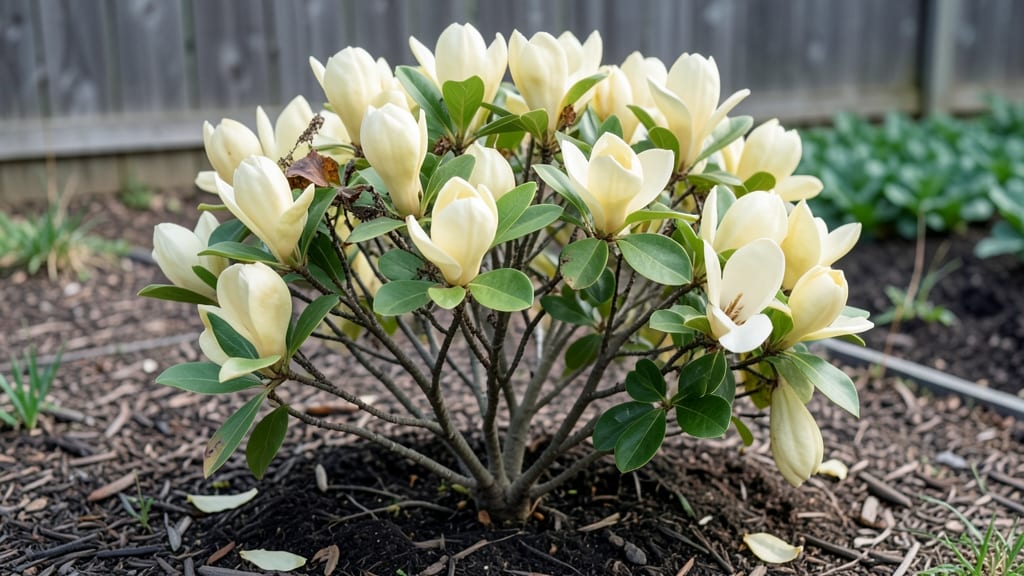
Your Yellowbird magnolia tree could be the star of your Pacific Northwest garden—if you know how to prune it right after those frost-kissed winters. 🌸 I’ve watched this tree transform from a leggy mess to a fragrant, blooming powerhouse just by following a few key cuts, and the difference is night and day.
The secret isn’t aggressive trimming—it’s strategic shaping. Prune right after flowering (late spring) to avoid cutting off next year’s buds, and focus on removing dead wood and crossing branches. A sharp pair of shears and a sunny morning are all you need; no fancy tools required.
Even if your tree looks a little rough after winter, it bounces back with the right approach.
What you’ll end up with is a tree that bursts into bright yellow blooms every spring, filling your yard with a sweet, citrusy fragrance that hummingbirds adore. The flowers are showy, the foliage stays lush, and the tree handles our damp winters like a champ.
Plus, it’s one of the few magnolias that actually thrives in our climate without constant fuss.
Works for both new plantings and established trees—just adjust your timing based on when your tree blooms. Here’s how to keep it looking its best year after year, without the guesswork.
📚 In This Guide
- What you need
- Instructions
- Tips and common mistakes
- Wrapping up and next steps
What you need
- ● Pruning shears: Bypass pruners (sharp, 6–8 inch blades) for small branches.
- ● Loppers: 10–12 inch bypass loppers for thicker branches (1–2 inch diameter).
- ● Pruning saw: Curved-tooth saw (8–10 inch) for branches over 2 inches thick.
- ● Disinfectant: 70% isopropyl alcohol or 10% bleach solution (1 part bleach to 9 parts water) to sterilize tools between cuts.
- ● Gloves: Heavy-duty gardening gloves (cut-resistant for safety).
- ○ Extension pole: Optional, for high branches (10–15 ft telescoping pole).
- ● Tarp or drop cloth: To collect debris and protect landscaping.
- ● Rubbing alcohol or hydrogen peroxide: For cleaning tools post-pruning (3% solution).
- ● Timing: Prune after blooming (late spring to early summer) to avoid cutting off next year’s flowers.
- ● Weather: Choose a dry, overcast day (humidity slows healing).
- ● Safety gear: Safety glasses (for debris) and long sleeves/pants (to avoid scratches).
- ● Tree health check: Inspect for pests/diseases (e.g., powdery mildew) before pruning.
- ● Local regulations: Verify if your area requires permits for large-scale pruning.
- ● Sharpen blades before starting—dull tools crush branches, inviting disease. 🔪✨
- ● Mark cuts with chalk or tape to visualize the tree’s natural shape.
- ● Keep a bucket of water nearby to rinse tools and hands frequently.
Step-by-Step instructions for pruning a Yellowbird magnolia tree
Revive your Pacific Northwest magnolia's stunning blooms with these precise, frost-safe pruning techniques.
✂️ Step 1: Time Your Pruning for Late Winter Dormancy
Prune your Yellowbird magnolia in late winter—specifically during February to early March—when the tree is fully dormant but before new growth begins. This timing ensures you don’t accidentally cut off next year’s flower buds, which form on last year’s growth. Look for bare branches and no visible buds as your cue—this means the tree is safely resting.
Real talk: If you prune too early, you risk frost damage to fresh cuts. If you wait too long, you might accidentally trim off new flower buds. The 2-3 weeks before bud break (when you see tiny green swellings) is your ideal window. In the Pacific Northwest, this usually aligns with late February to early March, but always check your local frost dates.
✂️ Step 2: Use the Right Tools and Sanitize Everything
Grab your sharp bypass pruners for branches under ½ inch thick and a pruning saw for anything thicker. Dull tools tear bark, inviting disease—so sharpen them before you start. Sanitize your tools with rubbing alcohol or a 10% bleach solution to prevent spreading fungal infections like anthracnose, which loves damp Pacific Northwest climates.
I like to carry a small spray bottle of sanitizer and wipe down tools between cuts. This is especially important if your tree has any dead or diseased branches—you don’t want to spread pathogens to healthy wood. Work from bottom to top to avoid dragging tools through sap or debris, which can dull blades faster.
☀️ Step 3: Remove Dead, Diseased, or Crossing Branches First
Start by identifying and removing dead branches—they’re easy to spot because they’re brown, brittle, and snap when bent. Next, look for diseased branches with blackened bark, oozing sap, or fungal growth. Cut these back to healthy wood (look for green underneath the bark). Finally, remove crossing or rubbing branches—these create wounds and weaken the tree.
Make your cuts just outside the branch collar (the swollen area where the branch meets the trunk). Never leave a stub—this invites decay. For larger branches, use the three-cut method: Make the first cut 12-18 inches out from the trunk, then the second cut just outside the branch collar, and finally remove the remaining weight. This prevents bark from tearing.
✂️ Step 4: Thin Out the Canopy for Better Airflow and Light
Yellowbird magnolias thrive with open, airy canopies—this prevents fungal issues and encourages stronger blooms. Focus on thinning branches (removing entire branches back to their origin) rather than just trimming tips. Aim to reduce density by 20-30% to improve airflow. Look for branches growing straight up or too close together—these are prime candidates for removal.
Here’s the thing—you want to open the center of the tree so sunlight reaches the inner branches. This isn’t just about aesthetics; it’s about health. In the Pacific Northwest’s damp climate, dense canopies trap moisture and invite fungal problems. Step back every few cuts to visualize the shape—you’re sculpting, not just hacking.
🌿 Step 5: Clean Up and Apply Wound Dressing (If Needed)
After pruning, rake up all debris and dispose of it in the trash—never compost diseased branches. For cuts larger than ½ inch, apply pruning sealant (like Tanglefoot Tree Wound Pruning Seal) to protect against moisture and pests. However, skip this step for smaller cuts—research shows pruning paint doesn’t actually help and can trap moisture, leading to rot.
Finally, give your tree a deep watering to help it recover. The roots will need to support new growth, and a good soak ensures they’re hydrated. Avoid fertilizing right after pruning—wait until spring growth begins. Your Yellowbird magnolia will reward you with vibrant blooms in late spring, proving your effort was worth it.
Tips & tricks for perfect Yellowbird magnolia tree pruning
These pro tips will help you prune like a seasoned horticulturist and keep your Pacific Northwest magnolia thriving for decades.
Timing Secret: The late winter window in Step 1 is your golden opportunity—don't miss it! I check my local frost dates and mark my calendar for the 2-3 weeks before bud break. If you're unsure, do the "finger test": press your finger against a branch—if it bends like a willow branch, it's too early. If it feels stiff and snaps, you're good to go. This timing ensures you won't accidentally cut off next year's flower buds, which form on last year's wood.
Tool Prep Strategy: Before you even touch your tree in Step 2, take 10 minutes to properly prep your tools. I like to sharpen my bypass pruners on a fine-grit whetstone until they can cleanly slice through a sheet of paper. For the pruning saw, I apply a few drops of light machine oil to keep it running smoothly. Remember, dull tools tear bark and create wounds that invite disease—especially important in our damp Pacific Northwest climate. Keep a small spray bottle of 70% isopropyl alcohol handy to sanitize between cuts on diseased branches.
Branch Identification Hack: When identifying dead or diseased branches in Step 3, here's a trick I learned: tap branches with your pruning tool. Healthy branches will give a solid "thunk" sound, while dead ones will make a hollow "clink" noise. For diseased branches, look for cankers (sunken, dead areas) or fungal fruiting bodies (like mushrooms or shelf-like growths). These are clear signs to remove the branch completely back to healthy wood. When making your cuts, visualize the branch collar—the swollen area where the branch meets the trunk—and cut just outside it. This prevents unsightly stubs that can trap moisture and rot.
Canopy Vision Tip: Step back every few cuts in Step 4 and visualize your tree's shape from all angles. I like to stand directly under the tree and look up, then walk around it to check for gaps. Aim to create an open vase shape that allows sunlight to reach the center. This isn't just about looks—proper airflow prevents fungal diseases that thrive in our region's damp conditions. Remember, you're removing branches, not just trimming them. Each cut should remove an entire branch back to its origin, not just the tip.
Pro Tips for Yellowbird Magnolia Tree
- These pro tips will help you prune like a seasoned horticulturist and keep your Pacific Northwest magnolia thriving for decades.
- Timing Secret: The late winter window in Step 1 is your golden opportunity—don't miss it!
- Tool Prep Strategy: Before you even touch your tree in Step 2, take 10 minutes to properly prep your tools.
Frequently asked questions
When is the best time to prune a Yellowbird Magnolia?
The ideal time is late winter to early spring, just as buds begin to swell but before new growth starts. This timing avoids stressing the tree during dormancy and aligns with its natural bloom cycle. Pro tip: If you must prune later, do so after flowering to preserve next year’s blooms!
How do I protect my Yellowbird Magnolia from frost damage?
While this variety is frost-tolerant, young trees or late-season blooms may need extra care. Use frost cloth on tender buds during hard freezes (<32°F) and avoid pruning too late in the season. Mulch the root zone with 3–4 inches of organic material (like wood chips) to insulate roots.
Can I prune my Yellowbird Magnolia to encourage more flowers?
Yes! Prune to open the canopy and improve airflow, which stimulates flowering. Focus on removing dead, crossing, or crowded branches—never cut more than 25% of the canopy in one season. Avoid heavy pruning in summer, as it can stress the tree.
What are some alternatives to Yellowbird Magnolia for PNW gardens?
If you love its frost-resistant blooms but want options, consider:
- ‘Ann Magnolia’ – Fragrant, early bloomer with yellow flowers.
- ‘Jane Magnolia’ – Compact, disease-resistant with creamy-white blooms.
- ‘Black Tulip’ Magnolia – Stunning purple-red flowers, slightly less frost-hardy.
Why are my Yellowbird Magnolia leaves turning yellow?
Yellowing leaves often signal overwatering, nutrient deficiency, or fungal issues. Check for:
- Waterlogged soil (magnolias hate soggy roots!).
- Iron or nitrogen deficiency (amend soil with compost or a balanced fertilizer).
- Powdery mildew (prune for airflow and apply fungicide if needed).
Wrapping up and next steps
The Yellowbird Magnolia is a stunning addition to any Pacific Northwest landscape, and with the right pruning techniques, you can ensure its vibrant blooms thrive year after year—even through frost! Remember, timing, precision, and patience are key to maintaining its health and beauty.
Whether you're trimming for shape, removing dead branches, or encouraging new growth, your efforts will pay off in show-stopping spring displays.
Ready to give your magnolia the care it deserves? Grab your tools, follow the steps you’ve learned, and enjoy the process! 🌸 With a little love and attention, your Yellowbird Magnolia will reward you with years of breathtaking blooms. Happy pruning!