
Pruning
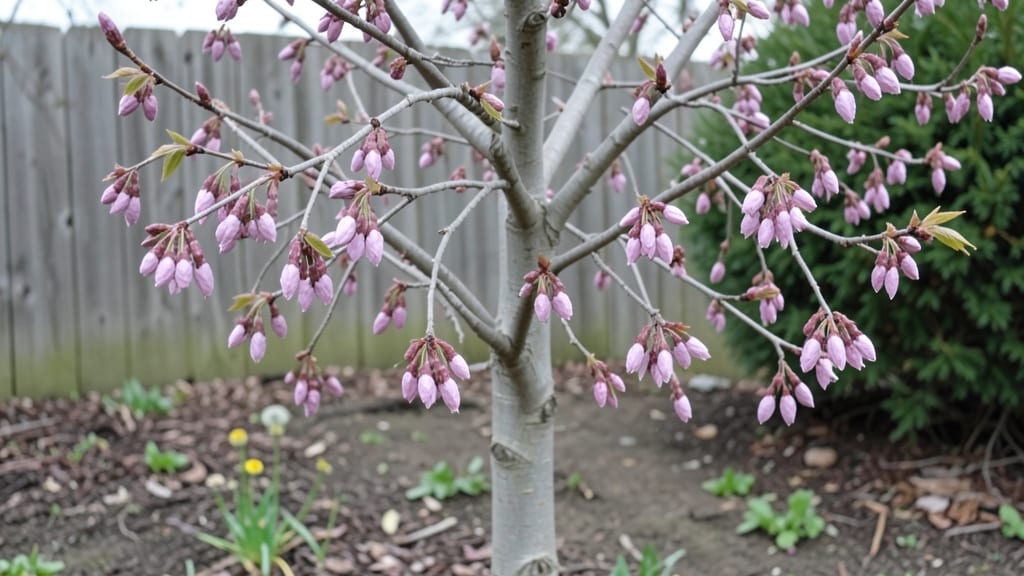
That small red bud tree in your yard could burst into vibrant pink blooms every spring—if you prune it right. 🌸 I’ve watched these trees go from sparse, leggy shrubs to showstopping spring displays just by trimming at the right times, and the secret isn’t complicated once you know the rules.
The key is timing: prune right after the flowers fade in late spring, then again lightly in summer to shape it. Avoid heavy cuts in winter—they stress the tree and reduce next year’s blooms.
With just a few strategic snips, you’ll encourage thicker growth and more flowers, not fewer. My own red bud now blooms so densely it looks like a cloud of blossoms.
You’ll end up with a tree that stays compact, blooms reliably, and even puts on a few late-summer flowers if conditions are right. The best part? It’s a low-maintenance tree once you get the pruning rhythm down. Let’s get those branches looking intentional.
Works for both sunny borders and partial-shade spots—just avoid deep shade, where blooms get sparse. The same principles apply whether you’ve got a young sapling or a mature tree that’s gotten a little wild over the years.
📚 In This Guide
- What you need
- Instructions
- Tips and common mistakes
- Wrapping up and next steps
What you need
- ● Pruning shears – Bypass shears (for clean cuts on branches under ½ inch thick). Loppers (for branches ½ to 1½ inches thick).
- ● Pruning saw – Hand saw with a curved blade for thicker branches (1½+ inches).
- ● Rubbing alcohol (70% or higher) – 1 small bottle (for sterilizing tools).
- ● Disposable gloves – 1 pair (to protect hands from thorns and sap).
- ○ Garden twine or zip ties – 1 roll (optional, for securing heavy branches during pruning).
- ○ Pruning sealant (optional but helpful) – Tree wound sealant (for large cuts to prevent disease).
- ● Timing: Prune immediately after flowering (late spring) or in early winter (before buds swell). Avoid pruning during active bloom.
- ● Weather: Choose a dry, overcast day to minimize stress on the tree.
- ● Safety first: Wear gloves—red bud trees have sharp thorns!
- ● Cleanup supplies: A small trash bag (for debris) and disinfectant wipes (to clean tools between cuts).
Instructions: year-round bloom revival through strategic trimming
Revive your small red bud tree's blooms with these simple, seasonal trimming steps.
✂️ Step 1: Prune Immediately After Flowering
Start right after the spring blooms fade—this is the most critical time. Red bud trees bloom on old wood, so wait until new growth appears before cutting. I like to prune in late May or early June when the flowers have dropped but fresh leaves are already forming.
Remove dead, diseased, or crossing branches first—they're easy to spot. Then thin out overcrowded areas to improve airflow. Cut just above an outward-facing bud to encourage bushier growth. Use clean, sharp pruners to make smooth cuts that heal faster.
☀️ Step 2: Light Summer Maintenance (Mid-June to August)
Skip heavy pruning during summer—focus on light shaping instead. Red bud trees grow 4-6 feet per year, so trim back any branches growing toward the center of the tree. You'll know you're doing it right when you see more sunlight reaching the inner branches—this encourages next year's blooms.
Remove suckers (shoots growing from the base) immediately—they drain energy from your tree. Water deeply after pruning to help the tree recover. If you notice yellowing leaves, that's a sign of stress, so hold off on any major cuts until fall.
🌿 Step 3: Fall Cleanup (September to November)
Now's the time for structural pruning to shape your tree for winter. Remove weak, thin branches that won't survive cold weather. I aim to keep the tree's natural vase shape—red bud trees look stunning when their branches spread outward like a fountain.
Cut back any branches that are rubbing against each other—this prevents future wounds. Thin out excessive growth to reduce winter snow load. Stop pruning by late November so the tree can harden off before winter. You'll see healthier new growth in spring if you do this right.
⏰ Step 4: Minimal Winter Adjustments (December to February)
Winter is for observation, not pruning. Check for dead branches caused by frost or snow damage. If you find any, remove them early in the season (December-January) before new growth starts. Never prune when the tree is dormant in deep winter—this stresses the tree unnecessarily.
If your tree looks top-heavy, lightly trim the topmost branches in late winter to balance the shape. Avoid heavy cuts—red bud trees bloom best when they're lightly pruned. You'll know you've done enough when the tree looks balanced and full without looking overcrowded.
Tips & tricks for perfect red bud tree pruning
Your red bud tree's vibrant blooms depend on precise timing and technique—here's how to avoid common mistakes that can ruin next year's show.
Timing is Everything: In Step 1, wait until you see fresh leaves forming after the flowers drop—this ensures you're cutting at the perfect moment. I've seen people prune too early and accidentally remove next year's blooms, which develop on old wood. Mark your calendar for late May or early June to stay on track.
Tool Selection Matters: Use clean, sharp pruners to make smooth cuts that heal faster. I learned this the hard way after using dull shears that crushed branches and created entry points for disease. Disinfect your tools with rubbing alcohol between cuts, especially when removing diseased branches in Step 1.
Shape with Purpose: When shaping in Step 2, aim for a natural vase shape that allows sunlight to reach all branches. I like to visualize the tree as a fountain—branches should spread outward at different levels. This creates an open structure that encourages airflow and future blooms while preventing overcrowding.
Winter Observation: Step 4's winter adjustments are crucial for identifying frost damage early. Look for branches that are brittle or have brown, dried leaves—these should be removed in December or January. I've seen trees recover beautifully after removing just a few damaged branches, so don't hesitate to make these small corrections.
Pro Tips for Small Red Bud Tree
- Your red bud tree's vibrant blooms depend on precise timing and technique—here's how to avoid common mistakes that can ruin next year's show.
- Timing is Everything: In Step 1, wait until you see fresh leaves forming after the flowers drop—this ensures you're cutting at the perfect moment.
- Tool Selection Matters: Use clean, sharp pruners to make smooth cuts that heal faster.
Frequently asked questions
Got questions about keeping your small red bud tree (Cercis canadensis) blooming beautifully year after year? You’re in the right place! Here are answers to the most common queries—from timing to troubleshooting—so you can prune with confidence.
When is the best time to prune a small red bud tree?
The ideal window is late winter or early spring, right after flowering (March–April). This removes dead wood while preserving next year’s blooms. Avoid heavy pruning in fall—it can stimulate late-season growth vulnerable to frost. For minor shaping, light trims can happen anytime, but never prune during bloom season to avoid cutting off flowers.
Can I prune a red bud tree in winter?
Yes, but only lightly—focus on removing dead, diseased, or crossing branches. Heavy winter pruning stresses the tree, especially in cold climates. If you must trim, do it on mild days above freezing and avoid excessive cuts. Pro tip: Wait until after the last frost for major work to prevent shock.
What if my red bud tree isn’t blooming after pruning?
Lack of blooms often signals over-pruning or nutrient stress. Red bud trees bloom on old wood, so avoid cutting back more than 1/3 of the canopy at once. If blooms are sparse, check for:
Follow these 3 golden rules:
If space is tight, consider these compact red bud varieties:
Fertilize in early spring with a balanced 10-10-10 formula if needed.
How do I prune a red bud tree without killing it?
Use sterilized tools and seal larger cuts with pruning paint if the diameter is over ½ inch.
Are there smaller red bud tree alternatives for limited spaces?
Variety
Mature Size
Notes
‘Lavender Twist’
10–15 ft tall
Unique purple-twisted branches; great for small yards.
‘Ruby Falls’
6–8 ft tall
Weeping habit; ideal for containers or patios.
‘Alba’ (White Redbud)
15–20 ft tall
Soft pink-white blooms; slightly larger but low-maintenance.
Wrapping up and next steps
The small red bud tree is a stunning addition to any landscape, and with the right pruning techniques, you can keep its vibrant blooms thriving year-round! 🌸 By understanding when and how to trim—whether for shape, health, or bloom enhancement—you’re not just pruning; you’re nurturing a long-term relationship with this beautiful tree.
Ready to see your red bud tree flourish?
Your next step? Grab your pruners, review your notes, and schedule that first trim—whether it’s early spring for bloom prep or late winter for cleanup. Happy pruning, and enjoy the showstopping results!