
Pruning
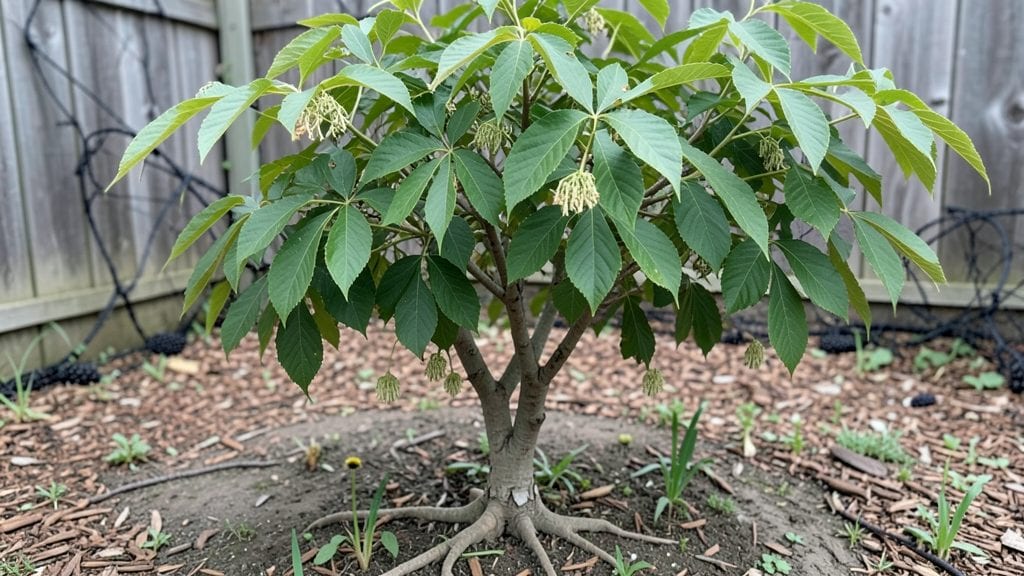
The tree of heaven thrives in the Pacific Northwest's damp winters, but its aggressive spread makes pruning a necessity—not just for aesthetics, but to control its invasive nature. I’ve wrestled with this tree’s rapid growth in my own yard, and what I’ve learned could save you from the same headaches.
The key isn’t just cutting branches—it’s timing, technique, and knowing when to intervene before it takes over your landscape.
This tree’s cold-hardy roots and fast-growing branches demand strategic pruning in late winter or early spring, before new shoots emerge. You’ll need sharp loppers, gloves, and a plan to remove at least one-third of the canopy each year to slow its spread.
The smell of crushed leaves is unmistakable—like licorice—and that’s your warning that it’s already established where you don’t want it.
When done right, pruning transforms this tree from a nuisance into a manageable feature—taller, denser, and less likely to sprout unwanted seedlings. You’ll see fewer suckers popping up around your property, and the tree’s natural shape will become more refined over time.
The trade-off? It’s still invasive, so containment is key.
For Pacific Northwest gardeners, the real challenge isn’t just pruning but deciding whether to keep it at all. If you’re committed, this guide will help you manage it responsibly. If not, we’ll cover how to remove it safely—because some battles aren’t worth fighting.
📚 In This Guide
- What you need
- Instructions
- Tips and common mistakes
- Wrapping up and next steps
What you need
- ● Pruning shears: Bypass pruners (for cuts up to ½ inch in diameter). Choose sharp, high-quality ones (e.g., Felco or Fiskars). Quantity: 1 pair.
- ● Loppers: For branches ½ to 2 inches thick. Look for ratcheting or bypass-style loppers for precision. Quantity: 1 pair.
- ● Pruning saw: A curved-tooth saw for thicker branches (2+ inches). Quantity: 1.
- ● Extension pole: A 3–5-foot telescoping pole with a pruning saw or shears attachment for high branches. Quantity: 1.
- ● Gloves: Heavy-duty, cut-resistant gloves (e.g., Mechanix or gardening-specific). Quantity: 1 pair.
- ● Safety glasses: Protect your eyes from debris. Quantity: 1 pair.
- ○ Disposable pruning bags: For collecting and disposing of cuttings (optional but helpful). Quantity: 2–3.
- ● Tree wound dressing: Not recommended for Tree of Heaven, but if you prefer, use a pruning sealant (e.g., Tanglefoot Tree Wound Pruning Seal). Quantity: Small jar.
- ● Ladder (if needed): A stable, sturdy ladder (e.g., aluminum extension ladder). Quantity: 1.
- ● Rope or harness: For high-reach pruning (if working above 6 feet). Quantity: 1.
- ● Cleaning supplies: Rubbing alcohol (70% or higher) and a scrub brush to sterilize tools. Quantity: Small bottle + brush.
- ● Pole saw: For extra-high branches without a ladder. Quantity: 1.
- ● Sharpener: A file or electric sharpener to maintain tool edges. Quantity: 1.
- ● Marking spray: Colored spray paint to tag branches for removal (useful for large trees). Quantity: Small can.
- ● Hand truck or wheelbarrow: For hauling heavy branches. Quantity: 1.
- ● First-aid kit: Just in case! Quantity: 1.
Instructions for pruning tree of Heaven in the Pacific Northwest
This cold-hardy tree thrives in our climate when pruned strategically—here’s how to revitalize it without stressing the plant.
Assess the Tree’s Structure and Health
Begin by examining the tree’s overall form and identifying dead, diseased, or crossing branches. Tree of Heaven (Ailanthus altissima) responds well to pruning but requires careful evaluation first. Look for branches that rub against each other, grow inward, or appear weak—these are prime candidates for removal. I always start at the top and work my way down, using a notepad to sketch a rough diagram of the tree’s structure. This helps visualize the final shape before making cuts.
Check for signs of stress like yellowing leaves, dieback, or fungal growth (common in damp PNW climates). If you spot these, prioritize removing affected branches to prevent spread. Healthy branches should have smooth bark and vibrant green foliage. Avoid pruning during wet weather—wait for a dry day to minimize disease risk. The goal here is to create an open canopy that allows light and air to circulate, which is especially important in our region’s humid summers.
Remove Dead, Diseased, or Weak Branches
Using sharp, clean pruning shears or a pruning saw, cut back any dead or diseased branches at their point of origin. For larger branches, make the cut just outside the branch collar—the swollen area where the branch meets the trunk. This ensures the tree can seal the wound naturally. I like to disinfect my tools with rubbing alcohol between cuts to prevent bacterial or fungal contamination, which can be devastating in our climate.
For weak or crossing branches, remove the smaller or less vital branch entirely. If two branches are of equal size, prioritize the one with better placement in the tree’s overall structure. Never leave stubs—always cut back to the branch collar or a lateral bud. You’ll know you’re doing it right when the cut looks clean and the wound is smooth, not jagged. This step reduces the risk of future issues like rot or pest infestations, which are more prevalent in the Pacific Northwest’s damp conditions.
Thin the Canopy for Better Airflow
Tree of Heaven can become dense quickly, so thinning the canopy is key to maintaining its health. Focus on removing branches that grow inward or downward, as these block light and air. Aim to open the center of the tree by about 25-30%—this improves airflow and reduces humidity-related stress. Start by selecting branches that are no thicker than 2 inches in diameter, as these are easier to manage and won’t leave large wounds.
When thinning, avoid removing more than 25% of the tree’s foliage in a single season. Over-pruning can shock the tree, especially in our cooler PNW climate. Instead, spread out the work over 2-3 years if needed. Pay attention to the tree’s natural shape—your goal is to enhance its form, not drastically alter it. You’ll see a noticeable difference in the tree’s vigor within a growing season, with new growth emerging stronger and healthier.
Shape the Tree for Aesthetic and Structural Balance
Once you’ve removed the necessary branches, focus on shaping the tree to achieve a balanced, natural look. Tree of Heaven responds well to light pruning, so avoid heavy-handed cuts. Use hand pruners for smaller branches and a pruning saw for thicker ones. When pruning larger branches, make the cut just outside the branch collar and at a slight angle to prevent water from pooling on the wound.
Step back frequently to assess the tree’s silhouette from all angles. The Pacific Northwest’s frequent rain can weigh down branches, so ensure the tree’s structure is strong enough to support its foliage. If you’re unsure about a cut, err on the side of caution—it’s easier to remove more later than to fix an over-pruned tree. Finish by cleaning up all debris from the ground to prevent pests or disease from taking hold. A well-shaped Tree of Heaven will not only look better but also grow more resiliently in our climate.
Monitor and Maintain Post-Pruning
After pruning, keep an eye on the tree for the first few weeks to ensure it’s recovering well. New growth should appear within 4-6 weeks, signaling that the tree is healthy and adapting to the changes. If you notice any signs of stress—like wilting leaves or unusual discoloration—adjust your care routine accordingly. Water deeply but infrequently, especially during the first growing season after pruning, to encourage strong root development.
In the Pacific Northwest, where summers can be mild and winters wet, Tree of Heaven benefits from a light layer of mulch around the base (but not touching the trunk). This helps retain moisture and regulate soil temperature. Avoid fertilizing immediately after pruning—wait until the following spring to give the tree time to recover. Regular monitoring will help you catch any issues early, ensuring your Tree of Heaven thrives year after year.
Tips & tricks for pruning tree of Heaven in the Pacific Northwest
Pruning Tree of Heaven properly can transform its health and appearance—here are my essential tips to ensure you do it right.
Equipment Prep: Before you begin, ensure your tools are sharp and clean. Dull pruners create jagged cuts that heal poorly, making the tree more susceptible to disease—a major concern in our damp PNW climate. I always disinfect my tools with rubbing alcohol between cuts, especially when dealing with diseased branches. This simple step prevents cross-contamination and keeps your tools ready for the next cut. For larger branches over 2 inches in diameter, a pruning saw with a fine-tooth blade will give you cleaner cuts and less tearing of the bark.
Visualizing the Final Shape: I can't stress enough how helpful it is to sketch a rough diagram of your tree's structure before making any cuts. This helps you visualize the final shape and ensures you're not over-pruning. Start at the top and work your way down—this makes it easier to see how branches will interact once others are removed. In our humid climate, proper spacing between branches is crucial for airflow, which prevents fungal issues. If you're unsure about a particular cut, take a step back and compare your sketch to the actual tree—you'll often see the solution more clearly from a distance.
Seasonal Timing: The Pacific Northwest's mild summers and wet winters create unique challenges for pruning. Late winter to early spring, just as new growth begins, is the ideal time to prune Tree of Heaven. This timing allows the tree to heal quickly and prepares it for the growing season. Avoid pruning during wet weather—moisture can introduce fungal spores to fresh wounds. If you must prune during rainy periods, work quickly and disinfect your tools frequently. Remember that Tree of Heaven responds well to light pruning, so you can spread out more extensive work over 2-3 years if needed, particularly for larger trees.
Post-Pruning Care: After completing your pruning, don't just walk away—monitor the tree closely for the first few weeks. Look for signs of stress like wilting leaves or unusual discoloration, which can indicate problems with the cuts or environmental factors. In our region, a light layer of mulch around the base (but not touching the trunk) helps retain moisture and regulate soil temperature, which is especially beneficial during our mild summers. Wait until the following spring to fertilize—this gives the tree time to recover and establish new growth without additional stress. Regular monitoring will help you catch any issues early and ensure your Tree of Heaven thrives year after year.
Pro Tips for Tree Pf Heaven
- Pruning Tree of Heaven properly can transform its health and appearance—here are my essential tips to ensure you do it right.
- Equipment Prep: Before you begin, ensure your tools are sharp and clean.
- Visualizing the Final Shape: I can't stress enough how helpful it is to sketch a rough diagram of your tree's structure before making any cuts.
Frequently asked questions
Got questions about pruning your Tree of Heaven (Ailanthus altissima)? You’re not alone!
This fast-growing, cold-hardy tree can be tricky to manage—especially in the Pacific Northwest’s damp climate. Below, we’ve answered the most common questions to help you prune with confidence.
When is the best time to prune a Tree of Heaven?
The ideal time is late winter or early spring (before new growth starts). This prevents stress and disease while giving you a clear view of the tree’s structure. Avoid pruning in fall—it encourages late-season growth that may not harden off before frost. For heavy pruning, spread it over 2–3 years to avoid shocking the tree.
Why does my Tree of Heaven keep sprouting suckers at the base?
Suckers are a common issue because the tree sends up vigorous shoots from its roots. To stop them:
- Cut them off at the base with pruners or a spade.
- Apply a root barrier (like cardboard or landscape fabric) to block underground growth.
- For stubborn suckers, dig deeper to sever the root connection.
How much can I prune back a Tree of Heaven without killing it?
This resilient tree can handle up to 30–40% of its canopy removed in one season, but avoid drastic cuts (>50%) unless necessary. For large branches, make cuts just outside the branch collar (the swollen area where the branch meets the trunk). If you’re removing a major limb, thin it gradually over 2–3 years to prevent stress.
Will pruning help my Tree of Heaven survive Pacific Northwest winters?
Pruning doesn’t directly improve cold hardiness, but it helps by:
- Removing weak or diseased branches that could freeze and die.
- Opening the canopy to reduce snow/ice buildup that can break limbs.
- Encouraging healthier growth that’s better equipped to handle wet, cold winters.
Are there better alternatives to Tree of Heaven for the PNW?
If you’re looking for fast-growing, cold-hardy trees with fewer headaches, consider:
- Tulip Tree (Liriodendron tulipifera) – Faster growth, no suckers, and stunning flowers.
- Black Walnut (Juglans nigra) – Drought-tolerant and long-lived (but avoid planting near veggie gardens).
- Eastern White Pine (Pinus strobus) – Native, low-maintenance, and great for wildlife.
Wrapping up and next steps
The Tree of Heaven—that resilient, fast-growing powerhouse—can thrive in the Pacific Northwest’s chilly climate with the right pruning care. By mastering the techniques shared here, you’ll not only keep it lush and healthy but also harness its cold-hardy strength for years to come. 🌿❄️
Ready to take action? Grab your tools, schedule your first pruning session, and watch your Tree of Heaven flourish like never before! Start small, stay consistent, and enjoy the rewards of a well-maintained, vibrant tree.