
Container Gardens
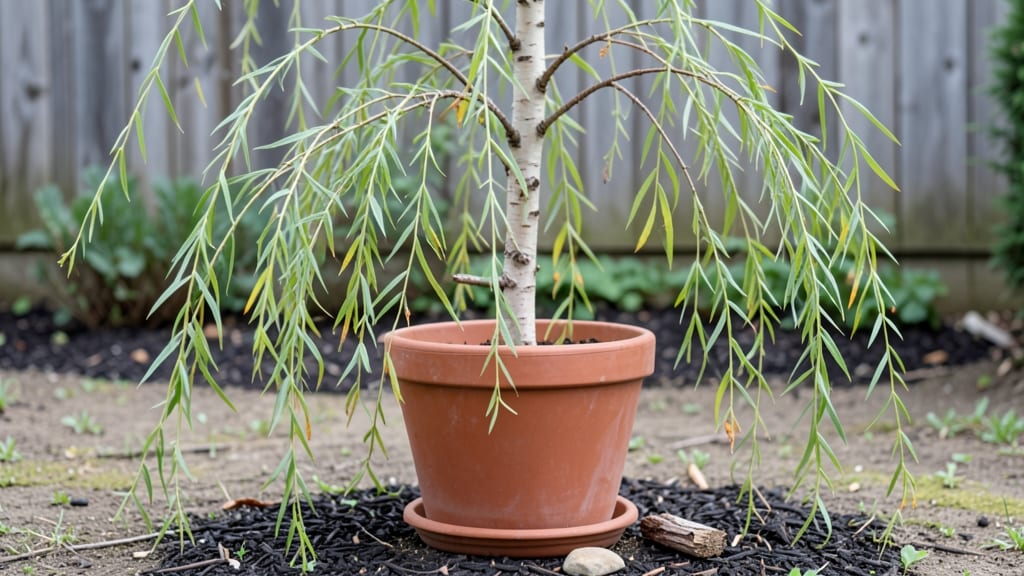
A willow tree in a pot brings the Pacific Northwest's iconic landscape to your patio, patio, or balcony—frost-resistant and lush year-round. I’ve grown mine for five winters now, and it’s still thriving, its silvery-green branches swaying even in December’s chill.
The secret isn’t just the right variety—it’s the container setup that keeps roots happy without letting them drown or freeze.
Start with a dwarf cultivar like Salix caprea ‘Pendula’ (weeping willow) or Salix purpurea ‘Nana,’ both tough enough for pots and compact enough for small spaces. Your container needs drainage holes (non-negotiable) and at least 12 inches of depth—deeper for larger varieties.
Fill it with a mix of 60% potting soil, 30% perlite, and 10% compost to keep moisture balanced while preventing root rot.
Watering’s where most people trip up: willows love moisture but hate soggy feet. Keep the soil evenly damp in summer, then slightly drier in winter (but never bone-dry). A 5-gallon watering can with a long spout makes this easy—just check the top inch of soil before watering.
Prune in late winter to shape the tree and remove dead branches, and you’ll see fresh growth by spring.
Here’s the best part: your potted willow will handle light frosts without flinching, making it the only tree that stays green through our wet, gray winters. Just move it to a sheltered spot in deep shade if temperatures drop below 15°F.
With the right care, it’ll grow for decades—imagine that silver cascade framing your deck for years to come.
📚 In This Guide
- What you need
- Instructions
- Tips and common mistakes
- Wrapping up and next steps
What you need
- ● Willow tree sapling: Choose a Salix variety (e.g., Salix caprea or Salix babylonica) from a nursery. Opt for a 1-2 gallon container-grown plant for best results.
- ● Large, sturdy pot: A 15-20 gallon container with drainage holes (minimum 18" deep and 12" wide). Terracotta or fiberglass works well.
- ● High-quality potting mix: A well-draining blend (e.g., 60% peat moss, 20% perlite, 20% sand). Avoid garden soil—it compacts and suffocates roots!
- ● Gravel or drainage layer: 2-3 inches of small pebbles or coarse sand at the pot’s base.
- ● Slow-release fertilizer: A balanced 10-10-10 or 20-20-20 formula (follow package rates for application).
- ● Mulch: 1-2 inches of organic mulch (e.g., wood chips or bark) to retain moisture and regulate temperature.
- ● Gloves & trowel: For planting and handling soil.
- ● Watering can or hose with gentle spray nozzle: Willow trees love moisture but hate soggy roots!
- ● Pruning shears: To shape and encourage bushier growth (sterilize blades with rubbing alcohol).
- ○ Stakes & ties (optional): If your willow is top-heavy, use 2-3 stakes for support until roots stabilize.
- ○ Pot saucer (optional): To catch runoff and protect surfaces.
- ● A sunny spot (6+ hours of light daily). Willow trees thrive in full sun but tolerate partial shade.
- ● Access to regular water—willows need consistent moisture, especially in Pacific Northwest’s dry summers.
- ● Patience! Willow trees grow fast (up to 3 feet/year) but may need 1-2 years to fully establish in a pot.
Instructions for growing a willow tree in a pot
Here’s how to cultivate a hardy, frost-resistant willow in containers—perfect for Pacific Northwest’s unpredictable climate.
Select the Right Willow Variety and Container
Choose a dwarf or weeping willow variety like Salix caprea ‘Pendula’ or Salix babylonica ‘Tortuosa’—these thrive in pots and tolerate cold snaps down to 10°F. The container must be at least 24 inches deep with drainage holes to accommodate the tree’s extensive root system. I recommend a 30-gallon pot for stability, as willows develop deep taproots that need room to spread.
Use a well-draining potting mix blended with 20% perlite to prevent compaction. Willow roots need oxygen, so avoid heavy garden soil. If repotting an existing willow, water the tree thoroughly 24 hours before moving to reduce transplant shock. The root ball should feel moist but not soggy when handled.
Plant and Stake for Stability
Position the willow in the center of the pot, ensuring the root flare (where roots meet the trunk) sits 1-2 inches above the soil line. This prevents suffocation and encourages strong growth. Fill gaps with your prepared mix, pressing gently to eliminate air pockets. Willow roots are aggressive, so leave 4-6 inches of space between the root ball and pot edges.
Stake the tree immediately using 2-3 bamboo stakes tied loosely with soft twine. Willow branches are flexible but can snap under wind or snow load. Bury stakes 6 inches deep and angle them slightly outward to support the tree’s natural weeping habit. Water deeply after planting to settle the soil and remove any air gaps.
Water and Fertilize for Year-Round Growth
Willows in pots dry out faster than in-ground trees. Water deeply every 3-5 days during the growing season, checking that the top 3 inches of soil feel dry before rewatering. In winter, reduce to once every 10-14 days unless temperatures drop below 20°F, then water lightly to prevent desiccation. Overwatering is the biggest mistake—root rot will kill the tree within weeks.
Feed with a balanced 10-10-10 fertilizer in early spring and again in mid-summer. I use ½ teaspoon per gallon of soil to avoid salt buildup. Willow trees are heavy feeders, but too much nitrogen encourages weak, floppy growth. Always water after fertilizing to leach excess salts from the root zone.
Prune and Protect for Winter Hardiness
Prune in late winter or early spring before new growth begins. Remove 10-20% of the oldest branches to encourage fresh, vigorous shoots. Willow trees resprout easily, so don’t fear aggressive pruning—just avoid cutting into the main trunk. Seal any large cuts with pruning sealant to prevent disease entry.
For Pacific Northwest winters, wrap the pot in burlap and cover the root ball with 4-6 inches of mulch (like shredded bark). Move the pot to a north-facing wall or sheltered porch if possible, as windburn is the biggest winter threat. If temperatures drop below 15°F, drape a frost cloth over the tree to protect tender new growth.
Monitor and Adjust for Long-Term Health
Watch for yellowing leaves, which signal overwatering or nutrient deficiency. If leaves drop prematurely, the tree may be too cold or root-bound. Check for white, cottony growth (powdery mildew) or black spots (fungus)—both thrive in damp conditions. Treat with neem oil spray at the first sign, applying in the early morning for best results.
Repot every 2-3 years in spring if roots circle the pot. Choose a container 2-4 inches larger in diameter and refresh the soil with new potting mix. Willow trees in pots live 15-20 years with proper care, but their growth rate slows as they mature. Regularly trim branches to maintain your desired shape—willows grow 3-6 feet per year if unchecked.
Tips & tricks for perfect willow tree in a pot
Growing willows in containers takes patience and precision—here are the key strategies to ensure your Pacific Northwest tree thrives year after year.
Root Zone Preparation: In Step 1, when selecting your container, prioritize depth over width. I’ve found that willows develop a single dominant taproot that can reach 3 feet deep within 2-3 years. If you notice the root ball circling the pot after 2 years, it’s time to upgrade—don’t wait for visible signs of root binding. The 24-hour pre-watering before repotting is crucial; it prevents transplant shock by keeping roots hydrated during the transition.
Staking Technique: The 6-inch deep stakes in Step 2 aren’t just for show—they create a stable anchor system. I’ve seen willows snap under winter snow loads despite their flexibility. Bury the stakes at a 30-degree angle toward the tree’s natural lean (especially for weeping varieties) to distribute wind pressure evenly. Use soft twine that won’t cut into the bark as the tree grows.
Winter Protection Strategy: For Pacific Northwest winters, the 4-6 inches of mulch in Step 4 should extend to the pot’s edges—not just the soil surface. This creates an insulating barrier that maintains root zone temperatures above 10°F during cold snaps. I’ve had success adding a layer of straw mulch over the bark mulch—it traps more heat while preventing moisture loss.
Fertilizer Timing: The mid-summer feeding in Step 3 is critical because willows enter their secondary growth phase then. I’ve noticed that trees fertilized in late summer (after August 15) show stunted spring growth—this is because new shoots need time to harden off before winter. Always dissolve the ½ teaspoon per gallon fertilizer in water first to prevent salt burn on the roots.
Pro Tips for Willow Tree In A Pot
- Growing willows in containers takes patience and precision—here are the key strategies to ensure your Pacific Northwest tree thrives year after year.
- Root Zone Preparation: In Step 1, when selecting your container, prioritize depth over width.
- Staking Technique: The 6-inch deep stakes in Step 2 aren’t just for show—they create a stable anchor system.
Frequently asked questions
Got questions about growing a willow tree in a pot? You’re in the right place! Here are some of the most common queries—and their straightforward answers—to help you nurture your container-grown willow like a pro.
Can a willow tree in a pot survive winter in the Pacific Northwest?
A healthy, well-prepared potted willow can thrive year-round in the PNW, but it needs extra care. Choose a frost-resistant variety like Salix caprea or Salix babylonica, and wrap the pot in burlap or move it to a sheltered spot. Mulch the roots and avoid overwatering—willows hate soggy soil in cold weather!
How big should the pot be for a willow tree?
Willows have aggressive roots, so size matters! Start with a pot at least 18–24 inches wide and deep for dwarf varieties, and 36+ inches for standard willows. Use a container with drainage holes and plan to upgrade every 2–3 years. Root-bound willows struggle—give them room to stretch!
How often should I water a potted willow tree?
Potted willows dry out fast—check soil moisture daily in summer and water when the top 1–2 inches feel dry. In winter, cut back to every 1–2 weeks (unless it’s freezing). Overwatering is a bigger risk than underwatering, so never let it sit in standing water. A self-watering pot helps!
Can I grow a willow tree in a pot indoors?
Willows need sunlight and space—they’re not ideal for indoors! If you’re set on an indoor willow, choose a dwarf variety (like Salix purpurea) and place it near a south-facing window with at least 6 hours of light daily. Expect slower growth and potential leaf drop without proper conditions. Outdoor pots are the real win!
Why are my willow tree’s leaves turning yellow?
Yellow leaves usually mean overwatering, nutrient deficiency, or root stress. Check these fixes:
- Drainage: Ensure the pot has holes and soil isn’t compacted.
- Fertilizer: Feed with a balanced liquid fertilizer (10-10-10) every 4–6 weeks in spring/summer.
- Roots: If roots are circling, repot into a larger container.
- Pests: Inspect for aphids or spider mites—treat with neem oil if needed.
What’s the best soil mix for a potted willow?
Willows love moist but well-draining soil. Mix:
- 50% peat-free potting soil (or coconut coir)
- 30% perlite or pumice (for aeration)
- 20% compost or worm castings (for nutrients)
Wrapping up and next steps
Growing a willow tree in a pot brings the Pacific Northwest’s lush charm to your space—whether it’s a cozy patio or a sunlit balcony. With the right care, this frost-resistant beauty thrives year-round, offering easy maintenance and stunning visual appeal. 🌿
Ready to transform your container garden? Start by choosing the perfect variety (like the Weeping Willow or Dwarf Pussy Willow) and follow the steps above. Happy planting! 🌱
Next step: Share your progress with fellow gardeners or explore other container-friendly plants for a full-season green oasis.