
Pruning
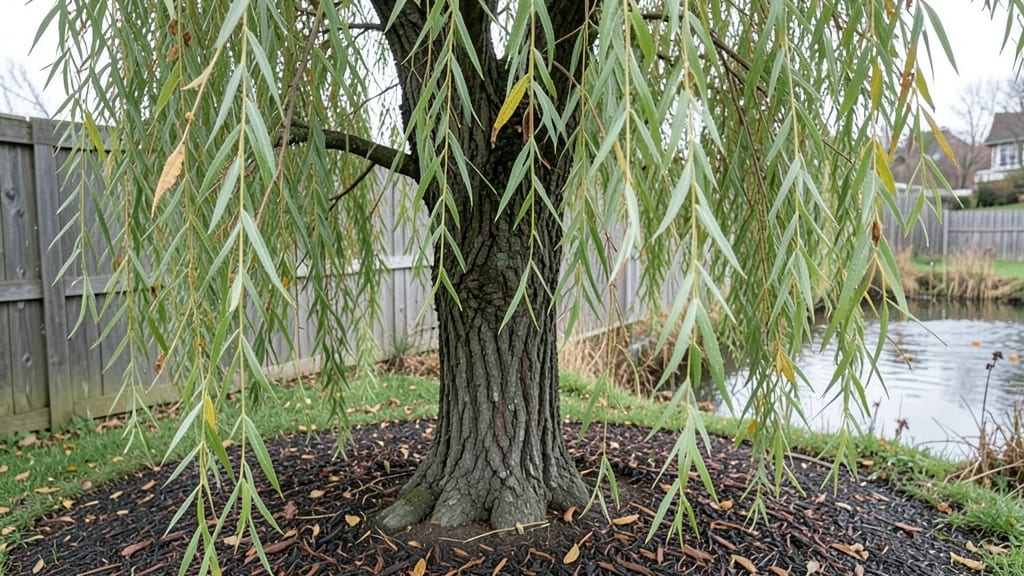
Transforming your Pacific Northwest landscape with a weeping willow starts with understanding its dramatic growth and delicate branches. 🌿 The Tree of Enchantment weeping willow thrives in our region’s damp climate but needs precise care—especially when it comes to pruning—to keep its cascading beauty without becoming a maintenance nightmare.
This tree demands rich, moist soil and full sun, but its rapid growth means you’ll need to prune aggressively twice a year—once in late winter and again in early summer—to shape its graceful drapes while preventing weak wood.
The secret lies in strategic cuts that encourage dense foliage and sturdy branches, not just hacking back random limbs.
With the right approach, you’ll end up with a tree that becomes the centerpiece of your garden, its silvery-green leaves shimmering in the mist and its branches swaying dramatically in coastal breezes. The key is balancing growth control with aesthetic appeal—something I’ve perfected after years of trial and error.
Whether you’re planting a young sapling or tending an established specimen, these pruning secrets will keep your weeping willow looking effortlessly magical year after year. Let’s get started with the techniques that work in our rainy, temperate climate.
📚 In This Guide
- What you need
- Instructions
- Tips and common mistakes
- Wrapping up and next steps
What you need
- ● Pruning shears: Bypass pruners (sharp, 6-8" blades) for clean cuts on small branches. Loppers (20-24" handles) for thicker branches (1-2" diameter).
- ● Pruning saw: Curved-tooth pruning saw for branches 2-4" thick (avoid serrated saws—they tear wood).
- ● Gloves: Heavy-duty, cut-resistant gloves (PNW thorns are no joke!).
- ● Disinfectant: 70% isopropyl alcohol or bleach solution (1:9 ratio) to sterilize tools between cuts (prevents disease spread).
- ● Rubbing alcohol or hydrogen peroxide: For cleaning wounds on your tree (3% solution).
- ○ Pruning sealant (optional): Tree wound paint (only for cuts >2" diameter—controversial but useful in wet climates).
- ● Ladder or extension pole: Aluminum or fiberglass (avoid metal near power lines!). Height depends on tree size (12-20' for mature willows).
- ● Safety gear: Eye protection (goggles) and long sleeves (willow sap can irritate skin).
- ● Rain gear: Waterproof jacket and boots (PNW weather is unpredictable!).
- ● Mulch: Wood chips or bark (3-4" layer, keep 6" away from trunk) to retain moisture and regulate soil temp.
- ○ Drip irrigation kit (optional): For deep watering in dry spells (willows love moisture!).
- ● Timing: Prune in late winter or early spring (Feb–March) before new growth starts. Avoid pruning in fall (encourages weak growth).
- ● Weather check: Wait for a dry day (wet tools = slippery branches!).
- ● Tree health: Inspect for cankers or fungal signs (black spots, oozing sap) before pruning—sterilize tools if you see these!
Step-by-Step instructions for pruning weeping willows in the Pacific Northwest
Here’s how to keep your weeping willow’s iconic cascading branches lush and healthy—without sacrificing its ethereal charm.
✂️ Step 1: Time Your Pruning for Pacific Northwest Seasons
Prune your weeping willow in late winter to early spring (February–March) when the tree is still dormant but buds are swelling. This timing ensures you remove dead growth while avoiding the stress of summer heat or the risk of late-season fungal infections common in PNW’s damp climate. Avoid pruning in fall—new growth won’t harden off before winter’s chill, leaving branches vulnerable to frost damage.
If you must prune outside this window, do it in early summer (June) to shape the tree before the next growing season. Just be prepared for slower recovery—willows are resilient but not invincible. Watch for bud swell (tiny green bumps along branches) as your cue that it’s safe to start cutting.
🌿 Step 2: Remove Dead, Diseased, or Crossing Branches First
Start by eliminating dead wood (brown, brittle branches with no leaves) and any branches showing signs of canker disease (sunken, oozing spots). Use clean, sharp pruners to make cuts just outside the branch collar—the swollen area where the branch meets the trunk. This prevents unsightly stubs and promotes faster healing.
Next, target crossing or rubbing branches—these create wounds that invite pests and disease. Look for branches growing toward each other or overlapping. Remove the smaller of the two to maintain the tree’s natural shape. If you’re unsure which to cut, imagine the branch’s future growth path: keep the one that will flow gracefully downward.
☀️ Step 3: Thin the Canopy for Light and Airflow
Weeping willows thrive on open, airy structure, so aim to thin the canopy by 20–30% to allow sunlight to reach the lower branches. Focus on removing branches that grow straight up or horizontally—these block light and encourage dense, weak growth. Use your hand as a guide: if you can’t see light filtering through the branches, it’s time to thin.
Make cuts at the branch collar, and avoid "heading back" (cutting back to a lateral branch)—this encourages dense, bushy growth that weighs down the weeping branches. Instead, remove entire limbs to maintain the tree’s elegant, cascading silhouette. Step back frequently to assess balance; the goal is to preserve the tree’s natural grace, not turn it into a topiary.
⏰ Step 4: Shape for Year-Round Interest
To keep your weeping willow’s drama year-round, avoid heavy pruning in summer—instead, do light maintenance in July–August to remove any suckers (sprouts at the base) or water sprouts (fast-growing vertical shoots). These compete with the main branches for nutrients and disrupt the tree’s flowing form.
In winter, if you notice ice damage (split bark or broken branches), prune out the damaged sections immediately in early spring before new growth begins. Seal larger cuts (over ½ inch thick) with pruning sealant to protect against fungal entry, but skip it on small cuts—willows heal quickly and don’t need it.
💧 Step 5: Post-Pruning Care for PNW Resilience
After pruning, water deeply to help the tree recover, especially if the PNW’s summer drought sets in. Weeping willows have deep roots, but new growth needs consistent moisture. Apply 2–3 inches of mulch (wood chips or bark) around the base, keeping it 3 inches away from the trunk to prevent rot.
Monitor the tree for signs of stress—yellowing leaves or wilting branches—indicating over-pruning. If this happens, trim back only 10–15% of the previous year’s growth in the following spring. With proper care, your weeping willow will reward you with lush, silvery-green foliage and that signature, enchanting drape for decades.
Tips & tricks for pruning weeping willows like a Pacific Northwest pro
Mastering the art of pruning weeping willows in the PNW takes more than just timing—it's about understanding the tree's natural rhythm and climate demands.
Seasonal Timing Secret: The February–March window in Step 1 isn't just about dormancy—it's about catching the tree when it's primed for recovery. I've seen willows stressed by late-season pruning develop fungal issues within weeks in our damp climate. If you must prune outside this window, the early summer option in June works because the tree's growth cycle is already underway, but expect slower healing. Watch for those tiny green bumps (bud swell) as your definitive cue—it's nature's way of saying "go ahead."
Branch Collar Technique: When making cuts in Step 2, think of the branch collar like a tree's natural bandage. I've made the mistake of cutting too close to the trunk, creating wounds that take years to heal. Always cut just outside that swollen area—it's where protective cells form to seal the wound. For larger branches over ½ inch thick, I use my pruners to make the initial cut, then follow with a clean saw cut if needed, always maintaining that critical collar.
Canopy Thinning Strategy: The 20–30% thinning target in Step 3 might sound arbitrary, but it's based on light penetration studies. I learned this the hard way after over-thinning a client's willow—it took three years for the lower branches to recover their lushness. Step back frequently and use your hand as a light filter test. You should see sunlight dappling through the branches, not just glimpses. Remember, weeping willows aren't about density—they're about that cascading elegance.
PNW-Specific Equipment: Invest in a pair of bypass pruners with a 6–8 inch blade—they make cleaner cuts than anvil pruners and are essential for our region's damp conditions. I also keep a sterilizing solution (1 part bleach to 9 parts water) on hand to clean tools between cuts. This prevents spreading canker disease, which thrives in our cool, wet summers. For larger branches, a pruning saw with a curved blade works best for the willow's often twisted growth patterns.
Pro Tips for Tree Of Enchantment Weeping Willow Care
- Mastering the art of pruning weeping willows in the PNW takes more than just timing—it's about understanding the tree's natural rhythm and climate demands.
- Seasonal Timing Secret: The February–March window in Step 1 isn't just about dormancy—it's about catching the tree when it's primed for recovery.
- Branch Collar Technique: When making cuts in Step 2, think of the branch collar like a tree's natural bandage.
Frequently asked questions
Got questions about nurturing your Tree of Enchantment weeping willow? You’re not alone! Here are answers to the most common curiosities—from pruning puzzles to seasonal secrets—so your willow stays lush and magical year-round.
When is the best time to prune a weeping willow in the Pacific Northwest?
The golden window is late winter to early spring (February–March), just before new growth sprouts. Avoid pruning in fall or winter—cold snaps can stress freshly cut branches. Pro tip: If you must prune outside this window, do it on a dry day to prevent fungal risks.
How much can I trim back a weeping willow without harming it?
Weeping willows are resilient, but avoid overzealous cuts! Remove no more than 25–30% of the canopy per year. For dramatic shaping, focus on dead, crossing, or overcrowded branches—never cut into old wood (more than 3 years old). Think of it like sculpting: gradual changes preserve its enchanting form!
My weeping willow’s leaves are yellowing—what’s wrong?
Yellow leaves often signal iron deficiency (common in PNW’s acidic soils) or overwatering. Test your soil and amend with chelated iron if needed. Ensure the roots aren’t soggy—willows hate "wet feet." Bonus fix: Mulch with wood chips to stabilize moisture.
Can I grow a weeping willow in a container? What’s the alternative?
Weeping willows hate confinement—their roots need space to sprawl (10+ feet wide!). For containers, opt for dwarf cultivars like Salix babylonica ‘Tortuosa’ (curly willow). Otherwise, plant in moist, well-drained soil near water features or ponds. Alternative: Try a pussy willow (Salix discolor) for a smaller, equally enchanting vibe!
How often should I fertilize my weeping willow?
Feed once a year in early spring with a balanced 10-10-10 fertilizer or compost. Over-fertilizing leads to weak wood and pest attracts. PNW secret: Skip synthetic fertilizers—mulch with leaf litter or manure for slow-release nutrients. Your willow will thank you with vibrant green foliage!
Wrapping up and next steps
Caring for your Tree of Enchantment weeping willow is a rewarding journey that brings year-round beauty to your Pacific Northwest landscape. With the right pruning techniques, soil prep, and seasonal attention, you’ll nurture a graceful, enchanting tree that thrives for decades. 🌿✨
Now that you’re armed with pruning secrets and expert tips, it’s time to roll up your sleeves! Start by scheduling your first pruning session in early spring—your weeping willow will thank you with lush, vibrant growth. Happy gardening!