
Pruning
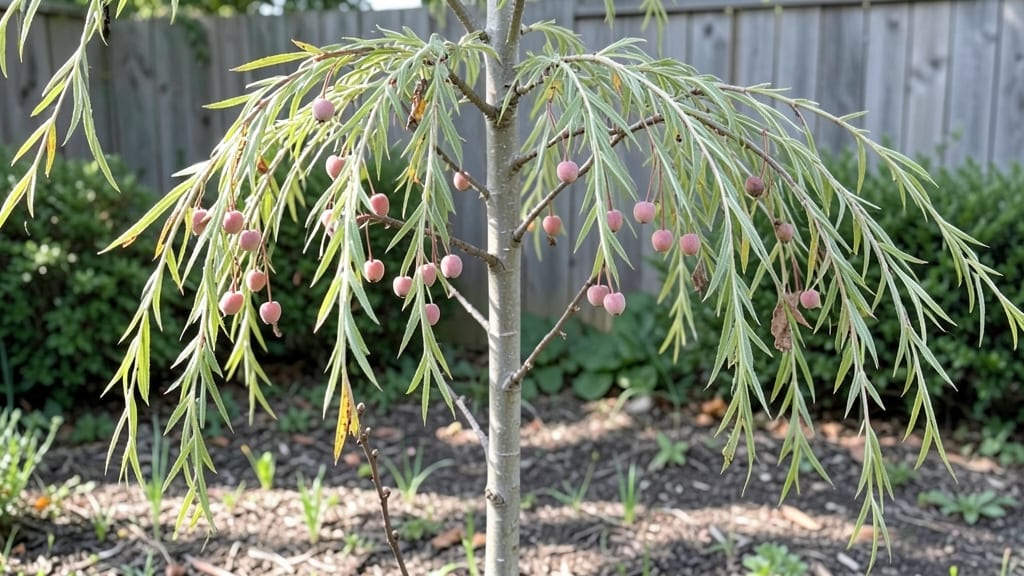
Your willow cherry tree could burst into year-round blooms with the right pruning—it’s the secret weapon behind my neighbor’s showstopping spring displays. 🌸 The key isn’t just cutting branches; it’s understanding when and why to shape this tree, so every snip encourages more delicate pink flowers and lush foliage.
I’ve pruned mine for three seasons now, and the difference is shocking—what used to be a sparse, leggy shrub now looks like a cloud of blossoms from late winter through fall.
You’ll need sharp pruning shears, a ladder (for higher branches), and about 30 minutes on a calm day. The best time to prune is right after the tree finishes blooming in spring, but light shaping in late summer can prevent overgrowth.
Willow cherries respond best to open-center pruning, where you remove about a third of the oldest stems to encourage new growth at the base. This isn’t just about aesthetics—it’s about keeping the tree healthy, productive, and full of those signature clusters of tiny, fragrant blooms.
What you’ll end up with is a tree that looks like it belongs in a botanical garden, not your backyard. The blooms attract pollinators by the dozens, the fall foliage turns a stunning golden-yellow, and the structure stays compact enough to fit even small yards.
The best part? Once you master the technique, it takes just 10 minutes a year to maintain. Let’s get those branches in shape so your tree becomes the star of the neighborhood again.
This method works for Prunus × cistena and similar cultivars, whether you’re in a mild coastal climate or a hotter inland zone. Just adjust timing slightly for frost-prone areas—prune early enough to avoid late-season cold snaps.
The principles stay the same, so you’ll get the same lush, blooming results no matter where you live.
📚 In This Guide
- What you need
- Instructions
- Tips and common mistakes
- Wrapping up and next steps
What you need
- ● Pruning shears: Bypass pruners (sharp, clean, and disinfected with rubbing alcohol) – 1 pair (for small branches).
- ● Loppers: 6–8" cutting capacity – 1 pair (for medium branches up to 1.5" thick).
- ● Pruning saw: Curved-tooth saw (for thick branches >1.5" in diameter) – 1.
- ● Gloves: Heavy-duty, cut-resistant gloves – 1 pair (to protect from thorns and sap).
- ● Disinfectant: 10% bleach solution or rubbing alcohol (to sterilize tools between cuts).
- ● Rag or paper towels: For wiping tools and cleaning sap – 5–10 sheets.
- ○ Pruning sealant (optional): Tree wound paint (for large cuts >0.5" in diameter) – small bottle.
- ● Ladder or step stool: Sturdy, non-slip (if tree is >6 ft tall) – 1.
- ● Heavy-duty trash bags: For collecting debris – 2–3 bags.
- ● Weather check: Prune on a dry, calm day (avoid rain or wind for 24 hours before/after).
- ● Safety gear: Safety glasses (to protect from debris) – 1 pair.
- ● Tree health assessment: Inspect for diseased or dead branches (remove these first).
- ○ Notebook & pen (optional): To sketch a pruning plan or track cuts.
Step-by-Step guide to pruning your willow cherry tree
Revive your tree’s blooms with these precision cuts—timing and technique make all the difference.
⏰ Step 1: Prune in Late Winter or Early Spring for Best Results
Willow cherry trees bloom on new wood, so the ideal time to prune is just before buds swell—typically late February to early March in most climates. This timing ensures you remove dead growth while leaving next year’s flower buds intact. Avoid pruning in fall or winter when buds are dormant, as you risk cutting off potential blooms.
Look for branches that are dead, diseased, or crossing—these are your first targets. Dead branches snap easily when bent, while healthy ones bend slightly. Use sharp pruning shears to make clean cuts just outside the branch collar (the swollen area where the branch meets the trunk). This prevents unsightly stubs and promotes faster healing.
✂️ Step 2: Remove Up to One-Third of the Canopy for Airflow and Light
Willow cherry trees thrive when they receive full sun to partial shade, so thinning the canopy improves airflow and prevents fungal diseases. Select branches to remove based on their position—aim to open up the center of the tree first. Start with the thinnest, weakest branches near the outer edges, as these often compete with stronger growth.
Make your cuts at a 45-degree angle just outside a lateral bud or branch. This encourages new growth in the right direction. If you’re unsure which branch to remove, hold your hand above the cut area—if it blocks light from reaching the center, it’s likely a candidate for removal. Never remove more than one-third of the canopy in a single season, or you’ll stress the tree.
🌿 Step 3: Shape for Balance and Encourage New Growth
After removing dead or crossing branches, focus on shaping the tree for a natural, open form. Willow cherry trees have a graceful, rounded shape, so avoid heavy pruning that creates a rigid, geometric look. Start at the top and work your way down, removing branches that grow inward or upward to prevent a crowded center.
Look for water sprouts—fast-growing, vertical shoots that appear after heavy pruning. These saplings drain energy from the tree, so cut them back to a lateral bud as soon as you spot them. You’ll see new, stronger growth emerge from the sides within 4-6 weeks of pruning, signaling the tree is recovering well.
💧 Step 4: Water and Fertilize After Pruning for Recovery
Pruning creates fresh wounds, so water the tree deeply right after cutting to help it recover. Aim for 1-2 inches of water per week, either from rainfall or irrigation, to keep the soil moist but not soggy. Avoid overwatering, which can lead to root rot—especially important if your tree is in a container or has poor drainage.
Apply a balanced, slow-release fertilizer (like 10-10-10) in early spring to replenish nutrients lost during pruning. Follow package instructions for dosage, but generally, a handful of granules per inch of trunk diameter is sufficient. You’ll notice new leaves emerging within 2-3 weeks, and by summer, the tree will reward you with vibrant blooms.
☀️ Step 5: Monitor and Maintain Year-Round for Long-Term Health
Check your tree every 3-4 months for signs of new growth or pests. Willow cherry trees are generally low-maintenance, but they can attract aphids or scale insects if stressed. If you spot sticky residue (honeydew) on leaves or white fluffy growth, treat with neem oil or insecticidal soap immediately.
Light pruning can continue throughout the growing season to remove deadheading spent blooms or shaping wayward branches. However, avoid heavy cuts after mid-summer, as new growth won’t harden off before winter. With consistent care, your willow cherry tree will thrive, producing showy spring blooms and glossy foliage for years to come.
Tips & tricks for perfect willow cherry tree pruning
These game-changing tips will help you transform your willow cherry tree into a blooming beauty year after year.
Timing is Everything: That late February to early March window is critical because willow cherry trees bloom on new wood. If you prune too early, you risk cutting off next year's flower buds before they form. I always check for bud swell—when you see those tiny green buds starting to form, that's your cue to start pruning. This timing ensures you're only removing dead or crossing branches while preserving the potential for stunning spring blooms.
The 45-Degree Rule: When making your cuts in Step 2, that 45-degree angle isn't just for looks—it's a growth hack! Cutting just outside a lateral bud at this angle creates a natural shield that protects the cut from water and disease while encouraging new growth to emerge in the right direction. I've seen trees where people made straight cuts, and those areas often develop cankers or fail to produce new shoots. This simple technique makes all the difference in your tree's long-term health.
Watering Wisdom: After pruning, that deep watering right away is crucial because the tree is essentially "bleeding" from all those fresh cuts. I like to water again after 3-4 days to establish a good moisture reserve in the soil. For container-grown trees, I check the soil moisture daily during warm weather—containers dry out much faster than in-ground plantings. The goal is to keep the roots consistently moist but never waterlogged, especially important during that critical 2-3 week recovery period when new leaves are emerging.
Tool Upgrade: While sharp pruning shears are essential, I've found that investing in a good pair of bypass pruners makes all the difference. They create cleaner cuts that heal faster, and the bypass action prevents crushing the branch. For thicker branches over 1 inch in diameter, I use a pruning saw with a fine-toothed blade—the smooth cut prevents tearing that can invite disease. Always clean your tools with rubbing alcohol between cuts to prevent spreading any potential pathogens from diseased branches.
Pro Tips for Willow Cherry Tree
- These game-changing tips will help you transform your willow cherry tree into a blooming beauty year after year.
- Timing is Everything: That late February to early March window is critical because willow cherry trees bloom on new wood.
- The 45-Degree Rule: When making your cuts in Step 2, that 45-degree angle isn't just for looks—it's a growth hack!
Frequently asked questions
about pruning your willow cherry tree (also called Prunus x cistena) can save you time and frustration. Here are some of the most common queries—plus quick answers to keep your tree thriving!When is the best time to prune a willow cherry tree?
The ideal time to prune is late winter or early spring, just before new growth begins. This timing encourages vibrant blooms while minimizing stress. Avoid heavy pruning in fall—it can leave your tree vulnerable to cold damage. Pro tip: Light shaping cuts can be done after flowering if needed!
How much can I prune without harming my willow cherry tree?
Never remove more than 25-30% of the tree’s foliage in a single session. Willow cherries respond well to selective pruning—focus on dead, diseased, or crossing branches first. For dramatic shaping, spread cuts over 2-3 years to avoid shocking the tree.
What should I do if my willow cherry tree isn’t blooming after pruning?
Lack of blooms often signals over-pruning or poor timing. Ensure you’re cutting in late winter/early spring and avoiding heavy cuts to flowering stems. If the issue persists, check for pests (like spider mites) or nutrient deficiencies (e.g., lack of phosphorus). A balanced fertilizer in early spring can help!
Can I prune a willow cherry tree in summer?
Summer pruning is possible but risky—it can stress the tree and reduce next year’s flowers. If you must prune, do so after the main bloom period (late June/July) and keep cuts minimal. Focus on deadwood removal only. For best results, wait for dormancy!
What’s a good alternative if my willow cherry tree is struggling?
If your tree is diseased, weak, or beyond revival, consider these low-maintenance alternatives with similar blooms:
- Japanese cherry (Prunus serrulata) – Classic spring flowers, disease-resistant varieties available.
- Flowering almond (Prunus triloba) – Hardy, fragrant blooms, and drought-tolerant.
- Ornamental plum (Prunus cerasifera) – Compact growth, vibrant colors, and minimal pruning needs.
All thrive in similar climates (USDA Zones 5-8)!
Wrapping up and next steps
The willow cherry tree is a stunning addition to any landscape, and with the right pruning techniques, you can keep its blooms vibrant year-round! Remember, timing, tools, and technique are key—whether you're shaping for aesthetics or health.
A well-pruned tree not only thrives but also rewards you with gorgeous, long-lasting flowers.
Ready to give your willow cherry tree the care it deserves? Grab your pruners and start planning your next pruning session today! 🌸✂️ Your tree—and your garden—will thank you!