
Pruning
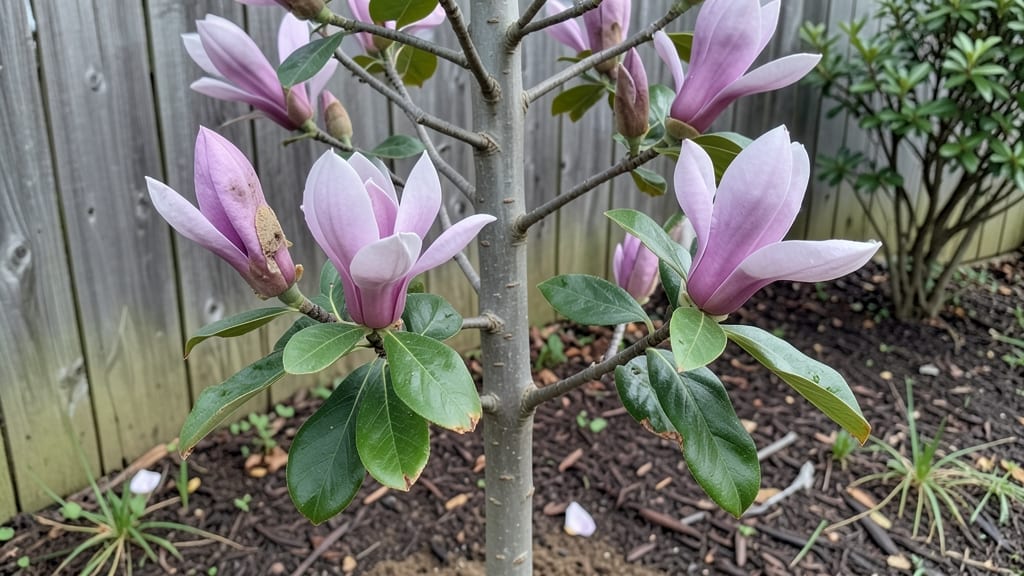
Those swollen magnolia buds in winter are nature’s promise of spring—if you know how to protect them. 🌸 I’ve watched my own magnolia trees go from bare branches to blossoming canopies, and the key lies in understanding when frost threatens those delicate buds and how to give them the best chance.
The buds you see now are already forming next year’s flowers, but winter’s unpredictability can turn them dry or cracked. Healthy buds feel firm and plump, while damaged ones look shriveled or oozing sap.
A light dusting of snow actually helps insulate them, but sudden freezes or wet rot can spell trouble—especially in zones with erratic cold snaps.
Pruning in winter isn’t about cutting back—it’s about strategic shaping to improve airflow and reduce frost pockets. Wait until late winter when the buds are still dormant but the threat of hard freezes has passed. A few strategic cuts now mean fewer surprises when the blooms finally arrive in spring.
Here’s the thing—magnolias are tougher than they look. With the right care, those buds will burst into vibrant blooms come spring, and you’ll know exactly why your neighbors’ trees never measure up. Let’s make sure yours thrives.
📚 In This Guide
- What you need
- Instructions
- Tips and common mistakes
- Wrapping up and next steps
What you need
- ● Pruning shears: Bypass pruners (for small branches, ¼”–½” thick)
- ● Loppers: For medium branches (½”–1½” thick), with 4–6” handles for leverage
- ● Pruning saw: For thick branches (1½”+ thick), with a fine-tooth blade for clean cuts
- ● Gloves: Heavy-duty, cut-resistant (e.g., leather or synthetic mesh)
- ● Disinfectant: 70% isopropyl alcohol or rubbing alcohol (for sterilizing tools between cuts)
- ○ Sharpie or marker: Permanent (waterproof) for labeling cuts (optional but helpful)
- ● Pruning sealant: Tree wound paint (e.g., Tanglefoot Tree Wound Pruning Seal) for large cuts (1”+ diameter)
- ● Ladder or step stool: Sturdy, non-slip, and tall enough to reach branches safely
- ○ Bucket or trash bag: For collecting pruned branches (optional but practical)
- ● Weather check: Prune on a dry, calm day (avoid frost or rain within 24 hours)
- ● Safety glasses: Protects eyes from debris
- ● Long sleeves/pants: Thick fabric to prevent scratches or thorns
- ● First-aid kit: Bandages and antiseptic wipes (just in case!)
- ○ Garden journal: Notebook or app to log cuts, dates, and observations (optional but recommended)
How to prune magnolia buds in winter for stronger spring blooms
Winter’s the perfect time to shape your magnolia—here’s how to do it right.
✂️ Step 1: Identify Last Year’s Flower Buds
Magnolia buds form on 1-year-old wood, so look for those plump, woody swellings along last season’s branches. They’ll be larger than leaf buds and feel firm to the touch. I like to examine them in late winter—after the worst frost—when the tree’s dormant but still holds its structure.
Mark branches with 3+ healthy buds for pruning. These indicate strong growth potential. Avoid cutting back to bare wood unless the branch is dead—you’ll sacrifice next year’s blooms. Here’s the thing: magnolias bloom on old wood, so every cut removes potential flowers.
✂️ Step 2: Prune at the Right Angle and Spot
Use sharp, clean pruners to make cuts just outside the bud collar (the swollen area where the bud meets the branch). Angle the cut slightly downward to prevent water from pooling. I always cut at a 45-degree angle—this keeps the wound smaller and heals faster.
Never leave stubs. A clean cut prevents disease and encourages faster healing. Focus on removing only dead, crossing, or weak branches. If a branch is thicker than your thumb, make the cut in stages to avoid tearing the bark. Real talk: magnolias are forgiving, but precision here means fewer surprises come spring.
☀️ Step 3: Thin Out Crowded Branches for Airflow
Step back and look at the tree’s shape. Remove 1 in every 3-4 branches to improve airflow and sunlight penetration. This prevents fungal issues and encourages stronger growth. I start at the center and work outward—thinning from the inside opens up the canopy.
Watch for branches growing straight up or rubbing against others. These are prime candidates for removal. You’ll see the difference in just a few years: better blooms, fewer pests, and a more balanced silhouette. Don’t overdo it—magnolias respond best to gradual shaping.
🌱 Step 4: Clean Up and Protect the Tree
After pruning, sterilize your tools with rubbing alcohol to prevent spreading disease. Rake up and dispose of any fallen debris—this reduces hiding spots for pests. I like to apply a thin layer of dormant oil spray (if using) to smother overwintering insects.
Mulch around the base with 2-3 inches of organic mulch, keeping it 6 inches away from the trunk. This insulates roots from freezing temperatures. Avoid heavy pruning after this point—your magnolia’s done for the season. You’ve just set it up for a spectacular spring show.
Tips & tricks for perfect magnolia pruning
Winter pruning transforms your magnolia into a stronger, more vibrant tree—here's how to avoid common mistakes and get the best results.
Timing is Everything: Prune after the worst winter frost but before new growth begins—typically late winter to early spring. This timing ensures the tree has healed from winter stress but hasn't yet started its spring growth cycle. I've learned the hard way that pruning too early can expose vulnerable buds to late frosts, while waiting too long risks disturbing the tree's energy reserves for spring blooms.
Tool Precision Matters: Your pruners should be sharper than a chef's knife. Dull tools crush branches instead of making clean cuts, which invites disease and slows healing. I always clean and sharpen my pruners between trees to prevent cross-contamination. For thicker branches, use pruning saws designed for clean, straight cuts—never hack at them with a dull tool.
Visual Cues for Healthy Buds: Healthy flower buds feel firm and plump, like a ripe olive, while leaf buds are smaller and flatter. If you're unsure, gently squeeze a bud—it should feel resilient, not mushy (which indicates rot) or hollow (which means it's dead). Remember, you're pruning for next year's blooms, so every cut should preserve at least 3 healthy buds per branch.
Post-Pruning Care: After you've finished pruning, don't just walk away! Sterilize your tools with rubbing alcohol to prevent disease spread, and remove all fallen debris from the base. I've seen too many magnolias develop fungal issues because pruners weren't cleaned properly between cuts. The 2-3 inches of mulch you add should be kept 6 inches from the trunk—this prevents moisture buildup that can rot the bark.
Pro Tips for Magnolia Tree Buds In Winter
- Winter pruning transforms your magnolia into a stronger, more vibrant tree—here's how to avoid common mistakes and get the best results.
- Timing is Everything: Prune after the worst winter frost but before new growth begins—typically late winter to early spring.
- Tool Precision Matters: Your pruners should be sharper than a chef's knife.
Frequently asked questions
Got questions about those stubborn magnolia tree buds in winter? You’re not alone! Here are some of the most common queries—plus clear, actionable answers to keep your tree thriving.
When is the best time to prune magnolia buds in winter?
The ideal window is late winter (February–March), after the worst frost has passed but before new growth starts. Pruning too early risks frost damage to fresh cuts, while waiting too long may stimulate early blooms that could get nipped by late frosts. Pro tip: Check your USDA zone—warmer climates (Zones 7–9) can prune slightly earlier (January–February).
What if my magnolia buds freeze or turn black? Can they recover?
Don’t panic! Magnolias are tough—buds often recover if the center isn’t mushy. Wait until late spring (after last frost) to assess. If buds are shriveling but stems are firm, they’ll likely rebloom. Dead wood (brown, brittle branches) can be pruned away cleanly. For extra insurance, apply a thin layer of mulch around the base in fall to protect roots.
Should I remove all the buds, or just some?
Selective pruning is key! Remove only:
- Dead, diseased, or crossing branches.
- Bud clusters on last year’s wood (these produce the best blooms).
- Suckers or water sprouts (vertical, fast-growing shoots).
Can I prune magnolia buds in fall instead of winter?
Fall pruning is risky for magnolias. Cutting too late (September–November) leaves fresh wounds vulnerable to bacterial/fungal infections or winter dieback. If you must prune in fall, do it 6–8 weeks before frost (early September) and use a sterilized saw. Winter pruning gives your tree a fighting chance to heal before spring.
What if my magnolia isn’t blooming at all after pruning?
Lack of blooms often stems from over-pruning or stress. Check these fixes:
- Age: Young magnolias (under 5 years) focus on growth, not flowers.
- Light: Ensure it gets 6+ hours of sunlight daily.
- Soil: Amend with compost for nutrients (magnolias love acidic, well-draining soil).
- Patience: Some varieties (like Magnolia grandiflora) bloom later than others.
Wrapping up and next steps
Winter is the perfect time to shape your magnolia’s future blooms—strategic pruning now ensures vibrant, frost-resistant flowers come spring! 🌸 By following the right steps, you’ll encourage healthy growth and stunning displays while protecting your tree from harsh conditions. Remember, patience and precision pay off.
Ready to take action? Grab your tools, mark your calendar, and start pruning before the first buds swell. Your magnolia—and your future garden—will thank you!