
Trees
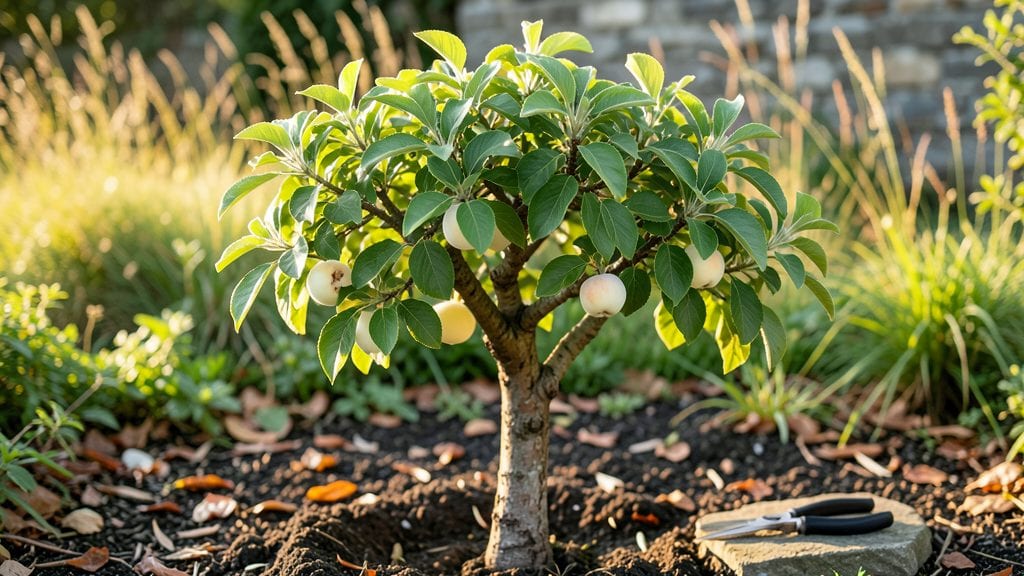
Planting a white nectarine tree in the Pacific Northwest means sweet, snow-white fruit that stands out in any orchard—if you get the site and timing right. 🌿 I’ve grown these in my own backyard, and the key is matching the tree’s needs with our region’s cool nights and wet winters.
The first year is all about setting up for success; after that, it’s mostly maintenance and patience as the tree matures.
White nectarines thrive in well-draining soil with full sun (at least 6-8 hours daily), but they’re more cold-hardy than most nectarines, making them perfect for zones 5-8.
Start with a dwarf or semi-dwarf variety for easier harvests, and plant in early spring when the soil is workable but frost isn’t a threat. The trees need space—15-20 feet apart—to avoid crowding, and a windbreak helps protect blossoms from spring frosts.
📚 In This Guide
- What you need
- Instructions
- Tips and common mistakes
- Wrapping up and next steps
What you need
- ● White nectarine tree: Choose a Prunus persica variety suited for PNW’s Zone 7-9 (e.g., ‘Fantasia,’ ‘Snow Queen’). Buy from a nursery (bare-root or potted, 1-3 years old).
- ● Planting site: Full sun (6+ hours/day).
- ● Well-draining soil (amend with compost if clay-heavy).
- ● Space: 15–20 feet between trees (or 25+ ft. for dwarf varieties).
- ● Soil prep: 5–10 lbs. 5-10-10 fertilizer (or organic alternative like alfalfa meal).
- ● 2–3 inches of compost or aged manure.
- ● 1–2 lbs. lime (if soil pH < 6.0; test with a kit).
- ● Planting tools: Shovel or digging bar.
- ● Garden trowel.
- ● Pruning shears (sterilized).
- ● Watering can or hose with nozzle.
- ● Mulch (3–4 inches of wood chips or straw to retain moisture).
- ● Tree guard or wire cage (to protect from deer/squirrels).
- ● Drip irrigation system (for consistent watering).
- ● Pollination partner: Another nectarine or peach tree (if your variety isn’t self-pollinating).
- ● Fruit thinning shears (for managing harvest).
Step-by-step guide to planting and cultivating a white nectarine tree in the Pacific Northwest
Here’s how to establish a thriving white nectarine tree that thrives in the PNW’s unique climate.
🌱 Step 1: Select the Right Variety and Planting Site
Choose a white nectarine cultivar suited for the Pacific Northwest, such as ‘Fantasia’ or ‘Sugar Belle,’ which are cold-hardy and disease-resistant. These varieties handle the region’s cooler summers and wet winters better than traditional nectarines. Plant in a location with full sun exposure—at least 6-8 hours of direct sunlight daily—and well-draining soil. The PNW’s acidic soils often need amendment with compost or lime to achieve a pH of 6.0-6.5, ideal for nectarines.
White nectarines need sheltered spots to protect against late spring frosts, which can damage blossoms. If your yard has chilly low areas, consider planting near a south-facing wall or fence. Test your soil’s drainage by digging a 12-inch hole—if water pools after 24 hours, amend with sand or gravel to improve drainage. This prevents root rot, a common issue in the PNW’s damp climate.
🪴 Step 2: Plant at the Correct Time and Depth
Plant your bare-root or container-grown nectarine tree in early spring, 4-6 weeks before the last frost date, to allow roots to establish before summer heat. For container-grown trees, dig a hole twice as wide as the root ball but no deeper—the top of the root ball should sit 1-2 inches above ground level to prevent waterlogging. If planting bare-root, soak the roots in water for 1-2 hours before placing them in the hole.
Backfill the hole with a mix of native soil and compost (use the 1 bag of compost from your materials) to encourage root growth. Water deeply to settle the soil and remove air pockets. Mulch the base with 3-4 inches of wood chips or straw, keeping mulch 6 inches away from the trunk to prevent rot. This mulch layer helps retain moisture and regulate soil temperature, which is critical in the PNW’s variable climate.
☀️ Step 3: Provide Seasonal Care for Fruit Development
During the first growing season, focus on watering deeply once a week (or more frequently in summer heat) to encourage root growth. White nectarines need consistent moisture, especially in the PNW’s dry summers, but avoid overwatering—soggy soil invites disease. Check soil moisture by sticking your finger 2 inches deep; water when it feels dry. Fertilize lightly in early spring with a balanced 10-10-10 fertilizer (use 1/4 cup per tree) to support new growth without overstimulating foliage at the expense of fruit.
In late winter, apply dormant oil spray (use the 1 gallon dormant oil) to protect against pests like scale and mites, common in PNW orchards. Prune in early spring before buds swell, removing dead, crossing, or diseased branches. Thin fruit in late spring (when fruits are 1 inch in diameter) to 4-6 fruits per cluster, ensuring larger, higher-quality nectarines. This step is crucial—overcrowded fruit leads to small, underdeveloped nectarines.
✂️ Step 4: Maintain Long-Term Health and Productivity
Every year in early spring, prune to open the canopy and improve airflow, reducing humidity-related diseases like brown rot. Remove suckers (shoots from the base) and water sprouts (vertical shoots) to direct energy into fruit production. Thin fruit again in late spring if needed, aiming for 6-8 inches between fruits on mature trees. Harvest white nectarines when they yield slightly to gentle pressure (usually late summer to early fall, depending on variety and microclimate).
In fall, apply a 2-3 inch layer of mulch to insulate roots from winter frosts. Monitor for aphids or codling moths—common PNW pests—and treat with neem oil or insecticidal soap if needed. White nectarines are self-pollinating, but planting a second tree nearby can improve fruit set. In the PNW, cross-pollination with other stone fruits (like plums) can also boost yields. Enjoy your harvest, and remember: patience is key—nectarine trees typically bear fruit 3-5 years after planting.
Tips & tricks for perfect white nectarine tree cultivation in the Pacific Northwest
Here's what I've learned from years of growing white nectarines in the PNW's challenging climate - these tricks will help you avoid common pitfalls and maximize your harvest.
Site Selection Secrets: When evaluating potential planting spots, pay special attention to microclimates in your yard. The 6-8 hours of direct sunlight requirement is non-negotiable, but you'll also want to identify areas with natural windbreaks. Mature evergreen trees or sturdy fences can create sheltered spots that protect blossoms from late spring frosts - a critical factor for white nectarines in the PNW. I've found that south-facing slopes get the most consistent sunlight while still maintaining good drainage.
Soil Preparation Pro Tip: Don't skip the 24-hour drainage test - this is your best defense against root rot in our damp climate. If water pools after this time, you'll need to create raised beds or amend with sand or gravel. For the 1 bag of compost mentioned, I recommend using well-aged compost with a pH of 6.5-7.0 to avoid introducing pathogens. Mix it thoroughly with native soil to create a nutrient-rich planting medium that encourages strong root development.
Planting Timing Strategy: The 4-6 weeks before last frost window is crucial for establishing roots before summer heat arrives. For container-grown trees, I've found that removing the outer pot layer just before planting helps prevent root circling. When soaking bare-root trees for 1-2 hours, use room-temperature water and keep the roots submerged - this prevents air pockets that can damage delicate roots during transplant.
Long-Term Care Hack: For the 1 gallon of dormant oil application in late winter, I've had success using a pump sprayer for even coverage. Apply when temperatures are above 40°F but before buds begin to swell. This timing targets overwintering pests while protecting beneficial insects. Remember that white nectarines are self-pollinating, but planting a second tree within 50 feet can significantly improve fruit set through cross-pollination - especially valuable in our cooler PNW summers.
Pro Tips for White Nectarine Tree
- Here's what I've learned from years of growing white nectarines in the PNW's challenging climate - these tricks will help you avoid common pitfalls and maximize your harvest.
- Site Selection Secrets: When evaluating potential planting spots, pay special attention to microclimates in your yard.
- Soil Preparation Pro Tip: Don't skip the 24-hour drainage test - this is your best defense against root rot in our damp climate.
Frequently asked questions
Got questions about growing a white nectarine tree in the Pacific Northwest? We’ve got answers! Here are some of the most common inquiries to help you get started on the right foot.
How cold-hardy are white nectarine trees, and can they survive PNW winters?
White nectarine trees thrive in USDA Zones 5-9, making them a great fit for the Pacific Northwest’s mild winters (Zones 6-8). However, they’re semi-tender—young trees or harsh winters may need winter protection, like wrapping the trunk or mulching heavily. Choose cold-hardy varieties like ‘Fantasia’ or ‘Snow Queen’ for extra resilience.
How long does it take for a white nectarine tree to bear fruit?
Patience is key! Most white nectarine trees take 3-5 years to produce fruit after planting, depending on variety, care, and climate. Dwarf varieties may fruit slightly sooner (2-3 years), while standard trees can take longer. Pro tip: Ensure proper pruning, fertilization, and cross-pollination (if needed) to speed up fruiting.
Do white nectarines need another tree for pollination?
Yes! Most white nectarine varieties are self-pollinating but benefit from cross-pollination. Planting a second nectarine tree (even a different variety) within 50 feet improves fruit set. If space is limited, opt for a self-fruitful variety like ‘Summer Grand’, though yields may be smaller. Bees love them—just make sure they have access!
What pests or diseases should I watch for with a white nectarine tree?
Common issues include:
- Peach leaf curl (fungal disease)—treat with copper spray in late fall/winter.
- Aphids or scale insects—use horticultural oil or insecticidal soap.
- Brown rot (fruit rot)—remove infected fruit promptly and prune for airflow.
Regular pruning and sanitation (removing fallen leaves/fruit) go a long way in prevention. Tip: Monitor trees early in spring for early signs of trouble!
Can I grow a white nectarine tree in a container, or do I need a yard?
While possible, container-growing is challenging for nectarine trees due to their size and root needs. They thrive best in well-draining soil with ample space (15-20 feet for standard trees). If you’re set on containers, choose a dwarf variety, use a large pot (20+ gallons), and repot every 2-3 years. Best for patios or small spaces!
Are white nectarines sweeter than yellow nectarines?
Flavor varies by variety, but white nectarines are often sweeter and more aromatic than their yellow counterparts due to lower acidity. They’re also lower in carotenoids (which give yellow nectarines their color), making them a great choice for those who prefer milder, dessert-like fruit. Try ‘Candy’ or ‘White Lady’ for a taste test!
Wrapping up and next steps
Growing a white nectarine tree in the Pacific Northwest is a rewarding journey—one that brings sweet rewards and lush greenery to your landscape.
Whether you're drawn to its delicate blossoms, fragrant fruit, or the joy of nurturing a thriving tree, this guide has equipped you with everything you need to succeed.
Now, take that first step: plant your tree, tend to its needs, and soon, you’ll be savoring homegrown nectarines straight from your own backyard! 🌱🍑
- Next up: Mark your calendar for planting season (early spring or fall) and watch your tree flourish!
- Pro tip: Share your progress with fellow gardeners—inspiration spreads like pollen! 🌸