
Trees
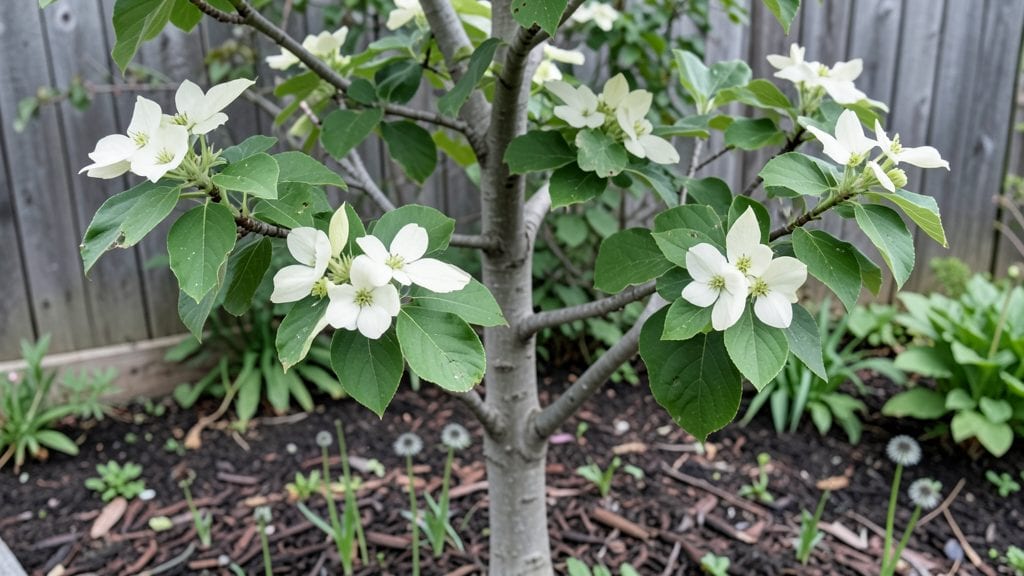
Caring for a white dogwood tree means welcoming a Pacific Northwest showstopper that thrives through all four seasons. ✨ The moment those iconic white blooms appear in spring, followed by brilliant red berries in fall, you’ll understand why this tree is a landscape treasure.
It’s not just about beauty—it’s about resilience, too, with roots that handle wet winters and shade that keeps it cool in summer.
This tree wants well-draining soil and at least 6 hours of sunlight daily, though it tolerates partial shade once established. Watering is simple: deep soaks once a week in dry spells, but never soggy soil.
Pruning in late winter keeps it healthy and encourages those stunning blooms—just avoid cutting back too much, or you’ll risk missing next year’s flowers. With the right care, your dogwood will stand tall for decades, becoming the centerpiece of your garden.
📚 In This Guide
- What you need
- Instructions
- Tips and common mistakes
- Wrapping up and next steps
What you need
- ● Pruning tools: 1 pair of bypass pruners (sharp, clean, and bypass-style for clean cuts)
- ● 1 pair of loppers (for thicker branches, 18-24" reach)
- ● 1 pruning saw (for branches 2"+ in diameter)
- ● Fertilizer: 1 5-10 lb bag of balanced, slow-release fertilizer (e.g., 10-10-10 or 20-20-20)
- ● 1 5 lb bag of organic compost (for mulching)
- ● Soil amendments: 1 50 lb bag of peat moss or coconut coir (for acidic soil adjustment)
- ● 1 25 lb bag of sulfur (if soil pH is too high)
- ● Mulch: 1 3-4 cubic feet bag of wood chips or pine straw (keep 3-4" away from trunk)
- ● Watering supplies: 1 hose with adjustable nozzle (or drip irrigation system for deep watering)
- ● 1 watering can (for young seedlings or container-grown trees)
- ● Pest control: 1 spray bottle (for neem oil solution or insecticidal soap)
- ● 1 pair of gloves (nitrile or latex for handling chemicals)
- ● Safety gear: 1 safety goggles (when pruning near eyes)
- ● 1 long-sleeve shirt and pants (to avoid scratches from thorns or branches)
- ○ Diagnostic tools (optional but helpful): 1 soil pH test kit (to monitor acidity levels)
- ● 1 moisture meter (for checking soil hydration)
- ● 💡 Pruning hack: Sterilize tools with rubbing alcohol between cuts to prevent disease spread.
- ● 🌡️ Watering pro: Water deeply 1-2 times per week (more in summer) to encourage deep root growth.
- ● 🎯 Fertilizer timing: Apply fertilizer in early spring (before new growth) and late summer for fall prep.
How to care for a white dogwood tree year-round in the Pacific Northwest
Here's the straightforward approach I've used for decades to keep these iconic trees thriving through our damp, mild winters and lush summers.
🌱 Step 1: Plant in the Right Spot with Proper Soil Conditions
White dogwoods (Cornus florida) love partial shade in the Pacific Northwest—morning sun with afternoon shade works best. Avoid full sun spots where leaves scorch, but don't plant them in deep shade either. The ideal location gets 4-6 hours of filtered light daily.
Dig a hole twice as wide as the root ball but only as deep. Amend the native soil with 3 inches of compost mixed into the bottom third of the hole. Dogwoods prefer slightly acidic to neutral soil (pH 5.0-7.0)—test your soil first if your area is particularly alkaline. Gently loosen the root ball before planting to encourage root spread.
☀️ Step 2: Water Deeply and Mulch for Moisture Retention
Water deeply once a week for the first year, providing 1-2 gallons per week depending on tree size. You'll know it's enough when water reaches 12-18 inches deep—use a soil probe to check. Dogwoods hate soggy roots, so ensure the planting area has good drainage. If your soil stays wet for more than 24 hours after watering, amend with sand or perlite.
Apply 3-4 inches of mulch (wood chips or pine bark) around the base, keeping it 6 inches away from the trunk. This mimics the forest floor they thrive in. Replenish mulch annually—it breaks down quickly in our rainy climate. Avoid fresh wood chips, which can rob nitrogen from the soil.
✂️ Step 3: Prune for Health and Flowering in Late Winter
The best time to prune is February or early March, just before buds swell. Remove dead, diseased, or crossing branches first—these are easy to spot as they lack buds or have blackened bark. Cut back to the collateral bud (the one facing outward) to encourage proper growth. Avoid heavy pruning, as dogwoods bloom on old wood.
Shape the tree lightly by thinning out overcrowded branches to improve air circulation. Never remove more than 25% of the canopy in one year—this stresses the tree and can invite pests. Sterilize your pruners with rubbing alcohol between cuts to prevent spreading disease.
🌿 Step 4: Fertilize Lightly and Monitor for Pacific Northwest Pests
Dogwoods are light feeders—apply a balanced 10-10-10 fertilizer in early spring only if new growth is sparse. Use half the recommended rate to avoid burning roots. Organic options like fish emulsion work well too. Avoid high-nitrogen fertilizers, which encourage leafy growth at the expense of flowers.
Watch for dogwood anthracnose, a fungal disease common in our damp climate. It appears as dark spots with yellow halos on leaves. Remove infected leaves promptly and apply copper fungicide in early spring as prevention. Scale insects may also appear as white, waxy bumps on branches—blast them off with water or use horticultural oil in late winter.
⏰ Step 5: Prepare for Winter Dormancy and Spring Awakening
Dogwoods handle our mild winters well, but young trees benefit from wrapping the trunk with burlap or tree guard to prevent rodent damage. Remove any dead or diseased branches before winter sets in—this reduces overwintering pests. Avoid heavy pruning in fall, as it stimulates new growth that won't harden off before frost.
In late winter, look for swollen buds as a sign the tree is waking up. This is when you should resume watering if we've had a dry spell. Dogwoods often flower before leaves emerge—a stunning sight if you've planted them correctly. If flowers are sparse, it may signal too much shade or over-fertilizing with nitrogen.
Tips & tricks for perfect white dogwood tree care
A few simple tricks will help your Pacific Northwest dogwood thrive year after year—these are the lessons I've learned from decades of growing them.
Lighting Secret: When planting in Step 1, pay attention to the 4-6 hours of filtered light requirement. If your yard has dense evergreens, consider planting on the west side of the tree for afternoon shade while still getting morning sun. I've seen dogwoods struggle in north-facing spots where they get too little light—watch for pale leaves as a warning sign.
Watering Wisdom: That 12-18 inch deep watering in Step 2 is critical, especially in our rainy climate. Use a soil probe or long screwdriver to check moisture levels—if it comes out dry after 24 hours, water again. I've found that drip irrigation set to run for 30 minutes once a week works perfectly for established trees.
Pruning Precision: In Step 3, when pruning in February or early March, focus on removing branches that cross each other—they create wounds that invite disease. I always make my cuts just above the collateral bud facing outward, and I never remove more than 25% of the canopy in one year. This keeps your tree healthy and flowering beautifully.
Pacific Northwest Pest Prevention: For the dogwood anthracnose prevention in Step 4, I've had great success with a copper fungicide spray applied in early spring before buds swell. For scale insects, I've found that a sharp stream of water from the hose works just as well as horticultural oil for removing those white, waxy bumps from branches.
Pro Tips for White Dogwood Tree Care
- A few simple tricks will help your Pacific Northwest dogwood thrive year after year—these are the lessons I've learned from decades of growing them.
- Lighting Secret: When planting in Step 1, pay attention to the 4-6 hours of filtered light requirement.
- Watering Wisdom: That 12-18 inch deep watering in Step 2 is critical, especially in our rainy climate.
Frequently asked questions
about white dogwood tree care—especially in the Pacific Northwest’s unique climate—can help you feel confident in your gardening journey. Here are some common queries with straightforward answers to keep your tree thriving year-round.When is the best time to plant a white dogwood in the PNW?
The ideal window is late fall to early spring (October through March). This timing allows roots to establish before summer heat or winter freezes. Avoid planting during extreme temperatures—dogwoods are sensitive to stress. Pro tip: Water deeply after planting and mulch to retain moisture.
How do I protect my dogwood from winter damage in the PNW?
White dogwoods are hardy but can suffer from winter burn or frost cracks. Apply a 2–3 inch layer of mulch around the base (but not touching the trunk) to insulate roots. Wrap young trees with burlap if your area gets heavy snow or ice. Prune damaged branches in early spring.
What pests or diseases should I watch for in PNW dogwoods?
Common issues include dogwood anthracnose (fungus causing leaf spots) and borers (insects tunneling into wood). Improve airflow by pruning dense branches, and remove infected leaves promptly. Use fungicides in spring if anthracnose is recurrent. Pro tip: Healthy soil reduces susceptibility!
Why are my dogwood leaves turning yellow or brown?
Yellowing leaves often signal overwatering, while brown edges may mean underwatering or drought stress. Check soil moisture—dogwoods prefer consistently moist (but not soggy) conditions. Test soil pH (ideal: 5.0–6.0) and amend if needed. Pro tip: Drip irrigation keeps roots happy without leaf scorch.
Can I grow white dogwood in partial shade, or does it need full sun?
White dogwoods tolerate partial shade (4–6 hours of sun daily), making them perfect for wooded PNW gardens. However, full sun (6+ hours) yields more vibrant blooms. In shady spots, ensure soil stays rich in organic matter to support growth. Avoid deep shade—it can weaken the tree over time.
Wrapping up and next steps
Caring for your white dogwood tree in the Pacific Northwest is all about patience, observation, and a little love—and you’ve got this! 🌿 From pruning for airflow to protecting it from winter chill, these steps ensure your tree thrives year-round.
Remember, even the most resilient trees need consistent care, but the reward? Stunning blooms and lush foliage that brighten your landscape for decades.
Now that you’re armed with the know-how, why not take the next step? Schedule a quick check-in with your tree this weekend—water those roots, inspect for pests, or simply admire its progress. Happy gardening! 🌟