
Pruning
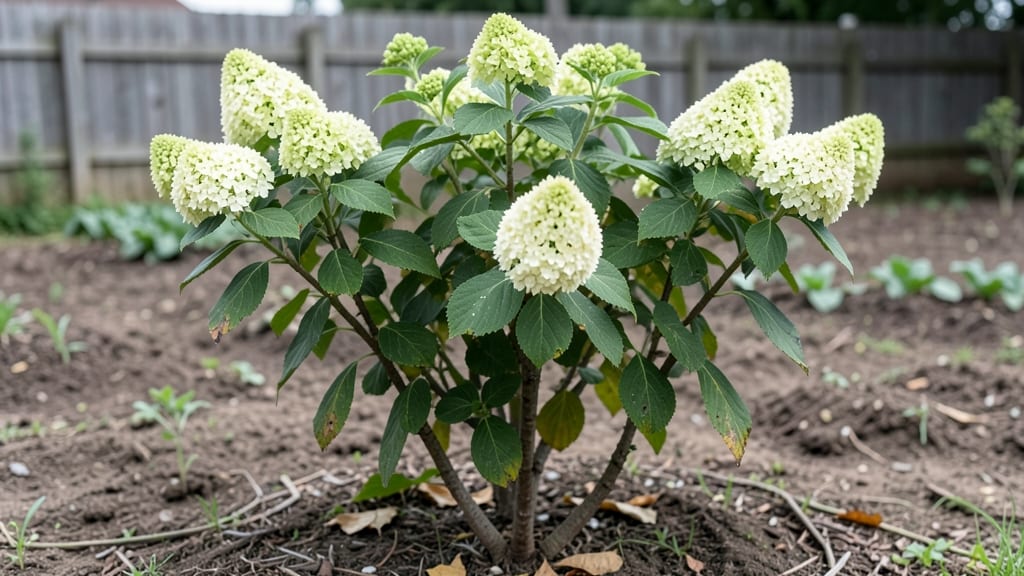
Creating a tree form hydrangea from scratch feels like sculpting a living masterpiece—one that rewards patience with dramatic, arching branches and seasonal color shifts from green to pink or cream. 🌿 I’ve watched mine transform from awkward saplings into showstopping focal points over just three years, and the key lies in how you shape it from day one.
These hydrangeas thrive in the Pacific Northwest’s mild summers and wet winters, but their structure needs intentional guidance to avoid looking like overgrown shrubs.
The secret starts with the right spot: full sun to partial shade, well-draining soil, and 3-4 feet of spacing between plants so branches can spread without crowding. My first mistake was planting too close to a fence—now the branches lean awkwardly, and the center stays bare.
Once established, they’re low-maintenance, but pruning in late winter (before buds swell) keeps the tree shape tight and encourages those iconic cone-shaped blooms. Think of it like training a bonsai, but with bigger rewards.
By summer’s end, you’ll have a 6-foot-tall architectural statement with layers of blooms that last from midsummer into fall. The foliage stays lush even in rain, and the wood adds winter interest when stripped of leaves.
The best part? These hydrangeas handle pruning mistakes better than most—just avoid cutting into old wood, or you’ll sacrifice next year’s flowers. For PNW gardens, they’re the ultimate "plant once, enjoy for decades" investment.
Whether you’re tucking one into a corner of your yard or using it as a privacy screen, the tree form hydrangea delivers year-round structure with minimal fuss.
The first year is about roots and basic shape; by year three, you’ll have a garden centerpiece that turns heads—and stays healthy through our famously damp winters. Ready to shape yours?
📚 In This Guide
- What you need
- Instructions
- Tips and common mistakes
- Wrapping up and next steps
What you need
- ● Tree form hydrangea (Hydrangea paniculata) – Choose a healthy, mature plant (3-5 years old) or a young tree form cultivar like ‘Little Lime’ or ‘Limelight’.
- ● Pruning shears – Sharp, bypass-style shears (for small branches, 2-4” cutting capacity).
- ● Loppers – For thicker branches (6-8” cutting capacity).
- ● Hand pruners – Precision tool for delicate trimming (1-2” cutting capacity).
- ● Garden gloves – Heavy-duty, cut-resistant gloves to protect your hands.
- ● Disinfectant (70% isopropyl alcohol or pruning sealant) – To sterilize tools between cuts and prevent disease.
- ● Rake or broom – For clearing debris after pruning.
- ○ Mulch (optional but recommended) – 2-3 inches of organic mulch (cedar or pine bark) to retain moisture and suppress weeds.
- ● Timing – Prune in late winter or early spring (February-March) before new growth begins. Avoid pruning in fall.
- ● Weather – Choose a dry, overcast day to minimize stress on the plant.
- ● Safety – Wear eye protection if working with large branches.
- ● Knowledge – Familiarize yourself with the plant’s structure: tree form hydrangeas have a central leader (main stem) and scaffold branches.
- ● Pruning paint – Seals cuts on larger branches to prevent disease.
- ● Stake or support ties – Helps guide young branches into your desired shape.
- ● Plant food (balanced fertilizer, 10-10-10) – Apply in early spring to encourage healthy growth.
- ● Spray bottle with water – Keeps tools clean and prevents sap buildup.
How to cultivate tree form hydrangeas for year-round structure in PNW gardens
Here's how I shape these bold shrubs for dramatic year-round interest—no pruning mistakes, just stunning architecture.
🌿 Step 1: Select and Plant for Optimal Growth Habit
Choose a tree form hydrangea variety like 'Limelight' or 'Little Lime' that naturally develops a strong central leader. Plant in well-draining soil with morning sun and afternoon shade—critical for PNW's humid summers. Dig a hole twice as wide as the root ball but only as deep, placing the plant so the top of the root flare sits 1 inch above ground level.
Water deeply immediately after planting to eliminate air pockets, then mulch with 3 inches of shredded bark (keep mulch 6 inches away from the trunk). The key here is establishing strong root growth before shaping begins—wait 4-6 weeks until new growth appears before pruning.
✂️ Step 2: Establish the Central Leader in Early Spring
When buds swell in early spring (before leaves emerge), identify the strongest upward-growing stem—this becomes your central leader. Remove competing vertical stems at their base using clean, sharp pruners, cutting just above a bud facing outward. Leave 3-4 lateral branches spaced evenly around the leader for balance.
Here's the thing—tree form hydrangeas need open centers to prevent congestion. If you see multiple stems competing for dominance, remove all but one. The goal is a single vertical trunk with whorled branches radiating outward like a natural tree.
☀️ Step 3: Summer Pruning for Airflow and Light Penetration
Mid-summer is when you shape the canopy. Remove any weak, crossing, or inward-growing branches first—these block light and air, inviting disease. Cut back overly vigorous lateral branches by one-third to encourage bushier growth. Always cut just above a leaf bud or side branch to promote healing.
Watch for suckers at the base—these horizontal stems steal energy from your tree form. Snip them off immediately. The reward? A clean, architectural silhouette that shows off those bold blooms against PNW's dramatic skies.
🪴 Step 4: Winter Pruning for Next Year's Structure
After the first hard frost but before January, prune again to refine the tree form. Remove dead, diseased, or weak branches first, then thin out 20% of the oldest wood to encourage new growth. Cut back overly long branches to maintain the balanced pyramid shape—never reduce more than one-third of any branch in a single season.
This is where PNW gardeners shine: tree form hydrangeas handle winter pruning better than most. The dormant season lets you see the skeleton structure clearly, making it easier to visualize the final shape. Just remember—never prune into old wood (the brown stems without buds) unless you want to sacrifice next year's blooms.
⏰ Step 5: Year-Round Maintenance for Long-Term Health
Water deeply once weekly during the first growing season to establish roots, then reduce to monthly once established—tree form hydrangeas hate soggy feet. In late winter, apply a 2-inch layer of compost around the drip line (not touching the trunk) to feed next year's growth.
The real secret? Seasonal checks. In spring, remove any water sprouts (fast-growing vertical shoots). In summer, deadhead spent blooms to encourage new flowers—but leave some seed heads for winter interest. By following this rhythm, your tree form hydrangea will retain its dramatic shape for decades.
Tips & tricks for perfect tree form hydrangea cultivation
These pro tips will help you avoid common pruning mistakes and create a stunning, year-round architectural statement in your PNW garden.
The Planting Depth Matters: When planting, that 1-inch above ground level for the root flare isn't just a suggestion—it's critical. Too deep and you'll suffocate the roots; too shallow and the plant won't anchor properly. I like to use a small stake to mark the correct depth before backfilling. The first 4-6 weeks after planting are when roots establish, so don't rush into pruning—wait until you see new growth emerging.
Pruning Tools Are Non-Negotiable: Your pruners should be sharp, clean, and sterilized before every use. Dull blades crush stems instead of making clean cuts, which invites disease. I keep a small bottle of rubbing alcohol handy to wipe down tools between cuts. For larger branches, use loppers—never prune with hedge shears, as they can't handle the job properly.
Visualize the Final Shape: Before making any cuts, step back and visualize your tree form hydrangea's mature shape. The goal is a balanced pyramid with a strong central leader and evenly spaced lateral branches. In Step 2, when establishing your central leader, imagine how that stem will grow over time—this helps you make better decisions about which competing stems to remove.
Seasonal Pruning Calendar: Mark your calendar for these key dates: early spring (bud swell), mid-summer (canopy shaping), and after first frost but before January (winter refinement). Each season serves a different purpose—spring establishes structure, summer maintains airflow, and winter prepares for next year's growth. I keep a small notebook with my pruning schedule to avoid missing these critical windows.
Pro Tips for Tree Form Hydrangea
- These pro tips will help you avoid common pruning mistakes and create a stunning, year-round architectural statement in your PNW garden.
- The Planting Depth Matters: When planting, that 1-inch above ground level for the root flare isn't just a suggestion—it's critical.
- Pruning Tools Are Non-Negotiable: Your pruners should be sharp, clean, and sterilized before every use.
Frequently asked questions
Got questions about keeping your tree form hydrangea looking its best year-round?
Here are some of the most common queries PNW gardeners ask—plus straightforward answers to help you prune like a pro!
When is the best time to prune tree form hydrangeas in the Pacific Northwest?
Prune your tree form hydrangea late winter to early spring (February–March) before new growth begins. This timing ensures you don’t cut off next year’s blooms, as these hydrangeas flower on new wood. Avoid pruning in fall—it can leave stems vulnerable to winter damage.
How much can I trim back my tree form hydrangea without harming it?
You can safely remove up to ⅓ of the plant’s height each year, but avoid over-pruning. Focus on shaping by cutting back last year’s growth to just above a set of buds or leaves. For dramatic shaping, spread cuts over 2–3 years to avoid stressing the plant.
What should I do if my tree form hydrangea looks leggy or sparse after pruning?
Leggy growth often means the plant needs more light or pruning adjustments. Thin out crowded branches to improve airflow, and fertilize lightly in early spring with a balanced, slow-release formula. If the issue persists, consider renewal pruning—cutting back ⅔ of the oldest stems to encourage fresh, bushy growth.
Can I grow tree form hydrangeas in partial shade, or do they need full sun?
Tree form hydrangeas (like Hydrangea paniculata) thrive in partial shade to full sun, but morning sun + afternoon shade is ideal in hot PNW summers. Too much shade may reduce blooms, while too much sun can scorch leaves. Aim for 4–6 hours of sunlight daily for best results.
Why aren’t my tree form hydrangea blooms as big or colorful as last year?
Smaller or duller blooms often signal over-pruning, poor nutrition, or stress. Check for:
- Pruning mistakes: Avoid cutting into old wood (last year’s growth) where blooms form.
- Watering issues: Hydrangeas need 1–1.5 inches of water weekly; drought stress reduces bloom size.
- Soil pH: Blue/purple blooms love acidic soil (pH 5.0–6.0); pink blooms prefer neutral (pH 6.0–7.0). Test and amend with sulfur or lime if needed.
Are there dwarf tree form hydrangeas that work well for small PNW gardens?
Yes! Consider these compact varieties:
Variety
Mature Height
Bloom Time
Little Lime™
3–4 ft
Mid-to-late summer
Vanille Fraise™
4–5 ft
Late summer
Dart’s Little Dot™
2–3 ft
Mid-summer
These varieties offer bold color and structure without overwhelming small spaces.
Wrapping up and next steps
Transforming your Pacific Northwest garden with tree form hydrangeas is all about patience, precision, and a little seasonal love! 🌿 By mastering their unique growth habits—like strategic pruning in late winter and shaping their sturdy trunks—you’ll unlock lush, year-round structure that turns heads.
Whether you’re a pruning pro or just starting, the key is to observe, trim, and repeat with confidence.
Now that you’re armed with the secrets, grab those shears and get growing! 🌟 Start small—pick one hydrangea to practice your new skills, and watch your garden bloom with bold, sculptural beauty. Happy pruning!