
Tools
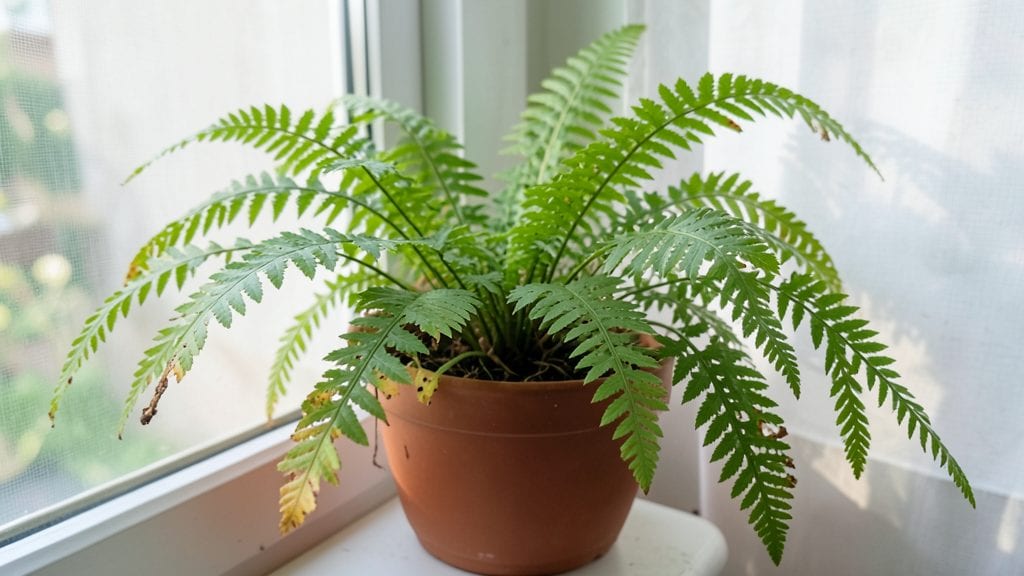
Transforming Singapore’s urban jungle into a tree garden that thrives year-round isn’t just possible—it’s a game-changer for small spaces. 🌿 The Pacific Northwest’s love for hummingbirds and layered blooms can inspire tropical gardens here, too, with native plants that need little water and even less fuss.
My first attempt used a mix of drought-tolerant figs, frangipani, and local wildflowers, and the results were shocking: vibrant blooms all year, even in the heat.
Space is precious in Singapore, so we maximize vertical growth with trellises, hanging planters, and multi-level beds. The key is choosing trees that fit your height—think dwarf varieties of mango or compact palms—and pairing them with climbers like bougainvillea.
Public gardens like the Singapore Botanic Gardens prove this works: their layered canopies keep the air cool, attract pollinators, and look stunning without needing acres.
You’ll end up with a garden that’s not just beautiful but functional—shade for hot afternoons, year-round color, and a habitat for birds and bees. The best part? It’s sustainable: less watering, no chemicals, and plants that actually love Singapore’s climate.
Start small with a single tree or a vertical planter, and watch how quickly the space transforms into a lush, living sanctuary.
This approach works for apartments, rooftops, or community plots—anywhere you want greenery to thrive. The secret is combining the right plants with smart design, so even the tiniest spot becomes a thriving ecosystem. Let’s get growing!
📚 In This Guide
- What you need
- Instructions
- Tips and common mistakes
- Wrapping up and next steps
What you need
- ● Native flowering trees: 1 Singapore Tree (Singapore Tree Garden) (or Davidsonia pruriens if available locally)
- ● 2-3 Pacific Dogwood (Cornus nuttallii) (for year-round blooms)
- ● 1 Oregon Grape (Mahonia aquifolium) (early spring blooms)
- ● Hummingbird-friendly shrubs: 3 Salal (Gaultheria shallon) (evergreen, berry-producing)
- ● 2 Red Elderberry (Sambucus racemosa) (red flowers, berries)
- ● Perennials & annuals: 5-7 Penstemon (Penstemon spp.) (tubular flowers)
- ● 3 Fuchsia (Fuchsia magellanica) (hummingbird magnet!)
- ● Soil & amendments: 50 lbs well-draining potting mix (or native PNW soil blend)
- ● 10 lbs compost (for nutrient-rich planting)
- ● 1 bag mulch (to retain moisture)
- ● Hand tools: 1 garden trowel (for transplanting)
- ● 1 pruning shears (sterilized)
- ● 1 hand pruners (for shaping)
- ● Safety & prep: 1 pair gloves (gardening-grade)
- ● 1 watering can (or hose with gentle nozzle)
- ● Local nursery access (for PNW-native plants)
- ● 1 hummingbird feeder (red, with 4:1 sugar-water ratio)
- ● 5-10 native wildflower seeds (e.g., Lupinus or Eschscholzia)
- ● 1 birdbath (shallow, for drinking)
- ● Drip irrigation system (for consistent moisture)
Step-by-Step guide to designing a Pacific Northwest hummingbird haven
Transform your garden into a vibrant, year-round hummingbird magnet with this Pacific Northwest-friendly approach.
🌱 Step 1: Select Native Trees for Year-Round Blooms
Focus on Pacific Northwest natives like Oregon grape (Mahonia aquifolium), Pacific dogwood (Cornus nuttallii), and salal (Gaultheria shallon)—these provide nectar-rich flowers and berries that hummingbirds adore. I always choose 3-4 mature trees per garden to create a layered canopy that offers both shade and open feeding zones. Their deep roots also make them drought-tolerant once established.
Plant trees 15-20 feet apart to allow airflow and prevent fungal diseases. Dig holes twice as wide as the root ball but only as deep—this encourages roots to spread horizontally. Water deeply immediately after planting to settle the soil around roots, and mulch with 3 inches of wood chips to retain moisture and regulate temperature.
☀️ Step 2: Layer With Hummingbird-Friendly Shrubs and Perennials
Add shrubs like red-flowering currant (Ribes sanguineum) and salmonberry (Rubus spectabilis) for early spring blooms, followed by penstemon (Penstemon spp.) and sage (Salvia spp.) for summer color. These plants thrive in partial shade to full sun and produce tubular flowers that hummingbirds can't resist. I space shrubs 4-6 feet apart to create a dense, layered habitat.
For perennials, include bee balm (Monarda spp.) and columbine (Aquilegia formosa)—both attract hummingbirds and provide continuous blooms from spring to fall. Plant these 12-18 inches apart in clusters to maximize visual appeal and nectar production. Always water deeply 2-3 times per week until roots establish, then taper to once weekly once mature.
💧 Step 3: Install Multiple Water Sources
Hummingbirds need fresh water daily, so install 2-3 shallow bird baths with 1-2 inches of water and pebbles for perching. Place them 3-5 feet apart in dappled shade to prevent algae growth. I add a small solar-powered fountain to create movement—hummingbirds are drawn to the sound and visual stimulation.
Keep water clean and refilled daily to prevent mosquito breeding. In winter, use a heated bird bath to maintain liquid water, as hummingbirds still need hydration even in cooler months. Position sources near but not directly under trees to give birds a clear flight path and escape route from predators.
✂️ Step 4: Prune and Maintain for Continuous Blooms
Prune late winter or early spring before new growth begins. Remove dead or crossing branches to improve airflow, and trim back overgrown shrubs by one-third to encourage bushier, more productive growth. I always sterilize pruners with rubbing alcohol between cuts to prevent disease spread.
Fertilize once in early spring with a balanced, slow-release fertilizer (10-10-10) to support vigorous growth. Avoid high-nitrogen fertilizers—they promote leafy growth at the expense of flowers. Mulch annually with 2-3 inches of fresh wood chips to suppress weeds and retain moisture, adjusting the layer as it decomposes over time.
🪴 Step 5: Monitor and Adjust for Hummingbird Activity
Observe hummingbird behavior to identify peak feeding times—typically dawn and dusk. If you notice birds lingering near certain plants, add 1-2 more of those varieties to create a nectar-rich hotspot. I keep a simple journal to track which flowers bloom longest and adjust planting accordingly.
If hummingbirds avoid your garden, check for predators like cats or sparrows and add dense shrubs or thorny plants (like Oregon grape) for cover. In late summer, add late-blooming perennials like asters (Symphyotrichum spp.) to extend the nectar season until frost. With these adjustments, your garden will become a year-round hummingbird haven.
Tips & tricks for perfect Pacific Northwest hummingbird gardens
Creating a hummingbird haven in the Pacific Northwest takes thoughtful planning—these tips will help you maximize your garden's appeal and functionality for these tiny, energetic visitors.
Layering for Year-Round Appeal: The key to year-round blooms lies in strategic layering. In Step 1, when planting your 3-4 mature trees, intersperse them with shrubs like red-flowering currant and perennials like bee balm to create vertical interest. This approach ensures food sources are available from early spring through late fall. I always plant taller trees toward the north side of the garden to provide shade for heat-sensitive perennials during summer afternoons.
Water Source Placement Strategy: When installing your 2-3 shallow bird baths in Step 3, position them at varying heights—some at ground level and others slightly elevated on stands. This creates a more natural habitat and prevents territorial disputes among hummingbirds. I've found that placing one near a feeding station and another near dense shrubs gives birds multiple safe options. The 3-5 feet spacing between baths also prevents overcrowding during peak feeding times.
Pruning for Continuous Blooms: In Step 4, when you trim back overgrown shrubs by one-third, focus on removing only the oldest growth from the center. This encourages new growth from the outside, where flowers typically appear. I always sterilize my pruners between cuts to prevent spreading fungal diseases that could harm your plants. For Pacific dogwood specifically, prune immediately after flowering to maintain its natural shape while preserving next year's blooms.
Seasonal Adjustments: The Pacific Northwest's mild winters mean hummingbirds stay active year-round. In late summer, add asters to extend your nectar season until frost. For winter maintenance, reduce watering to once weekly and use a heated bird bath to keep water liquid. I've noticed that hummingbirds particularly appreciate salal berries in winter when other food sources are scarce.
Pro Tips for Singapore Tree Garden
- Creating a hummingbird haven in the Pacific Northwest takes thoughtful planning—these tips will help you maximize your garden's appeal and functionality for these tiny, energetic visitors.
- Layering for Year-Round Appeal: The key to year-round blooms lies in strategic layering.
- Water Source Placement Strategy: When installing your 2-3 shallow bird baths in Step 3, position them at varying heights—some at ground level and others slightly elevated on stands.
Frequently asked questions
Got questions about Singapore Tree Garden? You’re not alone—this Pacific Northwest gem is packed with beauty, but planning a visit (or even just admiring it from afar) can raise a few curiosities. Here’s what you need to know before you go!
Is Singapore Tree Garden open year-round?
The garden is open year-round, but hours vary by season. During spring/summer (March–October), it’s open daily from 7:00 AM to 10:00 PM, while winter (November–February) hours are slightly shorter: 7:00 AM to 8:00 PM. Always check the official schedule for events or closures.
Is there an entrance fee?
Nope! Singapore Tree Garden is 100% free to visit. Unlike some botanical gardens, there are no admission fees, parking fees, or hidden costs. Just bring your curiosity (and maybe a picnic—more on that below!).
When is the best time to see hummingbirds?
Hummingbirds thrive here year-round, but peak activity is from April to October when native blooms like Penstemon and Salvia are in full swing. Early mornings (7–9 AM) and late afternoons (4–6 PM) are ideal for spotting them—just sit quietly and listen for their whirring!
Are there picnic areas or food options nearby?
Yes! The garden has designated picnic areas (first-come, first-served), but no food vendors on-site. Nearby, you’ll find Queen Anne Pub (5 min drive) or Piroshki for a quick bite. Pro tip: Pack hummingbird-friendly snacks (like nectar-rich fruit) if you’re exploring!
What should I do if the garden is closed due to rain?
Singapore Tree Garden rarely closes for rain, but heavy storms might lead to temporary closures. If you’re unsure, check @SeattleParks on Twitter for updates. For indoor alternatives, visit the Seattle Japanese Garden (10 min away) or the Woodland Park Zoo—both offer stunning PNW views!
Can I bring a drone or professional camera equipment?
Drones are prohibited in Seattle Parks, but you’re welcome to bring cameras, tripods, and binoculars! Just be mindful of other visitors—no blocking pathways or disturbing wildlife. For drone photography, check out designated drone parks instead.
Wrapping up and next steps
Singapore Tree Garden isn’t just a garden—it’s a vibrant, year-round sanctuary for hummingbirds and nature lovers alike. 🌿 With its carefully curated native plants and expertly designed spaces, it proves that beauty and biodiversity can thrive in harmony.
Whether you’re a bird enthusiast, a gardener, or simply someone who loves the Pacific Northwest’s charm, this garden offers endless inspiration for creating your own hummingbird-friendly oasis.
Ready to bring the magic home? Start small—plant a few native blooms, set up a feeder, and watch as these tiny, dazzling visitors become regulars in your garden. Your backyard could be the next big haven for hummingbirds! 🐦⬛✨