
Pruning
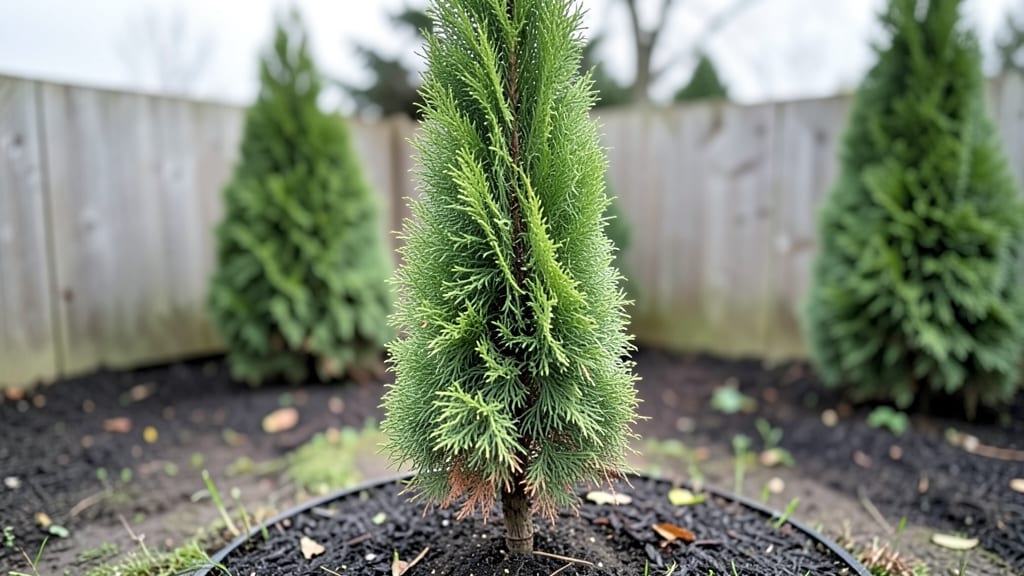
The whipcord arborvitae tree brings a touch of elegant whimsy to Pacific Northwest landscapes with its frost-proof, weeping branches that sway like ribbons in the wind. 🌿 I planted mine last spring after struggling with floppy, overgrown evergreens—this one stays compact yet dramatic, with those signature whipcord-like branches that hold their shape year-round.
The secret lies in its natural growth habit and cold-hardy nature, making it perfect for coastal climates where other trees struggle.
This evergreen thrives in zones 3-7, so it handles our chilly winters without a fuss. Plant it in well-draining soil with partial shade to full sun, and you’ll see those signature cascading branches establish within just 2-3 years.
Watering is simple: keep the soil moist for the first year, then let it dry slightly between waterings—it’s surprisingly drought-tolerant once established. The real magic happens when you let it grow naturally, though a light pruning in early spring keeps it tidy.
What you end up with is a living sculpture that adds texture and movement to any yard. The branches create a soft, feathery curtain perfect for screening unsightly views or adding depth to garden beds.
Plus, it’s deer-resistant, which is a huge plus where I live. With the right spot, this tree becomes a low-maintenance star that outshines ordinary evergreens every season.
Best for small spaces, container gardens, or as a focal point along pathways. If you’ve ever wanted an evergreen that’s both striking and easy to care for, this is it. Let’s get yours planted right the first time—no flopping branches allowed!
📚 In This Guide
- What you need
- Instructions
- Tips and common mistakes
- Wrapping up and next steps
What you need
- ● Pruning shears: Bypass pruners (for small branches, 5–7 inches long)
- ● Loppers: 1 pair (for thicker branches, 12–18 inches long)
- ● Hand pruners: 1 pair (for precision trimming, 5–6 inches long)
- ○ Extension pole saw: Optional (for high branches, 6–8 feet long)
- ● Gloves: 1 pair (cut-resistant, size medium or large)
- ● Safety goggles: 1 pair (to protect from debris)
- ● Disinfectant (70% isopropyl alcohol or bleach solution): Small bottle (to sterilize tools)
- ● Trash bags: 2–3 heavy-duty bags (for clippings)
- ○ String or twine: 50–100 feet (for marking guide lines, optional)
- ● Spray bottle with water: Small (to dampen branches and reduce dust)
- ● Best time to prune: Late winter or early spring (avoid heavy pruning in fall)
- ● Weather check: Choose a calm, dry day (no rain or wind forecasted for 24 hours)
- ● Safety first: Wear closed-toe shoes and avoid working under wet branches
- ● Tree health: Inspect for pests/disease before pruning (e.g., spider mites, bagworms)
- ○ Optional: Ladder (if tree exceeds 8 feet, ensure it’s stable and rated for weight)
Step-by-Step instructions for planting Whipcord arborvitae trees
Here’s how to establish these striking evergreens for a dense, frost-resistant screen that thrives in the Pacific Northwest’s climate.
🌱 Step 1: Choose the Perfect Planting Location
Whipcord arborvitae (Thuja occidentalis 'Whipcord') thrives in full sun to partial shade, but for that signature dense, upright growth, prioritize at least 6 hours of direct sunlight daily. In the PNW’s cooler, wetter climate, avoid low-lying areas where cold air pools—this evergreen is frost-proof, but soggy soil invites root rot. Test the spot by observing how sunlight shifts throughout the day; the ideal location stays moist but well-drained.
Measure 4-6 feet apart for each tree—this spacing ensures they develop into a tight, uniform screen without competing for nutrients. If planting along a fence or property line, mark the positions with stakes to visualize the mature height of 12-15 feet. The key here is patience: Whipcord grows only 12 inches per year, so plan for long-term structure.
🪴 Step 2: Prepare the Soil and Planting Hole
Amend the native soil with 2-3 inches of compost mixed into the top 12 inches of the planting area. Whipcord arborvitae tolerates a wide range of soil types but performs best in slightly acidic to neutral pH (6.0-7.0). Dig a hole twice as wide as the root ball but no deeper—this encourages roots to spread horizontally rather than sinking deeper into compacted soil.
Loosen the roots of container-grown trees by gently teasing them apart at the edges of the root ball. Place the tree in the hole so the top of the root ball sits 1 inch above ground level—this prevents water from pooling around the stem. Backfill with native soil mixed with compost, tamping lightly to eliminate air pockets. Water deeply until the soil settles, then add a 2-inch layer of mulch (avoid wood chips, which can acidify soil over time).
☀️ Step 3: Water and Establish for the First Year
Water newly planted Whipcord arborvitae deeply twice weekly for the first month, then taper to once weekly once new growth appears. The goal is to keep the root zone consistently moist but not waterlogged—press your finger 2 inches into the soil; if it feels dry, water again. In the PNW’s rainy climate, you’ll likely need to water less frequently, but container-grown trees dry out faster.
Fertilize lightly in early spring with a balanced, slow-release fertilizer (10-10-10) to encourage root development. Avoid high-nitrogen fertilizers, which promote soft, leggy growth. Prune only to remove any broken branches or to shape the tree lightly in late winter—Whipcord’s natural form is its strongest feature. By the end of the first year, you’ll see dense, upright foliage forming the foundation of your screen.
✂️ Step 4: Maintain for Long-Term Health and Density
Once established, Whipcord arborvitae requires minimal care. Prune annually in late winter or early spring to remove any dead or crossing branches, using clean, sharp shears. This evergreen is naturally pest- and disease-resistant, but watch for spider mites in dry summers—spray with water to dislodge them if you spot webbing. In the PNW’s mild winters, no additional protection is needed; the tree’s dense foliage insulates itself against frost.
Reapply 2 inches of mulch annually in early spring to retain moisture and regulate soil temperature. If your screen grows taller than desired, prune the top 1-2 inches in late winter to encourage bushier growth. Over time, Whipcord arborvitae will develop into a striking, vertical screen that requires little more than occasional watering and an annual check for pests. The result? A low-maintenance, frost-proof privacy barrier that thrives in the Pacific Northwest’s climate.
Tips & tricks for perfect Whipcord arborvitae planting
These game-changing tips will help you establish a thriving, dense screen that stands up to the Pacific Northwest's climate challenges.
Sunlight Strategy: In Step 1, when selecting your planting location, I can't stress enough how critical those 6 hours of direct sunlight are for achieving that signature upright, dense growth. If your site gets less, consider installing a temporary shade cloth during the hottest afternoon hours to prevent stress. The PNW's unpredictable weather means you might need to adjust based on seasonal sun patterns—observe your yard throughout the day before committing to positions.
Root Ball Preparation: For Step 2, here's what nobody tells you: when loosening those container-grown roots, don't be afraid to get aggressive with the root ball. Use your fingers to gently separate roots all the way around the edges—this encourages faster root establishment. Pro tip: If your tree arrives with a plastic pot, score the sides before removing it to minimize root circling. The goal is to create a network of roots ready to spread horizontally in that twice-as-wide hole.
Watering Wisdom: During that critical first year in Step 3, I learned the hard way that "deeply twice weekly" doesn't mean a quick sprinkle. Aim for 1-1.5 gallons per tree each watering session—enough to saturate the root zone down to 12 inches. Use a moisture meter to verify; if it reads dry at that depth, water again. The PNW's rainy climate can be deceiving—container-grown trees still need consistent moisture until their roots establish.
Long-Term Pruning: When maintaining your screen in Step 4, remember that Whipcord's natural form is its superpower. Instead of shearing, focus on selective pruning to remove only dead or crossing branches. For that occasional height adjustment, prune the top 1-2 inches in late winter—this stimulates bushier growth at the base while maintaining the elegant vertical lines. And here's a secret: the denser the foliage, the better it resists winter burn and frost damage.
Pro Tips for Whipcord Arborvitae Tree
- These game-changing tips will help you establish a thriving, dense screen that stands up to the Pacific Northwest's climate challenges.
- Sunlight Strategy: In Step 1, when selecting your planting location, I can't stress enough how critical those 6 hours of direct sunlight are for achieving that signature upright, dense growth.
- Root Ball Preparation: For Step 2, here's what nobody tells you: when loosening those container-grown roots, don't be afraid to get aggressive with the root ball.
Frequently asked questions
Got questions about the whipcord arborvitae? You’re not alone! This unique evergreen is a favorite for its sleek, textured look, but it does come with some quirks. Here are answers to the most common queries—from pruning to placement—so you can keep your Thuja occidentalis 'Whipcord' thriving like a pro.
How often should I prune whipcord arborvitae for that signature "whipcord" look?
Prune whipcord arborvitae twice a year: once in late spring (after new growth appears) and again in early fall (before winter dormancy). Use sharp shears to trim the tips of the fast-growing shoots to encourage dense, layered foliage. Avoid heavy pruning—this tree thrives on light shaping!
Is whipcord arborvitae truly frost-proof? What zones does it tolerate?
Yes! This cold-hardy evergreen handles USDA Zones 3–7 with ease, making it perfect for the Pacific Northwest’s chilly winters. While it’s frost-resistant, young trees may need winter protection (like burlap wraps) in Zone 3 if winds are brutal. Once established, it’s low-maintenance and drought-tolerant too!
Can I grow whipcord arborvitae in containers? What’s the best pot size?
This tree adapts well to containers for patios or small yards. Use a 15–20 gallon pot with drainage holes and well-draining soil (like a mix of potting soil and sand). Repot every 2–3 years and water deeply when the top inch of soil dries out. Pro tip: Fertilize lightly in spring with slow-release granules.
Why are my whipcord arborvitae branches turning brown? Is it dying?
Brown tips or branches usually signal overwatering, underwatering, or sunburn. Check the soil—it should be moist but not soggy. If the browning is on exposed sides, your tree may need afternoon shade (especially in hot summers). Prune dead branches and adjust care; whipcord arborvitae is resilient and often rebounds quickly!
What’s a good alternative if whipcord arborvitae is too pricey?
If budget’s tight, consider these textured evergreen alternatives:
- Emerald Green Arborvitae – Dense, columnar, and budget-friendly.
- Thuja occidentalis 'Sunkist' – Golden foliage with a whipcord-like texture.
- Plicata 'Rainier' – A giant arborvitae with layered branches (great for screens!).
All three are Pacific Northwest-hardy and low-maintenance!
Wrapping up and next steps
The Whipcord Arborvitae is a standout choice for Pacific Northwest gardeners, offering year-round beauty, resilience, and low-maintenance elegance. With its frost-proof nature and striking blue-green foliage, it’s perfect for creating a lush, evergreen screen that thrives in your climate.
Whether you’re a seasoned pruner or just starting out, its adaptability makes it a fantastic addition to any landscape.
Ready to transform your outdoor space? Grab your tools, follow the steps, and enjoy the satisfaction of cultivating a thriving Whipcord Arborvitae! 🌲✨