
Pruning
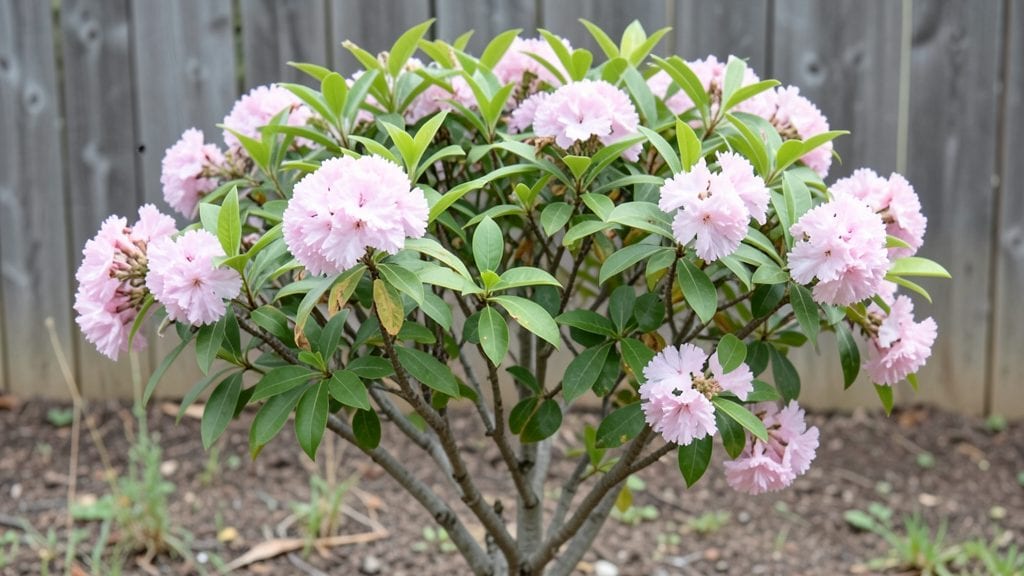
This pink flowering bush tree isn’t just a plant—it’s the Pacific Northwest’s secret weapon for year-round color and hummingbird traffic. 🌸 I planted mine after years of struggling with frost-sensitive varieties, and now it’s the showstopper of my garden, blooming reliably even after our chilly winters.
The real magic happens in how it transforms your space: soft pink clouds of flowers that hummingbirds can’t resist, lush foliage that adds texture, and a graceful shape that fits everything from small yards to large landscapes.
It thrives in partial shade, making it perfect for spots where other trees would struggle.
You’ll love how it pairs with ferns and hostas for a woodland feel, or stands boldly alone as a statement piece. The blooms last for weeks, and the tree keeps its shape without needing constant pruning—just a light trim after flowering to keep it tidy.
Whether you’re designing a cottage garden or a modern landscape, this tree brings effortless beauty with minimal fuss. Let’s talk placement and pairing ideas that’ll make your garden the envy of the neighborhood.
📚 In This Guide
- What you need
- Instructions
- Tips and common mistakes
- Wrapping up and next steps
What you need
- ● Pruning shears: Bypass pruners (sharp, sterilized blades) for small branches (e.g., Fiskars 10-inch).
- ● Loppers: 1 pair (8–10 inches) for thicker branches (½–1.5 inches in diameter).
- ● Pruning saw: 1 handheld saw (for branches >1.5 inches; Felco F-2 is a top pick).
- ● Gloves: Heavy-duty, cut-resistant (e.g., Wolverine or Southport brand).
- ● Disinfectant: 70% isopropyl alcohol or bleach solution (1 part bleach to 9 parts water) to sterilize tools.
- ○ Pruning sealant: Optional but helpful (e.g., Tanglefoot Tree Wound Pruning Seal) for large cuts.
- ● Ladder: Extendable or step ladder (height depends on tree size; 6–12 feet recommended).
- ● Safety gear: Safety glasses, long sleeves, and closed-toe shoes.
- ● Garden hose: For rinsing tools post-pruning.
- ● Trash bags: Heavy-duty (for debris cleanup).
- ● Marking twine: To tag branches for removal (if planning a multi-step prune).
- ● Hummingbird-friendly mulch: Shredded bark or wood chips (2–3 inches deep) to retain moisture.
- ● Fertilizer: Slow-release, balanced fertilizer (e.g., 10-10-10) for post-pruning nourishment.
Step-by-step guide to planting a frost-proof pink flowering tree
Here’s how to establish this Pacific Northwest hummingbird magnet with minimal fuss.
🌱 Step 1: Choose the Right Location and Prepare the Soil
Pick a spot that gets at least 6 hours of sunlight daily, ideally in a protected area where winter winds won’t scorch tender new growth. This tree thrives in well-draining soil with a pH between 6.0 and 7.0—the kind you’d find in native Pacific Northwest forests. If your soil is heavy clay, mix in 2-3 inches of compost and a handful of coarse sand to improve drainage.
Dig a hole twice as wide as the root ball but only as deep as the container’s base. Loosen the sides of the hole with a shovel—this helps roots spread outward instead of circling, which can strangle growth later. I always tap the bottom of the hole gently to create a small plateau; this prevents the root ball from settling too low once planted.
🪴 Step 2: Remove the Tree from Its Container and Plant
Gently squeeze the container’s sides to loosen the root ball, then slide the tree out. If roots are circling tightly, use your fingers to tease them outward—this encourages outward growth instead of a tangled mass. Place the tree in the hole so the top of the root ball sits 1 inch above ground level. This prevents soil from settling and burying the trunk over time.
Backfill with native soil mixed with the compost you prepared earlier, pressing lightly as you go to eliminate air pockets. Water deeply until the soil 12 inches down feels evenly moist—this helps settle the roots into place. Avoid compacting the soil too firmly; you want it loose enough for roots to penetrate easily.
☀️ Step 3: Water and Mulch for Long-Term Success
After planting, water every other day for the first 2 weeks, then taper to once a week once new growth appears. This tree is drought-tolerant once established, but young roots need consistent moisture to spread. You’ll know you’re doing it right when the top 2 inches of soil stay slightly damp but not soggy.
Spread 3 inches of mulch (wood chips or shredded bark work best) in a 3-foot-wide circle around the base, keeping it 6 inches away from the trunk. This mimics the tree’s natural understory environment and retains moisture while suppressing weeds. Replenish mulch annually—it breaks down faster than you’d think.
✂️ Step 4: Prune for Shape and Health
Wait until late winter or early spring before pruning—this gives the tree time to recover from transplant shock. Remove any dead, damaged, or crossing branches first, then shape the tree by cutting back 1/3 of the longest stems to encourage bushier growth. Always prune just above a leaf node or outward-facing bud to promote healthy regrowth.
I avoid heavy pruning in the first year unless necessary—this tree blooms on new wood, so aggressive cuts can reduce next year’s flowers. Instead, focus on removing suckers (shoots growing from the base) and any branches growing inward. You’ll see the difference in 2-3 years when the tree bursts into vibrant pink blooms.
🐦 Step 5: Attract Hummingbirds Year-Round
Plant native companion flowers like penstemon or salal within 10 feet of the tree to create a hummingbird buffet. These birds adore the nectar-rich blooms and will return daily once they discover your garden. Place a hummingbird feeder nearby, but keep it 20 feet away from the tree to avoid encouraging dependency.
Leave some seed pods and dried flowers on the tree in late summer—hummingbirds and other pollinators rely on these for food when fresh blooms fade. A small birdbath or shallow dish placed at the base of the tree provides a water source, and you’ll start seeing visitors within weeks of planting.
Tips & tricks for perfect pink flower bush tree planting
These pro tips will help you establish your Pacific Northwest hummingbird haven with confidence and minimal stress.
Location Matters: That 6 hours of sunlight requirement is non-negotiable for vibrant blooms. I've planted mine in the southwest corner of my yard where it gets morning sun and afternoon shade—this balance prevents leaf scorch while maximizing bloom production. Also, avoid planting near large evergreens that create too much shade or compete for nutrients.
Root Ball Preparation: When teasing out circling roots in Step 2, work gently but firmly—you want to break up the root mass without damaging the delicate feeder roots. I like to use a butter knife or my fingers to carefully separate roots longer than 6 inches. This encourages outward growth rather than the tangled mess that strangles many newly planted trees.
Watering Wisdom: The every other day for 2 weeks schedule is critical, but timing matters too. Water in the early morning so foliage has time to dry before evening—this prevents fungal issues. Use a rain gauge or tuna can to measure 1 inch of water per session. You'll know you're doing it right when the top 2 inches of soil stay consistently damp but not soggy.
Mulch Maintenance: That 3 inches of mulch isn't just for looks—it creates a perfect microclimate. I use cedar mulch because it naturally repels pests while breaking down slowly. Keep it 6 inches away from the trunk to prevent moisture buildup that causes rot. Replenish annually in early spring before new growth begins, and avoid piling fresh mulch directly over old mulch—this creates an anaerobic zone that harms roots.
Pro Tips for Pink Flower Bush Tree
- These pro tips will help you establish your Pacific Northwest hummingbird haven with confidence and minimal stress.
- Location Matters: That 6 hours of sunlight requirement is non-negotiable for vibrant blooms.
- Root Ball Preparation: When teasing out circling roots in Step 2, work gently but firmly—you want to break up the root mass without damaging the delicate feeder roots.
Frequently asked questions
Got questions about your pink flower bush tree?
You’re not alone! Here are some of the most common queries from gardeners in the Pacific Northwest—plus quick, practical answers to keep your hummingbird haven thriving.
When is the best time to prune my pink flower bush tree for maximum blooms?
Prune your Cercis occidentalis (Western Redbud) or Rhododendron (like ‘Pink Pearl’) right after flowering—typically late spring (May-June). This encourages lush, vibrant blooms next season. Avoid heavy pruning in fall or winter, as it can stress the plant before dormancy. Pro tip: Lightly shape in early spring to remove dead wood, but wait for new growth to appear before major cuts!
How cold-hardy are pink flowering bush trees, and do they need winter protection?
Most PNW-friendly pink bloomers, like Cercis or Weigela, are hardy to USDA zones 5-8. They’re built to handle frost, but young plants or tender varieties (e.g., Hydrangea paniculata ‘Limelight’) may benefit from a light mulch layer (2-3 inches) around the base. Avoid heavy mulch piles, which can suffocate roots. Bonus: Evergreen rhododendrons add extra winter interest!
Why aren’t hummingbirds visiting my pink flower bush tree?
Hummingbirds love tubular pink blooms, but they need accessible nectar. Ensure flowers aren’t overcrowded (prune to improve airflow) and add a shallow dish of sugar water (4:1 ratio) if blooms are sparse. Red flags: Pesticides or lack of nearby water sources can deter them. Plant companion flowers like Salvia or Fuchsia to create a hummingbird buffet!
Can I grow a pink flowering bush tree in shade, or do they need full sun?
It depends on the type! Rhododendrons and Azaleas thrive in partial shade (morning sun + afternoon shade), while Weigela or Spirea crave full sun (6+ hours/day). Check your plant’s tag—most PNW natives (like Cercis) tolerate dappled shade but bloom best with sunlight. Test tip: Observe leaf color: yellowing = too much shade; scorched leaves = too much sun.
My pink bush tree has brown leaves—what’s wrong, and how do I fix it?
Brown leaves often signal overwatering, underwatering, or fungal issues. Check soil moisture (top 2 inches should be dry between waterings) and improve drainage if your tree sits in soggy soil. Fungal diseases (like powdery mildew) thrive in humid PNW summers—prune for airflow and apply neem oil if needed. Preventative hack: Mulch with cedar chips to deter pests!
Still stumped? Snap a photo of your bush tree and tag #PNWGardener—we’re happy to help diagnose!
Wrapping up and next steps
Transforming your Pacific Northwest garden into a hummingbird haven with a pink flower bush tree is easier—and more rewarding—than you think! 🌸 With the right pruning techniques, you’ll enjoy vibrant blooms, robust growth, and happy visitors year after year. Start small: tackle one pruning session at a time, and soon your garden will thrive.
Ready to take the next step? Grab your tools, schedule your first pruning session, and watch your bush tree flourish. Happy gardening! 🌿