
Pruning
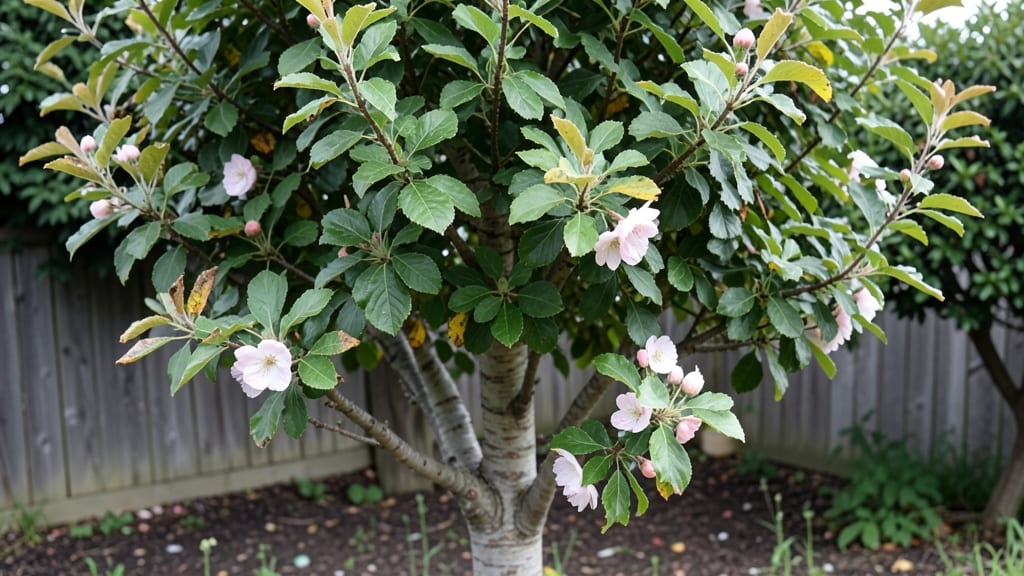
The Transcendent crabapple tree isn’t just another pretty face in your garden—it’s a four-season showstopper that turns your Pacific Northwest yard into a hummingbird magnet. 🌸 I planted mine last spring, and by summer, it was already buzzing with activity, its fragrant pink blossoms drawing in pollinators like a magnet.
The real magic? It doesn’t just shine in spring—its glossy foliage turns fiery in fall, and its small, edible fruit adds winter interest for birds.
This tree thrives in partial shade, making it perfect for underplanting beneath larger trees or lining driveways where sunlight filters through. Its compact size (20-25 feet tall) means it fits seamlessly into small urban gardens or as a focal point in cottage-style landscapes.
Pair it with heuchera, ferns, or salvia for a layered effect, or let it stand alone as a statement piece near patios where you can enjoy its fragrance up close.
What truly sets it apart is its year-round appeal: spring blooms, summer shade, autumn color, and winter structure. Hummingbirds adore the nectar-rich flowers, while the fruit provides food for birds through winter.
The result? A tree that works harder than any ornamental plant I’ve ever grown—without needing constant attention. It’s the kind of tree that makes neighbors stop and ask, “What’s that?”
For best results, plant it in well-draining soil and prune lightly after flowering to maintain its natural shape. In the Pacific Northwest’s mild climate, it handles rain and humidity with ease, making it a low-maintenance star for any landscape.
Once established, it’s nearly indestructible—just like the joy it brings to the garden.
📚 In This Guide
- What you need
- Instructions
- Tips and common mistakes
- Wrapping up and next steps
What you need
- ● Pruning shears: Bypass pruners (sharp, 5–8" blades) for clean cuts on small branches.
- ● Loppers: Bypass or anvil type (18–24" handles) for medium branches (½–2" diameter).
- ● Pruning saw: Curved-tooth handsaw for thick branches (2"+ diameter).
- ● Ladder: Aluminum extension ladder (16–20 ft, sturdy base) for tall trees.
- ● Gloves: Heavy-duty gardening gloves (cut-resistant, breathable) to protect hands.
- ● Disinfectant: 70% isopropyl alcohol or bleach solution (1:9 ratio) to sterilize tools between cuts.
- ○ Pruning sealant: Tree wound dressing (optional, for large cuts >1" diameter).
- ● Trash bags: Heavy-duty contractor bags (3–5 gallon size) for debris.
- ● Work boots: Steel-toe or sturdy hiking boots for stability on uneven terrain.
- ● Weather check: Prune on a dry, calm day (avoid wind or rain).
- ● Safety glasses: ANSI-rated to protect from debris.
- ○ Ear protection: (Optional) Earmuffs if using a chainsaw (not recommended for crabapple trees).
- ● First-aid kit: Basic kit with bandages and antiseptic wipes.
- ● Map of your tree: Sketch or notes marking branches to remove (helps visualize the "open-center" shape).
- ● Tree pruning rope: 10–15 ft nylon rope for securing ladders or branches.
- ● Extension pole: 10–12 ft telescoping pole with pruners for high branches.
- ● Camera or phone: Take before/after photos to track progress!
- ● Bird-friendly treats: Hummingbird nectar feeders (temporarily) to attract pollinators while the tree recovers.
Step-by-Step planting guide for a thriving crabapple tree
Transform your Pacific Northwest landscape with this hummingbird magnet—here’s how to plant it for maximum beauty and resilience.
🌱 Step 1: Choose the Perfect Planting Site and Timing
Select a location with full sun exposure (6+ hours daily), as crabapples thrive in bright light but tolerate light shade in hotter climates. The Pacific Northwest’s mild summers make spring or early fall ideal—avoid extreme heat or frost periods, which stress young roots. I always check the USDA zone map to confirm my area’s last frost date, aiming to plant 4-6 weeks before the first expected frost for root establishment.
Test the soil pH—crabapples prefer slightly acidic to neutral (pH 6.0-7.0). If your soil tests higher, amend with sulfur or peat moss before planting. I dig a hole twice as wide as the root ball but no deeper, ensuring the tree sits at the same depth it was in the nursery container. Loosen the sides of the hole to encourage root spread into native soil.
🪴 Step 2: Prepare the Root Ball and Backfill
Remove the tree from its container and gently tease the roots outward if they’re circling—this prevents girdling as the tree matures. Place the root ball in the hole and backfill with native soil mixed with compost (20% by volume) to improve drainage and fertility. I avoid amended soil directly around the roots, as it can compact and suffocate them.
Water the tree deeply before backfilling to settle the soil and eliminate air pockets. As you fill the hole, tap the soil gently with your foot to remove gaps. Finish by creating a 2-inch-high berm around the outer edge of the hole to direct water toward the roots during irrigation. Never mound soil against the trunk—this causes rot.
☀️ Step 3: Mulch and Stake for Support
Spread 3-4 inches of organic mulch (wood chips or bark) over the soil surface, extending it 2-3 feet outward but keeping it 6 inches away from the trunk. Mulch retains moisture, regulates soil temperature, and suppresses weeds—critical in the Pacific Northwest’s wet winters and dry summers. I always use coarse mulch to prevent it from compacting against the trunk.
Install two sturdy stakes positioned 12 inches from the trunk and tie the tree loosely to them with soft fabric strips. Avoid wire or tight bindings, which can girdle the trunk as it grows. Water the tree again immediately after staking to help it establish in its new home. You’ll see new growth within 6-8 weeks if conditions are right.
💧 Step 4: Water and Monitor for Early Growth
Water the tree deeply once a week for the first 2 months, ensuring the soil is moist 6 inches down. In the Pacific Northwest, where summer droughts can occur, I set a drip irrigation line at the tree’s base to deliver 1-2 gallons per week. Overwatering is just as harmful as underwatering—watch for yellowing leaves or wilting as signals to adjust.
Remove stakes after 12 months if the tree is standing firmly on its own. Prune only to remove dead or crossing branches in early spring—never prune in fall, as it encourages late-season growth vulnerable to frost. By its third year, your crabapple should be established enough to handle the region’s variable climate with minimal intervention.
Tips & tricks for planting a thriving crabapple tree
Planting a crabapple tree successfully starts with understanding the subtle details that make all the difference between a struggling sapling and a thriving, four-season beauty. Here's what I've learned from years of watching these trees flourish in Pacific Northwest gardens.
Timing is Everything: The 4-6 week window before your first frost is critical for root establishment. I've seen trees planted too close to frost struggle for years—roots need time to harden before winter. Check your local USDA zone map to pinpoint the exact timing for your area, and avoid planting during extreme heat or cold snaps. In the Pacific Northwest's mild climate, late spring to early fall is ideal, but don't wait until summer's peak heat.
Root Care Secrets: When teasing out circling roots in Step 2, be gentle—you're not trying to force them apart, just encourage natural spread. I've made the mistake of being too aggressive and actually damaging tender roots. Also, that 20% compost mix is non-negotiable for Pacific Northwest soil, which can be dense and poorly draining. If your soil tests higher than pH 7.0, sulfur amendments take time—start testing 3-4 months before planting to give the soil chemistry time to adjust.
Mulching Like a Pro: That 3-4 inch layer of organic mulch isn't just decoration—it's your tree's insulation system. In our wet winters, it prevents soil temperature swings that stress roots, while in dry summers, it locks in moisture. The key is keeping it 6 inches away from the trunk to prevent rot. I've seen many gardeners make the mistake of piling mulch right against the bark, which creates the perfect environment for disease. Use coarse mulch specifically—fine mulch compacts and suffocates roots.
Staking Strategy: Those stakes positioned 12 inches from the trunk aren't just for show—they create a stable triangle that prevents wind rock. I've learned the hard way that wire ties can actually girdle the trunk as it grows, so always use soft fabric strips that can stretch with the tree. After 12 months, check if the tree stands firmly on its own before removing stakes. The Pacific Northwest's frequent winds can test even the sturdiest planting.
Pro Tips for Transcendent Crabapple Tree
- Planting a crabapple tree successfully starts with understanding the subtle details that make all the difference between a struggling sapling and a thriving, four-season beauty.
- Timing is Everything: The 4-6 week window before your first frost is critical for root establishment.
- Root Care Secrets: When teasing out circling roots in Step 2, be gentle—you're not trying to force them apart, just encourage natural spread.
Frequently asked questions
about the transcendent crabapple tree—your go-to guide for pruning, care, and blooms!When is the best time to prune a transcendent crabapple tree?
Prune your tree late winter or early spring (before buds swell) to avoid stressing the plant. This timing encourages robust blooms and prevents disease. For light shaping, you can also prune right after flowering—just avoid heavy cuts then!
How much can I prune without harming the tree?
Remove no more than 25% of the canopy in a single season. Focus on dead, diseased, or crossing branches first. Over-pruning weakens the tree, reducing its stunning four-season blooms. If unsure, start small and observe the tree’s recovery!
Will this tree attract hummingbirds year-round?
While it blooms spring through fall, hummingbirds may linger longer if you add native nectar plants (like salal or penstemon). The tree’s late-season fruit also draws birds, extending the buffet! Pair it with pollinator-friendly shrubs for a hummingbird hotspot.
How does this tree handle Pacific Northwest rain?
This tree is drought-tolerant once established and thrives in PNW’s wet climate! Ensure well-draining soil to prevent root rot. Mulch around the base to protect roots from heavy rains. Its disease-resistant varieties make it low-maintenance—perfect for coastal gardens!
Can I grow a transcendent crabapple in a container?
While possible, it’s not ideal—these trees grow 15–25 feet tall! If space is limited, choose a dwarf variety (like ‘Sentinel’). Containers restrict root growth, limiting blooms and lifespan. For best results, plant in the ground with 5–6 feet of clearance.
Wrapping up and next steps
The transcendent crabapple tree isn’t just a garden centerpiece—it’s a year-round symphony of color, fragrance, and life, especially for Pacific Northwest hummingbirds. 🌸 With its four-season blooms and low-maintenance care, this tree proves that beauty and sustainability go hand in hand.
Whether you’re a seasoned gardener or a curious beginner, planting one is a step toward creating a vibrant, wildlife-friendly haven.
Ready to transform your outdoor space? Start small: research local nurseries for disease-resistant varieties, sketch a planting plan, and gather your tools. Every bloom you nurture today will attract hummingbirds and joy for seasons to come!