
Blooming
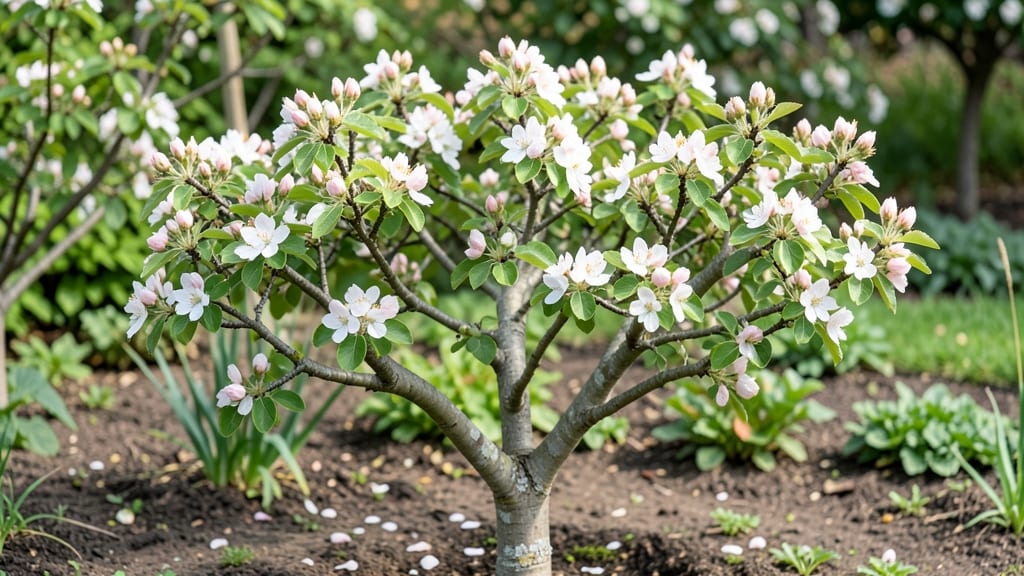
Bartlett pear trees burst into snow-white blossoms every spring, turning your Pacific Northwest yard into a hummingbird magnet. 🌸 I’ve watched mine transform from bare branches to a fragrant cloud of flowers in just two weeks—it’s the most exciting garden moment of the year.
These blossoms aren’t just pretty; they’re the first step toward juicy, sweet pears that ripen by late summer.
The secret to those showstopping blooms starts with the right conditions: full sun, well-draining soil, and consistent watering. My tree thrives in Zone 7-9, where cool nights and warm days extend the bloom season.
Pruning in late winter keeps the structure open, letting sunlight reach every branch—critical for heavy flowering. And don’t forget pollinators: hummingbirds and bees adore these blossoms, making your tree a neighborhood hotspot.
When done right, you’ll end up with clusters of delicate white flowers that perfume the air and eventually give way to buttery-sweet pears. The first flush of blooms appears in early April, and with proper care, you’ll see fruit set within six weeks.
Even if you’re not growing for fruit, the blossoms alone make this tree a standout—imagine sipping coffee on your patio while hummingbirds dart between branches.
Whether you’re pruning for better blooms or troubleshooting sparse flowers, this guide covers everything you need. Let’s get those Bartlett pears flowering like never before—your future harvest (and hummingbirds) will thank you.
📚 In This Guide
- What you need
- Instructions
- Tips and common mistakes
- Wrapping up and next steps
What you need
- ● Bartlett pear tree (Pyrus communis 'Bartlett') – Choose a 2-3 year-old grafted nursery sapling (avoid bare-root if planting outside frost dates).
- ● Well-draining soil mix – 60% native soil + 30% compost + 10% perlite (test pH: ideal range is 6.0–7.0).
- ● Organic fertilizer – 10-10-10 NPK blend (use ½ cup per tree at planting, then monthly during bloom season).
- ● Mulch – 2–3 inches of wood chips or straw (keep 6 inches from trunk to prevent rot).
- ● Drip irrigation system – 1–2 gallons per hour (hummingbirds love consistent moisture!).
- ● Garden trowel & shovel – For digging holes (1.5x wider than the root ball).
- ● Pruning shears – Bypass-style (sterilize with rubbing alcohol to prevent disease).
- ● Wheelbarrow – For mixing soil/fertilizer (or a 5-gallon bucket in a pinch).
- ● Measuring tape – To mark planting depth (root flare should sit 1–2 inches above soil).
- ○ Hummingbird feeder (optional but encouraged!) – Red, 1:4 sugar-water ratio (refill weekly).
- ● Sunlight access – 6+ hours of full sun daily (PNW partial shade = slower blooms).
- ● Frost-free window – Plant after last frost date (typically mid-April to May in the PNW).
- ● Pollinator-friendly zone – Avoid pesticides (neonicotinoids are hummingbird killers!).
- ● Sturdy support (for young trees) – 3-foot bamboo stakes + soft tie if winds are strong.
How to encourage abundant Bartlett pear tree blossoms
Here's the method I use to coax spectacular spring blooms from Pacific Northwest Bartlett pear trees.
🌱 Step 1: Prune for Light and Airflow in Late Winter
Start your blossom prep in late February when the tree is still dormant but before buds swell. I remove 30-40% of the previous year's growth, focusing on crossing branches and inward-growing limbs that block sunlight. Use clean, sharp pruning shears to make cuts just outside the branch collar.
Open the canopy this way so sunlight reaches all fruit wood—Bartlett pears need full sun (6+ hours daily) to set heavy blossoms. Watch for water sprouts (thin, vertical shoots) and remove them completely. These energy vampires drain resources from blossom production.
☀️ Step 2: Apply Balanced Fertilizer at Bud Break
When you see swollen buds (typically mid-March in the PNW), spread 10-10-10 fertilizer around the drip line—1 pound per inch of trunk diameter. Water it in immediately to prevent root burn. This timing gives the tree energy to produce high-quality blossoms rather than just foliage.
I avoid high-nitrogen fertilizers at this stage—they encourage leafy growth at the expense of flowers. Instead, I mix in 1 cup of bone meal for phosphorus, which supports root and blossom development. The goal is balanced growth, not rapid leaf expansion.
💧 Step 3: Maintain Consistent Moisture During Blooming
Once blossoms appear (usually late April), water deeply once weekly—1-2 inches of water per application. Let the top 2 inches of soil dry between waterings to prevent root rot, but don't let the tree experience drought stress. Hummingbirds love well-watered trees because they produce more nectar-rich blossoms.
Mulch with 3 inches of wood chips to retain moisture and regulate soil temperature. Keep mulch 6 inches away from the trunk to prevent rot. If your region experiences late frosts, cover young blossoms with frost cloth at night—Bartlett pears are sensitive to frost damage during bloom.
✂️ Step 4: Thin Fruit After Blooming for Next Year's Flowers
After harvest (typically August-September), thin remaining fruit so 6-8 inches remain between pears. This might seem counterintuitive, but heavy fruit loads exhaust the tree and reduce next year's blossoms. Remove water sprouts and suckers that appear after harvest—they divert energy from flower buds.
I also apply potassium-rich fertilizer (like 0-0-50) in early fall to strengthen roots and prepare for winter. Healthy roots mean more vigorous spring blooms. Avoid late-season nitrogen—it encourages tender new growth that won't survive winter.
Tips & tricks for perfect Bartlett pear tree blossoms
Here's what nobody tells you about maximizing those stunning spring blooms on your Pacific Northwest Bartlett pear tree.
Pruning Precision: In Step 1, when you're removing 30-40% of last year's growth, focus on creating an open vase shape rather than just clearing clutter. This allows sunlight to reach all branches evenly, which is critical for those heavy blossoms. I like to visualize the tree's natural growth pattern—think of it like sculpting a living work of art where every cut serves a purpose.
Fertilizer Timing: The mid-March application of 10-10-10 fertilizer in Step 2 is non-negotiable for blossom production. But here's the secret: spread it on a dry day and water it in immediately to prevent clumping. I also recommend mixing in a handful of compost with your fertilizer—this adds beneficial microbes that help the tree absorb nutrients more efficiently. The goal is balanced growth, not just pretty flowers.
Watering Wisdom: During the blooming season in Step 3, those weekly 1-2 inch waterings should be applied slowly to avoid runoff. I use a soaker hose for this because it delivers water directly to the roots without wetting the leaves, which helps prevent fungal diseases. And remember, the top 2 inches of soil should dry between waterings—this prevents root rot while keeping the tree hydrated enough for those nectar-rich blossoms.
Frost Protection: If you're in an area prone to late frosts, don't wait until the night before—set up your frost cloth a few days early. Bartlett pears are particularly sensitive during bloom, and even a light frost can damage delicate blossoms. I've found that securing the cloth with small stakes at the corners prevents it from blowing away in wind, which is crucial for protecting your investment in those beautiful flowers.
Pro Tips for Bartlett Pear Tree Blossom
- Here's what nobody tells you about maximizing those stunning spring blooms on your Pacific Northwest Bartlett pear tree.
- Pruning Precision: In Step 1, when you're removing 30-40% of last year's growth, focus on creating an open vase shape rather than just clearing clutter.
- Fertilizer Timing: The mid-March application of 10-10-10 fertilizer in Step 2 is non-negotiable for blossom production.
Frequently asked questions
Got questions about Bartlett pear tree blossoms and their role in attracting hummingbirds? Here are some of the most common ones—plus answers to help you make the most of these stunning spring blooms!
When do Bartlett pear tree blossoms appear in the Pacific Northwest?
Bartlett pear trees typically bloom in late April to early May in the PNW, though timing can vary slightly by microclimate. Cooler coastal areas may see blossoms a few weeks later, while inland regions often bloom earlier. Early spring rains and warmer days trigger the show!
Why do hummingbirds love Bartlett pear blossoms so much?
These blossoms are a hummingbird magnet because they’re rich in nectar and packed with tiny, accessible flowers. The tree’s pale pink to white flowers also provide a high-energy food source that fuels migrating hummers. Plus, the tree’s early bloom time aligns perfectly with hummingbirds’ arrival in the PNW!
What should I do if my Bartlett pear tree isn’t blooming?
If your tree skips blossoms, check these fixes:
- Age: Young trees (under 3 years) may not bloom yet—patience is key!
- Sunlight: Ensure it gets 6+ hours of sun daily; partial shade can reduce blooms.
- Pruning: Over-pruning or cutting back too late in the season can delay flowers.
- Fertilizer: A balanced, low-nitrogen fertilizer in early spring encourages blooming.
If the issue persists, test soil pH (ideal: 6.0–7.0) or consult a local arborist.
Can I plant a Bartlett pear tree just for the blossoms, or do I need one for fruit?
While Bartletts are prized for their juicy, sweet pears, their blossoms alone are a hummingbird superstar. If fruit isn’t your goal, choose a self-pollinating variety (like ‘Moonglow’) or plant two trees for cross-pollination. Just remember: blossoms = hummer heaven regardless!
Will cold or rainy spring weather affect the blossoms?
Light rain won’t harm blossoms, but late frosts (below 28°F) can damage them. The PNW’s unpredictable spring means protect young trees with frost cloth if frost warnings appear. Once buds open, hummingbirds will still visit—just enjoy the show a little later in the season!
Wrapping up and next steps
The Bartlett pear tree blossoms aren’t just a fleeting spring spectacle—they’re a year-round magnet for hummingbirds in the Pacific Northwest! 🌸 From their fragrant blooms to their lush foliage, these trees offer a natural buffet that keeps our tiny, iridescent friends buzzing happily.
Whether you’re a gardener, a wildlife enthusiast, or simply someone who loves the magic of nature, planting one is a joyful next step—so why not make your backyard their next favorite stop?
Ready to turn your garden into a hummingbird haven? Start by researching local nurseries or online seed suppliers to find a Bartlett pear tree (or another hummingbird-friendly variety) that thrives in your zone. Then, grab your gloves and get planting—your feathered friends will thank you with a daily aerial ballet! 🐦➤