
Pruning
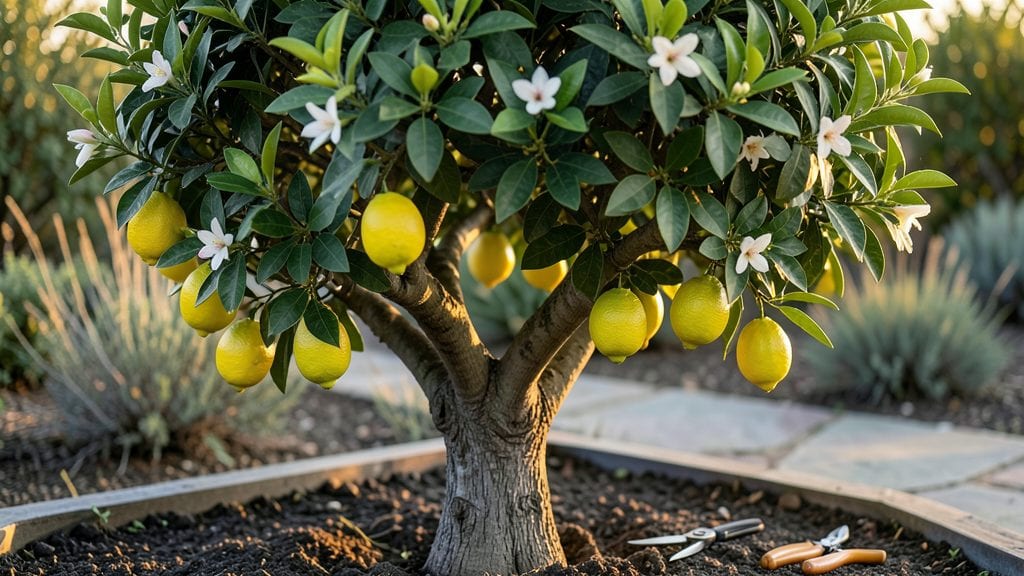
Growing a Sunkist lemon tree in the Pacific Northwest isn’t just possible—it’s a game-changer for year-round citrus lovers. 🌿 I’ve nurtured mine through rainy winters and gray summers, and the secret lies in mimicking its Mediterranean roots with careful light, warmth, and protection.
The first harvest of bright, fragrant lemons in December is worth every effort, especially when store-bought fruit can’t compete.
This tree thrives indoors near a south-facing window or under grow lights, but it also handles outdoor summers in containers with afternoon shade. Well-draining soil, regular watering (never soggy roots), and a balanced fertilizer schedule keep it productive.
Pruning in late winter shapes the tree and encourages fruit-bearing branches—something I learned the hard way after my first overgrown mess.
By spring, you’ll see glossy new leaves and tiny blossoms that promise lemons by fall.
The key is consistency: protect it from drafts, watch for spider mites, and bring it inside before temperatures drop below 40°F. With these adjustments, your Sunkist tree will reward you with harvests that last from October through March—long after grocery stores have given up on citrus.
Whether you’re a beginner or a seasoned gardener, this method works for both patio pots and indoor setups. The first year focuses on establishing strong roots, while years two and three deliver the real payoff: jewel-toned fruit that tastes like sunshine, even in the PNW’s dampest months.
Let’s get your tree growing!
📚 In This Guide
- What you need
- Instructions
- Tips and common mistakes
- Wrapping up and next steps
What you need
- ● Sunkist lemon tree sapling: 1 (choose a dwarf variety like 'Meyer' or 'Improved Meyer' for PNW climates—hardier and smaller!)
- ● Pot or container: 1 (15–20 gallons, with drainage holes; terracotta or fabric pots work best)
- ● Well-draining potting mix: 1 bag (citrus-specific blend or a mix of 60% peat moss, 30% perlite, and 10% compost)
- ● Pruning shears: 1 (sharp, bypass-style, sterilized with rubbing alcohol)
- ● Glove: 1 (gardening gloves to protect hands from thorns)
- ● Watering can or hose: 1 (with a gentle spray nozzle)
- ● Fertilizer: 1 bottle (citrus-specific, slow-release, or organic options like fish emulsion)
- ● Mulch: 1 bag (organic, like straw or shredded bark, to retain moisture)
- ● Grow lights: 1–2 (LED full-spectrum bulbs for winter sunlight supplements)
- ● Humidity tray: 1 (to combat PNW’s dry indoor air)
- ● Citrus food (extra micronutrients): 1 (for leaf yellowing prevention)
- ● Support stakes or trellis: 1 (if training the tree vertically)
- ● Thermometer/hygrometer: 1 (to monitor indoor climate—ideal: 60–75°F)
Step-by-Step guide to growing a thriving Sunkist lemon tree indoors
Here's how to coax that fragrant, fruit-bearing citrus tree to life—even in PNW's gloomy winters.
🌱 Step 1: Select and Prepare Your Tree
Choose a dwarf Sunkist lemon tree from a reputable nursery—look for one with healthy green leaves and no signs of yellowing or pests. The 4-inch pot size is ideal for starting, as it balances root development with manageable weight. Remove the tree from its nursery pot and gently loosen the root ball with your fingers to encourage new root growth.
Inspect the roots for any circling or compacted growth—these will need to be trimmed with clean, sharp scissors. If the tree has been in its pot for months, give it a quick rinse under lukewarm water to remove any residual soil or fertilizer salts that could stress the roots during transplanting.
🪴 Step 2: Choose the Right Container and Soil Mix
Select a 12-15 inch diameter pot with drainage holes—terra cotta works well because it breathes and helps regulate soil moisture. Lemon trees despise soggy roots, so ensure your container has at least 4 drainage holes evenly spaced. Place a 2-inch layer of coarse gravel or pumice in the bottom to improve drainage and prevent compaction.
Use a well-draining citrus potting mix—avoid garden soil, which compacts and suffocates roots. I blend 60% peat or coco coir, 20% perlite or pumice, and 20% compost for the perfect balance. Fill the pot to about 2 inches below the rim, leaving room for the root ball and a top layer of mulch.
☀️ Step 3: Plant and Position for Optimal Light
Place the lemon tree in the center of the pot and spread the roots evenly over the prepared soil. Fill in around the roots with your citrus mix, pressing gently to eliminate air pockets but not compacting the soil. Leave a 1-inch gap between the soil surface and the pot rim for watering.
Position your tree within 3-6 feet of a south-facing window—PNW's weak winter sun means you'll need supplemental grow lights. A full-spectrum LED grow light on a 14-hour timer mimics natural daylight and prevents the tree from stretching leggy. Rotate the pot quarter-turn weekly so the tree grows evenly toward the light source.
💧 Step 4: Water and Maintain Ideal Conditions
Water thoroughly until water runs freely from the drainage holes—this ensures the entire root ball is hydrated. Lemon trees prefer consistently moist but never soggy soil. Stick your finger 1-2 inches into the soil; if it feels dry, it's time to water. In winter, reduce watering to every 7-10 days as the tree enters dormancy.
Keep the tree in a spot with 65-75°F temperatures—avoid cold drafts or sudden temperature swings. Humidity is key: Place the pot on a tray of pebbles with water (ensuring the pot isn't sitting in water) or use a small humidifier nearby. Wipe leaves gently with a damp cloth weekly to remove dust, which can block sunlight and attract pests.
✂️ Step 5: Prune and Fertilize for Fruit Production
Once your tree reaches 18-24 inches tall, begin light pruning to encourage bushier growth. Trim back leggy stems just above a leaf node with clean pruning shears—this redirects energy to lateral branches where fruit develops. Remove any dead, diseased, or crossing branches to improve airflow and sunlight penetration.
Feed your tree with a balanced citrus fertilizer (10-10-10 or 8-3-9) every 4-6 weeks during spring and summer. Reduce to every 8-10 weeks in fall/winter. Over-fertilizing causes salt buildup, which burns roots—always water thoroughly after fertilizing to leach excess salts from the soil.
Tips & tricks for perfect Sunkist lemon tree growth
Growing a thriving Sunkist lemon tree indoors isn't just about following steps—it's about understanding the subtle details that make all the difference in PNW's challenging climate. Here's what I've learned from years of nurturing these citrus beauties.
The Root Factor: When you're loosening that root ball in Step 1, don't just untangle—gently spread the roots outward. This encourages them to grow in a circular pattern that fills the pot more efficiently. I've seen trees with compacted roots struggle for years, while those with properly spread roots thrive. Also, if you notice any roots growing in tight circles, trim them with clean scissors—this prevents girdling as the tree matures.
Soil Science: That 60-20-20 mix in Step 2 is non-negotiable for PNW's damp winters. The peat or coco coir holds moisture without suffocating roots, while perlite/pumice prevents compaction. Pro tip: Add a handful of orchid bark to your mix for extra aeration—it's like giving your tree's roots a breath of fresh air. And remember, that 2-inch gravel layer isn't just for drainage—it creates an air pocket that prevents rot in our wet climate.
Light Strategy: The 14-hour grow light timer in Step 3 is your secret weapon against PNW's short days. But here's the thing: position your light so the top of the tree gets full intensity while lower branches receive about 70% light. I use a clip-on LED that adjusts height—this prevents leggy growth while ensuring all leaves get enough energy for photosynthesis. And that weekly quarter-turn? It's not just about even growth—it helps prevent the tree from leaning toward one light source permanently.
Fertilizer Finesse: When you're feeding your tree every 4-6 weeks, here's what nobody tells you: Always mix your fertilizer with water first, then water thoroughly with plain water afterward. This two-step process prevents salt buildup that can burn your tree's roots. I've seen beautiful trees turn crispy at the edges because of this simple oversight. In winter, that 8-10 week reduction is crucial—your tree's growth slows naturally, and overfeeding can actually harm it during dormancy.
Pro Tips for Sunkist Lemon Tree
- Growing a thriving Sunkist lemon tree indoors isn't just about following steps—it's about understanding the subtle details that make all the difference in PNW's challenging climate.
- The Root Factor: When you're loosening that root ball in Step 1, don't just untangle—gently spread the roots outward.
- Soil Science: That 60-20-20 mix in Step 2 is non-negotiable for PNW's damp winters.
Frequently asked questions
How often should I prune my Sunkist Lemon Tree?
Prune your tree 2-3 times a year: lightly in early spring (to encourage new growth), after harvest (to shape and remove dead wood), and lightly in late summer (to promote fruiting). Avoid heavy pruning in winter—it stresses the tree. Use sterilized tools to prevent disease!
Why aren’t my lemons ripening?
Lemons may struggle to ripen due to lack of sunlight (PNW’s gray skies can be tricky!), overwatering, or nutrient deficiencies. Ensure your tree gets 6+ hours of direct sun daily, use a well-draining soil mix, and fertilize with citrus-specific food in early spring and summer.
Can I grow a Sunkist Lemon Tree indoors in the PNW?
Yes! Place it near a south-facing window or use grow lights for 12+ hours daily. Keep temps between 60–80°F and humidity up (mist leaves or use a pebble tray). Move it outdoors in summer for fresh air—just avoid sudden cold snaps.
What’s the best way to prune for bigger lemons?
Focus on open-center shaping: Remove suckers (shoots at the base) and crossing branches to improve airflow. Trim back 1/4 of last year’s growth to encourage fruiting spurs. Avoid cutting into old wood—it won’t regrow. Pro tip: Prune after flowering to redirect energy to fruit production!
My tree’s leaves are yellow—what’s wrong?
Yellow leaves often signal overwatering, nutrient deficiency (like nitrogen or iron), or root rot. Check soil moisture—it should be dry 1–2 inches down before watering. Amend soil with compost or use a chelated iron supplement if needed. If roots smell rotten, repot in fresh, dry soil.
Wrapping up and next steps
Growing your own Sunkist lemon tree in the Pacific Northwest is a rewarding journey that brings vibrant citrus to your doorstep year-round! With the right pruning techniques, you’ll ensure a healthy, productive tree that thrives despite the region’s unique climate.
Whether you’re trimming for shape, fruit yield, or airflow, remember that patience and consistency are key—your tree will thank you with bursts of sweet, tangy lemons! 🌿
Ready to take the next step? Start small: pick one pruning session to master, then gradually expand your skills. Before you know it, you’ll be harvesting lemons like a pro—and maybe even sharing them with neighbors! 🍋✨