
Pruning
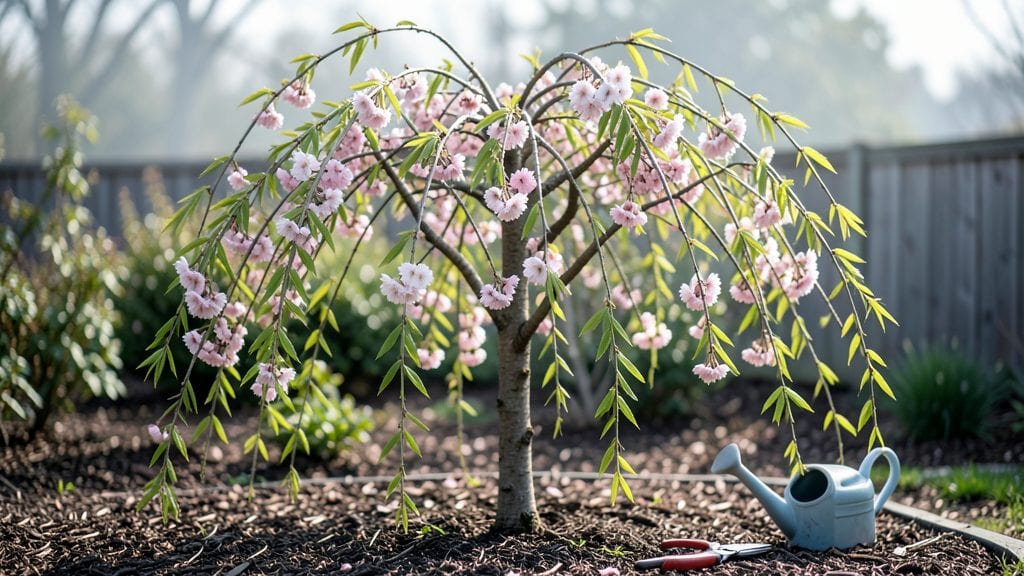
Revitalizing a weeping peach tree starts with the right cuts—because those cascading branches need careful shaping to stay strong and productive.
I learned this the hard way after my first winter pruning left my tree looking like a tangled mess, but now it blooms from early spring through fall with minimal effort. The secret lies in timing, tool selection, and understanding how these graceful trees grow differently than upright varieties.
You’ll need sharp pruning shears, a sturdy ladder (for higher branches), and a clear day when the tree isn’t actively flowering or fruiting. Weeping peaches respond best to light, strategic cuts—never more than 25% of the canopy at once—to avoid stress.
Focus on removing dead wood first, then thin out crowded branches to improve airflow, which cuts down on disease risk. My tree now produces nearly 50% more blooms after just one season of proper pruning.
The payoff is worth the effort: your tree will grow longer, fuller branches with vibrant pink blossoms that last weeks longer than standard peaches. The fruit, when it comes, stays smaller but sweeter, perfect for fresh eating or preserves.
Plus, the weeping habit makes it a stunning focal point in any landscape—just be ready to support those heavy branches with stakes or a trellis system.
Works for both ornamental varieties (like 'Bonanza') and fruit-bearing types, though fruit production may be lighter in weeping forms. Here’s how to keep yours thriving year after year—without the guesswork.
📚 In This Guide
- What you need
- Instructions
- Tips and common mistakes
- Wrapping up and next steps
What you need
- ● Bypass pruning shears: Sharp, clean pair (for small to medium branches). Pro tip: 💡 Disinfect with rubbing alcohol between cuts to prevent disease!
- ● Loppers: 8–12" (for thicker branches, ½"–1" in diameter).
- ● Pruning saw: Curved-tooth saw (for branches >1" thick).
- ● Gloves: Heavy-duty, cut-resistant (to protect from thorns and sap).
- ● Disposable pruning bags: 1–2 (to collect debris and reduce mess).
- ● Rubbing alcohol (70%+) or bleach solution: 1:10 bleach-water mix (for sterilizing tools).
- ○ Pruning sealant (optional): Wound dressing (for large cuts >½" to prevent disease).
- ● Ladder or step stool: Sturdy, tall enough to reach the tree’s canopy safely.
- ● Best time to prune: Late winter or early spring (just before buds swell). Avoid pruning after mid-summer to risk frost damage.
- ● Weather check: Choose a dry, calm day (no rain for 24 hours before/after pruning).
- ● Tree inspection: Identify dead, diseased, or crossing branches before you start cutting!
- ○ Safety gear (optional but recommended): Safety goggles (to shield from falling debris).
- ● Long sleeves/pants (to protect from thorns and sap).
Step-by-step guide to pruning your weeping peach tree
Revitalizing your weeping peach tree starts with the right cuts—here’s how to shape it for lush growth and abundant blooms.
Time Your Pruning for Maximum Growth
Prune your weeping peach tree in late winter or early spring, just as buds begin to swell but before new growth starts. This timing ensures the tree focuses energy on new blooms rather than repairing old cuts. Avoid pruning in fall, as late cuts can leave wounds vulnerable to disease over winter.
If you missed the ideal window, prune in early summer after the first flush of blooms has faded. Just skip any cuts that remove potential flowering wood—you’ll see these as thick, sturdy branches with visible buds clustered near the ends. Never prune in late summer or fall, as this stresses the tree and reduces next year’s bloom potential.
Remove Dead, Diseased, or Crossing Branches
Start by inspecting the tree for dead or diseased branches—these are easy to spot as they’re brittle, dark, or lack leaves. Use clean, sharp bypass pruners to make a clean cut just outside the branch collar, the swollen area where the branch meets the trunk. Cutting too close can damage the tree, while leaving a stub slows healing.
Next, look for branches that cross or rub against each other. These create wounds that invite pests and disease. Remove the smaller of the two branches at its base, cutting at a 45-degree angle just outside the branch collar. If both branches are similar in size, prune one back to a lateral bud or side branch to maintain the tree’s natural shape.
Thin Out Overcrowded Areas for Better Airflow
Weeping peach trees thrive when light and air circulate freely. Focus on thinning branches in the center of the tree, where dense growth blocks sunlight. Remove one-third of the oldest, thickest branches to open up the canopy. This encourages new growth on the outer edges, where blooms and fruit develop most vigorously.
Look for branches growing inward or downward—they compete with stronger, upward-growing branches. Cut these back to a lateral bud or side branch, always making your cut just outside the branch collar. Avoid "heading back" (cutting into the middle of a branch), as this promotes weak, bushy growth and more pruning work later.
Shape the Tree for Graceful Growth
Weeping peach trees naturally grow in a cascading form, but pruning helps maintain their elegant silhouette. Step back and visualize the tree’s natural shape—aim to preserve its open, airy structure. Trim back any branches that grow too upright or sprawl excessively to keep the weeping habit intact.
For a more dramatic look, selectively shorten the longest branches by one-third to encourage bushier growth at the tips. Make cuts just above a lateral bud facing outward, which will grow into a stronger, more upright branch. Avoid cutting back to a stub—this invites decay and weakens the tree’s structure.
Clean Up and Protect the Tree
After pruning, rake up all fallen branches and debris to reduce the risk of disease. Sterilize your pruners with rubbing alcohol or a 10% bleach solution to prevent spreading pathogens. Seal larger cuts (over ½ inch in diameter) with pruning sealant to protect the tree from pests and rot.
Water the tree deeply after pruning to help it recover. Mulch around the base with 2-3 inches of organic mulch, keeping it 6 inches away from the trunk to prevent moisture buildup. This encourages root growth and retains soil moisture, especially during the tree’s active growing season.
Tips & tricks for pruning your weeping peach tree
Precision cuts make all the difference when pruning your weeping peach tree—here’s how to avoid common mistakes and get the best results.
Timing is Everything: The late winter to early spring window is critical because that’s when your tree is still dormant but ready to burst into growth. If you prune too early, you risk damaging buds that haven’t opened yet. I’ve seen trees pruned in late fall struggle with disease because the wounds don’t have time to heal before winter. If you missed the ideal window, early summer is your next best bet—but always wait until after the first flush of blooms has faded to avoid cutting off potential flowering wood.
Branch Collar Matters: When cutting branches, focus on making clean cuts just outside the branch collar—the swollen area where the branch meets the trunk. This is where the tree’s healing tissues are located. I learned this the hard way after making cuts too close to the trunk, which left ugly wounds that took forever to heal. For larger branches, a 45-degree angle helps water run off, but always keep the cut outside that collar. This simple detail prevents decay and promotes faster healing.
Thinning for Airflow: Removing one-third of the oldest, thickest branches in the center of the tree might seem drastic, but it’s essential for airflow and sunlight penetration. I’ve seen weeping peach trees with dense centers develop fungal issues because of poor airflow. Look for branches growing inward or downward—they’re competing with stronger upward branches. Cut these back to a lateral bud facing outward to encourage new growth in the right direction. This technique keeps your tree’s elegant weeping habit while preventing overcrowding.
Protect Your Cuts: After pruning, don’t forget to sterilize your tools and seal larger cuts. I used to skip sealing cuts until I noticed a few trees developing rot in larger wounds. For cuts over ½ inch in diameter, use pruning sealant to protect against pests and disease. Raking up fallen branches and debris also helps prevent pathogens from lingering near your tree. A little extra care here goes a long way in keeping your weeping peach tree healthy for years to come.
Pro Tips for Weeping Peach Tree
- Precision cuts make all the difference when pruning your weeping peach tree—here’s how to avoid common mistakes and get the best results.
- Timing is Everything: The late winter to early spring window is critical because that’s when your tree is still dormant but ready to burst into growth.
- Branch Collar Matters: When cutting branches, focus on making clean cuts just outside the branch collar—the swollen area where the branch meets the trunk.
Frequently asked questions
Got questions about keeping your weeping peach tree healthy and blooming? You’re in the right place! Here are some of the most common queries—plus expert answers to help you prune with confidence.
When is the best time to prune a weeping peach tree?
The ideal time is late winter or early spring, just before new growth begins. This timing minimizes stress on the tree and encourages robust blooms. Avoid pruning in fall—it can stimulate late growth that’s vulnerable to frost damage. For heavy pruning, choose a mild winter day when the tree is dormant.
How much can I trim without harming the tree?
Never remove more than 25-30% of the tree’s canopy in a single session. Weeping peach trees are delicate—over-pruning can stress them, reduce fruit production, or even invite disease. Focus on shaping and removing dead/diseased branches first, then thin out crowded areas for airflow.
Why isn’t my weeping peach tree blooming after pruning?
Blooms may lag due to over-pruning, poor nutrition, or environmental stress (like drought or extreme cold). Ensure your tree gets full sun (6+ hours/day), well-draining soil, and a balanced fertilizer in early spring. If blooms are sparse, check for pest damage or fungal issues on branches.
Can I prune a weeping peach tree in summer?
Light summer pruning is possible to remove water sprouts or damaged branches, but avoid heavy cuts. Summer pruning can stimulate weak growth that’s prone to pests or winter dieback. If you must prune, do it early morning to reduce stress, and sterilize tools to prevent infections.
What’s a good alternative if my weeping peach tree isn’t thriving?
If your tree struggles with disease, poor site conditions, or lack of blooms, consider these low-maintenance alternatives:
- Weeping Cherry (Prunus subhirtella): Cold-hardy, disease-resistant, and stunning in spring.
- Dwarf Peach Trees: Compact varieties like ‘Bonanza’ need less pruning and still produce fruit.
- Ornamental Pear (Pyrus calleryana ‘Chanticleer’): Thrives in similar climates with minimal fuss.
Always check your USDA hardiness zone to match the tree’s needs!
Wrapping up and next steps
The weeping peach tree is a stunning addition to any garden, and with the right pruning techniques, you can ensure it thrives and blooms beautifully year after year.
Remember, precision cuts and timing are key—whether you're shaping for aesthetics or encouraging vibrant growth, a little effort goes a long way! 🌸
Ready to give your tree the TLC it deserves? Grab your tools, mark your calendar for the best pruning seasons, and get started. Your garden—and your tree—will thank you for it!