
Pruning
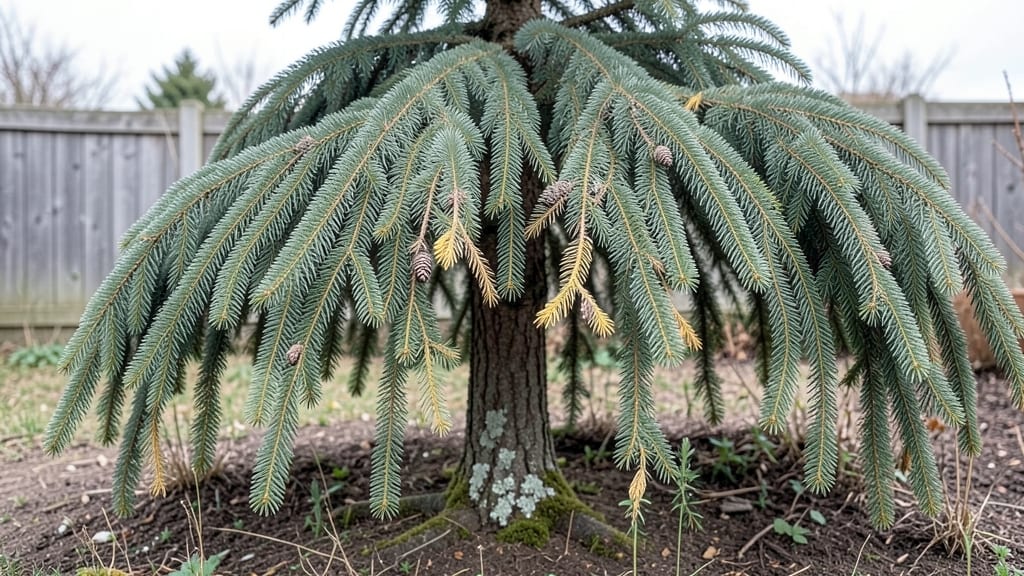
A weeping Norway spruce tree transforms any Pacific Northwest landscape with its graceful, cascading branches and silvery-blue needles. 🌿 I’ve grown mine for over a decade, and its ability to thrive in our damp winters—while requiring minimal fuss—makes it a standout.
The key lies in its natural resilience, especially when pruned correctly to maintain that elegant weeping shape without stressing the tree.
This evergreen reaches 15-20 feet tall but spreads wider than it grows, making it perfect for focal points or mixed borders. It thrives in partial shade to full sun, tolerates moist, well-drained soil, and handles our region’s frosts like a champ.
Plant it in fall or early spring when the ground is workable but not frozen, and space it 10-15 feet apart to allow its branches to cascade beautifully without crowding.
Pruning is where the magic happens—focus on light shaping in late winter to encourage dense growth at the tips of those graceful branches. Avoid heavy cuts, as this spruce responds best to gentle guidance.
With proper care, you’ll enjoy its frost-resistant needles year-round, plus that classic Nordic charm that pairs perfectly with PNW gardens.
Once established, it’s low-maintenance: water deeply during the first year, fertilize lightly in early spring, and watch it flourish. The real reward? A tree that ages gracefully, its weeping habit becoming more pronounced with time—all while standing up to our region’s weather like a true survivor.
📚 In This Guide
- What you need
- Instructions
- Tips and common mistakes
- Wrapping up and next steps
What you need
- ● Pruning shears: Sharp, bypass-style shears (2–4" blade length) for small branches.
- ● Loppers: Bypass or anvil-style (1.5–2.5" blade) for thicker branches (up to 1.5" diameter).
- ● Pruning saw: Curved-tooth saw for branches over 1.5" in diameter.
- ● Disinfectant: 70% isopropyl alcohol or rubbing alcohol to sterilize tools between cuts.
- ● Gloves: Heavy-duty, cut-resistant gloves (e.g., mechanics’ or pruning gloves).
- ● Safety glasses: ANSI-rated for eye protection.
- ● Ladder or step stool: Sturdy, extension ladder (if tree exceeds 6–8 ft tall) or a stable step stool (for smaller trees).
- ● Trash bags: Heavy-duty contractor bags (10–20 gallon) for debris.
- ○ Pruning sealant (optional but recommended): Tree wound sealant (e.g., Tanglefoot Tree Wound Pruning Sealer) for cuts over 0.5" diameter.
- ● Pole pruner: For high branches (extendable up to 10–12 ft).
- ● Work gloves with grip: Cushioned palms for comfort during long sessions.
- ● Marking twine or flags: To tag branches for removal (useful for large-scale pruning).
- ● Hose or spray bottle: To clean tools mid-pruning.
- ● First-aid kit: For minor cuts or scrapes (because safety first! 🚑).
Step-by-step pruning guide for weeping Norway spruce trees
Transform your Pacific Northwest landscape with this gentle, frost-hardy approach to shaping your weeping spruce.
✂️ Step 1: Time Your Pruning for Optimal Growth
Prune your weeping Norway spruce during late winter or early spring, just as new growth begins but before buds fully swell. This timing ensures you remove dead wood while stimulating fresh, frost-resistant growth. Avoid pruning in fall—new growth won’t harden before winter, leaving branches vulnerable to cold damage.
Look for dormant, brown needles that contrast with the green of healthy branches. These are your first targets. Use sharp, clean pruners to make cuts just above a healthy bud or lateral branch. Never leave stubs—they invite disease and weaken the tree’s structure.
🌿 Step 2: Remove Dead, Diseased, or Crossing Branches
Start by inspecting the tree for dead branches (those with no needles or brittle, snapping wood). Cut these back to the main trunk or a healthy lateral branch. Next, identify branches growing inward or rubbing against others—these will eventually create wounds and invite pests. Remove them entirely at the base.
For diseased branches (yellowing needles, fungal growth, or oozing sap), sterilize your pruners with rubbing alcohol between cuts. Work from the bottom up to avoid spreading pathogens. If you’re unsure whether a branch is diseased, err on the side of caution and remove it—spruces recover better from pruning than from neglect.
☀️ Step 3: Shape for Balance and Airflow
Step back and assess the tree’s natural form. Weeping Norway spruces grow in a graceful arc, so your goal is to enhance this silhouette without over-pruning. Focus on thinning the canopy by selectively removing overcrowded branches—aim for 20-30% reduction in density to improve airflow and sunlight penetration.
Use hand pruners for branches up to ½ inch thick and loppers for thicker branches. Make cuts at a 45-degree angle just outside the branch collar (the swollen area where the branch meets the trunk). Avoid heavy-handed pruning—this tree’s elegance comes from its natural, flowing shape, not forced symmetry.
⏰ Step 4: Clean Up and Monitor for Recovery
After pruning, rake up all debris and dispose of it away from the tree to prevent fungal growth. Water the base of the tree deeply to help it recover, especially if you’ve removed a significant portion of the canopy. Mulch lightly with 2-3 inches of organic mulch (like pine bark) to retain moisture and protect roots.
Watch for new growth in 4-6 weeks—this is your confirmation that the tree is healing well. If you notice excessive needle drop or wilting, you may have pruned too aggressively. Weeping Norway spruces are resilient, but they thrive with gentle care. Avoid fertilizing immediately after pruning; wait until new growth appears.
Tips & tricks for perfect weeping Norway spruce pruning
Mastering the art of pruning your weeping Norway spruce transforms it from a simple tree into a stunning focal point of your Pacific Northwest landscape.
Timing is Everything: The late winter to early spring window is critical because it aligns with the tree's natural dormancy period. I've learned this the hard way—pruning in fall can leave new growth vulnerable to winter damage. Look for the first signs of bud swelling as your cue to start. This timing ensures you remove dead wood while stimulating fresh, frost-resistant growth that will thrive through our rainy winters.
The Disease Prevention Strategy: Sterilizing your pruners between cuts with rubbing alcohol is non-negotiable when dealing with diseased branches. I keep a small bottle of 70% isopropyl alcohol in my pruning kit for exactly this purpose. Working from the bottom up prevents spreading any potential pathogens to healthier upper branches. Remember, spruces are resilient, but prevention is always better than cure when it comes to fungal diseases like needle cast that thrive in our Pacific Northwest climate.
Shape with Purpose: When thinning the canopy in Step 3, aim for that 20-30% reduction in density to maximize airflow. I like to visualize the tree's natural arc while pruning—this helps maintain its graceful silhouette. For thicker branches over ½ inch, use loppers and make clean cuts at a 45-degree angle just outside the branch collar. This technique promotes faster healing and reduces the risk of disease entry points.
Recovery Monitoring: The 4-6 week recovery period is your best indicator of success. Watch for new growth as confirmation the tree is healing well. If you notice excessive needle drop or wilting during this time, it's a sign you may have pruned too aggressively. Weeping Norway spruces are remarkably resilient, but they do have their limits—especially after significant pruning. Consider this your tree's way of communicating with you about its health.
Pro Tips for Weeping Norway Spruce Tree
- Mastering the art of pruning your weeping Norway spruce transforms it from a simple tree into a stunning focal point of your Pacific Northwest landscape.
- Timing is Everything: The late winter to early spring window is critical because it aligns with the tree's natural dormancy period.
- The Disease Prevention Strategy: Sterilizing your pruners between cuts with rubbing alcohol is non-negotiable when dealing with diseased branches.
Frequently asked questions
Got questions about your weeping Norway spruce? You’re not alone! Here are answers to the most common concerns—from pruning timing to troubleshooting—so you can keep your tree thriving in the Pacific Northwest’s unique climate.
When is the best time to prune a weeping Norway spruce?
The ideal time is late winter or early spring (February–March), just as new growth begins. Avoid pruning in fall or winter, as cold stress can harm the tree. If you must prune in summer, do it early to prevent heat shock. Pro tip: Never prune after a hard frost—wait until temperatures stabilize!
How do I encourage a denser, fuller weeping shape?
Focus on selective pruning—remove only dead, crossing, or overcrowded branches to maintain airflow and sunlight penetration. Avoid heavy cuts; instead, trim back to a healthy bud or lateral branch. For a bushier look, prune just outside the branch collar (the swollen area where the branch meets the trunk).
Why is my spruce losing needles, even in winter?
Needle drop is normal in late winter (January–March), but excessive thinning could signal drought stress, pests (like spruce budworm), or fungal issues. Check for yellowing needles, sawdust-like frass, or white powdery mildew. If the problem persists, test soil moisture and consider a balanced fertilizer in early spring.
Can I use shears or should I invest in pruning saws?
For small branches (under ½ inch thick), sharp bypass pruners work well. For thicker branches (½–2 inches), use a pruning saw with a fine-tooth blade to avoid tearing. Never use hedge trimmers—they can damage the tree’s delicate structure.
How do I protect my spruce from Pacific Northwest rain and wind?
While weeping Norway spruces are drought-tolerant once established, heavy rain can cause root rot if soil doesn’t drain well. Plant in well-draining soil and avoid compacted areas. For wind exposure, stake young trees temporarily (1–2 years) and mulch 3 inches deep (but keep mulch away from the trunk).
Wrapping up and next steps
The Weeping Norway Spruce is a stunning addition to Pacific Northwest gardens, blending resilience with timeless beauty. With the right pruning techniques—especially frost-resistant methods—you can keep it thriving for years. Remember, patience and precision are key!
Now that you’re armed with knowledge, grab your tools and give your spruce the care it deserves. Start small, observe its growth, and soon, you’ll have a showstopping, frost-hardy centerpiece that turns heads in your landscape. Happy pruning! 🌲✨