
Pruning
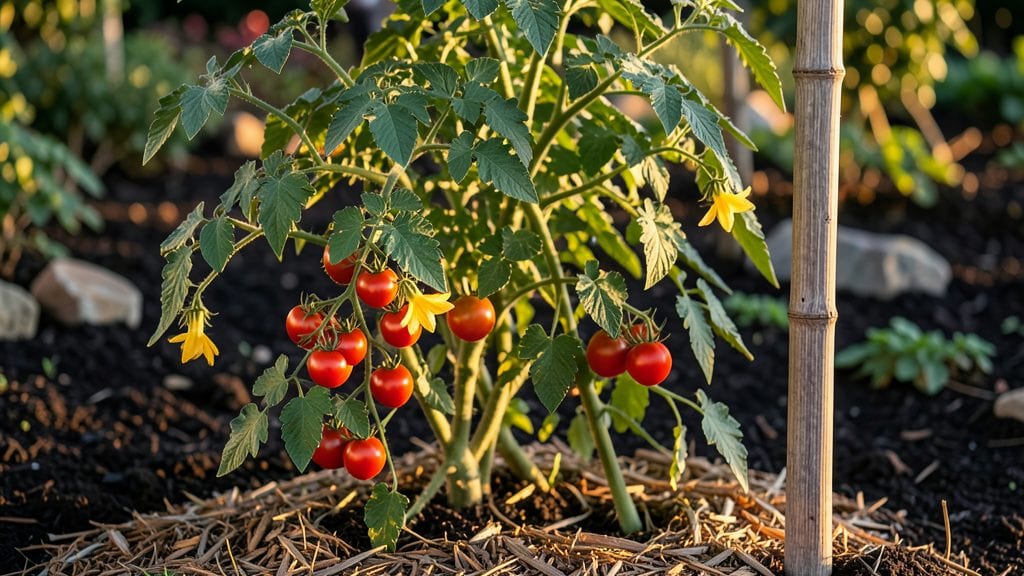
Creating a huge tomato tree isn't just about space—it's about mastering the right pruning rhythm to turn vines into a fruit-loaded canopy. 🌱 I learned this the hard way when my first attempt grew wild but produced only a handful of tomatoes.
The secret lies in indeterminate varieties like 'Sungold' or 'Brandywine', which keep growing until frost if you guide them properly.
You'll need sturdy trellising (think 6-foot stakes or a tomato cage tower), sharp pruning shears, and a 3-4 week window after transplanting to establish the main stem. The goal is to remove suckers (those little shoots between the stem and branches) while keeping 3-4 main stems.
This might sound tricky, but once you see how the plant responds—thicker stems, more leaves, and eventually a 50% harvest boost—you'll never go back.
By midsummer, your tomato tree will look like a lush, leafy umbrella, and the pruning pays off in waves of ripe fruit. The key is consistency: prune weekly during growth spurts, and always cut just above a leaf node.
You'll end up with a plant that towers over your garden, dripping with tomatoes while bush varieties struggle nearby.
This method works in containers too, as long as your pot holds at least 5 gallons and has sturdy support. Whether you're in a small urban yard or a sprawling vegetable plot, the same principles apply. Let's get those vines climbing and fruiting like never before.
📚 In This Guide
- What you need
- Instructions
- Tips and common mistakes
- Wrapping up and next steps
What you need
- ● Tomato plants: 1-2 healthy, disease-resistant varieties (e.g., Beefsteak, Roma, or Cherry types) suited for your climate.
- ● Pruning shears: 1 pair of bypass pruners (sharp, clean, and sterilized with rubbing alcohol to prevent disease).
- ● Gloves: 1 pair of gardening gloves (nitrile or leather for durability).
- ● Support system: 1 tomato cage (5-6 ft tall) or
- ● 1 sturdy trellis or bamboo stakes (6-8 ft tall, spaced 2-3 ft apart).
- ● Twine or plant ties: 50-100 ft of soft garden twine (1/8-inch width) or reusable fabric ties.
- ○ Pruning paste or sealant: 1 small bottle (optional but recommended for large cuts to prevent rot).
- ● Hand pruners: 1 pair for smaller trims (backup to your main shears).
- ● Loppers: 1 pair (for thicker stems, if your tomato tree grows aggressively).
- ● Hose or spray bottle: For rinsing tools between cuts (prevents cross-contamination).
- ● Compost bin or bucket: To collect pruned debris for composting.
- ● A sunny location with 6-8+ hours of direct sunlight daily.
- ● Well-draining soil (amend with compost if needed; pH 6.0-6.8 is ideal).
- ● Consistent watering schedule (1-2 inches per week, keeping soil moist but not soggy).
- ● Fertilizer: Balanced 10-10-10 or organic options like compost tea or worm castings (apply every 2-3 weeks).
Step-by-Step pruning blueprint for a massive tomato harvest
Here's my battle-tested method for transforming ordinary tomato plants into productive, vine-like powerhouses.
🌱 Step 1: Identify and Remove Suckers Early
Suckers are the small shoots that grow in the leaf axils where branches meet the main stem. These energy vampires drain your plant instead of producing fruit. I start checking for suckers when my plants hit 12-18 inches tall—that's when they begin forming. Use your thumb and forefinger to gently pinch them off at the base, being careful not to damage the main stem.
Here's the thing—don't wait until suckers are 2-3 inches long. By then, they've already siphoned nutrients. Remove them when they're no bigger than a pencil eraser for maximum efficiency. I do this every 3-4 days during the active growing season to stay ahead of new growth.
✂️ Step 2: Train the Main Stem and Prune Strategically
For indeterminate varieties (the ones that keep growing all season), I let just one strong main stem develop. Remove all other competing stems at the base. This forces the plant to channel all its energy into that single vertical leader, which becomes your "trunk" for the tomato tree structure.
Once your main stem reaches 4-5 feet tall, I start pruning the lower leaves—especially those below the first 6 inches of the plant. Remove them completely. This improves airflow and reduces disease risk. I also trim any leaves that shade the fruit clusters, as sunlight on the tomatoes boosts sugar development and flavor.
🌿 Step 3: Create the Canopy Structure for Maximum Fruit Load
When your main stem hits 6 feet, it's time to create horizontal branches that will become your fruit-bearing canopy. Select 3-4 strong lateral branches (the ones growing from the leaf axils) and tie them to small stakes or trellis wires at 45-degree angles. This creates a natural umbrella shape that spreads the plant's weight and maximizes sun exposure.
I space these lateral branches 12-18 inches apart vertically. Each one should be at least 12 inches long before you start pruning it back. Once established, I trim these branches to 12-18 inches long, removing any leaves that would block sunlight from reaching the fruit clusters below.
☀️ Step 4: Maintain Airflow and Light Penetration
As your tomato tree grows, I make it a habit to prune inward-facing leaves that would create dense shade. The goal is to let sunlight penetrate to the center of the plant where most of your tomatoes will form. I also remove any leaves that show signs of disease—especially the yellowing or curling ones—before they spread.
Here's what I watch for: if you see white powdery spots (early blight) or dark spots with yellow halos (septoria leaf spot), remove those leaves immediately and destroy them (don't compost). I also thin out any fruit clusters that have more than 3-4 tomatoes—this prevents overloading and improves fruit size.
⏰ Step 5: Late-Season Pruning for Extended Harvest
As summer progresses and your plant matures, I shift focus to fruit preservation. When your plant reaches its maximum height (usually 8-10 feet for indeterminates), I stop all vertical growth by pinching off the main stem's terminal bud. This redirects energy to the existing fruit clusters rather than new growth.
I also prune any shoots growing from the base of the plant—these are called "basal suckers" and they waste energy that could be going to your existing fruit. Keep pruning these until 4-6 weeks before your first frost, then let the plant focus entirely on ripening what's already there.
Tips & tricks for perfect tomato tree pruning
Transforming your tomato plants into productive giants takes more than just good intentions—it requires strategic pruning. Here's what I've learned from years of trial and error in the garden.
Timing is Everything: In Step 1, when you're removing those pencil-eraser-sized suckers every 3-4 days, consistency is key. I've found that morning pruning gives plants the whole day to recover and redirect energy. Also, always use clean, sharp pruners or your fingers—dull tools crush stems and invite disease. The goal is to make clean cuts that heal quickly, not tear the plant tissue.
Canopy Construction Matters: When you reach Step 3 and create that umbrella-shaped canopy, pay attention to the 45-degree angle when tying lateral branches. This angle is critical for two reasons: first, it prevents branches from rubbing against each other (which creates wounds), and second, it allows water to run off efficiently after rain. I use soft plant ties or even old pantyhose cut into strips—they're gentle on plant stems and won't cut in over time.
Disease Prevention Strategy: In Step 4, when you're pruning those inward-facing leaves, don't just remove the obvious culprits. Look for leaves that are starting to yellow at the edges—this can be an early sign of disease before visible spots appear. I keep a small bucket of soapy water nearby to immediately dunk any diseased leaves before they can spread spores. Also, always sterilize your pruners between cuts with rubbing alcohol to prevent cross-contamination.
Seasonal Transition Tip: For Step 5's late-season pruning, mark your calendar 4-6 weeks before your first frost date. This gives your plant enough time to focus on ripening existing fruit rather than producing new growth. I also recommend stopping all pruning by mid-August in most climates—this gives the plant enough time to recover and ripen fruit before cold weather arrives. The last thing you want is stressed plants trying to grow new shoots when they should be conserving energy for fruit maturation.
Pro Tips for Huge Tomato Tree
- Transforming your tomato plants into productive giants takes more than just good intentions—it requires strategic pruning.
- Timing is Everything: In Step 1, when you're removing those pencil-eraser-sized suckers every 3-4 days, consistency is key.
- Canopy Construction Matters: When you reach Step 3 and create that umbrella-shaped canopy, pay attention to the 45-degree angle when tying lateral branches.
Frequently asked questions
How often should I prune a huge tomato tree?
Prune your huge tomato tree weekly during the growing season (spring to early summer). Focus on removing suckers (shoots between the stem and branches) and any diseased or crowded leaves. Pro tip: Stop pruning 4–6 weeks before your first frost to let the plant harden for harvest.
When is the best time of day to prune?
Prune in the early morning when plants are hydrated and temperatures are mild. Avoid midday heat, which stresses the plant. If you must prune later, water thoroughly before and after to reduce shock. Bonus: Use sterilized shears to prevent disease spread!
Can I prune a huge tomato tree too much?
Yes! Over-pruning removes too much foliage, reducing photosynthesis and weakening the plant. Aim to never remove more than 1/3 of the plant at once. Focus on selective pruning—target suckers and dead growth while preserving leafy branches for energy.
What if my huge tomato tree isn’t producing fruit?
Poor fruit production often stems from lack of pruning, overcrowding, or insufficient sunlight. Thin out excessive foliage, ensure 6–8 hours of sunlight daily, and fertilize with tomato-specific nutrients. Check for: pests, blight, or root issues. If flowers drop, it may need more water or pollination help (gently shake stems!).
Are there alternatives to pruning for smaller spaces?
If space is tight, try bush tomato varieties (like ‘Roma’ or ‘Cherry’) that don’t require heavy pruning. For huge tomato trees, use cage supports or trellises to train growth upward. Prune minimally to maintain shape, focusing on air circulation to prevent disease.
What should I do with pruned branches?
Dispose of diseased branches immediately in the trash (not compost). Healthy prunings can be chopped into mulch or used as compost starter. Avoid adding them back to the garden to prevent pests or pathogens from returning.
Wrapping up and next steps
Growing a huge tomato tree with bigger harvests is totally within reach—just follow the pruning blueprint you’ve learned! By mastering the right techniques, you’ll transform your garden into a fruitful powerhouse while keeping your plants healthy and thriving. 🌱✨
Now that you’re armed with the knowledge, it’s time to roll up your sleeves and start pruning! Begin with one plant, observe its progress, and soon, you’ll be reaping 50% more tomatoes than ever before. Happy gardening!