
Pruning
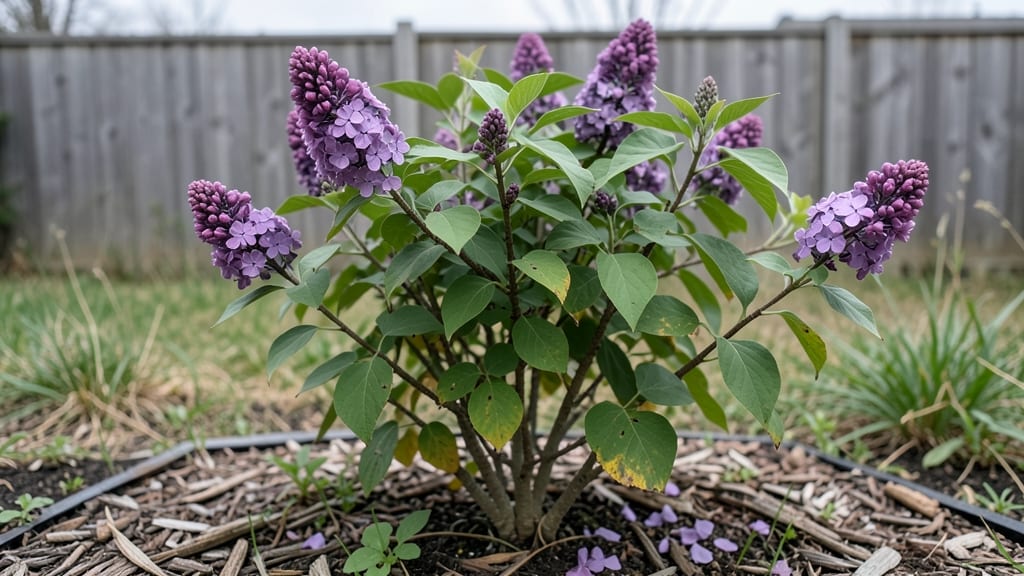
A small lilac tree brings that unmistakable spring fragrance to tiny yards and containers—something I learned the hard way after my first overgrown, leggy bush took over a corner.
These compact varieties pack all the scent and charm of their larger cousins without the sprawl, making them perfect for Pacific Northwest gardens where space is precious but frost is inevitable.
The secret to keeping them thriving lies in frost-resistant pruning—cutting back at the right time to encourage dense growth and prevent winter damage. You’ll need well-draining soil, 6+ hours of sun daily, and a little patience as they establish roots.
Varieties like ‘Miss Kim’ or ‘Dwarf French’ stay under 6 feet tall while still delivering show-stopping purple blooms that hummingbirds adore.
With proper care, your lilac will reward you with fragrant clusters every spring, often reblooming in late summer. The key is timing: prune right after flowering to avoid cutting off next year’s buds. Even in rainy PNW winters, these trees bounce back stronger than many perennials I’ve tried.
Whether you’re working with a 5-gallon container or a small backyard spot, lilacs thrive with minimal fuss. Just avoid overwatering—these trees hate soggy roots—and you’ll have a fragrant centerpiece that lasts decades. Ready to transform that empty corner into a springtime perfume factory?
📚 In This Guide
- What you need
- Instructions
- Tips and common mistakes
- Wrapping up and next steps
What you need
- ● Pruning shears: Bypass pruners (sharp, clean, and sterilized with rubbing alcohol to prevent disease). Size: 5–7 inches for small branches.
- ● Loppers: For thicker branches (½–1½ inches in diameter). Quantity: 1 pair.
- ○ Hand pruners: For delicate trimming (optional but handy for precision). Quantity: 1 pair.
- ● Gloves: Heavy-duty gardening gloves (protect against thorns and sap). Material: Leather or reinforced fabric.
- ● Disinfectant: 70% isopropyl alcohol or bleach solution (1 part bleach to 9 parts water) for tool sterilization.
- ○ Pruning sealant: (Optional but recommended) Tree wound sealant to protect cuts on larger branches.
- ● Tarp or drop cloth: To collect clippings and keep your workspace tidy.
- ● Timing: Prune right after flowering (late spring/early summer) to avoid cutting off next year’s blooms.
- ● Weather: Choose a dry, frost-free day (ideal temp: 50–70°F). Lilacs hate soggy soil!
- ● Safety gear: Safety glasses (if working near eyes) and long sleeves (to avoid scratches).
- ● Ladder (if needed): For taller lilacs (6+ feet). Safety tip: Use a sturdy, three-legged ladder and have a spotter!
- ● 🌡️ Frost prep: If pruning late in the season, avoid heavy cuts—lilacs are semi-hardy but can struggle with sudden freezes.
- ● ✨ Tool sharpening: Dull blades tear bark, inviting pests. Hone your shears with a file or sharpening stone before starting.
- ● 📊 Branch mapping: Sketch your lilac’s shape beforehand to visualize cuts (helps avoid over-pruning!).
Step-by-Step guide for planting and pruning a small lilac tree
Here's how to establish a hardy, low-maintenance lilac that thrives in the Pacific Northwest's climate.
Select and Prepare the Planting Site
Choose a location with full sun exposure (6-8 hours daily) and well-draining soil. Lilacs hate soggy roots, so avoid low spots where water collects. The Pacific Northwest's mild winters and wet springs make drainage especially critical—amend heavy clay soil with 2-3 inches of compost mixed into the top 12 inches of soil.
Dig a hole twice as wide as the root ball but only as deep. The top of the root ball should sit 1-2 inches above ground level—this prevents water from pooling around the trunk. Gently loosen any circling roots with your fingers before positioning the plant in the hole. The reason we avoid compacting roots is that lilacs establish slowly in the first year, and restricted roots mean weaker growth.
Plant and Water Thoroughly
Backfill the hole with the native soil, pressing lightly around the edges to eliminate air pockets. Water immediately after planting to settle the soil and encourage root contact. Use 5 gallons of water spread evenly around the base, letting it soak in completely. You'll know it's enough when water runs out the drainage holes if planted in a container, or when the surrounding soil feels uniformly moist.
Mulch with 2-3 inches of organic mulch (like wood chips or shredded bark) around the base, keeping it 3 inches away from the trunk to prevent rot. Mulch helps regulate soil temperature and retain moisture, which is especially helpful during the Pacific Northwest's dry summer months. Avoid piling mulch against the trunk—this creates a moist environment that attracts pests and fungi.
Prune for Frost Resistance and Shape
Wait until late winter or early spring (February-March) to prune, just as buds begin to swell but before new growth starts. This timing ensures the plant isn't stressed by cold snaps. Remove any dead, diseased, or crossing branches first—these compete with healthy growth and can harbor pests. Cut back to the nearest outward-facing bud or lateral branch to encourage an open, airy structure that resists frost damage.
Shape the lilac by selectively thinning branches to improve airflow. Aim for a rounded, vase-like form rather than a dense center. Remember, lilacs bloom on old wood, so avoid heavy pruning of established branches. If you accidentally cut into old wood, the plant will still recover, but flowering may be reduced that season. I like to step back and visualize the plant's natural shape—this helps avoid over-pruning, which can weaken the tree.
Maintain Through the Growing Season
Water deeply once a week during the first growing season, increasing to twice weekly in summer if rainfall is minimal. Lilacs are drought-tolerant once established, but young trees need consistent moisture to develop strong roots. Check soil moisture by inserting your finger 2 inches deep—if it feels dry, it's time to water. Overwatering is just as harmful as underwatering, so always let the top inch of soil dry out between waterings.
Apply a balanced, slow-release fertilizer (10-10-10) in early spring to support new growth. Follow package instructions for application rates—too much fertilizer can lead to excessive leafy growth at the expense of flowers. In the Pacific Northwest, lilacs often bloom prolifically without extra fertilizer, but a light feeding ensures vibrant blooms and healthy foliage. Watch for signs of nutrient deficiency, like yellowing leaves, which may indicate a need for additional micronutrients.
Prepare for Winter Hardiness
No special winter protection is needed for lilacs in the Pacific Northwest, but a light mulch layer (2 inches) helps insulate roots during occasional cold snaps. Avoid heavy mulching, which can smother the plant and trap moisture. Prune lightly in late winter to remove any dead or weak growth that might have been damaged by frost. Lilacs are remarkably resilient, and even if branches are damaged, they often regrow from the base.
Monitor for pests like aphids or borers, which can stress the plant. A strong, healthy lilac rarely has issues, but early intervention with neem oil or insecticidal soap can prevent problems. The key to long-term success is patience—lilacs can take 2-3 years to establish fully, but once they do, they reward you with fragrant blooms for decades. I've seen lilacs in Pacific Northwest gardens that are over 50 years old, still thriving and blooming beautifully.
Tips & tricks for perfect small lilac tree planting and pruning
A few strategic moves can make all the difference in establishing a thriving lilac that stands up to Pacific Northwest winters.
Site Selection Secret: In Step 1, when choosing your location, prioritize spots with morning sun and afternoon shade if possible—this mimics the plant's natural habitat and reduces water stress during our hot summers. I've seen lilacs planted in full sun all day struggle during drought years, while those with partial afternoon relief thrive. Also, test your soil's drainage by digging a hole and filling it with water—if it doesn't drain within 2 hours, amend with more compost.
Root Care Technique: That 1-2 inch elevation of the root ball above ground level in Step 1 is crucial for preventing rot, especially in our wet climate. I've learned this the hard way after losing two lilacs to soggy roots. Use a level to ensure proper positioning, and consider adding a small mound of soil beneath the root ball if your site has poor drainage. This small adjustment prevents years of potential heartache.
Pruning Precision: When pruning in Step 3, look for the "bud eye" at the base of each branch—the outward-facing bud is your guide. Cut just above this bud at a 45-degree angle to prevent water from pooling on the cut. I always make my pruning cuts during dry weather to reduce the risk of fungal infections, which can be particularly problematic in our damp Pacific Northwest springs.
Watering Wisdom: The 5 gallons of water in Step 2 should be applied slowly to allow thorough absorption. I use a soaker hose for this step—it delivers water directly to the roots without wetting the foliage, which helps prevent fungal diseases. During our dry summers, I increase watering to twice weekly but always check soil moisture first. The top 2 inches should be dry before watering again, but never let the soil become bone-dry.
Pro Tips for Small Lilac Tree
- A few strategic moves can make all the difference in establishing a thriving lilac that stands up to Pacific Northwest winters.
- Site Selection Secret: In Step 1, when choosing your location, prioritize spots with morning sun and afternoon shade if possible—this mimics the plant's natural habitat and reduces water stress during our hot summers.
- Root Care Technique: That 1-2 inch elevation of the root ball above ground level in Step 1 is crucial for preventing rot, especially in our wet climate.
Frequently asked questions
Got questions about growing and maintaining a small lilac tree?
Here are answers to the most common ones—whether you're a Pacific Northwest gardener or just starting out!
When is the best time to plant a small lilac tree?
The ideal time to plant a lilac tree is in early spring (March–April) or early fall (September–October). This gives roots time to establish before summer heat or winter frost. In the PNW’s mild climate, fall planting works well—just water thoroughly before the first hard freeze!
How and when should I prune my lilac tree?
Prune lilacs right after flowering (late May–June) to avoid cutting off next year’s blooms. Use clean, sharp shears to remove dead, weak, or crossing branches first, then shape lightly. Never prune in fall or winter—it stimulates late growth that may frost damage!
Are small lilac trees frost-resistant?
Yes! Most lilac varieties (like Syringa meyeri or Syringa microphylla) are hardy to USDA Zones 3–7 and thrive in the PNW’s chilly winters. Young trees may need mulch around the base (3–4 inches) to protect roots. Avoid heavy pruning in late fall—it can stress frost-sensitive buds.
What if my lilac tree isn’t blooming?
Lilacs need full sun (6+ hours/day) and well-draining soil to bloom well. If it’s not flowering, check for:
- Over-pruning (cutting back too late or too aggressively)
- Poor sunlight (shady spots reduce blooms)
- Young age (small lilacs may take 2–3 years to flower)
Can I grow a lilac tree in a container?
Yes! Dwarf varieties like ‘Little Leaf’ or ‘Superba’ work well in 15–20 gallon pots with drainage holes. Use light, fast-draining potting mix and repot every 2–3 years. Place in full sun and water regularly—containers dry out faster than garden soil!
Are lilac trees prone to pests or diseases?
Lilacs are generally tough, but watch for:
- Lilac borers (tiny holes in bark—treat with neem oil)
- Powdery mildew (white fungus on leaves—prune for airflow, spray with baking soda solution)
- Aphids (spray with water or insecticidal soap)
Wrapping up and next steps
Growing a small lilac tree in the Pacific Northwest is a rewarding journey that brings fragrant blooms and vibrant color to your garden—especially when you master frost-resistant pruning. With the right tools, timing, and techniques, you’ll keep your lilac thriving for years while embracing its natural resilience.
Whether you’re trimming for shape, health, or blooms, remember: patience and precision are key!
Ready to level up your green thumb? Start by booking a pruning session (or grabbing your shears!) and watch your lilac flourish like never before. 🌸✂️