
Pruning
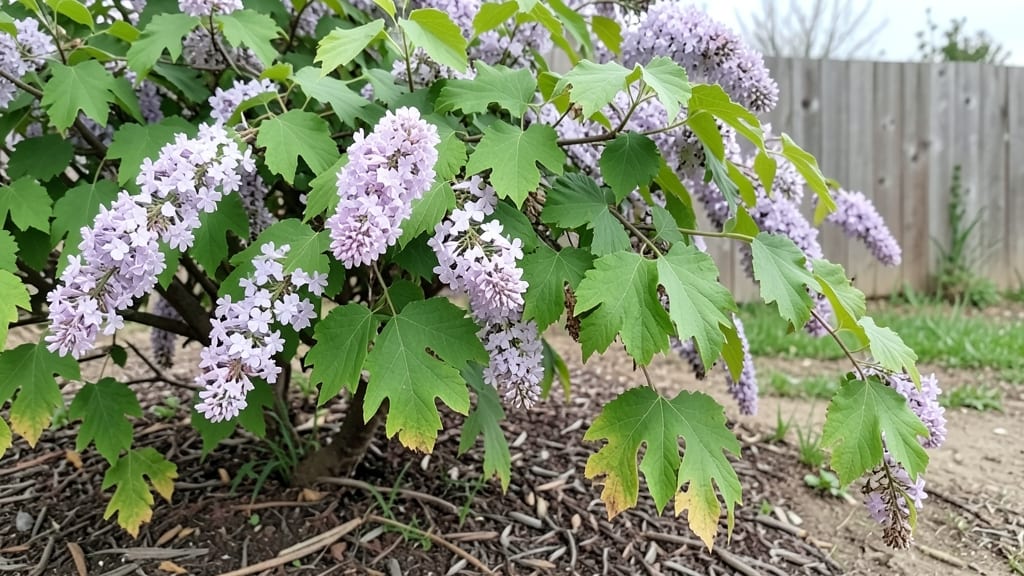
The weeping lilac tree (Syringa) transforms any Pacific Northwest garden with its cascading blooms and hardy nature. I planted mine last spring, and now it’s the star of my yard—especially when those first purple clusters appear in late winter.
The secret to its beauty? Pruning at the right time, which keeps it lush and flowering all season long.
This tree thrives in partial shade and well-drained soil, making it perfect for our rainy climate. Varieties like 'Tina' and 'Little Richard' are compact yet dramatic, ideal for small spaces or as a focal point. Just avoid soggy soil—they hate wet feet—and you’ll see vibrant growth year after year.
With the right pruning schedule, you’ll enjoy fragrant blooms from early spring through summer. The key is timing: prune lightly after flowering to shape it, and do a heavier trim in late winter to encourage new growth. A well-maintained weeping lilac stays healthy, pest-free, and full of life.
Whether you’re a beginner or a seasoned gardener, this guide will help you keep your lilac thriving. Let’s get started—your garden will thank you with cascades of color! 🌿
📚 In This Guide
- What you need
- Instructions
- Tips and common mistakes
- Wrapping up and next steps
What you need
- ○ Pruning shears: Bypass pruners (sharp, clean, and capable of cutting ¼-inch stems). Optional: Loppers for thicker branches (1-2 inches).
- ● Hand pruners: Anvil-type (for smaller stems, but avoid crushing sap).
- ● Gloves: Heavy-duty gardening gloves (to protect from thorns and sap).
- ● Disinfectant: 70% isopropyl alcohol or a pruning sealant (to prevent disease spread).
- ● Rake or broom: For clearing debris after pruning.
- ● Watering can or hose: With a gentle spray nozzle (to hydrate post-pruning).
- ● Pruning saw: Only if needed for stubborn, thick branches (avoid if possible—lilacs prefer clean cuts!).
- ● Knowledge: Familiarize yourself with lilac growth habits (they bloom on old wood, so timing matters!).
- ● Weather check: Prune on a dry, calm day (rain or wind can stress the tree).
- ● Mulch: Shredded bark or compost (2-3 inches deep) to retain moisture and regulate soil temp.
- ○ Fertilizer: Balanced, slow-release (10-10-10 or similar) after pruning (optional but helpful for recovery).
- ● Tree ties or stakes: Only if needed to support weak branches post-pruning.
Instructions for pruning a weeping lilac tree in the Pacific Northwest
Here's how I keep my weeping lilac blooming reliably year-round, even through PNW winters.
✂️ Step 1: Time Your Pruning for Optimal Bloom Timing
Prune your weeping lilac immediately after flowering—typically in late May or early June. This timing ensures you remove spent blooms while leaving next year's flower buds intact. I always wait until at least 50% of the flowers have fully faded before touching the shears. The buds for next season form right after blooming, so cutting too early removes potential flowers.
If you missed the spring window, don't panic. Light pruning in early summer is still better than none at all. Just avoid heavy cuts after mid-July—new growth won't have time to harden off before winter. I mark my calendar with a bright red sticker for the 30-day window after flowering to never miss it again.
✂️ Step 2: Shape the Tree While Preserving Its Weeping Form
Use sharp, clean pruners to make 45-degree cuts just above outward-facing buds. For a weeping lilac, I focus on maintaining the graceful arching branches rather than creating a rounded shape. Remove any branches growing straight up or inward—they'll compete with the natural weeping form and create dense, shaded areas where flowers won't develop properly.
Thin out crowded branches by cutting back to the main trunk when necessary, but never remove more than 25% of the tree's foliage in one season. I like to step back every few cuts to visualize the tree's silhouette. The goal is to keep that elegant, cascading habit while improving airflow through the center. You'll know you're doing it right when you can see light filtering through the branches from all angles.
🌿 Step 3: Rejuvenate Older Trees with Strategic Renewal Pruning
If your weeping lilac has become woody and sparse at the base, perform renewal pruning in stages over 3 years. Each year, remove one-third of the oldest, least productive branches down to the main trunk. I start with the largest, most upright branches first—they're often the biggest flower producers but also the most structurally problematic.
After cutting, apply dormant oil spray to any fresh cuts to prevent borer infestations—a common issue in PNW lilacs. The tree will send out vigorous new growth from the base, creating a more youthful, bushier form. I've seen trees that looked completely dead at the base come back with 6-foot-tall new shoots after just one season of renewal pruning.
⏰ Step 4: Winter-Proof Your Lilac for Pacific Northwest Conditions
After the first hard frost but before January 15th, give your weeping lilac a light pruning to remove any dead, broken, or crossing branches. This is also when I check for any suckers growing from the base—remove them immediately to maintain the tree's form. The PNW's wet winters can cause rot in any damaged wood, so I make sure all cuts are clean and at a 45-degree angle.
Mulch around the base with 3-4 inches of wood chips, keeping it 6 inches away from the trunk to prevent moisture buildup. I always water deeply before the first freeze to ensure the roots have plenty of moisture for winter. The weeping habit makes these trees particularly vulnerable to winter burn, so I avoid pruning any green growth that might appear in late winter—it's better to wait until spring.
☀️ Step 5: Maintain Year-Round with Seasonal Check-Ins
Check your lilac every 4-6 weeks for signs of stress—yellowing leaves, sparse blooms, or dieback at the branch tips. These are often signs of over-pruning or poor airflow. I adjust my pruning approach based on what I see: if the tree is getting too dense, I'll do a little more thinning; if it's looking leggy, I'll focus on cutting back some of the longer branches to encourage bushier growth.
Feed with balanced 10-10-10 fertilizer in early spring before new growth begins, and again after flowering. I've found that weeping lilacs respond particularly well to a light application of compost worked into the top 6 inches of soil annually. The key is consistency—these trees thrive with regular, gentle care rather than occasional heavy-handed pruning sessions.
Tips & tricks for pruning a weeping lilac tree
Here's what I've learned after years of keeping my weeping lilacs thriving in the PNW's unpredictable climate.
Timing is Everything: In Step 1, when you're waiting for at least 50% of the flowers to fade, look for the buds forming at the base of each spent bloom cluster. These tiny green buds are your signal—cutting too early removes next year's flowers. I've missed this window before and ended up with sparse blooms the following spring, so don't rush! The 30-day window after flowering gives you some flexibility, but don't wait until July.
Tool Prep Matters: Before you start shaping in Step 2, sharpen your pruners with a file or honing tool—dull blades tear rather than cut cleanly, which can damage the tree. I also wipe down my blades with rubbing alcohol between cuts to prevent spreading any potential diseases. For thicker branches, I use loppers with bypass blades that make cleaner cuts than anvil-style pruners. The 45-degree angle isn't just about aesthetics—it helps water run off the cuts properly.
Visualize the Cascade: When thinning in Step 2, step back frequently to check your progress. The weeping habit should look like a graceful waterfall, not a bush. I imagine the tree as a fountain—water cascading down from the center. If you see any branches growing upward or inward, those are your targets. Remember the 25% rule: if you're removing more than that in one season, you're overdoing it.
Winter Care Secrets: For Step 4's winter prep, I've found that adding a layer of evergreen boughs over the tree after the first hard frost provides extra protection against winter burn. The boughs act like a blanket while still allowing airflow. And don't forget to check your pruners' oil—dormant oil spray should be applied when the temperature is above freezing but the tree is dormant, typically in late winter. This prevents borer infestations that can be particularly problematic in our wet PNW winters.
Pro Tips for Weeping Lilac Tree
- Here's what I've learned after years of keeping my weeping lilacs thriving in the PNW's unpredictable climate.
- Timing is Everything: In Step 1, when you're waiting for at least 50% of the flowers to fade, look for the buds forming at the base of each spent bloom cluster.
- Tool Prep Matters: Before you start shaping in Step 2, sharpen your pruners with a file or honing tool—dull blades tear rather than cut cleanly, which can damage the tree.
Frequently asked questions
Got questions about your weeping lilac tree?
Whether you're a new gardener or a seasoned pruner, these answers will help you keep your tree thriving in the Pacific Northwest's climate.
When is the best time to prune a weeping lilac tree?
Prune your weeping lilac right after it finishes blooming in late spring or early summer. This timing ensures you don’t cut off next year’s flower buds, which form on old wood. Avoid heavy pruning in fall or winter, as lilacs are sensitive to cold stress. A light shaping trim in late winter (before buds swell) is fine, but keep it minimal.
How much can I trim a weeping lilac without harming it?
You can safely remove up to one-third of the tree’s growth per year, but for weeping lilacs, less is often better. Focus on thinning out crowded branches and removing dead or crossing wood. Avoid "topping" (cutting back to a flat top), as this can spoil the tree’s graceful shape. For dramatic renewal, prune gradually over 2–3 years.
Why isn’t my weeping lilac blooming as much as it used to?
Lilacs bloom on old wood, so over-pruning (especially in late summer/fall) is the #1 culprit. Other causes include:
- Poor nutrition: Test soil pH (ideal: 6.0–7.0) and fertilize lightly in early spring with a balanced 10-10-10.
- Overcrowding: Lilacs need full sun (6+ hours/day) and space to breathe.
- Disease/pests: Check for borers, powdery mildew, or root rot. Prune infected branches immediately.
Can I grow a weeping lilac in a container, or does it need to be planted in the ground?
Weeping lilacs prefer the ground because their sprawling habit and deep roots need stability. However, if you’re set on a container:
- Choose a large pot (20+ gallons) with drainage holes.
- Use well-draining soil (add perlite or sand).
- Expect limited blooms and more maintenance (watering, winter protection).
- Move it indoors during extreme PNW freezes (below 10°F).
How do I protect my weeping lilac from frost in the Pacific Northwest?
PNW’s mild winters are usually fine, but young lilacs or late frosts (below 20°F) can damage buds. Try these tips:
- Mulch the base with 2–3 inches of wood chips in late fall.
- Wrap the trunk with burlap if temps dip sharply.
- Avoid pruning in late summer/fall, as new growth is frost-sensitive.
- Plant in a sheltered spot (e.g., near a fence or building).
Pro Tip: Label your pruning cuts!
Use a permanent marker to label branches you’re removing (e.g., "dead," "crossing," "overcrowded"). This helps track progress and avoids guesswork next season.
Wrapping up and next steps
The weeping lilac tree is a stunning, frost-resistant beauty that rewards your care with year-round charm—especially when pruned with love and precision! 🌸 By mastering the right techniques (like springtime shaping, deadheading, and seasonal trimming), you’ll keep its blooms lush and its structure strong.
Remember, patience and consistency are key—your lilac will thank you with fragrant, cascading flowers for seasons to come.
Ready to bloom with confidence? Grab your pruners, dust off your gloves, and schedule your next pruning session—whether it’s a light touch in late winter or a deeper cut in early spring. Your Pacific Northwest garden (and future visitors!) will adore the results. 🌿✨