
Pruning
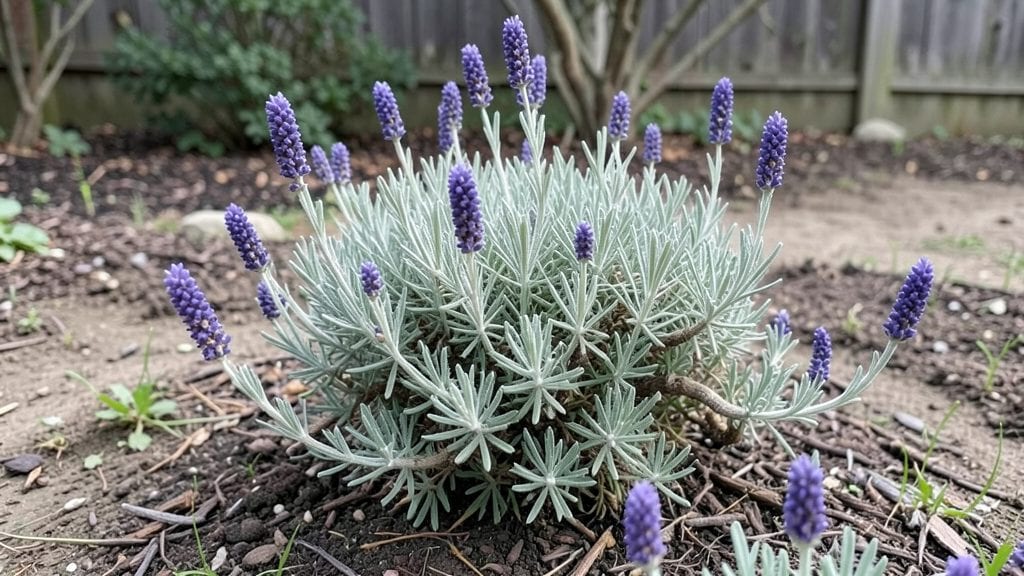
The twisted lavender tree—with its striking contorted branches and fragrant blooms—is a standout in Pacific Northwest gardens, thriving where other lavenders falter. 🌿 I’ve grown mine for five years through our damp winters, and the secret lies in pruning it just right to keep it compact, healthy, and frost-resistant.
Unlike its delicate cousins, this variety handles our cool, rainy climate better than most, but it still needs a few key adjustments to stay showstopping.
This isn’t your typical lavender bush—it’s a dwarf, shrub-like cultivar (like Lavandula stoechas 'Twist') that loves full sun and well-draining soil, even in our wetter regions. Plant it in late spring after the last frost, spacing them 18–24 inches apart for airflow.
Containers work too, but add gravel at the bottom to prevent soggy roots. The twist? It’s drought-tolerant once established, so don’t overwater—just let the soil dry between drinks.
Pruning is where the magic happens. Twist the branches (gently!) in early spring to encourage that signature contorted shape, then trim back one-third of the oldest growth after flowering.
This keeps it bushy, frost-hardy, and ready for another round of blooms. The result? A year-round ornamental that smells amazing when brushed against and repels deer—win-win for PNW gardens.
Common pests like spider mites or root rot are rare if you avoid overwatering, but watch for yellowing leaves in winter. A light mulch layer helps insulate roots during frost.
Harvest the tiny purple flowers in late spring for sachets or culinary uses—just don’t take more than a third of the plant at once. Ready to grow yours?
📚 In This Guide
- What you need
- Instructions
- Tips and common mistakes
- Wrapping up and next steps
What you need
- ● Pruning shears: Bypass pruners (sharp, clean, and sterilized with rubbing alcohol) for clean cuts.
- ● Loppers: For thicker branches (1.5"–2" diameter) – choose bypass-style for precision.
- ● Hand pruners: For delicate trimming (smaller than 0.5" diameter).
- ● Gloves: Heavy-duty, gardening-grade gloves to protect from thorns and sap.
- ○ Disposable pruning saw: For stubborn, thick branches (optional but handy for stubborn growth).
- ● Rubbing alcohol (70%+) or bleach solution: 1 part bleach to 9 parts water for sterilizing tools.
- ○ Pruning sealant: (Optional) Tree wound sealant for large cuts (½" or wider) to prevent disease.
- ● Timing: Prune in early spring (March–April) or late summer (August–September) to avoid frost damage.
- ● Weather: Choose a dry, overcast day (avoid pruning if rain is forecasted within 24 hours).
- ● Safety gear: Safety glasses (to shield from debris) and long sleeves/pants (lavender thorns are sneaky!).
- ● Cleanup supplies: Buckets or bags for clippings (compost or discard—do not leave on soil to prevent disease).
- ● Ladder or stool: If your tree is 6+ feet tall, use a stable, non-slip ladder.
- ● 🔥 Sharpen your tools: Dull blades tear bark—hone shears before starting for cleaner cuts.
- ● 🌡️ Check the forecast: Avoid pruning if frost is expected within 3–5 days—twisted lavender is resilient, but new growth is vulnerable!
- ● ✨ Sterilize between cuts: Wipe tools with rubbing alcohol after every 3–5 cuts to prevent bacterial spread.
Step-by-Step instructions for crafting a frost-resistant twisted lavender tree
Here's how I shape these resilient shrubs into striking, weather-hardy trees—perfect for PNW winters.
✂️ Step 1: Select and Prepare Your Lavender Base
Start with a 4-5 year old lavender bush that's at least 2 feet wide with multiple sturdy stems. The PNW's wet winters demand English lavender (Lavandula angustifolia) or Portuguese lavender (Lavandula × intermedia), both of which handle frost better than French varieties. Prune back any dead or weak stems completely in early spring before new growth begins—this ensures you're working with healthy, vigorous material.
Dig up the plant carefully, keeping as much of the root ball intact as possible. You'll want to transplant it into a large container (18-20 inches in diameter) with fast-draining soil mix (equal parts potting soil, perlite, and coarse sand). The container must have drainage holes—lavender roots rot quickly in soggy conditions. Water thoroughly after planting, then let it sit in partial shade for 7-10 days to recover before shaping.
🌿 Step 2: Train the Central Leader Stem
This is where the tree structure begins. Identify the straightest, most vigorous stem—this will become your trunk. Use soft plant ties (not wire) to support it vertically as it grows. Remove all lateral branches below 18-24 inches from the base, cutting just above a leaf node at a 45-degree angle to encourage outward growth. Leave 3-4 strong side branches spaced evenly around the trunk.
Here's the thing—don't rush this. The first year focuses solely on establishing that central leader. You'll see new growth spurt in 6-8 weeks. When it reaches 24 inches, prune the top by 1/3 to encourage branching. This creates the whorl effect that defines twisted lavender trees. Watch for new lateral buds forming at the pruned points—these will become your future branches.
🪴 Step 3: Develop the Twisted Structure
Year two is when the magic happens. In late spring, after the plant has hardened off from winter, begin shaping. Select two opposite branches and gently twist them 180 degrees around each other. Secure with soft ties, but don't bind too tightly—you want to guide growth, not strangle it. Repeat this process every 4-6 weeks as new growth appears, gradually increasing the twist with each session.
The key is patience. You'll see resistance at first—the branches will push against the ties. This is normal! Over 2-3 growing seasons, the branches will naturally conform to the twisted shape. For extra support, use small wooden stakes buried at a 45-degree angle to help guide stubborn branches. Mulch around the base with 2-3 inches of gravel to prevent soil-borne diseases in our damp climate.
⏰ Step 4: Annual Maintenance for Frost Resistance
Fall is critical for PNW hardiness. In October, give your tree a light haircut—shear back all new growth by 1/2 to harden the stems before winter. This prevents frost damage to tender new shoots. Remove any weak, crossing, or inward-growing branches completely. The goal is an open, airy structure that allows snow to slide off easily.
Winter care is minimal but vital. In January, inspect for frost-damaged stems (they'll appear mushy or blackened). Prune these back to healthy wood immediately. If heavy snow accumulates, gently brush it off to prevent branch breakage. In early spring, apply a 2-inch layer of mulch around the base, keeping it 6 inches away from the trunk to prevent rot. This insulates roots during late frosts while allowing good drainage.
☀️ Step 5: Long-Term Pruning for Shape and Health
Every 2-3 years, perform a rejuvenation prune in late winter. Cut back 1/3 of the oldest stems to the base—this encourages fresh, vigorous growth from the center. For the remaining branches, shape by pinching back the tips of new growth to 3-4 leaves. This keeps the tree compact and encourages dense foliage that better resists frost.
Your twisted lavender tree should now have distinct upward and downward spirals with no bare spots. If branches grow too long, prune them back to the last whorl of leaves. Never remove more than 1/3 of the plant's foliage in a single season—this stresses lavender and makes it vulnerable to PNW's damp winters. With consistent care, your tree will develop a natural, sculptural form that thrives even in Zone 7a winters.
Tips & tricks for perfect frost-resistant lavender trees
Transforming a lavender bush into a striking twisted tree takes patience and precision—here's how to avoid common pitfalls while maximizing success in the PNW climate.
Selection Tip: When choosing your 4-5 year old lavender bush, look for stems that are at least pencil-thick with vibrant green foliage. The Portuguese lavender varieties often handle our damp winters better than English types because of their thicker stems. I've found that bushes with three or more strong central stems give you more flexibility for shaping—you can choose the straightest one for your trunk and use the others for future branches.
Pruning Technique: In Step 1, when you're removing dead or weak stems, make your cuts just above a leaf node at a 45-degree angle—this encourages outward growth rather than leaving stubs that can rot. For the 7-10 day recovery period in partial shade, I've had success using shade cloth (30-50%) instead of full shade, which helps the plant acclimate faster to direct sunlight after shaping begins. The key is keeping the root ball moist but never soggy during this critical period.
Twisting Strategy: The 4-6 week intervals between twisting sessions in Step 3 are crucial—they allow the branches to harden slightly between adjustments. I recommend using soft plant ties made from cotton or jute rather than wire, as they're less likely to cut into the bark as the branches thicken. Pro tip: Apply the ties just above a leaf node where new growth will emerge, which helps guide the twisting pattern naturally. If you notice branches pushing against the ties, loosen them slightly—you're not trying to force the shape, just guide it.
Winter Care: That 2-inch layer of mulch in early spring is your best defense against late frosts, but placement matters. Keep it 6 inches away from the trunk to prevent rot while still insulating the roots. I've found that gravel mulch works particularly well in our damp climate because it drains quickly while still providing insulation. During heavy snowfall, I use a soft-bristle broom to gently remove accumulation rather than shaking the branches—this prevents the delicate twisted structure from breaking.
Pro Tips for Twisted Lavender Tree
- Transforming a lavender bush into a striking twisted tree takes patience and precision—here's how to avoid common pitfalls while maximizing success in the PNW climate.
- Selection Tip: When choosing your 4-5 year old lavender bush, look for stems that are at least pencil-thick with vibrant green foliage.
- Pruning Technique: In Step 1, when you're removing dead or weak stems, make your cuts just above a leaf node at a 45-degree angle—this encourages outward growth rather than leaving stubs that can rot.
Frequently asked questions
Got questions about crafting your own twisted lavender tree in the Pacific Northwest? You’re not alone!
Here are answers to the most common queries—from pruning timing to frost-proofing tips—so you can grow a stunning, resilient centerpiece with confidence.
How do I know when my lavender is ready for twisted pruning?
Prune your lavender after its first flush of blooms (late spring to early summer) but before new growth hardens. Look for woody stems with at least 3–4 sets of leaves—this ensures enough structure to twist without snapping. Pro tip: Wait until temps are consistently above 50°F (10°C) to avoid shock.
Will my twisted lavender survive PNW winters?
Lavender is highly frost-resistant, but twisted varieties need extra care. Mulch heavily with gravel or bark (never organic mulch—it retains moisture). Wrap young plants in burlap during hard freezes (<20°F/-7°C), and prune lightly in early spring to encourage dense regrowth.
What’s the best tool for twisting lavender stems?
Use clean, sharp bypass pruners (not anvil pruners—they crush stems) for initial cuts. For twisting, your hands work best: Gently bend stems clockwise (they’re more flexible when damp). Avoid power tools—they risk tearing bark. Alternative: A soft leather glove adds grip for stubborn branches.
Can I grow a twisted lavender tree from cuttings?
Yes! Take 4–6 inch semi-hardwood cuttings in early fall, strip lower leaves, and dip in rooting hormone. Plant in a mix of perlite and peat moss, keep humid (use a plastic bag), and root in 6–8 weeks. Transplant after roots form—twist stems once established (not as cuttings).
What if my lavender’s twists loosen over time?
This is normal! Lavender’s flexible stems may straighten as they mature. Re-twist in early spring (before new growth) by gently bending branches back into shape. For stubborn stems, use soft wire or twine to secure twists temporarily—remove after 2–3 weeks.
How do I protect my twisted lavender from PNW rain?
Lavender hates soggy roots, so plant on a slope or raised bed with excellent drainage. Use a wide-brimmed hat or clear plastic dome (like a mini greenhouse) during heavy downpours. Avoid overhead watering—drip irrigation at the base keeps stems dry.
Wrapping up and next steps
The twisted lavender tree isn’t just a stunning addition to your Pacific Northwest garden—it’s a resilient, low-maintenance star that thrives with the right pruning love.
By mastering the techniques shared here, you’ll unlock its full potential, ensuring vibrant blooms and a unique, sculpted silhouette year after year. Your garden deserves this touch of Mediterranean magic!
Ready to take the next step? Grab your pruners and schedule your first pruning session this fall—before winter’s chill sets in. Watch your twisted lavender tree flourish with confidence, and share your progress with fellow gardening enthusiasts! 🌿✨