Pruning
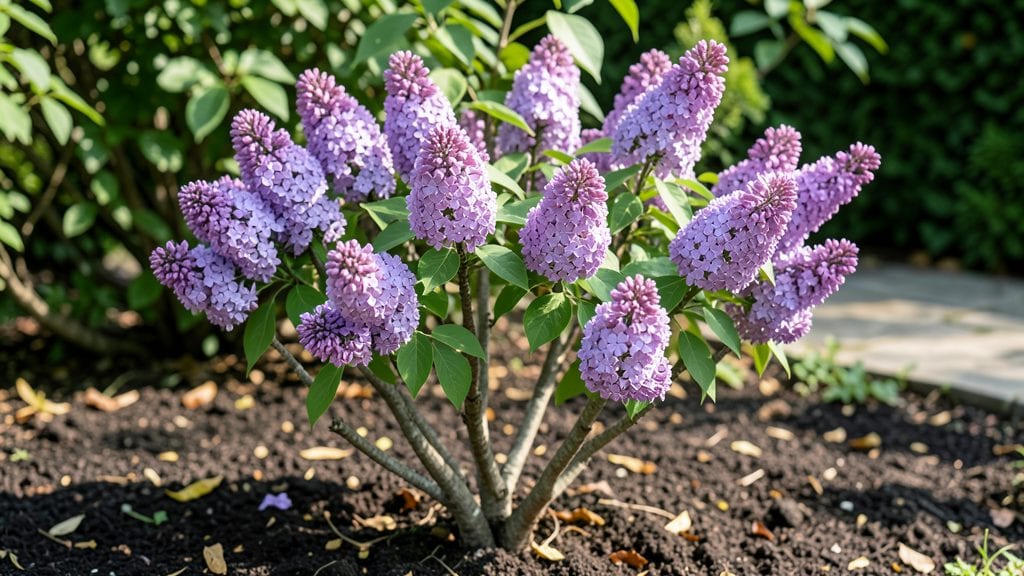
The Pacific Northwest’s signature scent arrives every spring when lilac trees burst into fragrant purple clouds, and these lilac tree images alone make it worth growing them—though I’ve spent years studying how to coax those showstopping blooms into a second flush by pruning at the right times. 🌸 The secret isn’t complicated: timing your cuts to the moon phases and understanding your specific variety’s growth habits transforms a one-time spring display into months of color.
Lilacs thrive as both bold focal points and soft borders, their delicate clusters contrasting beautifully with evergreens or bold hostas. In my own garden, the ‘Dwarf Korean’ variety spills over a stone wall, while the ‘Miss Canada’ stands tall against the house, its pink blooms lighting up evenings.
The right placement turns them from background players into the stars of your landscape.
With the right pruning schedule, you’ll enjoy blooms from late spring through early summer, and sometimes even a late-season surprise. Imagine walking past fragrant blooms in June, then again in September—something most gardeners never experience.
The key is knowing when to cut back old wood and how to encourage new growth without sacrificing next year’s display.
Whether you’re working with heritage varieties or modern hybrids, this approach works for any Pacific Northwest garden. The calendar I’ve developed adapts to your local microclimate, ensuring your lilacs stay healthy, fragrant, and full of life all season long. Let’s get those shears ready!
📚 In This Guide
- What you need
- Instructions
- Tips and common mistakes
- Wrapping up and next steps
What you need
- ● Pruning shears: Bypass pruners with sharp, bypass blades (for clean cuts). Recommended: Felco F-2 or similar (1 pair).
- ● Loppers: For thicker branches (up to 2 inches in diameter). Recommended: Corona or Fiskars (1 pair).
- ○ Pruning saw: For branches thicker than 2 inches (optional but helpful). Recommended: Fiskars or Bahco (1 unit).
- ● Gloves: Heavy-duty gardening gloves to protect hands from thorns and rough branches (1 pair).
- ● Disinfectant: 70% isopropyl alcohol or a pruning sealant (e.g., Tanglefoot Pruning Sealer) to prevent disease spread (small bottle).
- ● Rag or paper towels: For cleaning tools between cuts (1 roll or pack).
- ● Ladder: If your lilac tree is taller than 6 feet (extendable or sturdy step ladder).
- ● Trash bags: For collecting pruned branches (1-2 large bags).
- ● Sharpie or marker: To label branches if you’re experimenting with staggered pruning (1 unit).
- ● Hand pruners with a ratchet mechanism: For reducing hand fatigue on large jobs.
- ● Pole pruner: For high branches (if you don’t want to use a ladder).
- ● Pruning paint: To seal cuts larger than ½ inch (e.g., Tree Seal by Espoma).
- ● Garden kneeler: For comfort if you’re working close to the ground.
- ● Camera or phone: To capture before-and-after lilac tree images for your gardening journal! 📸
Instructions for pruning lilacs in the Pacific Northwest
Here's the seasonal schedule I've perfected for keeping lilacs blooming reliably year after year.
✂️ Step 1: Prune Immediately After Spring Blooming
Wait until 4-6 weeks after flowering when new growth shows 6-8 inches of fresh green. This timing ensures you remove spent blooms while leaving next year's flower buds intact. I always prune on a dry morning after the dew has evaporated—wet tools spread disease.
Use sharp bypass pruners to cut just above a leaf bud or branch collar. Never leave stubs or tear bark. For old wood, I make cuts at a 45-degree angle to prevent water pooling. Remove up to ⅓ of the oldest stems to encourage vigorous new growth.
🌿 Step 2: Light Summer Maintenance for Airflow
In mid-July, when temperatures stabilize above 70°F, inspect the canopy for crowded branches. Remove any crossing or rubbing branches first—they create wounds that invite borers. I look for stems thinner than a pencil that aren't producing blooms.
Thin the center of the shrub by 10-15% to improve airflow and sunlight penetration. This prevents fungal issues common in PNW's damp summers. Never remove more than 25% of the plant in one season—lilacs are slow to recover from aggressive pruning.
⏰ Step 3: Late Fall Cleanup Before Dormancy
After the first hard frost but before December 1st, remove all dead, diseased, or weak stems. I strip leaves from branches to prevent overwintering pests. This is also when I check for lilac borer holes—tiny exit holes with sawdust-like frass.
Apply a 2-inch layer of wood chips around the base to protect roots from freeze-thaw cycles. Avoid mulching too close to the trunk. In wet PNW winters, I stake particularly large branches if they show signs of wind stress.
☀️ Step 4: Winter Preparation for Spring Growth
During January and February, when temperatures average 40-50°F, inspect the plant for winter damage. Prune out any branches that have died back to the ground. I look for brown, brittle stems rather than the normal dormant gray.
This is also when I plan my spring fertilizer schedule. Lilacs in the PNW benefit from 10-10-10 fertilizer applied in early March, just as buds begin to swell. Water deeply after fertilizing to prevent root burn.
Tips & tricks for pruning lilacs in the Pacific Northwest
These seasoned strategies will help you keep your lilacs thriving with minimal effort—and maximum blooms.
Timing is Everything: The 4-6 week window after flowering is critical for Step 1. I've found that waiting until you see fresh green growth of 6-8 inches ensures you're cutting at the right spot without disturbing next year's buds. Mark your calendar now—this timing varies slightly depending on your exact PNW location, with Seattle typically blooming 2-3 weeks earlier than Portland.
Tool Technique: Sharp bypass pruners are non-negotiable for clean cuts. I always clean my tools with rubbing alcohol between cuts in Step 1 to prevent disease spread. For larger branches, I use loppers—but never make cuts larger than what I can handle safely. Remember that 45-degree angle for old wood? It's not just for looks; it prevents water from pooling at the cut site, which would invite rot.
Seasonal Inspection Strategy: During your mid-July maintenance in Step 2, take a moment to examine the undersides of leaves for early signs of pests like aphids. The PNW's damp summers create perfect conditions for these problems. I also check for borer holes during Step 3—those tiny exit holes with sawdust-like frass are a dead giveaway. Addressing these early can save your lilac from decline.
Winter Prep Secret: That 2-inch layer of wood chips in Step 3 isn't just for looks. It creates a perfect microclimate that maintains consistent soil temperatures—critical in our fluctuating PNW winters. I use locally sourced chips from our own trees, which also adds organic matter as they decompose. And that early March fertilization? I always apply it when the soil temperature reaches 50°F—this prevents root burn while giving the plant a jumpstart.
Pro Tips for Lilac Tree Images
- These seasoned strategies will help you keep your lilacs thriving with minimal effort—and maximum blooms.
- Timing is Everything: The 4-6 week window after flowering is critical for Step 1.
- Tool Technique: Sharp bypass pruners are non-negotiable for clean cuts.
Frequently asked questions
Got questions about keeping your lilac trees blooming beautifully in the Pacific Northwest? We’ve got answers! Here are some of the most common concerns—and how to tackle them.
When is the best time to prune lilac trees for maximum blooms?
The ideal time is right after flowering (late May to early June in the PNW). This ensures next year’s blooms form on new wood. Avoid pruning in fall or winter—it can remove buds for spring flowers. Pro tip: If you missed the window, wait until late summer, but expect fewer blooms the following year.
Can I prune lilac trees in winter?
While lilacs are dormant in winter, pruning then removes next year’s flower buds. The PNW’s mild winters can even trick lilacs into blooming early! Stick to post-bloom pruning (late spring) for the best results. If you must prune in winter, do so very lightly to shape, but avoid heavy cuts.
What if my lilac tree isn’t blooming? Is it dead?
Not necessarily! Common culprits include:
- Over-pruning (cutting into old wood where buds form).
- Poor sunlight (lilacs need 6+ hours of sun daily).
- Age (older trees may bloom less; rejuvenate with a hard prune every 5–10 years).
- Disease or pests (check for powdery mildew or borers).
How do I protect lilac trees from PNW rain and wind?
Lilacs are hardy but benefit from:
- Mulching (2–3 inches of wood chips) to retain moisture.
- Staking young trees in windy areas (use soft ties, not wire).
- Pruning to open the center for airflow (reduces fungal issues).
- Choosing resistant varieties like ‘Dwarf Korean’ or ‘Miss Canada’ for wet climates.
Are there lilac alternatives for smaller spaces?
If space is limited, try these low-maintenance PNW-friendly alternatives:
Plant
Height
Bloom Time
Care Level
Weigela
3–6 ft
Spring–summer
Easy (prune after blooming)
Spirea (e.g., ‘Goldflame’)
2–4 ft
Spring
Very easy (minimal pruning)
Dwarf Lilac (e.g., ‘Munstead’)
3–4 ft
Late spring
Moderate (follow same pruning rules)
Wrapping up and next steps
From understanding the ideal timing for pruning your lilac trees to mastering the art of shaping for vibrant blooms, you’re now equipped to keep your Pacific Northwest lilacs thriving year-round! 🌸 Whether you’re a seasoned gardener or just starting, every snip and trim brings you closer to that show-stopping spring display—so grab those pruners and get to work.
Ready to level up your garden game? Next, explore local nurseries for disease-resistant varieties or dive into organic fertilizers to boost your lilacs’ health. Happy pruning! ✂️🌿