
Trees
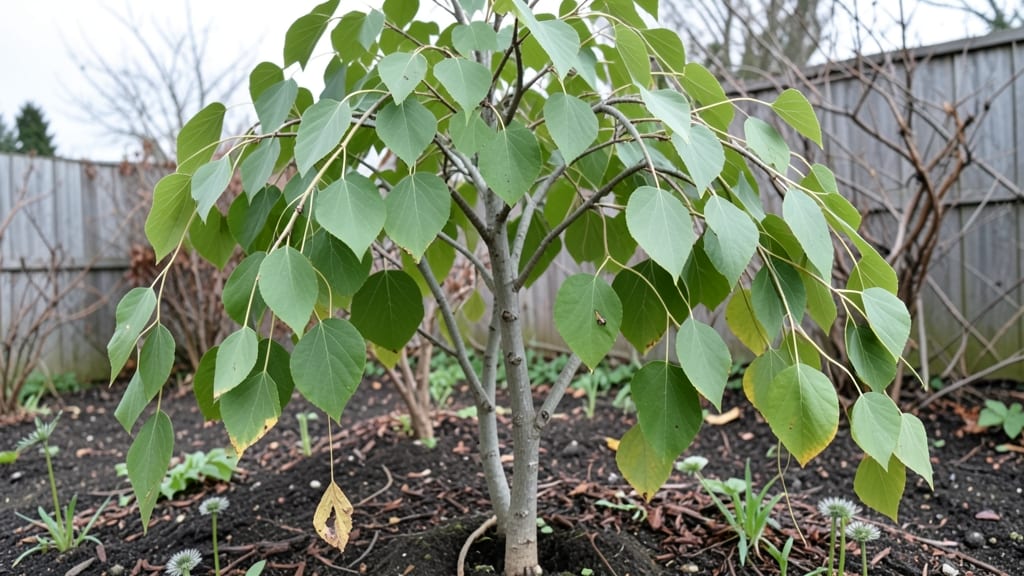
A weeping katsura tree drapes your garden in lace-like branches and intoxicating fragrance—perfect for the Pacific Northwest’s cool, damp climate. 🌿 I fell in love with its graceful silhouette after planting one near my patio; its cascading form creates a natural focal point that feels both elegant and effortless.
Unlike many trees, it thrives in frost and even tolerates wet soil, making it a standout for rain-soaked yards.
The real magic happens in layers. In spring, delicate pink flowers perfume the air, while summer foliage turns deep green. By fall, the leaves shift to golden hues before dropping, revealing a skeletal beauty that’s just as striking.
Its compact size (20–30 feet tall) and slow growth mean it won’t overwhelm small spaces, yet its presence transforms any garden into a serene retreat.
Pair it with hostas for shade-loving companions or let it anchor a water feature—its weeping habit mirrors the movement of rippling streams. For modern or traditional gardens, this tree delivers year-round interest with minimal fuss. Once established, it’s nearly maintenance-free, letting you enjoy its quiet beauty without the upkeep.
Confession: I initially worried about its care needs, but this tree has exceeded expectations. Whether you’re designing a tranquil Japanese garden or a low-maintenance Pacific Northwest retreat, the weeping katsura delivers drama, fragrance, and resilience in one package. Let’s talk placement and pairing ideas next!
📚 In This Guide
- What you need
- Instructions
- Tips and common mistakes
- Wrapping up and next steps
What you need
- ● Weeping katsura tree sapling: 1 (choose a 1-3 gallon container size for easier planting and better root establishment). Look for Cercidiphyllum japonicum 'Pendulum' for the classic weeping form.
- ● High-quality potting soil: 1 bag (50 lbs) of well-draining, acidic soil mix (pH 5.0–6.5). Amend with compost for nutrient-rich soil.
- ● Organic mulch: 2–3 cubic feet (e.g., wood chips or pine straw) to retain moisture and regulate soil temperature.
- ● Fertilizer: 1 bag of slow-release, balanced fertilizer (10-10-10 or similar) or organic options like fish emulsion.
- ● Watering can or hose: With a gentle spray nozzle for hydration without disturbing roots.
- ● Garden gloves: 1 pair (to protect hands while handling soil and roots).
- ● Pruning shears: 1 pair (sterilized) for shaping and maintenance.
- ● Shovel or trowel: For digging the planting hole (size should be 2–3x wider than the root ball).
- ● Measuring tape: To ensure proper spacing (15–20 feet from structures or other trees).
- ○ Stakes and twine (optional but helpful): For young trees to provide stability during establishment.
- ○ Tree support collar (optional): To protect the trunk from mulch or lawn equipment.
- ● Local nursery or online supplier: Verify availability of Cercidiphyllum japonicum and check hardiness zone compatibility (USDA Zones 5–8).
Step-by-Step guide to planting and caring for a weeping katsura tree
This elegant tree thrives in Pacific Northwest climates—here’s how to plant and nurture it for years of fragrant beauty.
🌱 Step 1: Choose the Perfect Planting Site
The weeping katsura (Cercidophyllum japonicum) loves partial shade to full sun, but in the PNW’s humid summers, I always opt for morning sun with afternoon shade to prevent leaf scorch. Look for a spot with well-draining soil—this tree hates soggy roots. If your yard has heavy clay, amend the area with 3-4 inches of compost mixed into the top 12 inches of soil before planting.
This tree matures at 20-30 feet tall with a 20-30 foot spread, so give it plenty of space—it’s not a small ornamental. Avoid planting near sidewalks or driveways, as its wide canopy will eventually shade those areas. The fragrant foliage and bark make it ideal near patios or garden seating areas where you can enjoy its scent.
🪴 Step 2: Dig the Hole and Plant with Care
Dig a hole twice as wide as the root ball but no deeper—planting too deep suffocates the roots. The top of the root ball should sit 1-2 inches above ground level to prevent waterlogging. Gently loosen the roots if they’re circling tightly in the container, then place the tree in the hole and backfill with the native soil you removed.
Water deeply right after planting to settle the soil around the roots. I like to add a 3-inch layer of mulch (wood chips or bark) over the root zone, keeping it 3-4 inches away from the trunk to prevent rot. Mulch helps retain moisture and regulates soil temperature, which is especially important in the PNW’s wet winters and dry summers.
☀️ Step 3: Water and Fertilize for Strong Growth
For the first two weeks, water deeply every 2-3 days to encourage root establishment. After that, water once a week unless you’re in a drought—this tree is drought-tolerant once established but appreciates consistent moisture in its first year. You’ll know it’s getting enough water when the top 2 inches of soil feel dry before the next watering.
Fertilize once in early spring with a balanced, slow-release fertilizer (10-10-10). Avoid high-nitrogen fertilizers—they promote leafy growth at the expense of the tree’s structural strength. The weeping katsura is low-maintenance, but a little extra care in its first few years ensures it develops a strong framework for its graceful, weeping branches.
✂️ Step 4: Prune for Shape and Health
Prune in late winter or early spring before new growth begins. Remove any dead, diseased, or crossing branches first—this keeps the tree healthy and prevents future issues. The weeping katsura’s natural shape is beautiful, so I only prune to open the canopy slightly for better air circulation and light penetration.
Never prune more than 25% of the tree’s foliage in one season—this can stress it. If you notice yellowing leaves, it’s often a sign of overwatering or poor drainage. Adjust your watering schedule and ensure the soil drains well. The tree’s fragrant, heart-shaped leaves are one of its best features—let them shine!
⏰ Step 5: Protect from Frost and Enjoy Year-Round Beauty
The weeping katsura is hardy to USDA Zone 4, making it perfect for the PNW’s frosty winters. However, young trees may need winter protection in their first few years. Wrap the trunk with tree guard or burlap to prevent rodent damage and mulch heavily (4-6 inches) around the base to insulate the roots.
This tree offers four-season interest: fragrant foliage in summer, golden fall color, and exfoliating bark in winter. In spring, you’ll be rewarded with delicate, fragrant flowers that add to its charm. With minimal care, your weeping katsura will become a standout feature in your garden for decades.
Tips & tricks for perfect weeping katsura tree planting and care
Here's what I wish I knew before planting my first weeping katsura—these small details make all the difference for long-term success in PNW gardens.
Soil Prep Secret: Before amending with compost, test your soil's drainage by digging a small hole and filling it with water. If it takes longer than 6 hours to drain completely, you definitely need that 3-4 inches of compost mixed into the top 12 inches—this tree absolutely despises soggy roots. I've seen beautiful katsuras decline from poor drainage, so don't skip this step. The goal is to mimic its native woodland conditions where water moves freely through the soil.
Planting Depth Visual: When positioning your tree in Step 2, use the root flare as your guide—the point where roots meet trunk should sit just above ground level, about 1-2 inches higher than the surrounding soil. I always mark this spot with a pencil before planting to avoid burying it too deeply. Remember, suffocated roots can't establish properly, and you'll see stunted growth if the tree sits too low in the hole.
Mulch Like a Pro: That 3-inch layer of mulch in Step 2 isn't just for looks—it's your tree's winter blanket and summer air conditioner. Use wood chips or bark mulch (avoid dyed varieties) and keep it 3-4 inches away from the trunk to prevent rot. In winter, build up to 4-6 inches of mulch around the base for extra frost protection. I've seen young trees survive our harsh winters thanks to this simple layering technique.
Watering Wisdom: During those critical first two weeks, water deeply every 2-3 days—but don't just pour water randomly. Use your finger to check soil moisture at 2 inches deep before watering again. The PNW's unpredictable weather means you might need to adjust this schedule. Pro tip: Water in the morning so leaves have time to dry, preventing fungal issues that thrive in our damp climate.
Pro Tips for Weeping Katsura Tree
- Here's what I wish I knew before planting my first weeping katsura—these small details make all the difference for long-term success in PNW gardens.
- Soil Prep Secret: Before amending with compost, test your soil's drainage by digging a small hole and filling it with water.
- Planting Depth Visual: When positioning your tree in Step 2, use the root flare as your guide—the point where roots meet trunk should sit just above ground level, about 1-2 inches higher than the surrounding soil.
Frequently asked questions
Got questions about the weeping katsura tree?
You’re not alone! This stunning Pacific Northwest native is beloved for its fragrance and resilience—but it also comes with unique care needs. Below, we’ve tackled the most common queries to help you grow (or simply admire) this tree with confidence.
How fast does a weeping katsura tree grow?
A weeping katsura grows at a moderate pace, averaging 12–24 inches per year under ideal conditions. In the Pacific Northwest’s mild climate, expect slower growth in cooler summers but steady progress in well-drained, slightly acidic soil. Patience pays off—this tree matures gracefully over 20–30 years into its iconic weeping form.
Is it really frost-resistant? Can it handle PNW winters?
The weeping katsura (Cercidiphyllum japonicum) thrives in USDA Zones 5–8, making it perfect for the PNW’s chilly winters. While young trees benefit from light mulch in harsh freezes, established specimens handle -20°F with ease. Its deciduous habit also means no winter browning—just vibrant foliage in spring and fragrant blooms in fall.
Can I plant it in a small yard or container?
While mature weeping katsuras can reach 15–25 feet tall, their narrow, graceful shape makes them ideal for smaller spaces. For containers, opt for dwarf cultivars (like ‘Pendula’) and use a 15+ gallon pot with fast-draining soil. Plant in partial shade—full sun may scorch leaves. Pro tip: Prune annually to control height and encourage lush branching.
Why aren’t my leaves turning that signature purple?
That stunning autumn hue depends on cool nights and full sun exposure. If your tree’s leaves stay green or yellow, check these fixes:
- Light: Ensure it gets 4–6 hours of direct sun daily.
- Soil: Test for high nitrogen (use a balanced fertilizer in early summer).
- Water: Avoid soggy roots—drought stress can dull colors.
- Age: Young trees (under 5 years) may not yet produce vibrant fall foliage.
What’s the best alternative if I can’t grow a weeping katsura?
If your climate or space is tricky, consider these fragrant, frost-tolerant substitutes:
Tree
Key Similarities
PNW Suitability
Japanese maple (‘Bloodgood’)
Dramatic foliage, compact growth, fall color
Zones 5–8 | Prefers acidic soil
Serviceberry (Amelanchier)
Fragrant spring blooms, edible berries, small size
Zones 4–9 | Thrives in sun to partial shade
Korean dogwood (Cornus kousa)
Weeping habit, fragrant flowers, disease-resistant
Zones 5–8 | Loves moist, well-drained soil
Wrapping up and next steps
The weeping katsura tree is a true gem of the Pacific Northwest—its delicate foliage, intoxicating scent, and resilience make it a standout choice for any garden or landscape.
Whether you’re drawn to its fragrant blooms, frost-hardy nature, or elegant weeping form, this tree offers beauty and practicality year-round.
Ready to bring its magic to your space? Start by researching local nurseries or reputable sellers, then plan your planting spot with care. With the right conditions, your weeping katsura will thrive for decades, becoming a cherished centerpiece of your outdoor haven! 🌿✨