Pruning
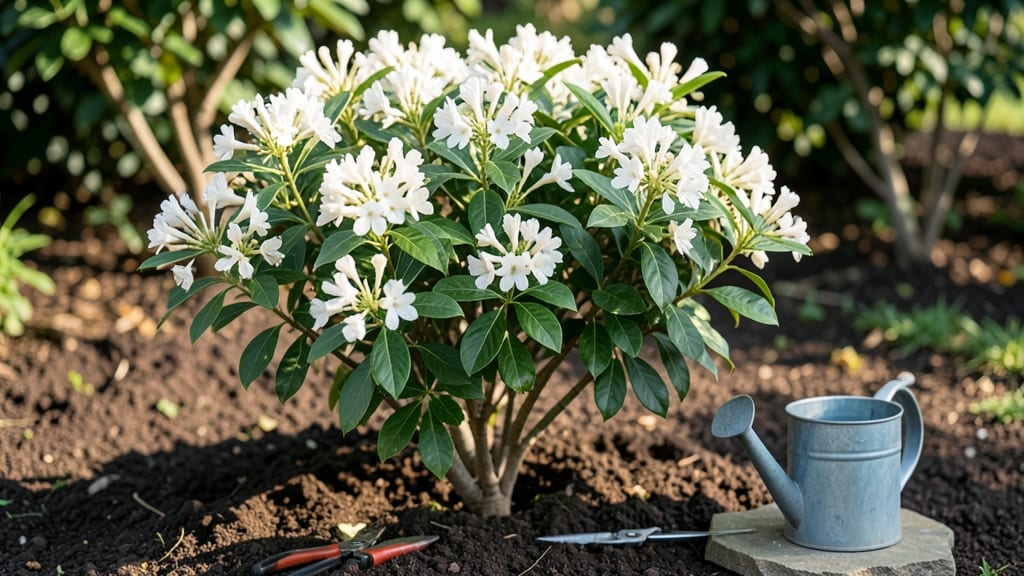
The sweet mock orange tree (Philadelphus coronarius) is the Pacific Northwest's fragrant frost-resistant gem that turns any garden into a sensory paradise with its intoxicating blossoms.
I planted mine last spring after years of admiring neighbors' fragrant hedges, and now it's the star of my backyard—especially when bees and butterflies flock to its creamy-white flowers in late spring.
The secret lies in its adaptability: it thrives where other shrubs falter, from coastal fog to inland heat waves, as long as you give it the right spot and a little patience.
This hardy shrub—zones 4 through 8—lives up to its name with minimal fuss. It craves morning sun and afternoon shade, tolerates most well-drained soils (even rocky ones), and only needs 1 inch of water per week once established.
The real magic happens in late May or June when the highly fragrant flowers burst open, filling the air with a citrusy-sweet scent that lingers for days.
Pruning after blooming keeps it compact and encourages even more flowers next year—something I learned the hard way when I trimmed too early and missed half my blooms.
What you'll love most is how effortlessly it fits into any landscape. Use it as a privacy screen, a fragrant hedge, or a solitary specimen near patios where you can enjoy the scent up close.
The glossy green leaves stay attractive even when not in bloom, and its frost resistance means it handles our region's damp winters like a champ. Just avoid heavy clay soils and overwatering—those are the two mistakes that kill even the toughest shrubs.
Whether you're a beginner or a seasoned gardener, this tree delivers low-maintenance beauty with high rewards. Start with a well-draining spot, give it space to grow (6–10 feet wide), and prepare for the compliments when neighbors ask about your "secret garden scent."
The best part? It keeps getting better with age, making it a true investment in your landscape's future.
📚 In This Guide
- What you need
- Instructions
- Tips and common mistakes
- Wrapping up and next steps
What you need
- ● Pruning shears – Bypass pruners (sharp, 6-8" blades) for clean cuts on small branches.
- ● Loppers – Long-handled (20-24") for thicker branches (½"–1.5" diameter).
- ● Pruning saw – Curved-tooth saw for branches thicker than 1.5".
- ● Gloves – Heavy-duty, cut-resistant (thorns on sweet mock orange can be sneaky!).
- ● Disinfectant – 70% isopropyl alcohol or bleach solution (1 part bleach to 9 parts water) to sterilize tools between cuts.
- ○ Pruning sealant – Optional but helpful (e.g., tree wound paint) for large cuts to prevent disease.
- ● Extension pole – Adjustable (6-10 ft) to reach higher branches safely.
- ● Bucket or tarp – For collecting pruned branches and debris.
- ● Ladder – Sturdy, non-slip (if your tree exceeds 8–10 ft tall).
- ● Hand pruners – For precision trimming on smaller stems.
- ● Pole saw – If your tree is tall and dense.
- ● Safety glasses – To protect against debris.
- ● Marking twine or flags – To tag branches for removal (useful for complex pruning).
- ● Compost bin – For repurposing small, healthy clippings.
Step-by-Step instructions for planting and caring for sweet mock orange trees
This fragrant, hardy tree thrives in Pacific Northwest climates—here’s how to plant and nurture it for years of sweet blossoms.
Choose the Perfect Planting Site
The sweet mock orange (Philadelphus) loves sun but tolerates partial shade, making it ideal for Pacific Northwest gardens. Select a spot with at least 6 hours of direct sunlight daily, though morning sun with afternoon shade works well in hotter microclimates. Avoid low-lying areas where cold air pools—this tree handles frost down to -25°F, but excessive winter moisture can cause root rot.
Test the soil by digging a 6-inch hole—it should drain well. If your soil is heavy clay, amend it with 3-4 inches of compost mixed into the top 12 inches of soil. The tree’s shallow roots appreciate loose, well-draining earth. I always check for nearby utility lines before digging, as these trees spread 8-12 feet wide at maturity.
Plant at the Right Time and Depth
Spring or early fall are the best times to plant sweet mock orange, giving roots time to establish before summer heat or winter frost. Dig a hole twice as wide as the root ball but no deeper—planting too deep suffocates the roots. Gently loosen the root ball if it’s tightly bound and place the tree so the top of the root ball sits 1 inch above ground level.
Backfill with native soil mixed with a handful of balanced 10-10-10 fertilizer to encourage early root growth. Water deeply until the soil settles, then add a 2-inch layer of mulch (like wood chips) around the base, keeping it 3 inches away from the trunk to prevent rot. I always water again after mulching to help the soil settle evenly around the roots.
Water and Fertilize for Strong Establishment
Water newly planted trees once a week for the first month, providing 1-2 gallons per watering to ensure the root ball stays moist but not soggy. After that, water every 10-14 days, adjusting for rainfall—soggy soil is the tree’s biggest enemy. You’ll know it’s getting enough water when the top 2 inches of soil feel slightly damp but not wet.
Fertilize in early spring with ½ cup of 10-10-10 fertilizer spread around the drip line (the edge of the tree’s canopy). Avoid high-nitrogen fertilizers, which encourage leafy growth at the expense of blooms. I also add a ¼ cup of bone meal in late winter to boost flowering potential. Prune back any dead or crossing branches in late winter before new growth begins.
Prune and Maintain for Abundant Blooms
Prune sweet mock orange immediately after flowering (late spring) to shape the tree and encourage next year’s blooms. Remove 1/3 of the oldest wood each year to maintain vigor—this tree blooms on old wood, so avoid heavy pruning in fall or winter. I also trim back any leggy or overcrowded branches to improve airflow, which reduces the risk of fungal diseases.
Monitor for pests like aphids or scale, which can weaken the tree. A strong spray of water usually dislodges them, but severe infestations may require neem oil. In the Pacific Northwest, watch for powdery mildew in humid summers—prune for airflow and apply fungicide if needed. With proper care, your sweet mock orange will reward you with highly fragrant white blooms from late spring to early summer for decades.
Tips & tricks for perfect sweet mock orange planting and care
These practical insights will help you avoid common pitfalls and maximize your sweet mock orange's potential in Pacific Northwest gardens.
Soil Preparation: When amending heavy clay soil with 3-4 inches of compost, mix it into the top 12 inches—not just the planting hole. This creates a loose, well-draining root zone throughout the entire planting area. I've seen roots struggle when only the immediate planting area is amended while surrounding soil remains compacted. The key is creating a uniform environment for those shallow roots.
Planting Depth: The 1-inch elevation above ground level for the root ball is critical—any deeper and you risk suffocating the roots. I always use a level or small board to verify this height before backfilling. For container-grown trees, gently squeeze the root ball to check for air pockets before planting, as these can prevent proper water absorption.
Watering Strategy: Those first 1-2 gallons per watering in Step 3 are essential for establishing the root ball. The water should penetrate at least 12 inches deep to encourage deep root growth. I recommend using a soil probe or long screwdriver to check moisture depth after watering—if it comes out dry, you need to water more deeply next time.
Pruning Insight: The 1/3 oldest wood rule works because sweet mock orange blooms on old wood. I mark branches with a paint dot each year before pruning to track which ones I've already pruned—this helps maintain that delicate balance. Never remove more than 1/3 in any single year, as this can reduce next year's blooms significantly.
Pro Tips for Sweet Mock Orange Tree
- These practical insights will help you avoid common pitfalls and maximize your sweet mock orange's potential in Pacif...
- Soil Preparation: When amending heavy clay soil with 3-4 inches of compost, mix it into the top 12 inches—not just th...
- Planting Depth: The 1-inch elevation above ground level for the root ball is critical—any deeper and you risk suffoca...
Frequently asked questions
Got questions about your Philadelphus lewisii (Sweet Mock Orange Tree)?
You’re in the right place! Here are answers to the most common queries from PNW gardeners—because even frost-resistant champions need a little TLC.
When is the best time to prune my Sweet Mock Orange Tree?
Prune your tree right after flowering (late spring to early summer) to avoid cutting off next year’s blooms. Light shaping can also be done in early winter (after dormancy sets in), but avoid heavy pruning then—it stresses the plant. Pro tip: Use clean, sharp tools to prevent disease!
How cold-hardy is the Sweet Mock Orange Tree, really?
This PNW favorite thrives in USDA Zones 5–8 and handles temps down to -20°F (-29°C) with ease! However, young trees or newly planted specimens may need winter mulch for extra protection. No blanket needed for mature trees—just let them shine!
Why aren’t my blooms as fragrant as they should be?
Several factors can dull the scent: overcrowded branches (prune to improve airflow), poor soil drainage (amend with compost), or lack of sunlight (6+ hours of sun is ideal). Bonus: Prune spent blooms promptly to encourage more fragrant flowers next season!
Can I grow a Sweet Mock Orange Tree in a container?
Yes! Choose a large container (at least 15-gallon) with drainage holes and use well-draining potting mix. Container-grown trees need regular watering (they dry out faster) and winter protection (move to a sheltered spot or wrap the pot). Warning: They may bloom less vigorously in containers—give them space to stretch their roots!
What pests should I watch for on my Sweet Mock Orange Tree?
Keep an eye out for aphids, spider mites, or scale insects, which love the tree’s sap. Treat infestations early with neem oil or insecticidal soap. Prevention tip: Encourage beneficial insects (like ladybugs) by planting companion flowers nearby!
How fast does a Sweet Mock Orange Tree grow?
Expect moderate growth: about 12–24 inches per year under ideal conditions. With proper care, it can reach 8–12 feet tall and wide over time. Patience pays off—the fragrance and frost resistance are worth the wait!
Wrapping up and next steps
The sweet mock orange tree is a standout choice for Pacific Northwest gardeners, offering fragrant blooms and frost-resistant charm that brightens any landscape. With the right pruning techniques, you’ll encourage lush growth and abundant flowers while keeping your tree healthy and thriving. 🌿
Now that you’re armed with the knowledge to prune like a pro, roll up your sleeves and give your sweet mock orange the care it deserves! Start by inspecting your tree this season—whether it’s spring, summer, or early fall—and follow the steps above.
Before you know it, your garden will be filled with that intoxicating citrusy scent, and your tree will reward you with years of vibrant blooms. Happy pruning! ✂️💛