
Pruning
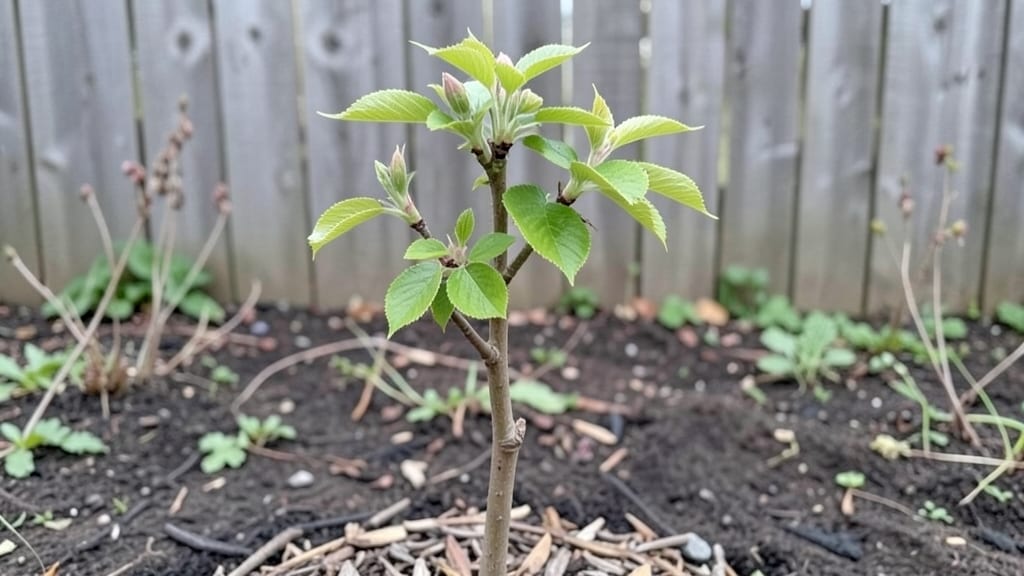
Your sakura tree sapling arrives with delicate promise—those first pale pink buds could become a Pacific Northwest centerpiece if you prune with intention. I learned the hard way that aggressive cuts in spring send energy into leaf growth instead of blooms, so I now focus on shaping during dormancy.
The key isn't just when to trim, but how to encourage that signature cascading display year after year.
You'll need sharp pruning shears, a ladder for higher branches, and a clear day when the tree isn't actively flowering. The three-season rule—prune in late winter, summer, and early fall—keeps blooms abundant while maintaining structure.
Even in rainy PNW climates, this schedule prevents fungal issues while letting light reach inner branches for those sought-after blossoms.
What you'll end up with is a tree that bursts with color from late winter through spring, even in cooler zones. The branches develop a graceful, open habit, and you'll notice fewer bare spots where sunlight struggles to penetrate.
By year three, neighbors will ask how you coaxed so many blooms from a single sapling—and you'll know it's the pruning.
Works equally well in urban courtyards or rural landscapes, though mature specimens need space to spread. The same principles apply whether you're shaping a dwarf variety or a standard—just adjust the scale. Let's get those shears ready for the first cut.
📚 In This Guide
- What you need
- Instructions
- Tips and common mistakes
- Wrapping up and next steps
What you need
- ● Pruning shears: Bypass pruners with sharp, clean blades (4-6" size). Tip: Disinfect with rubbing alcohol before and after use to prevent disease spread!
- ● Loppers: For thicker branches (1-2" diameter), opt for bypass loppers with a 6-8" cutting range.
- ● Hand saw: A pruning saw with a fine-tooth blade for stubborn, woody branches (avoid power saws—they can damage the tree!).
- ● Gloves: Heavy-duty, cut-resistant gloves (gardening or pruning-specific) to protect your hands.
- ● Disinfectant: 70% isopropyl alcohol or a pruning sealant (like tree wound dressing) to sterilize tools and cuts.
- ○ 5-gallon bucket: For collecting pruned branches (optional but handy for composting or disposal).
- ● Notebook & pen: To jot down notes on cuts made (e.g., branch thickness, location, or timing).
- ● Extension pole: Attaches to loppers/shears for high branches (8-12' reach).
- ● Pruning paint: For sealing large cuts (>1" diameter) to prevent disease.
- ● Tree tie or zip ties: To secure branches if heavy blooms cause sagging.
- ● Ladder: Sturdy, sturdy, non-slip ladder (4-6' height) for taller saplings.
- ● Water spray bottle: To mist cuts and reduce stress on the tree.
Step-by-step pruning guide for Pacific Northwest sakura trees
Here’s the method I’ve refined over years of growing sakura in damp Pacific Northwest climates—where proper pruning makes all the difference for healthy blooms.
Time Your Pruning for Optimal Growth
Prune your sakura sapling during its dormant season, which in the Pacific Northwest runs from late winter to early spring—typically February through March. This timing ensures you’re not removing flower buds that form over summer. I always wait until the last frost has passed but before new growth appears, usually around mid-March. Pruning too early risks exposing the tree to cold damage, while waiting too long can stress it before the growing season.
Watch for the first signs of bud swell—tiny green bumps along the branches—as your signal to stop pruning. In wet climates like ours, this can happen earlier than in drier regions, so don’t rely solely on a calendar. If you miss this window, you can do a light shaping cut in early summer after flowering, but avoid heavy pruning then.
Remove Dead, Diseased, or Crossing Branches First
Start by inspecting your sapling for branches that are dead, diseased, or rubbing against each other. These are priority cuts—they prevent energy loss and reduce disease risk. Use clean, sharp pruning shears to make cuts just outside the branch collar, the swollen area where the branch meets the trunk. I angle my cuts slightly downward to prevent water from pooling and rotting the wound.
Look for branches growing inward toward the center of the tree—these crowd the canopy and block airflow, which invites fungal issues. Remove these first, even if they’re healthy. In young saplings, you might need to trim up to one-third of the branch length to open up the center. The goal is an airy, open structure that lets sunlight reach all branches.
Thin Out Overcrowded Branches for Better Bloom Distribution
Sakura trees produce flowers on one-year-old wood, so you’ll want to encourage a balanced branch structure. Selectively thin branches to maintain a natural, open vase shape—this prevents dense growth that can lead to fewer blooms. Aim to remove no more than 20-25% of the tree’s total foliage in a single session. Over-pruning stresses the tree and reduces next year’s flower production.
Focus on removing branches that originate from the same point on the trunk or main branches. These competing branches weaken the tree by diverting energy. Make your cuts at the branch collar, and avoid leaving stubs—this prevents decay. After thinning, step back and visualize the tree’s shape. You should see light penetrating to the inner branches.
Shape the Canopy for Even Sun Exposure
Sakura saplings benefit from a rounded, slightly tiered canopy that allows sunlight to reach all branches. Use hand pruners to trim back any branches that are growing too upright or too low. For upright branches, cut just above an outward-facing bud to encourage horizontal growth. For low-hanging branches, shorten them to maintain a 4-6 foot clearance from the ground, which makes future maintenance easier.
In the Pacific Northwest’s damp climate, avoid heavy pruning that removes too many leaves at once—this can stress the tree and make it susceptible to fungal diseases like powdery mildew. Instead, make small adjustments each year. After pruning, rake up and dispose of all clippings to reduce disease spread. If you notice any signs of stress—yellowing leaves or wilting—reduce watering slightly until the tree recovers.
Post-Pruning Care for Strong Recovery
After pruning, give your sakura sapling a deep watering to help it recover from the stress of cutting. Focus on the root zone, watering slowly until the soil is moist 6-8 inches deep. In the Pacific Northwest’s rainy season, you might not need to water much, but if the ground stays soggy for weeks, consider adding a 2-3 inch layer of mulch around the base to protect roots and retain moisture.
Monitor the tree closely for the next 2-3 weeks. New growth should appear within 3-4 weeks if the pruning was done correctly. If you see excessive leaf drop or no new growth, you may have pruned too aggressively. In that case, avoid pruning for the next year and focus on providing consistent care. Fertilize lightly in early spring with a balanced, slow-release fertilizer to support new growth.
Tips & tricks for perfect sakura tree sapling pruning
These practical insights will help you navigate the nuances of pruning sakura saplings in our region's unique climate.
Timing is Everything: The February through March window is critical for Pacific Northwest sakura because it aligns with the tree's natural dormancy period. I've learned the hard way that pruning too early can expose the tree to late frosts, while waiting too late risks stressing it before spring growth. Check your local frost dates annually—they can vary by just a few days each year. The bud swell you're watching for should look like tiny green bumps along the branches, not just swelling at the tips.
Tool Precision Matters: Invest in quality pruning shears with sharp, clean blades—dull tools crush branches instead of making clean cuts. I always sterilize my tools with rubbing alcohol between cuts to prevent spreading disease, especially important in our damp climate. For branches thicker than your wrist, use a pruning saw with a fine-toothed blade to avoid tearing the bark. The goal is clean cuts that heal properly without creating entry points for pathogens.
Visualizing the Canopy: Step back frequently during pruning to visualize your tree's shape. You're aiming for that open vase shape that allows sunlight to reach all branches. I find it helpful to imagine light streaming through the center—if you can't see light penetrating to the inner branches, you need to thin more. Remember, sakura flowers on one-year-old wood, so maintaining good airflow prevents fungal issues that can reduce bloom production. The 20-25% foliage guideline is your safety net—don't exceed it in a single session.
Post-Pruning Recovery Strategy: That deep watering after pruning isn't just about hydration—it helps the tree recover from stress. Focus on the root zone and water slowly until you see moisture at 6-8 inches deep. In our rainy climate, you might not need to water much at all, but if the ground stays soggy for weeks, that 2-3 inch mulch layer becomes crucial. I've seen trees recover beautifully with this approach, especially when combined with the 2-3 week monitoring period. If you notice excessive leaf drop or no new growth after 4 weeks, you've likely pruned too aggressively.
Pro Tips for Sakura Tree Sapling
- These practical insights will help you navigate the nuances of pruning sakura saplings in our region's unique climate.
- Timing is Everything: The February through March window is critical for Pacific Northwest sakura because it aligns with the tree's natural dormancy period.
- Tool Precision Matters: Invest in quality pruning shears with sharp, clean blades—dull tools crush branches instead of making clean cuts.
Frequently asked questions
When is the best time to plant a sakura tree sapling in the PNW?
The ideal window is late fall to early spring (October–March), when the tree is dormant. This gives roots time to establish before summer heat. Avoid planting in summer—PNW’s dry spells can stress young saplings. If you must plant in spring, do it before buds swell (early March–April).
How often should I prune my sakura sapling for blooms?
Prune once a year during late winter/early spring (before buds break) to shape the tree and encourage blooms. For young saplings (under 3 years), focus on removing dead, crossing, or overcrowded branches. Avoid heavy pruning—sakura trees bloom on old wood, so limit cuts to 20–30% of the canopy per year.
Why isn’t my sakura sapling blooming? Troubleshooting tips.
Common culprits in the PNW:
- Too much shade: Sakura need 6+ hours of sunlight. Thin nearby trees or relocate if needed.
- Over-fertilizing with nitrogen: This fuels leaves over flowers. Use a low-N, high-P (phosphorus) fertilizer in early spring.
- Improper pruning timing: Pruning after buds form can remove next year’s blooms. Stick to dormant-season cuts.
- Young age: Some sakura varieties take 3–5 years to bloom. Be patient!
Pro tip: If your tree is healthy but not flowering, it might need cross-pollination. Plant a second compatible variety nearby!
Can I grow a sakura sapling in a container? What’s the best setup?
Yes! Dwarf varieties like ‘Spring Snow’ or ‘Kanzan’ thrive in containers with:
- A 15–20 gallon pot (minimum) with drainage holes.
- Well-draining soil (mix 50% potting soil + 50% perlite/sand).
- Regular watering (keep soil evenly moist but not soggy).
- Winter protection: Move pots to a sheltered spot or wrap the container in burlap.
Warning: Container-grown sakura may bloom less vigorously than in-ground trees. Refresh soil yearly and prune aggressively to prevent root-bound stress.
What’s a good sakura alternative if I want blooms but less maintenance?
If you love sakura’s flowers but want a lower-maintenance option, consider:
- Japanese Maple (Acer palmatum): Stunning foliage + fall color, drought-tolerant once established.
- Magnolia (Magnolia stellata): Early spring blooms with minimal pruning needs.
- Cherry Laurel (Prunus caroliniana): Evergreen, fragrant, and drought-resistant.
- Hydrangea (Hydrangea macrophylla): Big, showy blooms; prune once a year.
For PNW gardeners: ‘Coralburst’ Japanese maple or ‘Annabel’ hydrangea are top picks for low-fuss beauty.
Wrapping up and next steps
Growing a sakura tree sapling in the Pacific Northwest is a rewarding journey—one that combines patience, care, and the right pruning techniques to unlock stunning year-round blooms.
By mastering seasonal trims, avoiding common pitfalls, and nurturing your tree with love, you’ll create a breathtaking focal point in your garden. 🌸
Ready to see your effort bloom? Start small: pick a sunny spot, gather your tools, and take the first step today! Whether you’re a pruning pro or a curious beginner, every trim brings you closer to a magical, ever-blooming sakura.