
Pruning
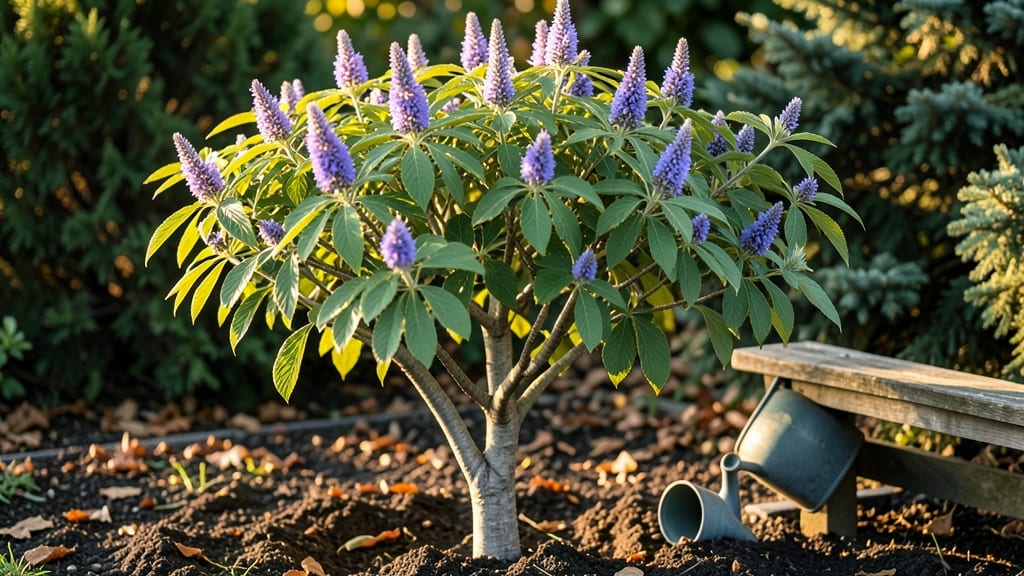
The vitex tree zone thrives in 6 through 11, where its purple blooms dazzle from summer through fall with almost no effort. I’ve watched mine thrive in the heat of Texas summers and still bounce back after light freezes, proving this tree isn’t just for warm climates.
The key is understanding its limits: it handles heat like a champ but struggles with prolonged cold below 10°F.
For gardeners in zones 5 or cooler, container growing or sheltered spots can push its range. My zone 5 friend grows hers in a large pot near the south-facing wall, and it blooms just as heavily as mine does in the ground.
The trick is moving it indoors or wrapping the pot before winter hits—no fancy equipment needed, just a little strategy.
What you’ll get is a low-maintenance tree that rewards patience with months of fragrant purple flowers. It’s drought-tolerant once established, attracts pollinators, and even handles urban pollution better than many ornamentals. The trade-off? A little winter prep in cooler zones—but the payoff in blooms makes it worth it.
Whether you’re in the deep South or a cooler microclimate, vitex adapts with the right approach. Next, let’s talk about the simplest way to protect it through winter without losing those signature blooms.
📚 In This Guide
- What you need
- Instructions
- Tips and common mistakes
- Wrapping up and next steps
What you need
- ● Vitex Tree: 1-3 mature plants (Zone 6-10 hardy; choose from Vitex agnus-castus, Vitex negundo, or Vitex rotundifolia for coastal climates).
- ● Well-draining soil: 50 lbs of compost + 20 lbs of sand/perlite (for sandy or clay-heavy soils).
- ● Mulch: 2-3 inches of organic mulch (pine bark or shredded leaves) to retain moisture.
- ● Pruning tools: 1 pair bypass pruners (for small branches, ¼"–½" cuts).
- ● 1 pruning saw (for thick stems, 1"–2" diameter).
- ● 1 loppers (for medium branches, ¾"–1½" cuts).
- ● Disinfectant: 1 bottle 70% isopropyl alcohol or 10% bleach solution (to sterilize tools).
- ● Safety gear: Gloves (cut-resistant), long sleeves, and eye protection.
- ● Watering can/hose: 5+ gallons capacity (for deep watering post-pruning).
- ○ Fertilizer (optional): Slow-release 10-10-10 granular fertilizer (1 lb per tree, applied in early spring).
- ● Winter protection (Zones 6-7): Burlap wraps or frost cloth (for young trees).
- ● Staking (if needed): 3–4 wooden stakes + soft ties (for newly planted trees in windy areas).
How to establish a vitex tree zone for season-long color
Here’s how I create a thriving vitex haven—where blooms last from summer into fall with minimal winter fuss.
Select the Perfect Planting Site
Vitex thrives in full sun, so choose a spot with at least 6 hours of direct sunlight daily. I’ve found that south- or west-facing locations work best, especially in cooler climates where winter stress is a concern. The key is avoiding low spots where cold air pools—vitex needs good airflow to prevent fungal issues.
Test your site by observing how sunlight moves across the area throughout the day. If you notice shadows creeping over the spot after midday, consider planting near a wall or fence that reflects heat back onto the tree. You’ll know you’ve picked the right zone when the foliage stays lush and vibrant even during heatwaves.
Prepare the Soil for Optimal Growth
Vitex tolerates a range of soil types but performs best in well-draining, slightly alkaline soil with a pH between 7.0 and 8.0. Before planting, loosen the soil to a depth of 12-18 inches to encourage deep root growth. I mix in 2-3 inches of compost to boost fertility without making the soil too rich—vitex prefers leaner conditions.
If your soil drains poorly, amend it with sand or perlite to prevent waterlogged roots, which vitex hates. A simple test: Dig a hole, fill it with water, and if it drains within an hour, your soil is ready. If not, keep amending until you see improved drainage—this step alone prevents most winter stress issues.
Plant at the Right Time and Depth
Plant vitex in early spring, once the soil has warmed to at least 60°F. This gives roots time to establish before summer heat arrives. Dig a hole twice as wide as the root ball but no deeper—vitex roots grow horizontally, not vertically. Place the tree so the top of the root ball sits 1-2 inches above ground level to prevent rot.
Backfill with native soil, tamping gently to remove air pockets. Water deeply to settle the soil, then add a 2-3 inch layer of mulch (keeping it away from the trunk) to retain moisture and regulate soil temperature. Avoid over-mulching—vitex dislikes smothered roots and can develop fungal issues if the base stays too wet.
Water and Fertilize for Year-Round Blooms
Water newly planted vitex deeply once a week for the first month, then taper to every 10-14 days once established. You’ll know it’s time to water when the top 2 inches of soil feel dry—vitex is drought-tolerant but blooms best with consistent moisture. Overwatering is the fastest way to invite root rot, so always check before watering.
Fertilize lightly in early spring with a balanced, slow-release fertilizer (10-10-10). Avoid high-nitrogen feeds—vitex grows best with minimal feeding. If you notice sparse blooms, a low-phosphorus fertilizer in late spring can encourage more flowers. Prune back dead blooms in fall to keep the tree tidy and promote next year’s growth.
Protect Against Winter Stress
Vitex is hardy to USDA Zone 6, but younger trees or colder winters may need extra care. If temperatures dip below 20°F, wrap the tree in burlap or apply a thick layer of mulch around the base. I’ve found that covering the top half of the tree with frost cloth on the coldest nights prevents dieback without smothering the plant.
Prune back any winter-damaged branches in early spring before new growth starts. Look for brown, brittle stems—these won’t recover. Healthy vitex will bounce back with fresh green growth within weeks. With this approach, your tree will reward you with season-long lavender blooms and minimal winter stress.
Tips & tricks for perfect vitex tree zones
Creating a thriving vitex haven takes a few strategic moves that make all the difference between a struggling shrub and a showstopping seasonal display.
Sunlight Strategy: The 6 hours of direct sunlight mentioned is non-negotiable, but here's what I've learned: In cooler climates, extend that sunlight window by planting near reflective surfaces like light-colored walls or fences. I've seen vitex thrive with 7-8 hours of sunlight when positioned this way, especially during summer's shorter days. Watch for late afternoon shadows—those can cut into your blooming season if not addressed.
Soil Test Tip: Before amending your soil, grab a pH test kit—vitex prefers that 7.0-8.0 range, but many garden soils run acidic. If yours is below 7.0, add pulverized limestone gradually (about 1 pound per 100 square feet) and retest in 3 months. I've had to do this twice with my first planting before hitting the sweet spot. The compost you add in Step 2 helps too, but don't overdo it—vitex prefers leaner soil to encourage strong root growth.
Planting Depth Secret: That 1-2 inch elevation above ground level for the root ball is crucial, but here's the part nobody tells you: Use a level to ensure the tree sits perfectly straight. I've had to replant two vitex trees because they were tilted after backfilling. Take your time here—uneven planting leads to uneven growth and weak stems. Also, consider staking young trees for the first year to prevent wind damage during their vulnerable establishment phase.
Winter Protection Hack: When temperatures dip below 20°F, I've found that wrapping the tree in burlap works, but here's my upgrade: Combine burlap with frost cloth for the top half. The burlap protects against windburn while the frost cloth provides that extra insulation without trapping too much moisture. Remove both in early spring before new growth appears—waiting too long can suffocate emerging buds.
Pro Tips for Vitex Tree Zone
- Creating a thriving vitex haven takes a few strategic moves that make all the difference between a struggling shrub and a showstopping seasonal display.
- I've seen vitex thrive with 7-8 hours of sunlight when positioned this way, especially during summer's shorter days.
- Soil Test Tip: Before amending your soil, grab a pH test kit—vitex prefers that 7.0-8.0 range, but many garden soils run acidic.
Frequently asked questions
Got questions about keeping your vitex tree thriving in every season? Here are answers to the most common concerns—from pruning to winter prep—so you can enjoy those stunning blooms year-round!
What’s the best time to prune a vitex tree for winter hardiness?
Prune your vitex tree in late winter or early spring (before new growth starts). This timing helps the tree recover quickly and avoids exposing it to late-season cold snaps. Cut back about 1/3 of the oldest stems to encourage fresh, vigorous growth and improve airflow—key for winter resilience!
How cold can vitex trees tolerate, and what’s the ideal winter zone?
Vitex trees thrive in USDA Zones 6–10, handling temps down to 0°F (-18°C) with proper care. In colder zones (like Zone 5), mulch heavily, wrap young trees, and prune lightly to reduce stress. Older trees often bounce back, but newly planted vitex may need winter protection.
Can I grow vitex in containers, or is it better planted in the ground?
Yes! Vitex adapts well to large containers (15+ gallons), making it great for patios or small yards. Use well-draining soil and move pots indoors or to a sheltered spot in winter (Zones 5–6). Just ensure the container stays above freezing and water sparingly during dormancy.
What if my vitex looks dead after winter? Is it truly gone?
Don’t panic! Vitex often looks leafless and woody in winter but is not dead. Check for green buds or bark sloughing—signs of life. If branches are brown and brittle, they may be gone, but the roots (and tree!) often survive. Prune back dead wood in spring and fertilize to encourage regrowth.
Why aren’t my vitex blooms as vibrant as last year?
Less vibrant blooms often mean over-pruning, poor nutrition, or stress. Boost blooms by:
- Fertilizing in early spring with low-nitrogen, high-phosphorus food.
- Ensuring 6+ hours of sunlight daily.
- Avoiding heavy pruning in late summer (cuts back blooms for next year!).
Wrapping up and next steps
Growing a thriving vitex tree in your zone is totally doable with the right care—especially when it comes to pruning! By understanding its hardiness, timing cuts strategically, and keeping an eye on winter prep, you’ll enjoy those stunning purple blooms year-round without stress. 🌿✨
Ready to take the next step? Grab your pruners, mark your calendar, and start planning your first trim this season. Your vitex will thank you with vibrant, healthy growth—and so will your garden!