
Pruning
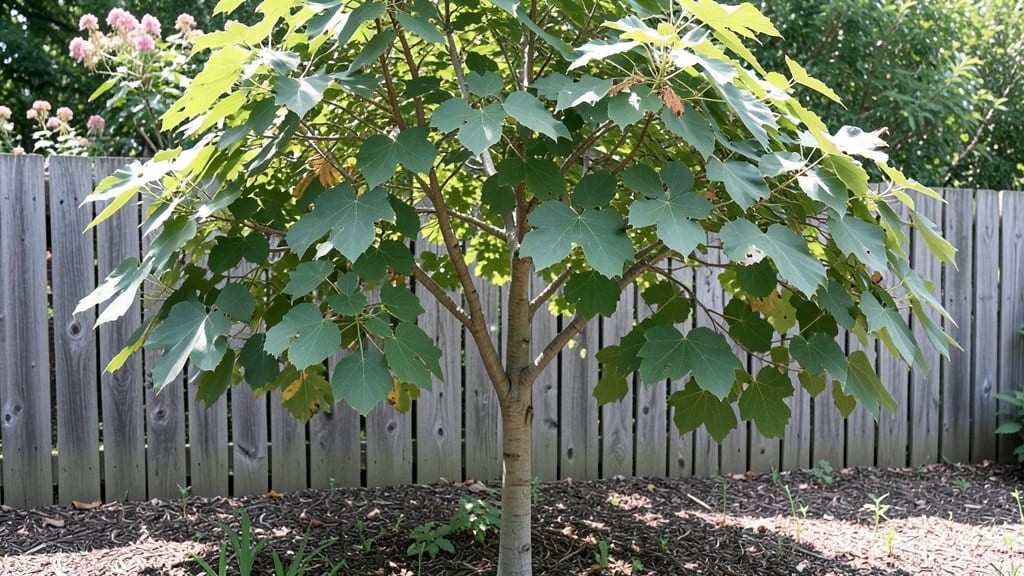
The Japanese katsura tree (Cercidiphyllum japonicum) transforms any yard into a serene sanctuary with its fragrant foliage and golden autumn leaves. I’ve pruned mine for years, and the secret to keeping it lush with almost no effort lies in understanding its natural growth rhythm.
Unlike high-maintenance trees, katsura responds well to light shaping—just a few strategic cuts per year keep it healthy and picturesque.
This tree thrives in partial shade, making it perfect for understory planting or as a low-maintenance specimen. It tolerates a wide range of soil types but prefers well-draining, slightly acidic conditions.
Watering is simple: deep soaks once a week during dry spells, and that’s it. The real magic happens when you prune to encourage dense, layered branches—no need for aggressive trimming.
By summer’s end, you’ll see vibrant new growth where you’ve made cuts, and those signature heart-shaped leaves will stay glossy and fragrant all season. The tree’s natural shape means you spend more time admiring it than fussing over it.
For best results, focus on removing dead wood and thinning crowded branches in late winter—just a few minutes of work for months of beauty.
Works beautifully in urban gardens, woodland edges, or as a striking focal point in small yards. The fragrance alone makes it worth growing, but the minimal pruning requirements seal the deal. Let’s get your katsura looking its best with almost no effort at all.
📚 In This Guide
- What you need
- Instructions
- Tips and common mistakes
- Wrapping up and next steps
What you need
- ● Pruning shears: Bypass pruners (sharp, clean, and sterilized with rubbing alcohol to prevent disease). Size: 6–8 inches for small branches.
- ● Loppers: For thicker branches (½–1½ inches in diameter). Look for: Ratchet-style for easier cutting.
- ● Pruning saw: For branches >1½ inches thick. Type: Curved-tooth saw to avoid tearing wood.
- ● Gloves: Heavy-duty gardening gloves (cut-resistant for safety).
- ● Disinfectant: 10% bleach solution (1 part bleach to 9 parts water) to sterilize tools between cuts.
- ○ Pruning sealant: Optional but helpful for sealing larger cuts (e.g., Tanglefoot Tree Wound Pruning Seal).
- ● Ladder or step stool: For reaching higher branches safely. Height: At least 6–8 feet tall.
- ● Heavy-duty trash bags: 30–50 gallon size for collecting debris.
- ● Sharpie or marker: For labeling branches if you’re doing structural pruning.
- ● Extension pole pruners: For branches just out of reach (10–12 feet).
- ● Safety glasses: To protect eyes from debris or sap.
- ● Knee pads: For comfort during ground-level pruning.
- ● Tree pruning spray: Fungicidal spray (e.g., Neem Oil) to prevent infections post-pruning.
- ● Camera or phone: To document your tree’s progress before/after pruning!
Instructions for pruning Japanese katsura trees
Here's the straightforward approach I use to keep these stunning trees thriving with minimal work.
Prune in Late Winter for Strong New Growth
Schedule your first pruning session in late winter, just as buds begin to swell but before new leaves emerge. This timing ensures you remove dead wood while stimulating fresh, vibrant growth for spring. Japanese katsura trees respond beautifully to this early pruning, developing denser foliage and more striking fall color.
Focus on removing any dead, diseased, or crossing branches first—these are easy to spot against the tree's clean winter silhouette. Use sharp, clean pruning shears to make cuts just outside the branch collar, where the branch meets the trunk. This precise cut prevents damage to the tree's healing tissues and encourages faster recovery.
I like to step back every few cuts to assess the tree's shape. Japanese katsura trees naturally grow with a graceful, layered appearance, so avoid over-thinning. Remove no more than 25% of the tree's total branches in one session to prevent stress. The goal is to maintain that elegant, airy structure while encouraging new growth from the lower branches.
Light Summer Maintenance to Encourage Airflow
Mid-summer is the time for a quick check-in rather than heavy pruning. Remove any branches that are rubbing against each other or growing inward—they'll compete for sunlight and weaken the tree's overall structure. You'll notice these problem branches easily: they often have small wounds or discolored areas where they make contact.
Thin out any overly dense areas to improve airflow, which helps prevent fungal issues. Japanese katsura trees are generally disease-resistant, but stagnant air can still create problems. Focus on the outer canopy first, then work your way inward. A light touch here keeps the tree healthy without disrupting its natural beauty.
If you spot any suckers—those aggressive shoots growing from the base or along the trunk—remove them immediately. These saplings drain energy from the main tree. Use clean pruning shears for a sharp cut at the base, and avoid pulling or tearing the tissue. This small effort now prevents future competition and keeps your tree's energy focused on its stunning foliage.
Fall Cleanup for Winter Preparation
As leaves begin to turn their signature buttery yellow in early fall, take one last pruning pass to tidy up the tree. Remove any dead or dying branches from the previous season, as well as any that have developed disease or pest damage. You'll see these easily—they'll stand out against the vibrant fall foliage with brown or blackened areas.
This is also the time to shape the tree lightly if needed. Japanese katsura trees develop their most dramatic colors in fall, so avoid heavy pruning that could reduce foliage. Instead, focus on refining the tree's natural form. Step back frequently to ensure you're maintaining that graceful, layered silhouette that makes these trees so special.
After pruning, give the base of the tree a light mulch layer—about 2-3 inches of organic mulch—to protect roots over winter. Keep the mulch a few inches away from the trunk to prevent rot. This simple step helps the tree retain moisture and insulates roots from extreme temperature swings, setting it up for another stunning season.
Minimal Winter Checks for Safety
Winter pruning is strictly for safety—never for shaping. Remove any branches that have been damaged by ice, snow, or wind. You'll spot these easily: they'll be broken, split, or hanging at odd angles. Make clean cuts just outside the branch collar, and dispose of the debris immediately to prevent disease spread.
This is also the time to check for any signs of pests or disease that might have overwintered. Japanese katsura trees are generally low-maintenance, but a quick inspection now can catch problems early. Look for small holes, sawdust-like frass (insect droppings), or unusual discoloration on branches. Address any issues immediately with the appropriate treatment.
Resist the urge to prune for aesthetics in winter. The tree is dormant, and any cuts made now will delay spring growth. Instead, use this time to plan your spring pruning strategy. Step back and admire the tree's winter structure—you'll notice how its natural form guides where you should focus your efforts in the coming season.
Tips & tricks for perfect Japanese katsura tree pruning
A few key insights will help you maintain that stunning layered silhouette while keeping your Japanese katsura thriving with minimal effort.
Timing is Everything: The late winter pruning window—just as buds begin to swell—is critical for stimulating new growth. I've learned this the hard way: pruning too early can damage emerging buds, while waiting too long risks stressing the tree. Look for those tiny green swellings along the branches; that's your cue to start. In colder climates, you might need to wait until late February or early March when temperatures consistently stay above freezing.
Precision Cuts Make All the Difference: When removing branches in Step 1, always cut just outside the branch collar—the swollen area where the branch meets the trunk. This precise cut prevents unsightly stubs and promotes faster healing. I keep a small notepad by my tools to mark which branches I've already addressed, ensuring I don't accidentally over-prune. Remember, the goal is to maintain that elegant, airy structure—never remove more than 25% of branches in one session.
Seasonal Adjustments for Health: Summer maintenance isn't about heavy pruning but about strategic thinning. Focus on removing branches that are rubbing together or growing inward—they create weak points and compete for sunlight. I use a small flashlight to inspect the inner canopy on bright summer days, revealing these problem branches that would otherwise go unnoticed. This light touch prevents fungal issues while maintaining that graceful layered appearance.
Mulching Matters More Than You Think: After your fall cleanup, that 2-3 inch layer of organic mulch around the base does double duty. It protects roots from winter temperature swings while slowly breaking down to provide nutrients. I always keep the mulch 2-3 inches away from the trunk to prevent rot, and I use a rake to create a slight depression around the trunk—this helps water flow away from the base during spring rains.
Pro Tips for Japanese Katsura Tree
- A few key insights will help you maintain that stunning layered silhouette while keeping your Japanese katsura thriving with minimal effort.
- Timing is Everything: The late winter pruning window—just as buds begin to swell—is critical for stimulating new growth.
- Precision Cuts Make All the Difference: When removing branches in Step 1, always cut just outside the branch collar—the swollen area where the branch meets the trunk.
Frequently asked questions
Got questions about keeping your Japanese Katsura tree (Cercidiphyllum japonicum) looking its best with minimal fuss? Here are some common ones—and their answers!
When is the best time to prune a Japanese Katsura tree?
The ideal time to prune is late winter or early spring (February–March), just before new growth begins. This helps maintain its natural shape while avoiding heavy sap flow. Light pruning to remove dead or crossing branches can also happen in summer or fall, but avoid major cuts during these seasons.
Can I prune a Japanese Katsura tree in summer?
Yes, but keep it light! Summer pruning is best for removing only dead, diseased, or overcrowded branches. Avoid heavy pruning, as it can stress the tree and reduce its vibrant fall foliage. If you must prune in summer, do so on a cloudy day to minimize heat stress.
How much can I trim back a Japanese Katsura tree?
Japanese Katsura trees are not heavy pruners—they respond best to moderate shaping. Never remove more than 25% of the canopy in one session. Over-pruning can lead to weak growth or reduced flowering. Focus on thinning out dense areas and removing suckers at the base.
What should I avoid when pruning a Japanese Katsura?
Avoid these common mistakes:
- Topping the tree—this creates ugly stubs and weak regrowth.
- Pruning during frost or extreme heat—stresses the tree.
- Using dull tools—ragged cuts invite disease.
- Ignoring deadwood—always remove diseased or broken branches promptly.
Will pruning affect the tree’s fall colors?
Pruning too aggressively can dull fall colors, but strategic thinning actually enhances them by improving airflow. Focus on removing dense, inward-growing branches to let sunlight reach the foliage. The tree’s signature cinnamon-scented leaves thrive with balanced pruning!
Wrapping up and next steps
The Japanese Katsura tree (Cercidiphyllum japonicum) thrives with thoughtful pruning—balancing shape, health, and seasonal charm with minimal effort. 🌿 Whether you’re trimming dead branches in winter or shaping its delicate foliage in spring, a little care goes a long way.
Now that you’re equipped with the right tools, timing, and techniques, why not take the next step?
🌱 Ready to Elevate Your Tree?
Start small—observe your tree’s natural growth patterns and adjust your approach over time. Your Japanese Katsura will reward you with stunning blooms, vibrant fall colors, and a serene presence year after year. Happy pruning!