
Pruning
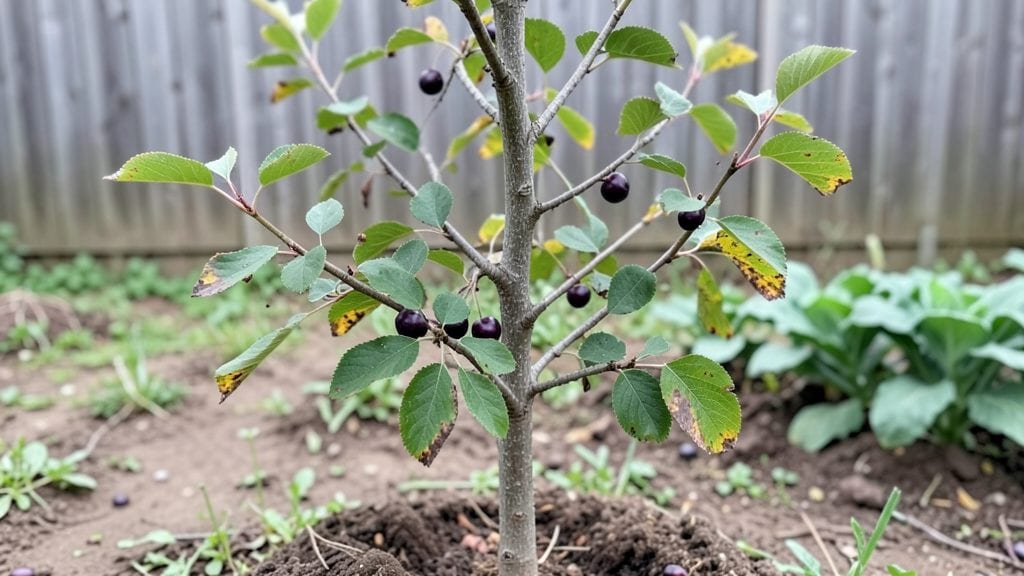
Planting a bush cherry tree means year-round interest with almost no pruning drama—just fragrant spring blooms, glossy summer foliage, and fiery fall color. I learned the hard way that most guides overcomplicate care, but this tree thrives with basic attention and the right spot.
The key is matching its needs to your yard: full sun, well-drained soil, and a little patience while it settles in.
You’ll need a 5-gallon container or bare-root sapling, a spot with at least 6 hours of sun, and soil that drains fast—clay-heavy ground is the enemy. Water deeply after planting, then let the roots establish before regular check-ins.
Unlike finicky ornamentals, bush cherries reward minimal effort with decades of low-maintenance beauty, making them perfect for busy gardeners.
By summer’s end, you’ll have a tree that handles drought better than most, resists pests naturally, and even produces edible (though small) cherries if you’re lucky. The real magic? Almost no pruning—just a light cleanup in late winter to keep the shape tidy. No shears required after that.
Works in zones 5-9, handles urban pollution better than many trees, and fits small yards where full-size cherries would flop. Let’s get yours growing strong.
📚 In This Guide
- What you need
- Instructions
- Tips and common mistakes
- Wrapping up and next steps
What you need
- ● Bush cherry tree (Prunus serotina or similar variety) – Choose a disease-resistant cultivar like 'Pendula' or 'Schipkaensis' for compact growth.
- ● High-quality potting soil or garden loam – 5+ gallons (for container planting) or enough to fill a 3–4 ft. hole (for in-ground planting). Mix with compost (20–30%) for nutrient-rich soil.
- ● Organic mulch (e.g., wood chips or straw) – 2–3 inches to retain moisture and suppress weeds.
- ● Slow-release fertilizer (10-10-10 or balanced formula) – 1–2 lbs per tree (sprinkle around the root zone in early spring).
- ● Pruning tools: Bypass pruners (for clean cuts on small branches)
- ● Loppers (for thicker branches, ½–1 inch in diameter)
- ● Hand saw (for stubborn branches >1.5 inches)
- ● Disinfectant (70% isopropyl alcohol or bleach solution) – To sterilize tools between cuts and prevent disease.
- ● Garden gloves – A pair of durable, cut-resistant gloves for safety.
- ● Container or raised bed – If planting in a pot, choose a 15–20 gallon container with drainage holes.
- ● Tree support stake (4–6 ft. tall) – For young trees in windy areas.
- ● Drip irrigation system or hose with nozzle – For consistent watering (especially in drought-prone climates).
- ● Fungicide (copper-based or neem oil) – Preemptive treatment for powdery mildew or fungal risks.
- ● Tree wrap or protective barrier – To shield the trunk from pests (e.g., rabbits or rodents) during winter.
How to plant and maintain a thriving bush cherry tree
Here's the straightforward approach I use to grow a bush cherry that blooms beautifully with almost no fuss.
Choose the Perfect Planting Spot
Bush cherries need full sun—at least 6-8 hours daily—for the best blooms and fruit production. I always pick a spot with morning sun and afternoon shade if your summers are scorching hot. The tree thrives in well-draining soil, so avoid low areas where water pools after rain.
Dig a hole twice as wide as the root ball but only as deep. This encourages roots to spread horizontally rather than settling too deep, which can suffocate them. Loosen the sides of the hole to help roots establish faster. If your soil is heavy clay, mix in a 5-gallon bucket of compost to improve drainage.
Plant at the Right Depth and Water Well
Place the bush cherry in the hole so the top of the root ball sits 1-2 inches above ground level. This prevents water from pooling around the trunk, which can cause rot. Backfill with native soil, tamping gently every 6 inches to remove air pockets without compacting the roots.
Water deeply right after planting—10-15 gallons—to settle the soil and eliminate air gaps. You’ll know it’s enough when water drains out the bottom of the hole. Mulch with 2-3 inches of organic mulch (like wood chips) around the base, keeping it 3 inches away from the trunk to prevent rot. This helps retain moisture and keeps weeds down.
Prune for Shape and Health in Early Spring
The key to minimal pruning is doing it right the first time. In early spring, before new growth starts, remove any dead, crossing, or diseased branches using clean, sharp pruners. Cut just outside the branch collar—the swollen area where the branch meets the trunk—to promote faster healing.
Open the center of the tree slightly to improve airflow and sunlight penetration. Aim for an open vase shape—this encourages more blooms and easier maintenance. Avoid heavy pruning; just shape lightly. If you see suckers growing from the base, remove them immediately—they drain energy from the main tree.
Water Deeply and Fertilize Seasonally
Water once a week during the first growing season, providing 15-20 gallons each time. Let the soil dry slightly between waterings to prevent root rot. After the first year, your bush cherry will be more established and need less frequent watering—every 2-3 weeks in dry spells, unless the soil feels bone-dry 6 inches deep.
Fertilize in early spring with a balanced 10-10-10 fertilizer, applying ½ pound per inch of trunk diameter. Spread it evenly in a 6-inch-wide band around the drip line (where branches naturally extend). Water it in well to prevent root burn. Skip fertilizer in fall—your tree needs to rest and prepare for winter.
Protect and Prepare for Winter
Bush cherries are hardy, but young trees benefit from winter protection. Once temperatures drop below 20°F, wrap the trunk with tree wrap to prevent sunscald. If your area gets heavy snow, gently brush it off branches to avoid breakage. Mulch again in late fall with 3-4 inches of organic mulch, piling it higher than last time to insulate roots.
Prune again in late winter (just before buds swell) to remove any winter-damaged branches. This is your last pruning of the year—resist the urge to trim in fall, as new growth won’t harden off before cold weather. A well-prepared bush cherry will burst into blooms come spring with almost no effort from you.
Tips & tricks for perfect bush cherry tree care
Here's what I've learned from years of growing bush cherries that make all the difference in getting those stunning blooms year after year.
Sunlight Strategy: The 6-8 hours of full sun requirement is non-negotiable, but here's the trick: if your summers are scorching, position your tree to get morning sun and afternoon shade. This prevents leaf scorch while still giving the tree the light it needs for those beautiful blooms. I've seen trees in full afternoon sun get crispy edges on their leaves, even when they're otherwise thriving.
Root Establishment Secret: When you're digging that hole twice as wide as the root ball, don't just dig deep. Loosen the sides of the hole with your shovel or hands to create a "root-friendly" environment. This encourages roots to spread out horizontally rather than staying compacted. I've seen roots grow into those loosened sides within just a few weeks after planting.
Watering Wisdom: That initial 10-15 gallons of water after planting is crucial, but here's what nobody tells you—keep watering at this rate for the first two weeks, even if it seems like too much. The goal is to help those roots establish deep into the soil. After that, you can taper off to the weekly schedule, but always check that 6-inch deep soil moisture before watering again.
Pruning Precision: When you're shaping that open vase form in Step 3, focus on removing branches that grow inward or cross each other. These are the ones that create weak points and limit airflow. I always make my cuts just outside the branch collar—this little detail makes a huge difference in how quickly your tree heals and grows new branches.
Pro Tips for Bush Cherry Tree
- Here's what I've learned from years of growing bush cherries that make all the difference in getting those stunning blooms year after year.
- Sunlight Strategy: The 6-8 hours of full sun requirement is non-negotiable, but here's the trick: if your summers are scorching, position your tree to get morning sun and afternoon shade.
- Root Establishment Secret: When you're digging that hole twice as wide as the root ball, don't just dig deep.
Frequently asked questions
Got questions about keeping your bush cherry tree thriving with minimal pruning? Here are some of the most common ones—plus the answers you need to keep those stunning blooms coming year after year!
How often should I prune a bush cherry tree?
Prune your bush cherry tree once a year, ideally in late winter or early spring (before new growth starts). This timing ensures you remove dead wood while leaving enough foliage for photosynthesis. Light pruning to shape or remove crossing branches can also happen in summer if needed—but avoid heavy cuts then.
Can I prune a bush cherry tree in winter?
While winter is the best time to prune for dormant-season benefits, avoid pruning during hard freezes (below 20°F/-7°C). If you must prune in winter, wait until late winter when temperatures stabilize. Cold snaps can stress the tree, and frozen branches are harder to cut cleanly. If you miss the window, early spring is the next best option!
What’s the best way to prune without harming the tree?
Use clean, sharp pruners to make cuts at a 45-degree angle just above a bud or branch collar. Avoid topping (cutting back to a stub)—this can invite disease. Remove dead, diseased, or crossing branches first, then thin out 10-20% of the canopy to improve airflow. Disinfect tools between cuts with rubbing alcohol to prevent spreading pathogens.
Are there alternatives to bush cherry trees for low-maintenance blooms?
If bush cherry trees don’t fit your space or climate, consider these low-pruning alternatives:
- Dwarf Lilac – Compact, fragrant blooms with minimal shaping needed.
- Potentilla – Hardy, disease-resistant, and thrives with occasional pruning.
- Japanese Quince – Stunning spring flowers; prune lightly after blooming.
- Weigela – Fast-growing with vibrant flowers; trim back in late winter.
Why are my bush cherry tree’s leaves turning yellow or dropping?
Yellowing leaves or premature drop can signal overwatering, nutrient deficiency, or pests/disease. Check the soil—it should be moist but not soggy. Look for aphids, spider mites, or fungal spots on undersides of leaves. If the issue persists, test soil pH (ideal: 6.0–7.0) and amend with compost or a balanced fertilizer. Prune affected branches to improve airflow and reduce spread.
Wrapping up and next steps
The bush cherry tree is a stunning, low-maintenance addition to any garden, offering vibrant blooms and minimal pruning demands. Whether you're a seasoned gardener or just starting out, its resilience and beauty make it a perfect choice for year-round color and charm.
Ready to transform your outdoor space? Start by planting one today and enjoy the rewards of its effortless elegance! 🌸 For more pruning tips or plant care guides, explore our resources and keep your garden thriving.