
Pruning
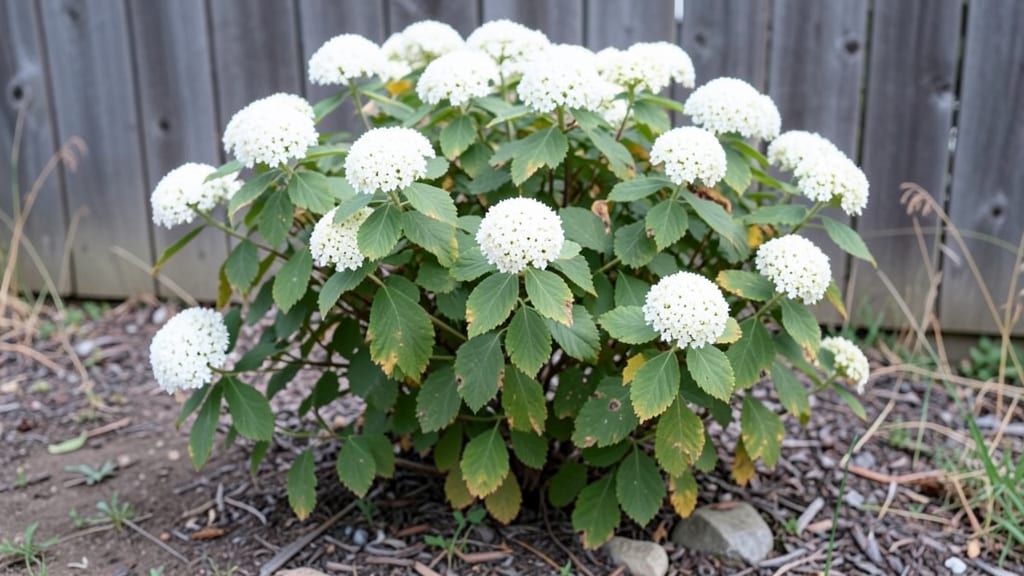
The viburnum snowball tree thrives in the Pacific Northwest’s damp winters, and its pruning calendar keeps it looking stunning year after year. I’ve pruned mine for five seasons now, and the key is timing—late winter or early spring, just as new growth begins.
This isn’t just about shaping the plant; it’s about encouraging those iconic white flower clusters that make neighbors stop and stare.
You’ll need basic tools: sharp pruners, gloves, and a clear day to assess the branches. The goal is to remove dead wood first, then thin out crowded stems to improve airflow—this prevents fungal issues and keeps the plant strong.
Most viburnums respond well to a light trim, so don’t overdo it. My biggest mistake was cutting too aggressively in fall, which left the tree vulnerable to frost damage.
By summer, you’ll see the payoff: lush green foliage, fragrant white blooms, and those signature snowball-shaped clusters that last weeks. The berries that follow add another layer of interest, and birds will love them too. This tree isn’t just hardy—it’s a showstopper that rewards patience with effortless beauty.
Works equally well in full sun or partial shade, making it versatile for gardens big or small. Whether you’re shaping a hedge or a standalone specimen, the pruning calendar ensures it stays healthy and vibrant through every season. Let’s get those branches in shape!
📚 In This Guide
- What you need
- Instructions
- Tips and common mistakes
- Wrapping up and next steps
What you need
- ● Pruning shears: Bypass pruners (for clean cuts on small stems) – 1 pair (look for ergonomic, stainless-steel blades for durability).
- ● Loppers: For thicker branches (½"–1" diameter) – 1 pair (choose ratcheting or bypass for precision).
- ● Pruning saw: For stubborn, woody branches (1"–2"+ diameter) – 1 small handsaw (bow or pruning saw with a fine-toothed blade).
- ● Garden gloves: Heavy-duty, cut-resistant (to protect from thorns and sharp tools) – 1 pair (waterproof preferred).
- ● Disinfectant: 70% isopropyl alcohol or pruning sealant (to prevent disease spread) – small bottle.
- ● Trash bags: Heavy-duty (for debris removal) – 2–3 bags.
- ○ Ladder (optional but helpful): Extendable or step ladder (for tall trees, 6–10 ft) – 1 (ensure stability on uneven terrain).
- ● Weather check: Prune on a dry, calm day (avoid rain or high winds for 24–48 hours before/after).
- ● Safety gear: Safety glasses (to shield from debris) – 1 pair.
- ● Tree health assessment: Inspect for diseased or dead branches (look for brown, mushy wood or lack of buds).
- ● Sharpener: File or sharpening stone (to maintain tool edges) – 1.
- ● Pruning paint: For sealing large cuts (prevents moisture loss) – small bottle.
- ● Tree tie or twine: To support weak branches – roll.
- ● Notebook & pen: To track pruning notes (e.g., branch locations, growth patterns).
- ● Mulch: Organic mulch (2–3 inches) to protect roots post-pruning.
Step-by-Step pruning calendar for viburnum snowball trees in the Pacific Northwest
Here’s how to keep your snowball bush thriving through PNW’s wet winters and mild summers.
Late Winter Pruning for Airflow and Structure
Prune your viburnum snowball tree in late winter, just as buds begin to swell but before new growth starts. This is typically February to early March in the Pacific Northwest, when frost risk has passed but the tree is still dormant. Use clean, sharp pruning shears to make cuts at a 45-degree angle just above a bud or branch collar—this prevents water from pooling and rotting the wound.
Focus on removing dead, diseased, or crossing branches first. These are easy to spot—they’ll be brown, brittle, or growing inward toward the center of the plant. Thin out overcrowded areas to improve airflow, which reduces fungal diseases common in PNW’s damp climate. Aim to open up the center of the bush so sunlight reaches the inner branches—this encourages stronger blooms for next season’s snowball-shaped flowers.
If your tree is young (under 5 years old), you can also shape it lightly by trimming back overly long branches by about one-third. Older trees may need more aggressive pruning to rejuvenate growth, but never remove more than one-third of the foliage in a single year—this stresses the plant.
Post-Bloom Maintenance After Flowering
Wait until after the snowball blooms have faded, usually late May to early June, before doing any light maintenance pruning. This timing ensures you don’t accidentally cut off next year’s flower buds, which form on old wood during the previous summer and fall. Look for spent flower clusters—they’ll turn brown and wither naturally. Trim these back to the nearest outward-facing bud or branch.
At this stage, also remove any water sprouts—those fast-growing, vertical shoots that pop up along the stems. These saplings steal energy from the main structure. Snip them off at the base with a sharp pair of shears. If you notice weak or leggy branches, you can lightly trim them back by half to encourage bushier growth. Just avoid heavy pruning now—you want the tree to focus on setting next year’s buds.
This is also a good time to check for pests like aphids or scale, which love to hide in the dense foliage of viburnums. Spray the tree with a hose to dislodge any pests, or treat with neem oil if you spot infestations. Healthy foliage now means fewer problems later in the season.
Summer and Fall Light Trimming for Shape
During summer and early fall, limit pruning to light shaping only. Avoid heavy cuts now, as new growth stimulated by pruning won’t have time to harden off before winter. Instead, focus on removing a few stray branches that disrupt the tree’s natural shape or rub against each other. Make these cuts in late July or August, when the tree has finished its main growth spurt for the year.
If you notice overly long branches that are growing outward but not contributing to the bush’s fullness, you can trim them back by one-quarter to encourage branching lower down. Always cut just above a bud or leaf node—this ensures the tree regenerates new growth in the right place. Avoid pruning in September or later, as new growth won’t have time to mature before frost, leaving it vulnerable to winter damage.
In the Pacific Northwest’s mild climate, some gardeners skip fall pruning entirely. If you choose to prune in fall, do so very lightly—just enough to tidy up any broken or damaged branches. Never remove more than 10% of the foliage in autumn, as this can weaken the tree’s ability to store energy for winter.
Winter Protection for Frost-Prone Areas
While viburnum snowball trees are frost-resistant, young trees or those in microclimates with late frosts (like low-lying areas) may need extra protection. If a hard freeze is forecast (temperatures below 20°F), wrap the tree’s trunk and major branches with burlap or tree wrap to prevent sunscald and frost cracks. Avoid plastic wrap—it can trap moisture and damage the bark.
If your tree is newly planted (within the last year), mound 4-6 inches of mulch around the base, but keep it 6 inches away from the trunk to prevent rot. This helps insulate the roots from temperature swings. Older, established trees usually don’t need this extra care, but a thick layer of wood chips or shredded bark still helps retain moisture and regulate soil temperature.
Resist the urge to prune in winter unless you’re dealing with frost-damaged branches. These will be blackened, mushy, or peeling—cut them out in early spring (February) as part of your late-winter pruning. Healthy branches should be firm, brown, and dry—these can wait until the main pruning season.
Tips & tricks for pruning viburnum snowball trees
These practical tips will help you maintain your snowball bush's health and beauty while avoiding common pruning pitfalls.
Timing is Everything: The late winter pruning window in February to early March is critical—this is when your tree is still dormant but buds are just beginning to swell. I've learned the hard way that pruning too early can damage new growth while waiting too long risks encouraging pests. Check for bud swell by gently pressing a fingernail into a bud—if it leaves a slight dent, it's time to prune. In particularly mild PNW winters, you might need to adjust slightly later in March.
Tool Technique Matters: Always use clean, sharp pruning shears—dull tools crush branches instead of making clean cuts. I sterilize my shears with rubbing alcohol between cuts to prevent spreading disease. For larger branches (over 1/2 inch thick), use loppers instead. The 45-degree angle cut just above a bud is crucial—this prevents water from pooling and rotting the wound. Practice on a few branches first if you're new to this technique.
Visual Pruning Cues: When identifying dead or crossing branches in Step 1, look for these telltale signs: dead branches will be completely brown and brittle, while crossing branches grow inward toward the center. For water sprouts in Step 2, they'll be those fast-growing vertical shoots that look like they're reaching for the sky. In summer, overly long branches will be those that stick out awkwardly from the bush's natural shape. These visual cues make pruning decisions much easier once you know what to look for.
Seasonal Adjustments: In the Pacific Northwest's variable climate, you might need to adjust your timing slightly each year. If you notice buds swelling unusually early (before February), wait a few more days before pruning. For frost-prone areas, remember that temperatures below 20°F trigger the need for winter protection. I always check the 10-day forecast before applying tree wrap—there's no point wrapping if a warm spell is coming. The key is balancing the tree's natural cycles with your local microclimate.
Pro Tips for Viburnum Snowball Tree
- These practical tips will help you maintain your snowball bush's health and beauty while avoiding common pruning pitfalls.
- Timing is Everything: The late winter pruning window in February to early March is critical—this is when your tree is still dormant but buds are just beginning to swell.
- Tool Technique Matters: Always use clean, sharp pruning shears—dull tools crush branches instead of making clean cuts.
Frequently asked questions
When is the best time to prune a Viburnum Snowball in the Pacific Northwest?
The ideal time is late winter or early spring (February–March), just before new growth begins. This timing encourages healthy blooms and prevents disease. Avoid pruning in fall or during dormancy—it can stress the tree or invite pests. Check our pruning calendar for PNW-specific deadlines!
How cold can a Viburnum Snowball tree handle?
These hardy beauties thrive in USDA Zones 3–8, meaning they can survive down to -40°F (-40°C)! In the PNW, they’re frost-resistant but may drop buds in extreme freezes. Mulch the base in winter to protect roots, and avoid late-season pruning to boost cold resilience.
What if I prune at the wrong time and my tree doesn’t bloom?
Don’t panic! If you pruned too late (after buds formed), wait until next year to trim. Snowball Viburnums bloom on old wood, so aggressive summer cuts can reduce flowers. Focus on light shaping in late winter—patience pays off with lush, snowball-shaped clusters!
Can I grow a Viburnum Snowball in a container?
Yes! Choose a large pot (15+ gallons) with drainage holes and well-draining soil. Prune roots annually to prevent overcrowding, and move the container to a sheltered spot in winter. Just remember: container-grown trees may need more frequent watering and winter protection (like burlap wraps).
Why are my leaves yellowing or curling?
Yellow leaves often signal overwatering, nutrient deficiency, or fungal issues (like powdery mildew). Check soil moisture—Viburnums hate soggy roots. For curling, inspect for spider mites or aphids; treat with neem oil if needed. Our PNW-specific care tips can help diagnose the issue!
Wrapping up and next steps
The Viburnum Snowball tree is a stunning, low-maintenance choice for Pacific Northwest gardens—especially when pruned with care! 🌿 By following this frost-resistant pruning calendar, you’ll keep its iconic blooms thriving year after year.
Whether you’re a seasoned gardener or just starting, these simple steps ensure your tree stays healthy, vibrant, and ready to dazzle with its snowy-white clusters.
Ready to level up your landscape? Grab your shears, mark your calendar, and give your Viburnum Snowball the TLC it deserves. Next up: Watch those blooms explode in spring and enjoy the compliments! 🌸