
Pruning
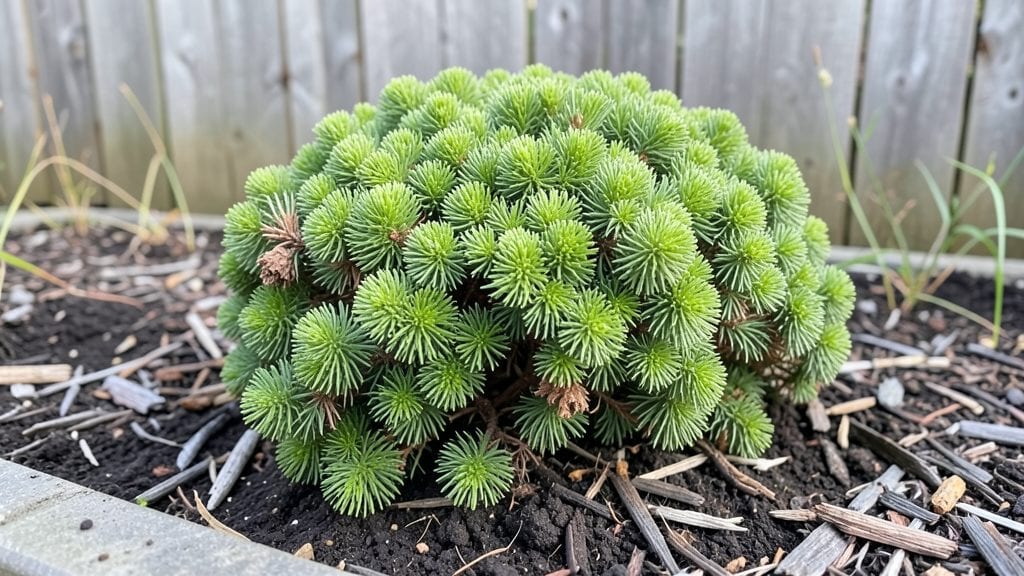
The juniper pom pom tree thrives where winters bite hardest—its frost-resistant foliage stays vibrant even when other plants surrender. 🌿 I planted mine last spring in a part-shade spot near the driveway, and now it’s the star of my Pacific Northwest garden, needing almost no fuss to look stunning year-round.
This juniper handles poor soil, drought, and even heavy snow with ease—perfect for busy gardeners. The key to keeping it lush is light pruning in early spring to shape those signature pom-pom branches, and watering deeply just once a week after planting.
No fancy tools or techniques required; a pair of clean shears and a little patience do the trick.
By summer, you’ll have a textured, blue-green shrub that hums with pollinators and resists deer. It’s ideal for hedges, containers, or even as a standalone focal point. The best part? It stays compact (usually 3–5 feet tall) without aggressive pruning, making it a dream for small spaces.
Whether you’re a beginner or a seasoned gardener, this juniper delivers low-maintenance beauty with almost no trade-offs. Let’s get yours thriving—it’s easier than you think!
📚 In This Guide
- What you need
- Instructions
- Tips and common mistakes
- Wrapping up and next steps
What you need
- ● Hand pruners (bypass pruners) – Sharp, high-quality (e.g., Felco or Fiskars), sterilized with rubbing alcohol to prevent disease.
- ● Loppers – For thicker branches (1–2 inches in diameter), with bypass blades for clean cuts.
- ● Pruning saw – Only if needed for stubborn, woody branches (avoid saws with jagged teeth—they tear bark!).
- ● Disposable gloves – Nitrile or leather to protect from thorns and sap.
- ● Rubbing alcohol (70%+) – 1 small bottle for sterilizing tools between cuts.
- ○ Sealing wax or pruning sealant – Optional but helpful for large cuts (>0.5 inches) to prevent disease.
- ● Ladder or sturdy step stool – If your tree is taller than 6 feet (safety first! 🚧).
- ● Heavy-duty trash bags – 2–3 bags for collecting pruned branches and debris.
- ● Best time to prune: Late winter or early spring (before new growth starts) for frost-resistant shaping.
- ● Weather check: Wait for dry, calm conditions—no pruning in rain or high winds!
- ● Safety first: Wear closed-toe shoes and avoid pruning near power lines.
- ● Juniper-specific tip: Juniperus trees bleed sap—seal cuts immediately if pruning in late winter to reduce sap loss.
Step-by-step pruning for a frost-resistant juniper pom pom tree
Here's how to shape your juniper into a lush, frost-hardy pom pom tree that thrives in the Pacific Northwest's cool climate.
✂️ Step 1: Time Your Pruning for Optimal Growth
Prune your juniper pom pom tree in late winter or early spring—just before new growth begins. This timing ensures you're shaping the tree when it's dormant but ready to respond to pruning. In the Pacific Northwest, aim for February through March when frost risk has passed but buds haven't swollen yet. Pruning too late in spring can stimulate tender new growth that may not survive late frosts.
If you notice leggy branches reaching beyond your desired shape in summer, do a light trim—but avoid heavy pruning. Juniper responds best to gradual shaping. Use sharp, clean pruners to make cuts just above a leaf node or lateral branch. This encourages bushier growth and prevents unsightly stubs.
🌿 Step 2: Shape the Tree for Frost Resistance
Start by removing any dead, diseased, or crossing branches first. These weaken the tree and invite pests. Next, thin out the center to improve airflow—this reduces frost pockets where cold air can settle and damage tender foliage. Aim to create an open, rounded shape with branches spaced 6-8 inches apart at the base.
For the pom pom effect, focus on the outer branches. Trim the tips of branches back to a leaf node, cutting at a 45-degree angle to prevent water pooling. This encourages the tree to fill out with dense, rounded growth. Avoid cutting into old wood—the inner wood of junipers often doesn't regrow, so stick to the current year's growth.
☀️ Step 3: Maintain Frost Protection Through the Season
After pruning, monitor the tree for signs of frost damage, especially after hard freezes. Juniper pom pom trees are generally frost-resistant, but young trees or newly pruned branches may show browning. If you see damage, wait until spring to prune it out—removing frost-damaged branches in winter can expose the tree to further cold stress.
Water deeply once a month during the growing season to establish strong roots. Mulch around the base with 2-3 inches of organic mulch to insulate roots from temperature swings. In the Pacific Northwest, where winters can be damp and cool, avoid over-mulching—too much moisture can suffocate roots. Keep the mulch 6 inches away from the trunk to prevent rot.
⏰ Step 4: Schedule Annual Maintenance for Long-Term Health
Plan a light shaping trim every 2-3 years to maintain the pom pom form. Juniper grows slowly, so you won’t need heavy pruning often. Focus on removing any branches that grow too long or sparse. In late summer, do a final check for any overly aggressive growth—trim these back to keep the tree compact and frost-resistant.
Fertilize lightly in early spring with a balanced, slow-release fertilizer. Juniper doesn’t need much, but a light application (half the recommended dose) encourages healthy growth without promoting tender, frost-sensitive shoots. Avoid high-nitrogen fertilizers—they can make the tree more susceptible to winter damage.
Tips & tricks for perfect juniper pom pom tree pruning
These expert insights will help you shape your juniper into a resilient, frost-resistant masterpiece that thrives in Pacific Northwest conditions.
Timing is Everything: The February through March window is critical because it aligns with the tree's natural dormancy period. I've learned this the hard way—pruning too early can expose tender buds to late frosts, while waiting too long stimulates weak spring growth. Check for swollen buds as your cue to start shaping, and always work on dry days to prevent fungal issues.
Tool Selection Matters: Never use dull pruners—they crush stems instead of making clean cuts. Invest in bypass pruners with sharp, stainless steel blades for precise cuts just above leaf nodes. For thicker branches, use loppers with a 45-degree cutting angle to prevent water pooling. I sterilize my tools with rubbing alcohol between cuts to prevent disease spread, especially when working with junipers.
Frost Resistance Strategy: The open center you create in Step 2 is your tree's best defense against frost. Cold air sinks and collects in dense centers, creating frost pockets that can damage tender foliage. Aim for that 6-8 inch spacing at the base to ensure proper airflow. In particularly harsh winters, consider wrapping young trees with frost cloth for the first few seasons after heavy pruning.
Maintenance Calendar: Mark your calendar for that early spring fertilization—half the recommended dose of balanced fertilizer is all junipers need. I've found that high-nitrogen fertilizers create tender new growth that's vulnerable to late frosts. The 2-3 inch mulch ring you create should be refreshed annually, but never pile it against the trunk where it can cause rot. Think of it as creating a protective microclimate around your tree's roots.
Pro Tips for Juniper Pom Pom Tree
- These expert insights will help you shape your juniper into a resilient, frost-resistant masterpiece that thrives in Pacific Northwest conditions.
- Timing is Everything: The February through March window is critical because it aligns with the tree's natural dormancy period.
- Tool Selection Matters: Never use dull pruners—they crush stems instead of making clean cuts.
Frequently asked questions
Got questions about growing and maintaining your juniper pom pom tree in the Pacific Northwest? Here are some of the most common ones—and their answers!
How cold can a juniper pom pom tree tolerate?
The Juniperus squamata 'Blue Rug' (the classic pom pom juniper) is hardy to USDA Zones 5-9, meaning it can handle winters as cold as -20°F (-29°C). In the PNW, it thrives in freezing temps and even snow—just ensure it’s planted in well-draining soil to avoid root rot from winter moisture.
When is the best time to prune my juniper pom pom tree?
Prune your juniper late winter or early spring (February–March) to shape it before new growth starts. Avoid heavy pruning in fall, as it may not heal before winter. For light shaping, you can trim anytime except during extreme heat or frost. Pro tip: Use sharp, sterilized shears to avoid tearing the soft, fuzzy foliage!
How fast does a juniper pom pom tree grow?
This slow-growing shrub adds only 3–6 inches per year, making it perfect for low-maintenance gardens. In ideal conditions (full sun, well-draining soil), it may grow slightly faster, but patience is key—it can take 10+ years to reach its mature height of 2–3 feet.
Why is my juniper pom pom tree turning brown?
Brown tips or patches usually mean overwatering, underwatering, or fungal issues. Check soil moisture—juniper hates soggy roots but also needs consistent water in dry spells. If brown spots spread quickly, it could be cytospora canker (common in junipers). Prune affected branches below the damage and improve airflow around the plant.
Can I grow a juniper pom pom tree in a container?
Use a large pot (18+ inches wide) with drainage holes and well-draining soil (like a cactus/succulent mix). Repot every 2–3 years and move containers indoors during harsh winters if temps drop below 10°F (-12°C). Just avoid overcrowding—these shrubs prefer room to spread.
What’s a good alternative if I can’t find a juniper pom pom?
If your local nursery is out of stock, try these PNW-friendly alternatives with similar texture and color:
- Juniperus horizontalis 'Blue Rug' (creeping juniper)
- Thuja occidentalis 'Emerald Green' (compact arborvitae)
- Cotoneaster dammeri 'Bearberry' (low-growing, evergreen)
Wrapping up and next steps
Growing a stunning juniper pom pom tree in your Pacific Northwest garden is not only achievable but also rewarding—especially when you embrace its frost-resistant charm and unique pruning style! 🌲 With the right tools, techniques, and a little patience, you can transform your outdoor space into a lush, textured landscape that thrives year-round.
Now that you’re armed with expert tips and answers to common questions, it’s time to roll up your sleeves and give your juniper the care it deserves.
Ready to take the next step? Start small—prune a single branch today, then gradually expand your efforts. Before you know it, your juniper pom pom tree will be the star of your garden, whispering tales of resilience and beauty to every visitor! 🌿