
Pruning
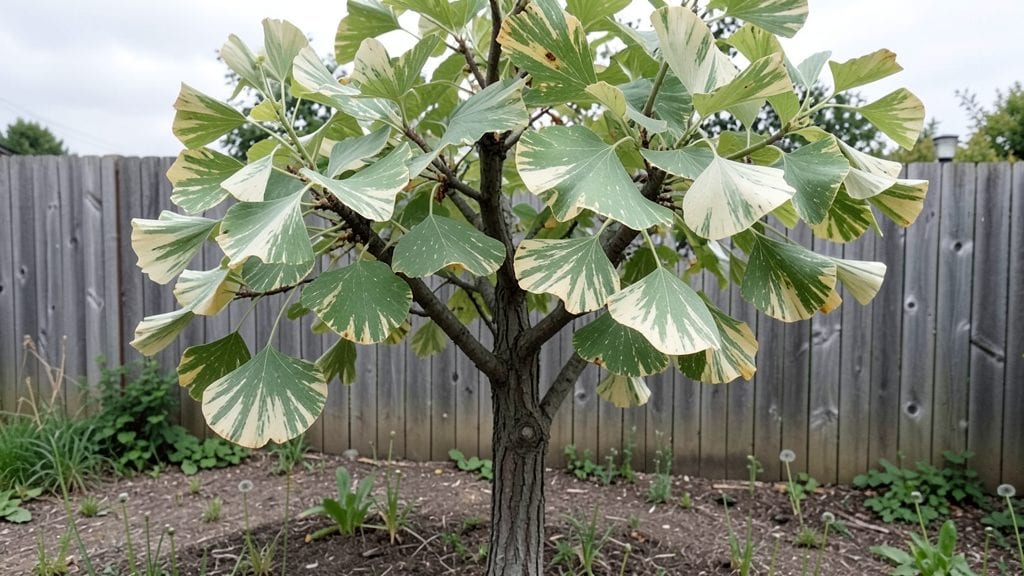
The variegated ginkgo tree's golden edges turn every season into a showstopper. 🌿 I planted mine in Portland five years ago, and its creamy-white variegation stands out against the evergreen backdrop—even when neighbors' trees are bare.
The Pacific Northwest's mild winters and wet summers make it the perfect climate for this low-maintenance stunner.
This tree thrives in partial shade to full sun, tolerates almost any soil, and grows slowly enough that pruning is more about shaping than constant upkeep. The key to keeping those golden edges vibrant?
A little strategic trimming in late winter and summer—when the contrast is most dramatic. Most people overlook how much the variegation brightens up a dull winter landscape.
By following the year-round pruning schedule, you'll end up with a tree that looks intentional, not wild—its branches balanced to catch the light just right. The result is a tree that feels like a living piece of art, not just another backyard plant.
Ready to make yours the talk of the neighborhood?
Works beautifully in city streets, large yards, or even as a striking container specimen. Here's how to keep it looking its best through every season—without the fuss.
📚 In This Guide
- What you need
- Instructions
- Tips and common mistakes
- Wrapping up and next steps
What you need
- ● Pruning shears – Sharp, bypass-style shears (1 pair) for clean cuts on small branches.
- ● Loppers – 8- to 10-inch loppers (1 pair) for thicker branches (up to 2 inches in diameter).
- ● Pruning saw – A curved-bladed saw (1) for branches thicker than 2 inches.
- ● Gloves – Heavy-duty, cut-resistant gloves (1 pair) to protect your hands from thorns and rough bark.
- ● Disinfectant – 70% isopropyl alcohol or a pruning sealant (small bottle) to sterilize tools and prevent disease.
- ● Ladder or step stool – A sturdy, extendable ladder (or a 6-foot step stool) for reaching higher branches safely.
- ● Trash bags or bucket – For collecting pruned branches (1-2 large bags or a 5-gallon bucket).
- ● Sharpie or marker – Permanent marker (1) to label cuts if needed for future reference.
- ● Hand pruners with ratchet – For larger cuts with less effort (1 pair).
- ● Pruning rope or zip ties – To secure branches during heavy pruning (small roll).
- ○ Tree wound dressing – Optional for large cuts (small jar) to promote faster healing.
- ● Safety glasses – Protect your eyes from debris (1 pair).
- ● Extension pole saw – For high branches without a ladder (1).
Step-by-Step guide to pruning your variegated ginkgo tree
Here’s how I keep my variegated ginkgo looking stunning year-round—with minimal effort and maximum impact.
✂️ Step 1: Prune Lightly in Late Winter (Before New Growth)
This is the best time to shape your tree, right after the coldest months when it’s dormant. I grab my pruning shears and remove any dead, crossing, or diseased branches first—these are easy to spot since the tree isn’t leafed out yet. Cut just outside the branch collar (the swollen area where the branch meets the trunk) to avoid damaging the tree.
For variegated ginkgo, I focus on maintaining that striking variegated pattern. If a branch loses its variegation or grows too leggy, I prune it back by about one-third to encourage bushier, more colorful growth. The goal here is to open up the canopy so light reaches all those variegated leaves.
✂️ Step 2: Light Maintenance in Early Summer (After New Growth)
Once your ginkgo starts putting on fresh growth, I do a quick check for any branches that grew too aggressively or are blocking sunlight from the center. I use sharp bypass pruners to trim these back to a healthy bud or side branch. The key here is to avoid over-pruning—just enough to keep the tree balanced and encourage airflow.
Watch for any branches that are rubbing against each other or growing inward. These are prime candidates for removal, as they can create wounds or limit the tree’s ability to photosynthesize effectively. I also deadhead any spent flowers (though ginkgo flowers are usually inconspicuous, they can look messy if left unchecked).
✂️ Step 3: Final Shape-Up in Early Fall (Before Heavy Leaf Drop)
As fall approaches, I give my ginkgo one last trim to prep for winter. This is when I fine-tune the shape, removing any branches that are growing too long or spoiling the variegated pattern. I also clean up any suckers or water sprouts that might have popped up during the growing season—these can sap energy from the main tree.
I avoid heavy pruning now, but I do make sure the tree isn’t overcrowded. A well-pruned ginkgo will hold onto its variegated leaves longer into the season, giving you that striking contrast against the autumn colors. Just be sure to sterilize your tools between cuts to prevent disease spread.
✂️ Step 4: Minimal Winter Pruning (Only for Safety)
Winter is mostly a time for observation, but I do remove any branches that are dead, broken, or pose a risk (like those hanging too low where they could snap in ice storms). I also check for any variegated branches that might have reverted to solid green—these can be pruned back to encourage more variegated growth.
If you’re in the Pacific Northwest, you’ll notice that ginkgo trees handle winter well, but a little TLC now ensures they bounce back strong in spring. Just avoid heavy pruning in winter, as it can stress the tree when it’s already dormant. A light touch is all you need to keep your variegated ginkgo thriving.
Tips & tricks for perfect variegated ginkgo pruning
Here's what I've learned over years of keeping my variegated ginkgo looking its absolute best—these tricks make all the difference for that stunning year-round color.
Timing is Everything: The late winter pruning in Step 1 is your golden window when the tree is fully dormant. I check the weather forecast first—prune on a dry day when temps are above freezing but not yet rising. Cold weather makes branches brittle, so avoid pruning if frost is forecasted within 48 hours. This timing ensures clean cuts and minimal stress on the tree.
Tool Technique Matters: Always sterilize your pruning shears between cuts, especially when working with variegated ginkgo. I keep a small bottle of rubbing alcohol handy to wipe down blades after each snip. For thicker branches, I use sharp bypass pruners to make clean cuts that heal properly. Never use dull tools—they tear rather than cut cleanly, creating wounds that invite disease.
Shape with Purpose: When you're pruning back leggy branches by one-third in Step 1, think about the tree's natural shape. Ginkgos grow in a more upright form than many trees, so I focus on creating an open center that lets light reach all those variegated leaves. This isn't about creating a perfect geometric shape—it's about enhancing the tree's natural beauty while maintaining that striking color pattern.
Seasonal Observation: In Step 4, when checking for reverted branches in winter, I look for subtle color changes. Variegated branches might start showing more green than their usual mix of white and green. These are your clues to prune back to encourage more colorful regrowth. Keep a small notebook by your tools to jot down which branches you've pruned and when—this helps track patterns over the years.
Pro Tips for Variegated Ginkgo Tree
- Here's what I've learned over years of keeping my variegated ginkgo looking its absolute best—these tricks make all the difference for that stunning year-round color.
- Timing is Everything: The late winter pruning in Step 1 is your golden window when the tree is fully dormant.
- Tool Technique Matters: Always sterilize your pruning shears between cuts, especially when working with variegated ginkgo.
Frequently asked questions
Got questions about keeping your variegated ginkgo tree looking its best in the Pacific Northwest’s ever-changing climate? You’re not alone! Here are answers to the most common queries—from pruning timing to troubleshooting—so you can enjoy your tree’s stunning foliage year-round.
When is the best time to prune a variegated ginkgo tree in the PNW?
The ideal time is late winter or early spring (February–March), just before new growth begins. This timing minimizes stress and prevents disease. Avoid pruning in fall—it can stimulate tender new growth that may not survive our wet winters. Pro tip: If you must prune in summer, do it early morning to reduce water loss.
Will pruning my variegated ginkgo tree affect its variegated foliage?
Not if done correctly! Pruning selectively (removing only dead, crossing, or overcrowded branches) preserves the variegated pattern. However, avoid heavy pruning—this tree’s variegation is genetic, but excessive cuts can stress it, leading to less vibrant colors. Focus on shaping rather than size reduction.
Can I prune a variegated ginkgo tree in winter, even when it’s dormant?
Yes, but with caution! Light pruning (removing deadwood or weak branches) is safe in mild PNW winters (like in zones 7–9). However, avoid heavy cuts—dormant trees are more vulnerable to frost damage. If temps drop below 20°F, wait until spring. Always use sharp, sterilized tools to prevent disease.
What should I do if my variegated ginkgo tree isn’t recovering well after pruning?
If you notice yellowing leaves, slow regrowth, or oozing sap, you may have over-pruned or introduced a pathogen. Troubleshoot steps:
- Check cuts: Ensure they’re clean (not torn) and sealed with pruning sealant if >½ inch thick.
- Monitor watering: Keep soil moist but not soggy for 2–3 weeks post-prune.
- Fertilize lightly: Use a balanced, slow-release fertilizer in spring to support recovery.
Are there alternatives to variegated ginkgo trees for PNW gardens?
If you love year-round interest + low-maintenance trees, consider:
- ‘Fastigiata’ Ginkgo: Narrow, columnar form with classic green leaves (hardy to zone 4).
- Japanese Maple (‘Bloodgood’): Stunning red foliage; thrives in shade (zones 5–8).
- Douglas Fir (Pseudotsuga menziesii): Native evergreen with soft needles; great for privacy.
- Variegated Holly (Ilex crenata ‘Sky Pencil’):strong> Compact, glossy leaves with white edges (zones 5–8).
Wrapping up and next steps
The variegated ginkgo tree is a stunning, low-maintenance gem that rewards Pacific Northwest gardeners with year-round beauty—if you master its pruning secrets! From shaping its delicate branches in winter to encouraging vibrant foliage in spring, this guide has given you the tools to keep your tree thriving.
Remember, patience and precision are key—your efforts will be rewarded with golden variegated leaves that glow against the PNW skies.
Ready to transform your outdoor space? Grab your pruners and schedule your first session this month! Whether you’re trimming for shape, health, or simply admiring its unique charm, your variegated ginkgo tree will thank you for years to come. 🌿✨