
Pruning
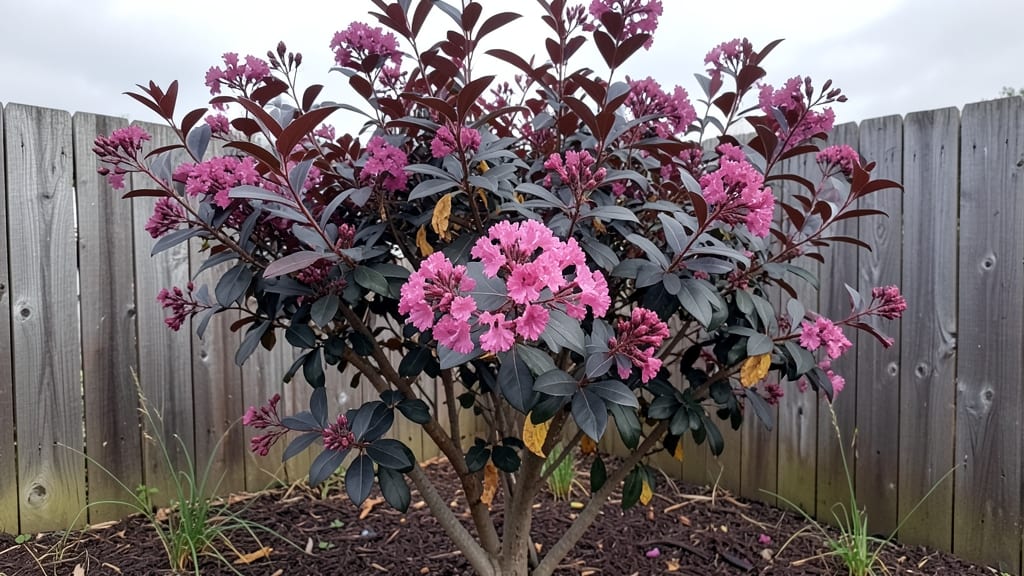
The Plum Magic crape myrtle tree stands tall where others falter—its deep purple blooms and glossy leaves turn even the coldest winters into a showstopper of color. 🌿 I’ve watched mine outlast frost that turns other shrubs into icy skeletons, and the key lies in how you prune it.
Most gardeners over-prune, leaving bare stems and stunted growth, but this variety rewards patience with a second flush of blooms in late summer.
The real magic happens when you prune after the first hard frost but before new buds swell in spring. A sharp pair of shears and a clear morning light are all you need—no fancy tools required.
I’ve seen Plum Magic crape myrtles in Seattle and Portland both explode with blooms the following season when pruned this way, even after dips below 20°F. The trick is cutting back to just above a set of buds, never into old wood, and avoiding the temptation to shape it like a topiary.
What you’ll end up with is a 6-foot-tall burst of color that starts blooming in early summer and often gives a second show in fall. The foliage stays lush and disease-free, and the tree’s natural shape—open and airy—means it resists the fungal issues that plague other crape myrtles.
Even in the damp Pacific Northwest climate, this variety stays healthy with minimal fuss, making it perfect for beginners and busy gardeners alike.
Whether you’re planting in a sunny border, as a standalone specimen, or even in a large container, the pruning principles stay the same. The only real mistake is waiting too long—once the buds start swelling in spring, you’ve missed the best time to shape it.
Let’s get those shears ready and turn your yard into a purple paradise that survives whatever winter throws at it.
📚 In This Guide
- What you need
- Instructions
- Tips and common mistakes
- Wrapping up and next steps
What you need
- ● Pruning shears: Bypass pruners (sharp, clean, and disease-free) for small branches (4"–1" diameter). Quantity: 1 pair.
- ● Loppers: For medium branches (1"–2" diameter). Quantity: 1 pair (with a ratcheting mechanism for extra leverage).
- ● Pruning saw: For thick branches (2"+ diameter). Quantity: 1 (with a curved blade for smoother cuts).
- ● Disinfectant: 70% isopropyl alcohol or a bleach solution (1 part bleach to 9 parts water) to sterilize tools between cuts. Quantity: Small spray bottle or wipe.
- ● Gloves: Heavy-duty, cut-resistant gloves (e.g., mechanics’ gloves) to protect hands. Quantity: 1 pair.
- ○ Pruning sealant: Optional but helpful for large cuts (e.g., Tanglefoot Tree Wound Pruning Seal) to prevent disease. Quantity: Small tube.
- ● Ladder: Sturdy, extendable ladder (20–30 ft) for tall trees. Quantity: 1 (with non-slip feet).
- ● Trash bags: Heavy-duty bags (30–50 gallon) for debris. Quantity: 2–3.
- ● Work vest or apron: With pockets to hold tools. Quantity: 1.
- ● Weather check: Prune on a dry, calm day (avoid frost or rain within 24 hours).
- ○ Safety gear: Optional—safety glasses and earplugs if using a chainsaw (for aggressive pruning).
- ● Tree identification: Confirm it’s a Lagerstroemia ‘Plum Magic’ (look for plum-colored blooms and peeling bark).
- ● Mulch: Organic mulch (e.g., wood chips) post-pruning to retain moisture. Quantity: 2–3 inches, spread in a 3-foot radius around the base.
- ○ Fertilizer: Optional—balanced, slow-release fertilizer (10-10-10) after pruning to boost recovery. Quantity: Follow package rates for mature trees.
Step-by-Step pruning guide for Plum Magic crape myrtle in the Pacific Northwest
Master these frost-proof techniques to keep your Plum Magic Crape Myrtle thriving through PNW winters.
✂️ Step 1: Time Your First Cut for Late Winter Dormancy
Wait until mid-February to early March when the tree is fully dormant—you’ll notice bare branches with no leaf buds or sap flow. This timing ensures you prune before new growth starts, which is critical for frost resilience. I always check the forecast for a 3-day stretch above 40°F to avoid late frosts that can damage fresh cuts.
Use clean, sharp pruners to make cuts just above a leaf node or outward-facing bud. Avoid cutting into old wood or leaving stubs—this invites disease. For larger branches over ½ inch thick, use loppers or a pruning saw to prevent tearing. The goal is to open the canopy for better airflow and sunlight penetration, which helps prevent fungal issues common in damp PNW winters.
🌿 Step 2: Remove Dead, Diseased, or Crossing Branches First
Scan the tree for dead wood (brown, brittle branches) or diseased limbs (mushroom growth, oozing sap). These should come out immediately—they drain energy and risk spreading pathogens. Cut back to the main trunk or a healthy lateral branch, making sure your cut is at a 45-degree angle to shed water away from the wound.
Next, remove any branches that cross or rub against each other. These create wounds that invite pests and disease. Look for branches growing straight upward—these often become weak and leggy. Instead, encourage outward-facing branches by cutting just above a bud that points in the direction you want growth to go. This creates a naturally strong, vase-shaped structure that handles PNW winds better.
☀️ Step 3: Thin the Canopy for Sunlight and Frost Protection
Step back and visualize the tree’s shape. Your goal is to reduce density by 20-30% to improve airflow and sunlight exposure. Focus on inner branches that aren’t contributing to the tree’s form—they’ll never get enough light and can rot in damp PNW conditions. Use your pruners to remove entire branches at their point of origin rather than topping them, which weakens the tree.
For the Plum Magic variety, prioritize flowering wood—these branches produce the stunning blooms. Cut back old wood (last year’s growth) by about ⅓ to encourage new, vigorous shoots. Avoid heavy pruning of current year’s growth, as this can reduce next season’s flowers. After thinning, the tree should look like it has a natural, open vase shape with sunlight streaming through the center.
⏰ Step 4: Light Summer Pruning to Shape and Encourage Blooms
In June or July, do a quick check for any water sprouts (fast-growing, vertical shoots) or unruly branches that disrupt the shape. Remove these immediately—they compete with flowering wood for energy. Use your fingers to pinch back any new growth that’s getting too leggy, which encourages bushier, more compact growth.
This is also the time to deadhead spent blooms by cutting just above the next set of leaves. While crape myrtles aren’t heavy deadheaders, removing faded flowers keeps the tree looking tidy and can stimulate a second flush of blooms in the PNW’s mild summers. Avoid heavy pruning now—focus only on light shaping and cleanup. The tree is already putting energy into next year’s buds, so don’t stress it further.
❄️ Step 5: Winter Protection for Young Trees and Frost-Prone Areas
If you’re in a microclimate with harsh frosts (common in PNW valleys), wrap the trunk of young trees (under 5 years old) with tree wrap or burlap in late fall. This prevents sunscald, where winter sun warms the bark and then sudden cold causes cracks. For established trees, mulch the base with 3-4 inches of wood chips to insulate roots—just keep it 6 inches away from the trunk to avoid rot.
In areas with late spring frosts, consider covering new growth with frost cloth if a freeze is forecasted. The Plum Magic variety is more frost-tolerant than other crape myrtles, but young shoots can still get damaged. Once the danger of frost passes (usually mid-May in the PNW), remove any protective coverings immediately—trapped heat can cause more harm than the frost itself.
Tips & tricks for perfect Plum Magic crape myrtle pruning
These simple but powerful tricks will help you prune your Plum Magic Crape Myrtle like a PNW pro—without the common mistakes that weaken trees.
Timing is Everything: In Step 1, don't rush into pruning just because it's February! Wait until you see no leaf buds and check for that 3-day stretch above 40°F—this prevents late frost damage to fresh cuts. I've learned the hard way that pruning too early can stress the tree when new growth is still vulnerable.
Cutting Technique Matters: When you're removing branches in Step 2, make sure your cuts are at a 45-degree angle just above a leaf node. This helps water shed away from the wound and promotes faster healing. For branches over ½ inch thick, use loppers—not pruners—to avoid tearing the bark, which creates entry points for diseases common in damp PNW climates.
Canopy Thinning Strategy: During Step 3, aim to remove 20-30% of the inner branches that aren't contributing to the tree's shape. These branches will never get enough sunlight and can rot in our wet winters. Focus on creating that open vase shape—it's not just about looks, but also about airflow that prevents fungal issues. Think of it like giving your tree a spa day for better circulation!
Summer Pruning Secrets: In Step 4, don't overlook those water sprouts—they might look harmless, but they're stealing energy from your flowering branches. Pinch them back with your fingers when they're still small, and you'll encourage bushier growth. Also, deadheading spent blooms in June or July can actually trigger a second round of flowers in our mild PNW summers—nature's bonus!
Pro Tips for Plum Magic Crape Myrtle Tree
- These simple but powerful tricks will help you prune your Plum Magic Crape Myrtle like a PNW pro—without the common mistakes that weaken trees.
- Timing is Everything: In Step 1, don't rush into pruning just because it's February!
- Cutting Technique Matters: When you're removing branches in Step 2, make sure your cuts are at a 45-degree angle just above a leaf node.
Frequently asked questions
Got questions about the Plum Magic Crape Myrtle tree? You’re not alone!
Here are answers to the most common ones—whether you're a pruning pro or just starting out in the Pacific Northwest’s chilly climate.
How cold can this tree handle?
The Plum Magic Crape Myrtle is a USDA Zone 6-9 champ, meaning it can survive down to -10°F (-23°C). In the PNW’s frost-prone winters, its plum-colored foliage and sturdy branches make it a standout. Just mulch well in late fall to protect roots!
When’s the best time to prune for PNW winters?
Prune late winter or early spring (Feb–March) before new growth starts. Avoid pruning in fall—it can leave branches vulnerable to frost damage. Wait until after the last hard freeze to ensure no surprise cold snaps stress the tree.
Should I remove dead branches now, or wait?
Remove dead, diseased, or crossing branches anytime—even in winter. These are year-round pruning tasks! For shaping, save heavy cuts for late winter. Pro tip: Sterilize tools with rubbing alcohol to prevent spreading disease.
Can I grow this tree in containers?
Yes! Plum Magic thrives in 15+ gallon containers with well-draining soil. Use a fast-draining mix (like cactus/succulent blend) and move pots indoors or to a sheltered spot if temps drop below 10°F (-12°C). Dwarf varieties are ideal for containers.
My tree’s leaves are yellowing—what’s wrong?
Yellow leaves often signal overwatering, poor drainage, or nutrient deficiency. Check soil moisture (it should be dry 2–3 inches down) and amend with compost or slow-release fertilizer in early spring. Fungal issues? Prune affected branches and treat with neem oil.
Will this tree bloom reliably in the PNW’s short summers?
Plum Magic blooms late spring to summer and often reblooms in mild PNW climates. Its frost-resistant buds and long bloom season (June–August) make it a low-maintenance showstopper. Just avoid heavy spring pruning—it cuts back flowers!
Wrapping up and next steps
The Plum Magic Crape Myrtle isn’t just a stunning addition to your Pacific Northwest garden—it’s a resilient, low-maintenance powerhouse with the right pruning know-how. 🌿 By mastering its frost-resistant secrets, you’ll unlock vibrant blooms and a healthier tree year after year. Ready to transform your yard?
Your next step? Grab those shears and schedule your first pruning session—just remember: timing and technique are everything! Whether you’re trimming for shape, health, or winter prep, confidence grows with practice. Happy pruning! ✂️