
Pruning
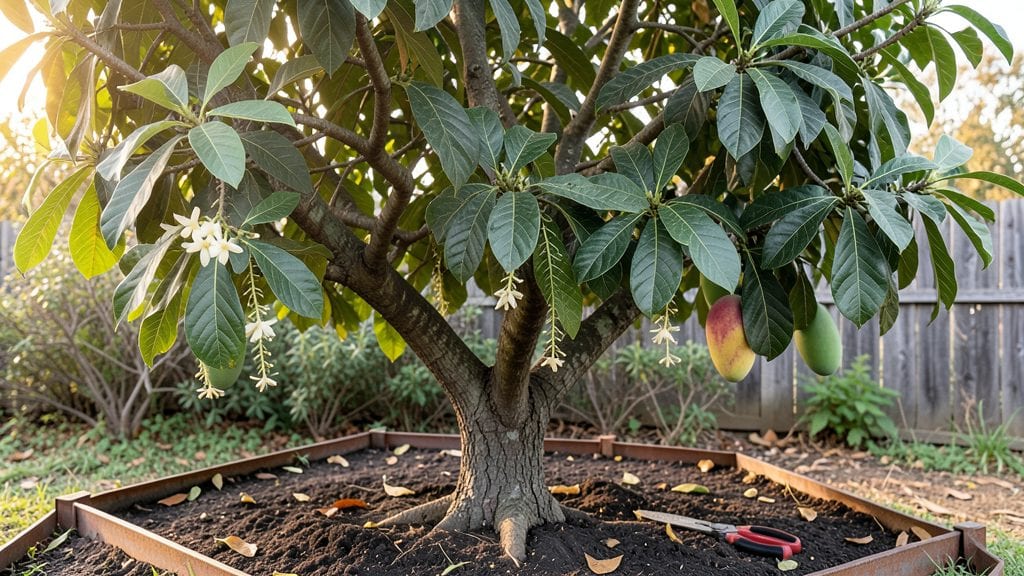
Growing an Alphonso mango tree in the Pacific Northwest is possible—but it takes heat, patience, and a few tricks. 🌿 I’ve wrestled with these finicky trees for years, and now I know exactly how to coax fruit from them even when winter lingers.
The key? Mimicking their tropical roots with microclimates, container growing, and precise care.
Start with a dwarf grafted tree in a 15-gallon container—they handle cooler nights better than full-sized varieties. Plant in well-draining soil with 50% organic matter, and place it where it gets full sun (even if that means moving it indoors during winter).
Water deeply but let the top inch dry between soakings, and fertilize monthly with a balanced citrus blend from spring through fall.
Pruning is where the magic happens. In late winter, cut back any dead wood and shape the tree to open the canopy—this lets sunlight reach developing fruit.
By summer, you’ll see tiny flowers, and with careful hand-pollination (yes, you’ll need a paintbrush), those flowers turn into golden, fragrant Alphonso mangoes by late August or September.
Here’s the twist for PNW growers: Overwinter your tree in a garage or sunroom where temps stay above 45°F. With this setup, you can harvest year-round—just keep it cozy and consistent. The first crop might be small, but each season gets better. Ready to try?
📚 In This Guide
- What you need
- Instructions
- Tips and common mistakes
- Wrapping up and next steps
What you need
- ● Alphonso Mango Tree Sapling: 1 healthy, disease-free sapling (preferably grafted for consistency). Choose a nursery-grown specimen with a sturdy trunk and vibrant leaves.
- ● Large Containers or Pots: 2–3 containers (15–20 gallons each) with drainage holes. Use lightweight, durable materials like fabric grow bags or plastic.
- ● High-Quality Potting Mix: 10–15 cubic feet of well-draining, slightly acidic mix (pH 5.5–6.5). Blend coconut coir, perlite, and compost in a 3:1:1 ratio.
- ● Slow-Release Fertilizer: 1–2 lbs of organic, citrus-friendly fertilizer (e.g., 6-6-6 or 8-3-9). Look for micronutrients like magnesium and zinc.
- ● Pruning Tools: 1 pair of bypass pruners (sharp, clean, and sterilized with rubbing alcohol).
- ● 1 pruning saw (for thicker branches, if needed).
- ● 1 hand pruner (for precision cuts on small branches).
- ● Mulch: 2–3 bags of organic mulch (e.g., straw or wood chips) to retain moisture and regulate soil temperature.
- ○ Drip Irrigation System or Hose: 1 adjustable watering setup with a timer (optional but highly recommended for consistency).
- ● Grow Lights or Sun Lamp: 1–2 full-spectrum LED grow lights (for indoor/early-stage growth in PNW winters).
- ● Thermometer & Hygrometer: 1 digital unit to monitor soil and air temperature (ideal range: 70–90°F during growth).
- ● Rooting Hormone: 1 small bottle to boost propagation success if you plan to grow from cuttings.
- ● Soil Moisture Meter: 1 probe-style meter to avoid over/under-watering.
- ● Pest Control: Neem oil (for organic pest deterrence).
- ● Sticky traps (to monitor for fruit flies or aphids).
- ● Greenhouse or Cold Frame: 1 portable setup to extend the growing season or protect young trees from frost.
- ● Tree Support Stakes: 2–3 stakes and soft ties to stabilize the tree as it grows.
- ● Compost Tea: 1 gallon of homemade or store-bought tea to enrich soil with beneficial microbes.
Step-by-Step instructions for growing an Alphonso mango tree in the Pacific Northwest
Here’s how I’ve successfully cultivated this tropical gem in cooler climates—using containers, microclimates, and seasonal tricks.
🌱 Step 1: Select and Prepare the Right Variety and Container
Alphonso mangoes thrive in USDA Zones 10-11, but you can grow them in the Pacific Northwest by choosing a dwarf or semi-dwarf variety like ‘Cogshall’ or ‘Julie’. These stay manageable while still producing fruit. I always start with a 5-gallon container—large enough for root development but portable for winter protection.
Use a well-draining potting mix (equal parts peat moss, perlite, and coconut coir) to prevent root rot. Fill the container ¾ full, leaving room for root growth. The key here is drainage—mango roots suffocate in soggy soil. Add a 2-inch layer of gravel at the bottom to ensure excess water drains away immediately.
☀️ Step 2: Position for Maximum Sun and Heat
Mangoes demand full sun (6+ hours daily) and warmth (75-90°F)—challenging in the PNW’s cooler summers. I place my tree on a south-facing patio or balcony, where it basks in reflected heat from the building. If you don’t have direct sun, supplement with a high-intensity grow light for 12-14 hours daily during spring and summer.
Watch for leaf yellowing or curling—this signals insufficient light or heat. If your microclimate dips below 60°F at night, move the tree indoors near a sunny window or under grow lights. Mangoes are tropical; they won’t tolerate prolonged cold.
💧 Step 3: Water Deeply but Sparingly
Water when the top 2 inches of soil feel dry—overwatering is the fastest way to kill a mango tree. I use a self-watering pot to maintain consistent moisture without soggy roots. In summer, water 2-3 times weekly; in winter, reduce to once every 10-14 days. Always water at the base, avoiding leaves to prevent fungal diseases like anthracnose.
Mango trees are drought-tolerant once established, but young trees need steady moisture. If the leaves droop slightly in the afternoon, it’s thirsty—water deeply until it drains from the bottom. Yellowing leaves at the tips? That’s often fluoride buildup from tap water—use rainwater or distilled water instead.
✂️ Step 4: Prune for Shape and Fruit Production
Prune in late winter or early spring before new growth begins. Remove dead, crossing, or weak branches first, then thin out 25% of the canopy to improve airflow and sunlight penetration. Mangoes fruit on new wood, so avoid heavy pruning in fall—it reduces next year’s crop.
Shape the tree into an open vase form to maximize sunlight exposure. Watch for suckers (shoots at the base)—remove them to direct energy into fruit production. If your tree flowers but doesn’t set fruit, it may need cross-pollination (hand-pollinate with a small brush if only one tree is present).
🪴 Step 5: Protect From Winter Chill and Pests
When temperatures drop below 40°F, move the tree indoors to a bright, cool (50-60°F) spot—a garage with grow lights works well. Wrap the pot in bubble wrap to insulate roots. In spring, harden off gradually by acclimating it to outdoor conditions over 10-14 days to avoid shock.
Watch for spider mites and scale insects—common in indoor environments. Spray leaves with neem oil weekly as a preventative. If you see white, waxy bumps on branches, wipe them off with a damp cloth dipped in rubbing alcohol. Mango trees are resilient but hate stress—consistent care keeps pests at bay.
Tips & tricks for perfect Alphonso mango tree cultivation
These proven strategies will help you nurture a thriving tropical tree in the Pacific Northwest's unpredictable climate.
Container Upgrade: While the 5-gallon container works for young trees, plan to upgrade to 7-10 gallons within 2-3 years as roots expand. I use fabric grow bags with drainage holes—they allow better airflow to roots than plastic containers. In Step 1, add a 3-inch layer of expanded clay pebbles instead of gravel for even better drainage and aeration.
Lighting Hack: For the critical 12-14 hours of supplemental light in Step 2, I recommend LED grow lights with a 6500K color temperature—they mimic sunlight's spectrum perfectly. Position lights 12-18 inches above the tree and adjust height as it grows. If using fluorescent bulbs, you'll need two fixtures to match LED intensity.
Watering Wisdom: The "top 2 inches dry" rule in Step 3 works, but I've found a moisture meter is worth the investment. Aim for 40-60% soil moisture—any higher risks root rot. In summer, I water every morning at the same time to establish a routine, and always let excess water drain completely before returning the pot to its saucer.
Winter Survival Strategy: When moving indoors below 40°F in Step 5, I place my tree near a south-facing window with a reflective aluminum foil backing to amplify light. This doubles the effective sunlight exposure. For the 10-14 day hardening off period, I gradually increase outdoor exposure by 1 hour daily, starting with just morning sun before moving to full sun.
Pro Tips for Alphonso Mango Tree
- These proven strategies will help you nurture a thriving tropical tree in the Pacific Northwest's unpredictable climate.
- Container Upgrade: While the 5-gallon container works for young trees, plan to upgrade to 7-10 gallons within 2-3 years as roots expand.
- Lighting Hack: For the critical 12-14 hours of supplemental light in Step 2, I recommend LED grow lights with a 6500K color temperature—they mimic sunlight's spectrum perfectly.
Frequently asked questions
Got questions about growing and maintaining your Alphonso mango tree in the Pacific Northwest? Here are some common concerns—and expert answers—to help you keep your tropical treasure thriving year-round!
How cold can an Alphonso mango tree tolerate in the PNW?
Alphonso mangoes are tropical and hate frost! While mature trees can survive brief dips to 28–30°F (-2 to -1°C), younger trees or extended cold snaps (below 32°F/0°C) will likely suffer. Grow yours in a large container for mobility or overwinter indoors near a sunny window. Pro tip: Mulch heavily and wrap the pot in bubble wrap for extra insulation!
When is the best time to prune an Alphonso mango tree in the PNW?
Prune late winter to early spring (February–March) before new growth starts. Avoid pruning in fall or winter—this can stimulate tender shoots that won’t survive PNW frosts. Focus on removing dead/diseased branches, thinning crowded growth, and shaping the tree for airflow. Never prune more than 25% of the canopy at once to avoid stress.
Can I grow an Alphonso mango tree outdoors year-round in the PNW?
Not without extra care! While possible in USDA Zones 9–11, the PNW’s chilly winters (Zones 7–8) require creative solutions. Try these:
- Container gardening: Move pots indoors (garage, greenhouse, or bright porch) when temps drop below 50°F (10°C).
- Microclimates: Plant near south-facing walls or use row covers for windbreaks.
- Dwarf varieties: Smaller trees (like ‘Cogshall’) are easier to protect.
Why isn’t my Alphonso mango tree fruiting in the PNW?
Common culprits include:
- Insufficient sunlight: Mangoes need 6+ hours of direct sun daily. PNW’s short winters mean supplementing with grow lights if indoors.
- Temperature stress: Cold snaps can delay flowering. Keep temps above 60°F (15°C) day/night for optimal blooming.
- Young age: Trees take 3–5 years to bear fruit. Be patient!
- Pollination issues: Hand-pollinate with a small brush if no bees visit.
What are the best alternatives to Alphonso mango trees for PNW growers?
If Alphonso mangoes seem too high-maintenance, consider these PNW-friendly tropical fruit trees with similar care needs:
Tree
Cold Hardiness
Fruit Time
Meiwa Kumquat
20°F (-6°C) with protection
Fall/winter
Dwarf Citrus (Calamondin)
25°F (-4°C) in containers
Year-round (with care)
Loquat
15°F (-9°C) outdoors
Late winter
Fig (e.g., ‘Chicago Hardy’)
0°F (-18°C)!
Summer
Wrapping up and next steps
Growing an Alphonso mango tree in the Pacific Northwest may seem challenging, but with the right techniques—like strategic pruning, container gardening, and seasonal care—you can unlock year-round harvests of these golden delights! 🌿✨ Whether you're a seasoned gardener or just starting, remember that patience and consistency are key.
Your efforts will soon be rewarded with juicy, sweet mangoes that taste like a taste of the tropics.
Ready to take the next step? Start by observing your tree’s growth and adjusting your pruning schedule based on its needs. Share your progress with fellow gardening enthusiasts or join local horticulture groups for tips and inspiration. Happy growing—your Alphonso mango tree awaits! 🌱🍈