
Pruning
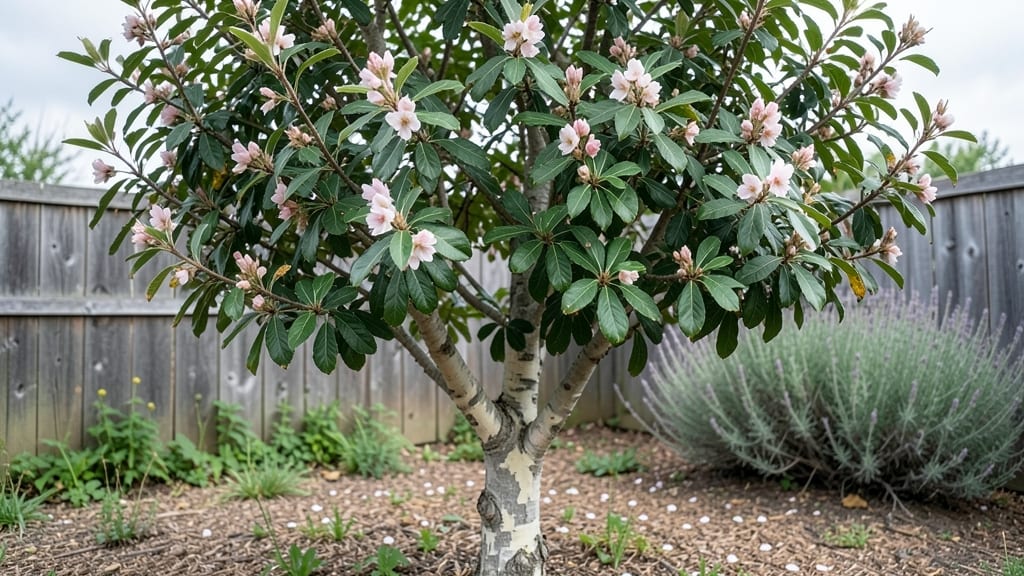
Creating a lush garden under your almond tree turns that wasted shade into a thriving, low-maintenance oasis. 🌿 The Pacific Northwest’s damp winters and hot summers make this spot perfect for shade-loving plants that flourish with minimal fuss—once you know the right approach.
I’ve transformed my own under-tree space into a fragrant, textured retreat that stays green even when the sun hides.
The key is matching plants to the tree’s dappled shade and seasonal moisture swings. Ferns, hellebores, and lungwort spread effortlessly, while dwarf rhododendrons add bursts of color without competing for water.
A thick layer of wood chips or pine needles keeps roots cool and suppresses weeds—no more battling invasive ground cover. Even in summer droughts, these plants stay hydrated longer because the tree’s canopy acts like a natural umbrella.
By next spring, you’ll have a carpet of vibrant foliage that smells like a forest floor and requires half the water of a sunny border. The shade also protects delicate perennials from scorching, while the mulch keeps soil temperatures stable year-round.
It’s the kind of garden that grows itself once you set it up right—no daily tending required.
This works equally well for established trees or young saplings, whether you’re planting directly in the soil or using containers for flexibility. The Pacific Northwest’s mild climate makes it ideal, but the principles apply anywhere with similar shade patterns. Let’s make that dark corner your most rewarding garden spot.
📚 In This Guide
- What you need
- Instructions
- Tips and common mistakes
- Wrapping up and next steps
What you need
- ● Pruning shears: Bypass pruners (for clean cuts on small branches, 4-6 inches long). Required.
- ● Loppers: 20-24 inch for medium branches (1-2 inches thick). Required.
- ● Pruning saw: Curved-tooth or folding saw for thick branches (2+ inches). Required.
- ● Gloves: Heavy-duty, cut-resistant (e.g., leather or reinforced fabric). Required.
- ● Safety goggles: Protect your eyes from debris. Required.
- ● Disinfectant (70% isopropyl alcohol or bleach solution): Clean tools between cuts to prevent disease. Required.
- ○ Pruning sealant (optional): Tree wound paint for large cuts (1/4 inch or thicker). Helps prevent infection.
- ○ Rope or tarps (optional): Secure branches during heavy pruning or windy PNW days.
- ● Ladder or stump: Sturdy, extendable (if tree exceeds 8 feet). Required for tall trees.
- ● Work boots or closed-toe shoes: For stability on uneven terrain. Required.
- ○ Extension pole pruners (optional): For high branches (10-12 feet reach).
- ● Notebook & pen: Track pruning notes (e.g., branch sizes, dates). Recommended for long-term planning.
- ○ Water & snacks: PNW pruning sessions can last hours—stay hydrated! Optional but wise.
- ● Knowledge of almond tree anatomy: Familiarize yourself with terminal buds, scaffold branches, and water sprouts.
- ● Weather check: Prune on a dry, calm day (avoid rain or high winds).
- ● Tree health assessment: Inspect for disease, pests, or dead wood before starting.
- ○ Local regulations (optional): Check if your area requires permits for large-scale pruning.
How to create a Pacific Northwest understory garden under an almond tree
Here’s how to turn that almond tree’s shade into a lush, thriving garden spot.
🌿 Step 1: Assess Light and Soil Conditions
Start by observing your almond tree’s shade patterns. The Pacific Northwest’s dappled light creates a unique microclimate—some areas get partial shade (4-6 hours of sun), while others stay in deep shade. Test soil moisture by digging a 6-inch hole; if it drains quickly, your tree’s roots are competing for water.
Use a soil test kit to check pH. Almond trees prefer slightly alkaline soil (6.5-7.5), but understory plants often thrive in slightly acidic conditions. Amend the soil with composted leaf mold to improve moisture retention without altering pH drastically. This mimics the natural forest floor environment.
🪴 Step 2: Select Shade-Tolerant Plants for Layered Beauty
Choose plants that complement the almond tree’s seasonal interest. For ground cover, opt for salal (Gaultheria shallon) or sword fern (Polystichum munitum)—both thrive in dry shade and suppress weeds. Add rhodo-dendrons or heather for spring blooms that contrast the almond tree’s winter branches.
For structure, consider Oregon grape (Mahonia aquifolium) or vine maple (Acer circinatum). These plants handle the Pacific Northwest’s damp winters and dry summers while providing year-round texture. Space them 3-5 feet apart to allow airflow and prevent fungal issues.
☀️ Step 3: Plant in Early Spring or Fall for Best Establishment
Plant in March-April or September-October when temperatures are mild and rainfall is consistent. Dig holes twice as wide as the root ball but no deeper. Gently loosen roots if they’re circling—this encourages outward growth into the native soil.
Mulch heavily with 3-4 inches of wood chips or bark to retain moisture and regulate soil temperature. Keep mulch 6 inches away from tree trunks to prevent rot. Water deeply after planting, then let the soil dry slightly between waterings—overwatering in shade can lead to root rot.
💧 Step 4: Maintain Water and Nutrients Without Overdoing It
Understory plants need consistent moisture but hate soggy roots. Water once a week during the first growing season, then taper to every 2-3 weeks once established. Use a rain gauge to track precipitation—you may need to supplement only during dry spells.
Fertilize lightly in early spring with a balanced organic fertilizer (10-10-10). Almond trees are heavy feeders, so avoid high-nitrogen blends that could encourage leafy growth at the expense of flowers. Instead, focus on phosphorus and potassium to support root development.
✂️ Step 5: Prune and Monitor for Long-Term Health
Prune dead or diseased branches in late winter. Remove any understory plants that outgrow their space—crowding stresses roots and invites pests. Thin foliage in late summer if growth becomes too dense, allowing better air circulation and sunlight penetration.
Watch for aphids or spider mites, which thrive in shaded, humid conditions. Spray with neem oil if you spot sticky residue on leaves. A healthy understory garden under an almond tree should require minimal intervention—just occasional pruning and mulch top-ups to keep it thriving year-round.
Tips & tricks for perfect Pacific Northwest understory gardens
Transforming your almond tree's shade into a thriving garden takes a few key insights about the Pacific Northwest's unique climate.
Light Mapping Strategy: I learned this the hard way after planting ferns in deep shade that never thrived. Use a flashlight to track sunlight patterns throughout the day—mark areas with 4-6 hours of sun for shade-tolerant plants like rhododendrons, and reserve deeper shade spots for ferns that prefer minimal light. This simple mapping prevents costly mistakes with plant placement.
Soil Preparation Tip: The 6-inch soil test hole in Step 1 is your best friend for understanding moisture dynamics. If water drains within seconds, your almond tree's roots are competing for water—this means you'll need to prioritize drought-tolerant plants like salal or Oregon grape. For slower drainage, amend with composted leaf mold to create that perfect forest-floor environment without altering pH.
Plant Spacing Secret: Don't just follow the 3-5 feet spacing guideline—consider your plants' mature sizes. Vine maples can grow much wider than their initial spacing suggests. I recommend planting them 6-8 feet apart if you want to avoid future crowding issues that lead to fungal problems. This extra space pays off in healthier plants with better airflow.
Mulching Mastery: The 3-4 inches of wood chips you'll use in Step 3 should be spread evenly but kept 6 inches away from tree trunks. For best results, I recommend using a mix of hardwood chips and pine bark fines—the bark fines help retain moisture while the hardwood chips break down slowly. Replenish mulch annually to maintain that 2-inch minimum thickness—this consistent coverage is what keeps your understory garden thriving year-round.
Pro Tips for Under The Almond Tree
- Transforming your almond tree's shade into a thriving garden takes a few key insights about the Pacific Northwest's unique climate.
- Light Mapping Strategy: I learned this the hard way after planting ferns in deep shade that never thrived.
- Soil Preparation Tip: The 6-inch soil test hole in Step 1 is your best friend for understanding moisture dynamics.
Frequently asked questions
about caring for your Pacific Northwest almond tree shade haven—because every gardener deserves a little clarity!When is the best time to prune my almond tree for optimal shade?
Prune your almond tree in late winter or early spring (before buds swell) to avoid stressing the tree. This timing encourages vigorous growth while minimizing disease risk. Avoid pruning in fall, as wounds may not heal before winter. For young trees, light shaping prunes can also happen in summer to guide growth.
How do I protect my almond tree from Pacific Northwest winters?
Almond trees are moderately cold-hardy, but young trees or grafted varieties may need extra care. Mulch the base with 4–6 inches of wood chips to insulate roots, and wrap the trunk with tree guard to prevent sunscald. Water deeply before the first frost to help roots withstand cold. Most mature trees thrive without additional protection!
Can I grow other shade plants under my almond tree?
Opt for shade-tolerant companions like dwarf rhododendrons, ferns, or wild ginger. Avoid competitive plants like blackberries or large shrubs that steal moisture and nutrients. Dappled shade from almond trees creates a microclimate perfect for ferns, hostas, and even some vegetables like lettuce in cooler months.
Why are my almond tree’s leaves yellowing or dropping?
Yellowing leaves often signal nutrient deficiencies (like nitrogen or zinc) or overwatering. Check soil moisture—almond trees prefer well-draining soil. If leaves curl or drop prematurely, it could be aphids or spider mites. Treat with neem oil or insecticidal soap, and ensure proper airflow by pruning dense branches.
How long does it take for an almond tree to provide full shade?
Expect partial shade within 3–5 years for a young tree, but full canopy shade typically takes 7–10 years, depending on variety and growing conditions. Dwarf varieties mature faster (5–7 years), while standard trees may take a decade. Patience pays off—your future shade haven is worth the wait! →
Wrapping up and next steps
Under the almond tree in the Pacific Northwest isn’t just a cozy retreat—it’s a year-round masterpiece of shade, beauty, and care. From pruning for winter resilience to nurturing spring blooms, these trees reward patience with stunning foliage, delicious nuts, and a serene haven. Whether you’re a seasoned gardener or just starting, the key is consistent love and strategic trimming.
🌿 Ready to transform your space? Start small—pick one pruning task this season, and watch your almond tree thrive! Your future shade haven awaits!