
Pruning
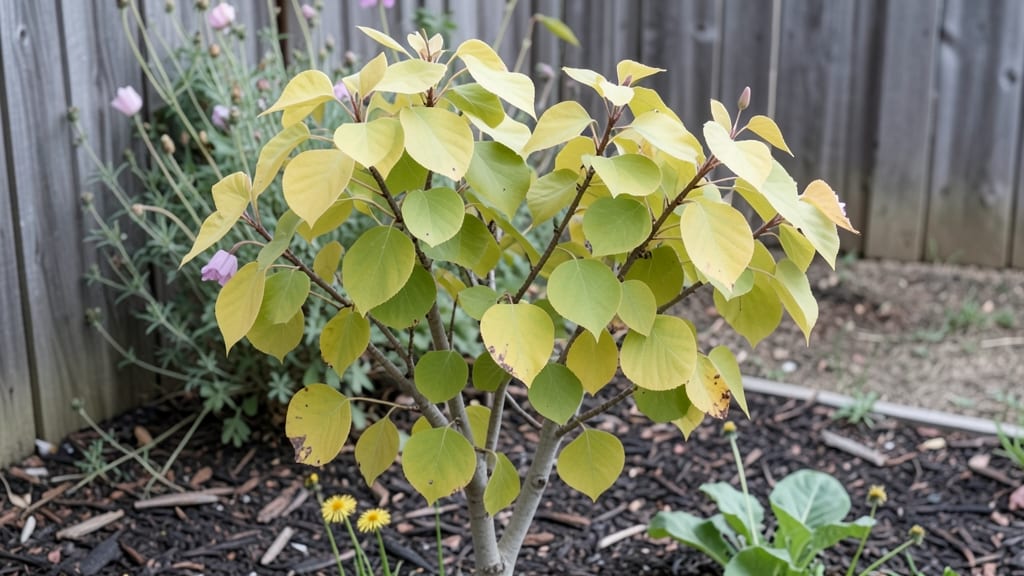
The golden heart tree brings sunlit cheer to Pacific Northwest gardens with its glossy, variegated foliage that thrives where other plants struggle. I’ve grown mine for five years now—it’s the one plant that looks fresh year-round, even through our gray winters.
The secret lies in its adaptability: it handles shade, drought, and even urban pollution better than most evergreens.
This tree loves part shade to full sun and tolerates a wide range of soils, from sandy to clay—just avoid waterlogged spots. In my zone 7 garden, it’s never needed more than deep watering once a week during summer droughts, and it rebounds beautifully after pruning.
The real magic? It stays compact (3–5 feet tall) without needing constant trimming, making it perfect for borders, containers, or even as a striking houseplant.
By late spring, you’ll notice new growth emerging with those signature golden-yellow centers, creating a cascading effect that brightens any space. Mine gets compliments year-round, and the best part?
It’s deer-resistant—a lifesaver for PNW gardeners. Whether you’re filling a shady corner or adding height to a patio planter, this tree delivers effortless elegance with almost no fuss.
For those in zones 7–10, it’s a foolproof choice, but even in cooler climates, it thrives in containers where you can overwinter it indoors. The only challenge?
Avoid overwatering—yellowing leaves are its only way of saying “back off.” Once established, it’s basically indestructible, which is why it’s become my go-to for low-maintenance greenery.
📚 In This Guide
- What you need
- Instructions
- Tips and common mistakes
- Wrapping up and next steps
What you need
- ● Pruning shears: Bypass pruners (sharp, clean, and disinfected with rubbing alcohol or a 10% bleach solution). Spec: 6–8" blades for small branches.
- ● Loppers: For thicker branches (½"–1" diameter). Spec: 18–24" reach with a bypass blade.
- ● Pruning saw: For branches >1" thick. Spec: Curved-tooth saw for clean cuts.
- ● Gloves: Heavy-duty gardening gloves (cut-resistant, nitrile-coated for grip).
- ● Disinfectant: 70% isopropyl alcohol or copper-based fungicide (to prevent disease spread).
- ● Trash bags: 13-gallon contractor bags (for debris).
- ● Step stool or ladder: Sturdy, non-slip (extendable ladder for taller trees).
- ○ Marking twine or flags: For tagging branches to remove (optional but helpful for complex pruning).
- ● Hand pruners with ratcheting handles: Reduces hand fatigue for long sessions.
- ● Pruning sealant: Wound dressing (e.g., Tanglefoot Tree Wound Pruning Seal) for large cuts (controversial—skip if you prefer natural healing!).
- ● Safety glasses: Protects eyes from debris.
- ● Notebook & pen: To sketch your pruning plan before diving in.
- ● Hose with spray nozzle: For post-pruning cleanup.
How to plant and care for a golden heart tree
This stunning evergreen thrives with minimal fuss—here’s how to set it up for years of lush, sunlit foliage.
Select the Perfect Planting Site
The golden heart tree (Pittosporum tobira ‘Golden Heart’) loves bright, indirect light but tolerates partial shade, making it ideal for Pacific Northwest gardens. Choose a spot with 4-6 hours of morning sun and afternoon shade to prevent leaf scorch. In denser shade, the golden foliage may fade to green, but the plant remains healthy.
Check soil drainage before planting—this tree despises soggy roots. Dig a hole twice as wide as the root ball but no deeper. Amend heavy clay soil with 2-3 inches of compost mixed into the bottom of the hole. The golden heart tree adapts to most soil types but flourishes in well-draining, slightly acidic conditions (pH 5.5-6.5).
Plant with Proper Spacing and Support
Dig the hole and gently remove the tree from its container, loosening any circling roots with your fingers. Place the root ball in the hole so the top sits 1 inch above ground level—this prevents water from pooling around the stem. Fill the hole with native soil, pressing lightly to eliminate air pockets.
Space multiple trees 6-8 feet apart for a natural, layered look. In windy areas, stake the tree temporarily with 2-3 stakes and soft ties to help it establish before it develops a strong root system. Water deeply after planting to settle the soil and encourage root expansion.
Water Consistently During Establishment
Keep the soil evenly moist for the first 6-8 weeks after planting—water when the top 2-3 inches of soil feel dry. Overwatering is the biggest mistake; let excess water drain completely to avoid root rot. Once established, the golden heart tree becomes drought-tolerant but appreciates 1 inch of water weekly during dry spells.
Mulch around the base with 2-3 inches of organic mulch, keeping it 6 inches away from the trunk to prevent moisture buildup. This conserves soil moisture and regulates temperature, especially in hot summers. Avoid heavy mulch layers, which can suffocate roots.
Prune for Shape and Health
Prune in late winter or early spring before new growth begins. Remove dead, diseased, or crossing branches first, then shape the tree to encourage a full, bushy form. Cut just above a leaf node at a 45-degree angle to promote healing. Avoid heavy pruning—this tree responds best to light trimming.
Fertilize lightly in early spring with a balanced, slow-release fertilizer (10-10-10) to support new growth. Skip fertilizer in the first year unless the soil is extremely poor. Yellowing leaves often signal overwatering or nutrient imbalance—adjust care accordingly.
Monitor for Pests and Disease
The golden heart tree is generally pest-resistant, but watch for spider mites or scale in dry conditions. Spray infested areas with neem oil or insecticidal soap if needed. Fungal issues like powdery mildew can appear in humid climates—improve airflow by pruning dense branches and avoid overhead watering.
This tree’s golden foliage fades to green in deep shade, but it remains healthy. If you notice leaf drop, check for sudden temperature swings or root disturbance. With proper care, the golden heart tree grows 12-18 inches per year and can reach 10-15 feet tall, making it a long-lived, low-maintenance centerpiece.
Tips & tricks for perfect golden heart tree planting and care
Transforming your Pacific Northwest garden into a golden foliage paradise starts with these essential insights that go beyond the basics.
Lighting Strategy: The 4-6 hours of morning sun mentioned in Step 1 is critical for maintaining that vibrant golden hue. Position your tree where it receives gentle morning rays but avoid harsh afternoon sun, which can scorch the delicate foliage. In denser shade, you'll notice the golden color gradually fading to green, but the tree will remain healthy—just not as visually striking. Consider adding a small tree or shrub nearby to create a natural light filter if your yard receives intense afternoon sun.
Soil Preparation Insight: When amending heavy clay soil with 2-3 inches of compost as specified, mix it thoroughly into the bottom of the hole rather than just placing it there. This creates a nutrient-rich foundation that encourages robust root development. For even better results, consider adding a handful of sulfur to lower the pH to that ideal 5.5-6.5 range, especially if your native soil is alkaline. The golden heart tree will reward you with more vibrant foliage when its soil conditions are just right.
Watering Wisdom: The 6-8 week establishment period requires consistent moisture, but timing matters as much as quantity. Water deeply in the morning to allow excess moisture to evaporate during the day, preventing fungal issues. When checking soil moisture, insert your finger 2-3 inches deep—this is where the roots are actively growing. If the soil feels dry at this depth, it's time to water. Overwatering during this critical period is the most common mistake that leads to root rot.
Pruning Precision: When pruning in late winter or early spring, focus on removing no more than 25% of the tree's foliage at any one time. The 45-degree angle cut mentioned for shaping encourages faster healing and prevents disease entry points. For shaping, use hand pruners for smaller branches and loppers for thicker stems. Always sterilize your tools with rubbing alcohol between cuts to prevent spreading any potential diseases between branches.
Pro Tips for Golden Heart Tree
- Transforming your Pacific Northwest garden into a golden foliage paradise starts with these essential insights that go beyond the basics.
- Lighting Strategy: The 4-6 hours of morning sun mentioned in Step 1 is critical for maintaining that vibrant golden hue.
- Soil Preparation Insight: When amending heavy clay soil with 2-3 inches of compost as specified, mix it thoroughly into the bottom of the hole rather than just placing it there.
Frequently asked questions
Got questions about the stunning Golden Heart Tree? You’re not alone! Here are some of the most common queries from gardeners and landscapers in the Pacific Northwest—plus quick answers to help you care for this evergreen beauty with confidence.
What’s the best time of year to prune a Golden Heart Tree?
The ideal time to prune is late winter or early spring (February–March), just before new growth begins. This timing minimizes stress on the tree and encourages healthy, vibrant foliage. Avoid pruning in fall, as it can stimulate tender new growth that may not survive winter’s chill. Pro tip: If you spot dead or diseased branches anytime, remove them promptly to keep your tree thriving!
How much can I trim back a Golden Heart Tree without harming it?
You can safely remove up to 25% of the tree’s foliage in a single pruning session, but avoid cutting back more than 10% annually to prevent stress. Focus on shaping, thinning out crowded branches, and removing suckers or water sprouts. The Golden Heart Tree is forgiving, but never top the tree—this can stunt growth and weaken its structure.
Do I need special tools to prune a Golden Heart Tree?
Basic tools will do the job! Use bypass pruners for small branches (under ½ inch), loppers for medium-sized limbs (½–2 inches), and a pruning saw for thicker branches. Sterilize your tools with rubbing alcohol between cuts to prevent disease spread. A ladder or pole pruner may also help if your tree is tall. Pro tip: Sharp tools = cleaner cuts = faster healing!
How does the Golden Heart Tree handle Pacific Northwest rain and wind?
This evergreen is naturally resilient to the PNW’s wet, windy climate! Its dense, glossy foliage sheds water well, and its sturdy branches resist breakage. However, prune after heavy storms to remove any damaged limbs promptly. For extra wind protection, plant it in a slightly sheltered spot (like near a fence or building) if your yard is particularly exposed.
What’s a good alternative if I can’t find a Golden Heart Tree?
If your local nursery is out of stock, consider these low-maintenance, evergreen alternatives with similar vibrancy:
- Emerald Green Arborvitae – Dense, columnar, and drought-tolerant.
- Dwarf Oregon Grape Holly – Compact, glossy, and thrives in shade.
- Sky Pencil Holly – Narrow, upright, and perfect for small spaces.
- Green Pillow Boxwood – Rounded, evergreen, and great for hedges.
Wrapping up and next steps
The Golden Heart Tree is a true gem of the Pacific Northwest—easy to care for, stunning in appearance, and perfect for adding year-round color to your landscape. With its low-maintenance needs and resilient nature, it’s an ideal choice for both beginners and seasoned gardeners alike.
Ready to bring this beauty into your outdoor space? Start by gathering your tools, then follow the pruning tips shared here to keep your Golden Heart Tree thriving. Your garden (and future visitors) will thank you! 🌿✨