
Trees
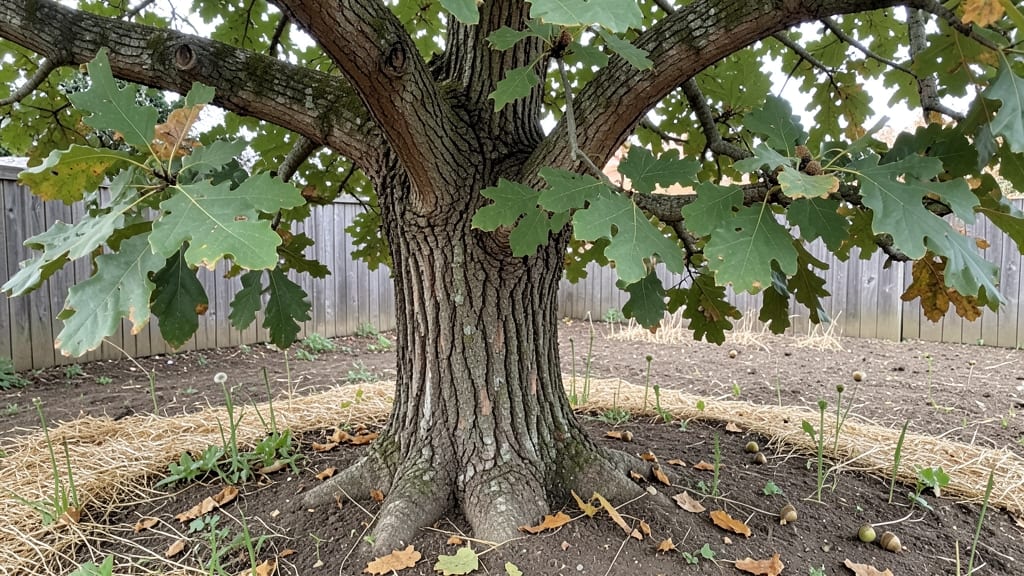
Garden under oak trees in the Pacific Northwest without fighting the shade or leaf litter. 🌿 The dappled light and rich soil create a magical space, but most plants struggle here—until you learn the right approach.
I’ve turned my oak-shaded yard into a thriving woodland garden where ferns unfurl, dogwood blooms, and hostas stay lush all summer.
The secret lies in embracing the oak’s natural rhythm: mulch heavily with wood chips to smother weeds and retain moisture, then layer plants that love deep shade and acidic soil.
Hellebores, lungwort, and Oregon grape thrive where others fail, while containers let you experiment with sun-loving annuals near the tree’s edges. Even the fallen leaves become part of the design—composted into rich humus or left to create a carpet of gold in autumn.
You’ll end up with a garden that feels wild yet intentional, where every season reveals new textures and colors. The air stays cooler, the space more peaceful, and the maintenance lighter than a full-sun garden.
Plus, you’ll finally break free from the "nothing grows here" mindset—this is where shade-loving plants shine.
Whether you’re working with a mature oak or planting new shade-tolerant trees, these techniques adapt to any Pacific Northwest yard. Let’s make the most of that natural privacy screen without the headaches.
📚 In This Guide
- What you need
- Instructions
- Tips and common mistakes
- Wrapping up and next steps
What you need
- ● Oak tree seedlings or saplings: Choose native species like Quercus garryana (Oregon white oak) or Quercus robur (English oak) for the PNW climate. Quantity: 3–5 per 100 sq. ft. for dense coverage.
- ● High-quality soil: Mix native topsoil with compost (ratio: 70/30) for nutrient-rich planting beds.
- ● Mulch: Wood chips or bark (3–4 inches thick) to retain moisture and suppress weeds.
- ○ Tree supports (optional but recommended):strong> Sturdy stakes (4–6 ft tall) + biodegradable ties for young trees.
- ● Shovel/spade (for digging holes 2–3x wider than root balls).
- ● Wheelbarrow (for hauling soil/mulch).
- ● Pruners (sharp, sterilized for trimming).
- ● Watering can/hose (with gentle spray nozzle).
- ● Measuring tape (to mark planting spacing: 15–25 ft apart for mature oaks).
- ● Check local regulations—some areas restrict oak species or require permits for large plantings.
- ● Test soil pH (oaks prefer slightly acidic to neutral, 6.0–7.0). Adjust with lime or sulfur if needed.
- ● Plan for long-term care: Oaks thrive with minimal intervention but need 1–2 inches of water weekly for the first 2 years.
How to create a thriving understory garden under oak trees
Turn that shady spot beneath your Pacific Northwest oaks into a lush, low-maintenance garden.
🌱 Step 1: Test Soil and Prepare the Space
Oak trees create dense shade and acidic soil, so start by testing your soil's pH with a simple kit. Pacific Northwest oaks often produce soil with a pH between 5.0 and 6.0, which is perfect for many shade-loving plants. If your test shows lower than 5.0, add 1-2 pounds of garden lime per 100 square feet and mix it into the top 6 inches of soil.
Clear away any fallen leaves or debris, but leave a 2-3 inch layer of composted oak leaves—they'll gradually enrich the soil as they break down. Avoid disturbing the oak's root zone by keeping your garden area at least 10 feet away from the trunk. This prevents competition and keeps your plants healthy.
💧 Step 2: Select the Right Plants for Moisture and Shade
Choose plants that thrive in dappled shade and moist, well-draining soil. Pacific Northwest natives like sword ferns, salal, and Oregon grape are excellent choices—they handle the shade, tolerate acidic soil, and provide texture. For color, add heuchera (coral bells) or bleeding heart, which bloom beautifully in partial shade.
Space your plants 12-18 inches apart, depending on their mature size. Larger shrubs like rhododendrons or pieris should go at the edges of your garden area, while smaller perennials like saxifrages or foamflower can fill in the gaps. Mulch with 3-4 inches of shredded bark or wood chips to retain moisture and suppress weeds—this is especially important under oaks, where light barely reaches the ground.
☀️ Step 3: Water Deeply and Establish a Routine
Water newly planted shade-loving perennials deeply once a week for the first 6-8 weeks, ensuring the soil stays moist but not soggy. Oak trees create a dry microclimate, so consistent moisture is key. Use a soaker hose or drip irrigation to deliver water slowly at the base of plants—this prevents runoff and encourages deep root growth.
After the initial establishment period, most shade plants will only need watering every 2-3 weeks, depending on rainfall. Check the soil 1 inch below the surface—if it feels dry, it’s time to water. Avoid overhead watering, which can promote fungal diseases in dense shade. Instead, focus on keeping the root zone consistently moist.
✂️ Step 4: Maintain and Protect Your Understory Garden
Prune back any aggressive growth from the oak’s roots or branches that encroach on your garden. Use clean, sharp pruners to trim back invasive roots or branches that threaten your plants. This keeps your garden tidy and prevents competition for nutrients. In late winter, remove any dead or damaged foliage from your shade plants to encourage new growth.
Watch for acorn production—oaks can drop a lot of them, which may sprout into unwanted seedlings. Pull these out early to avoid competition. Fertilize lightly in early spring with a balanced, slow-release fertilizer (like 10-10-10) if your plants show signs of nutrient deficiency, such as yellowing leaves. But be cautious—too much fertilizer can harm shade plants.
🌿 Step 5: Enjoy and Expand Your Shady Oasis
Once your garden is established, sit back and enjoy the lush, green retreat you’ve created. Over time, your shade plants will grow denser, providing even more privacy and beauty. If you notice any gaps, add ground covers like creeping phlox or wild ginger to fill them in naturally.
Every few years, top off the mulch layer to 3-4 inches to keep weeds at bay and retain moisture. With minimal care, your under-oak garden will thrive for years, offering a serene escape from the sun. The key is patience—shade gardens build slowly but reward you with a peaceful, evergreen haven.
Tips & tricks for thriving understory gardens under oak trees
Creating a lush garden under Pacific Northwest oaks takes patience and the right approach. Here are my go-to tips to help you avoid common pitfalls and create a thriving understory that complements your oak trees.
Soil pH Precision: When testing your soil's pH in Step 1, aim for that 5.0-6.0 range—this is perfect for most shade-loving plants. If you need to adjust, remember that garden lime should be mixed into the top 6 inches of soil. I've found that spreading it evenly and watering well helps it integrate faster. For a quick check, use a simple pH test kit available at garden centers—no need for expensive lab tests.
Plant Placement Strategy: In Step 2, when spacing your plants 12-18 inches apart, place taller plants like rhododendrons toward the edges of your garden area. This creates a natural tiered effect and prevents them from shading out smaller perennials in the center. I always arrange plants with their mature sizes in mind—this saves future pruning headaches and creates a more balanced look right from the start.
Watering Wisdom: The 6-8 week deep watering routine in Step 3 is crucial, especially since oak trees create dry microclimates. I recommend using a soaker hose for 30 minutes per session—this delivers consistent moisture without wetting the foliage, which helps prevent fungal diseases. Early morning watering is ideal as it allows plants to dry out during the day, reducing disease risk.
Mulch Maintenance: That 3-4 inch layer of mulch in Step 2 and Step 5 isn't just for looks—it's a game-changer for moisture retention and weed suppression. I refresh mine every spring, adding a fresh layer to maintain the depth. For best results, use shredded bark or wood chips that break down slowly. Avoid piling mulch against plant stems to prevent rot and create a donut-shaped barrier around each plant.
Pro Tips for Under Oak Trees
- Creating a lush garden under Pacific Northwest oaks takes patience and the right approach.
- Soil pH Precision: When testing your soil's pH in Step 1, aim for that 5.0-6.0 range—this is perfect for most shade-loving plants.
- Plant Placement Strategy: In Step 2, when spacing your plants 12-18 inches apart, place taller plants like rhododendrons toward the edges of your garden area.
Frequently asked questions
about using oak trees as privacy screens in the Pacific Northwest—here are the answers to common queries!What’s the best type of oak tree for a privacy screen in the PNW?
For the Pacific Northwest, white oak (Quercus alba) and garry oak (Quercus garryana) are top choices—they’re drought-tolerant, fast-growing, and thrive in the region’s climate. Avoid red oak if you want fewer acorns and less mess!
How long does it take for an oak tree to provide full privacy?
Oak trees grow at about 1–2 feet per year, so a 10-foot-tall screen may take 5–10 years for full coverage. Planting multiple saplings close together speeds up the process—just ensure they have enough space to avoid root competition!
Do oak trees need extra care in the PNW’s rainy climate?
Oaks are generally low-maintenance, but well-draining soil is key—PNW’s wet winters can lead to root rot. Mulch around the base (but not the trunk!) to regulate moisture and protect roots. Avoid overwatering once established!
What are some alternatives if oak trees aren’t available?
Consider evergreen options like Douglas fir or Western red cedar for year-round privacy, or deciduous choices like bigleaf maple or vine-covered trellises (e.g., clematis or ivy) for faster results.
Will oak trees attract pests like squirrels or insects?
Yes! Acorns draw squirrels, and oak trees can host borers or aphids. Regularly inspect leaves for damage and use neem oil or hose-downs to deter pests. Healthy trees are less vulnerable—so prune dead branches and keep the area clear!
How far apart should I plant oak trees for a dense screen?
Space saplings 15–20 feet apart for a natural, dense look. Closer spacing (10–12 feet) speeds up coverage but may require thinning later. Always check the mature size of your oak variety to plan spacing!
Wrapping up and next steps
There’s something magical about the Pacific Northwest’s oak trees—they’re not just beautiful, they’re the ultimate natural privacy screen, blending strength with serene beauty. Whether you’re dreaming of a cozy backyard retreat or a low-maintenance border, these giants deliver shade, shelter, and timeless charm. 🌳✨
Ready to transform your space? Start small—plant a sapling today or sketch your vision under that oak you’ve always admired. Every root you nurture is a step toward a greener, more private tomorrow!