
Light Requirements
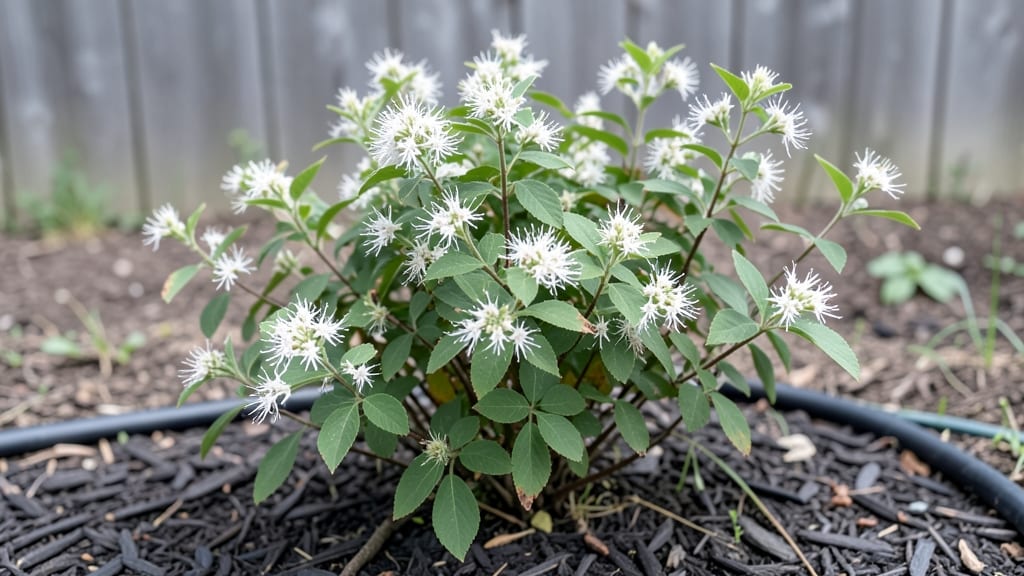
Small shade-tolerant trees transform forgotten corners into lush, living spaces without stealing sunlight from your prized perennials. 🌿 I’ve turned my darkest garden nook into a dappled-light retreat using just three carefully chosen trees—no harsh competition for light, just elegant layers of foliage and seasonal interest.
The right species can handle 4+ hours of shade daily while still growing into graceful canopies that feel like a forest in miniature.
Japanese maples, dogwoods, and serviceberries top the list for their adaptability and beauty. These trees thrive where sun-lovers fail, offering year-round structure with delicate leaves, striking bark, or clusters of berries.
They’re perfect for understory plantings, privacy screens, or as focal points in woodland-style gardens—no need for a full sun plot to make them shine. Spacing them 8–12 feet apart ensures they mature without crowding, leaving room for companion plants like ferns, hostas, or shade-loving annuals.
What you’ll love most is how they soften harsh lines in modern landscapes or blend seamlessly into cottage garden chaos. A single dogwood’s white blooms in spring or a Japanese maple’s fiery fall foliage turns even the dullest corner into a conversation piece.
These trees grow slowly, so they won’t outpace your other plants—just provide steady moisture and well-draining soil, and they’ll repay you with decades of low-maintenance elegance.
For cottage gardens, mix them with hydrangeas and astilbes; for modern spaces, pair them with ornamental grasses and hellebores. The key is letting their natural shapes guide the design—no forced symmetry needed.
Start with one or two to test your shade conditions, then expand as you see what thrives. Your garden’s quietest spots will become its most enchanting.
📚 In This Guide
- What you need
- Instructions
- Tips and common mistakes
- Wrapping up and next steps
What you need
- ● Shade-tolerant tree saplings: 1–3 plants (species like Dwarf Ficus, Japanese Maple, or Eastern Redbud—check local nurseries for hardiness zones).
- ● High-quality potting soil: 2–3 bags (1 cubic foot each) or a shade-tolerant mix with compost.
- ● Containers or planting holes: For containers: 1–3 pots (15–20 gallons each) with drainage holes.
- ● For in-ground: Shovel, trowel, and a 5-gallon bucket for backfilling.
- ● Organic mulch: 1–2 bags (pine bark or shredded leaves) to retain moisture.
- ● Slow-release fertilizer: 1–2 packets (10-10-10 or balanced formula).
- ○ Basic tools: Garden gloves, pruners (sterilized), hand trowel, and a moisture meter (optional but helpful).
- ● Watering supplies: Hose with a gentle spray nozzle or a 5-gallon watering can.
- ● Sunlight assessment: Confirm your spot gets daily (use a light meter app if unsure).
- ● Weather check: Plant on a cool, cloudy day or early morning to reduce transplant shock.
- ● ✨ Test your soil: A pH test kit ensures your soil is slightly acidic to neutral (6.0–7.0).
- ● 🌡️ Acclimate container plants: Gradually expose potted trees to outdoor conditions for 3–5 days before planting.
- ● 🎯 Mark the spot: Use stakes or spray paint to outline planting areas for precision.
Step-by-Step guide to planting small shade-tolerant trees
Here's how to create a lush, low-light garden with trees that thrive in shade and won't outgrow your space.
🌱 Step 1: Choose the Right Trees for Your Space
Select trees that mature at under 15 feet tall and tolerate partial to full shade (4-6 hours of sunlight daily). Japanese maples (Acer palmatum) grow slowly and cast delicate shade, while serviceberry (Amelanchier) produces white flowers and edible berries. Dwarf fothergilla (Fothergilla gardenii) offers fragrant spring blooms and brilliant fall color.
Check your hardiness zone—most shade-tolerant trees thrive in zones 5-8. For example, katsura trees (Cercidophyllum japonicum) love humidity and partial shade, while witch hazel (Hamamelis) blooms in late winter. I always verify the mature size on the tag before buying—some "small" trees grow to 20 feet!
🪴 Step 2: Prepare the Planting Site
Dig a hole twice as wide as the tree's root ball but only as deep. Loosen the soil at the bottom with a shovel to encourage root growth. Amend heavy clay with 2-3 inches of compost mixed into the native soil—this improves drainage and nutrient availability without overwhelming the tree.
Test the site for shade patterns throughout the day. Trees like dogwood (Cornus florida) need morning sun and afternoon shade, while inkberry holly (Ilex glabra) tolerates deep shade. Avoid planting under existing trees with aggressive roots—competition will stunt growth.
☀️ Step 3: Plant with Proper Spacing and Support
Place the tree so the top of the root ball sits 1-2 inches above ground level—this prevents soil from settling and smothering the trunk. Spread roots gently if they're circling and fill the hole with native soil, tamping lightly to remove air pockets. Water deeply to settle the soil around roots.
Stake only if needed—young trees with shallow roots (like Japanese maples) benefit from one stake and a spiral tie to prevent wind rock. Mulch with 2-3 inches of wood chips, keeping it 6 inches away from the trunk to avoid rot. Water 1-2 times per week until established (about 1 year for small trees).
💧 Step 4: Maintain Through the First Growing Season
Water when the top 2 inches of soil feel dry—overwatering suffocates roots in shade. Fertilize lightly in spring with a balanced 10-10-10 formula (½ the recommended dose) to avoid burning tender roots. Prune only to remove dead branches or shape the canopy—never "thin" a young tree.
Watch for signs of stress: yellowing leaves may mean too much shade, while crispy edges signal underwatering. I always check the undersides of leaves for pests like spider mites, which thrive in dry shade. Aphids are common on new growth—blast them off with water if you spot them.
⏰ Step 5: Plan for Long-Term Care and Expansion
After the first year, reduce watering to once every 2 weeks (unless it's extremely dry). Most shade-tolerant trees establish deep roots by then. Prune in late winter to remove crossing branches and encourage an open canopy—this prevents disease and improves airflow.
Add companion plants like hostas or ferns under the tree once the canopy closes. I like planting heuchera (coral bells) for color—their shallow roots won’t compete with the tree. Rotate trees every few years to fill gaps and create a layered, natural look.
Tips & tricks for perfect small shade-tolerant trees
Here's what nobody tells you about creating a thriving shade garden that won't overwhelm your space.
Selection Tip: Always check the mature height on the plant tag—what looks "small" in the nursery can easily grow to 20 feet! I learned this the hard way after planting a "dwarf" tree that outgrew its spot in just three years. Stick to varieties labeled "miniature" or "dwarf" when space is limited. For instant visual impact, Japanese maples offer stunning foliage in compact forms, while serviceberry delivers both beauty and edible fruit.
Planting Strategy: In Step 2, when preparing the site, test for moisture retention by digging a small hole and filling it with water. If it drains within 10 minutes, your soil needs the 2-3 inches of compost to improve water-holding capacity. For clay-heavy soils, mix in additional compost to prevent waterlogging, which can suffocate roots. I always add a handful of organic matter to the bottom of the planting hole before backfilling.
Long-Term Planning: The 1-2 inches above ground level placement in Step 3 is critical for preventing trunk rot. Use a level to ensure the tree sits perfectly straight—uneven planting can cause stress and poor growth. For windy areas, install the stake before planting rather than after, and secure it loosely enough to allow the tree to sway slightly. This helps strengthen the trunk naturally over time.
Companion Planting: When adding understory plants like heuchera in Step 5, choose varieties that mature at under 18 inches tall to avoid competing with your shade tree. I recommend spacing them 12-18 inches apart around the tree's drip line. This creates a layered effect while preventing root competition. Mulch with leaf litter or shredded bark to maintain moisture and suppress weeds without smothering the tree's base.
Pro Tips for Small Shade Tolerant Trees
- Here's what nobody tells you about creating a thriving shade garden that won't overwhelm your space.
- Selection Tip: Always check the mature height on the plant tag—what looks "small" in the nursery can easily grow to 20 feet!
- Planting Strategy: In Step 2, when preparing the site, test for moisture retention by digging a small hole and filling it with water.
Frequently asked questions
Got questions about small shade-tolerant trees?
Here are answers to the most common ones—so you can plant with confidence!
What are the fastest-growing small shade-tolerant trees?
Look for varieties like Amelanchier canadensis (serviceberry) or Cornus sericea (red osier dogwood), which grow 1-2 feet per year in ideal conditions. For even quicker results, opt for Fothergilla gardenii (dwarf witch alder), which matures faster in partial shade.
When is the best time to plant shade-tolerant trees?
Plant in early spring or fall when soil is moist but not frozen. Avoid extreme heat or drought—young roots need time to establish before summer stress. Pro tip: Water deeply after planting and mulch to retain moisture!
Can I grow shade-tolerant trees in containers?
Yes! Dwarf varieties like Prunus serrulata 'Kwanzan' (flowering cherry) or Cercis canadensis 'Forest Pansy' thrive in 15-25 gallon pots with well-draining soil. Just ensure the container has drainage holes and move it to partial shade during peak sun.
Why is my shade-tolerant tree not growing?
Check these common issues:
- Too much shade: Even shade-tolerant trees need 2-4 hours of indirect light daily.
- Poor soil: Amend heavy clay or sandy soil with compost for better nutrients.
- Overwatering: Root rot can kill young trees—water only when the top 1-2 inches of soil are dry.
What’s a good alternative if I have very low light?
If your space gets less than 2 hours of light, try Dwarf Japanese Maple (Acer palmatum 'Crimson Queen') or Boxwood (Buxus sempervirens). Both handle deep shade but grow slowly—expect 6 inches to 1 foot per year.
Wrapping up and next steps
Small shade-tolerant trees are a game-changer for low-light gardens, offering beauty and functionality without demanding much space or sunlight. Whether you're reviving a dim corner or adding texture to your landscape, these trees bring life, color, and even wildlife to your outdoor space—proving that shade doesn’t mean sacrifice.
Ready to transform your garden? Start by researching the best varieties for your climate and soil, then plant with confidence! A little planning goes a long way in creating a thriving, low-maintenance oasis. 🌿✨